Sign in


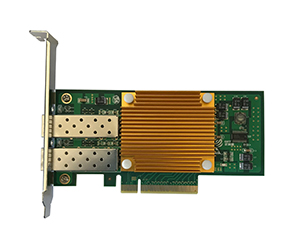
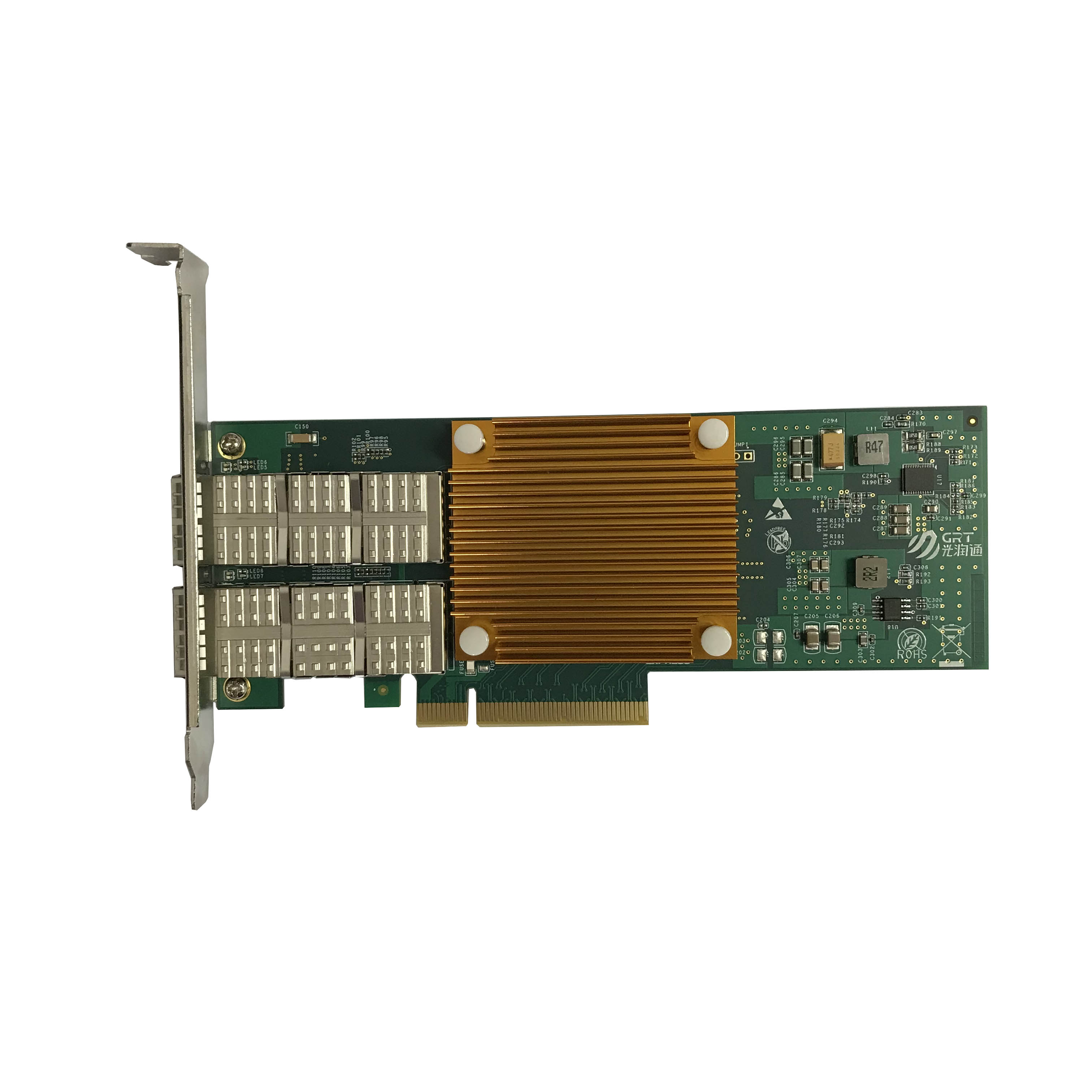
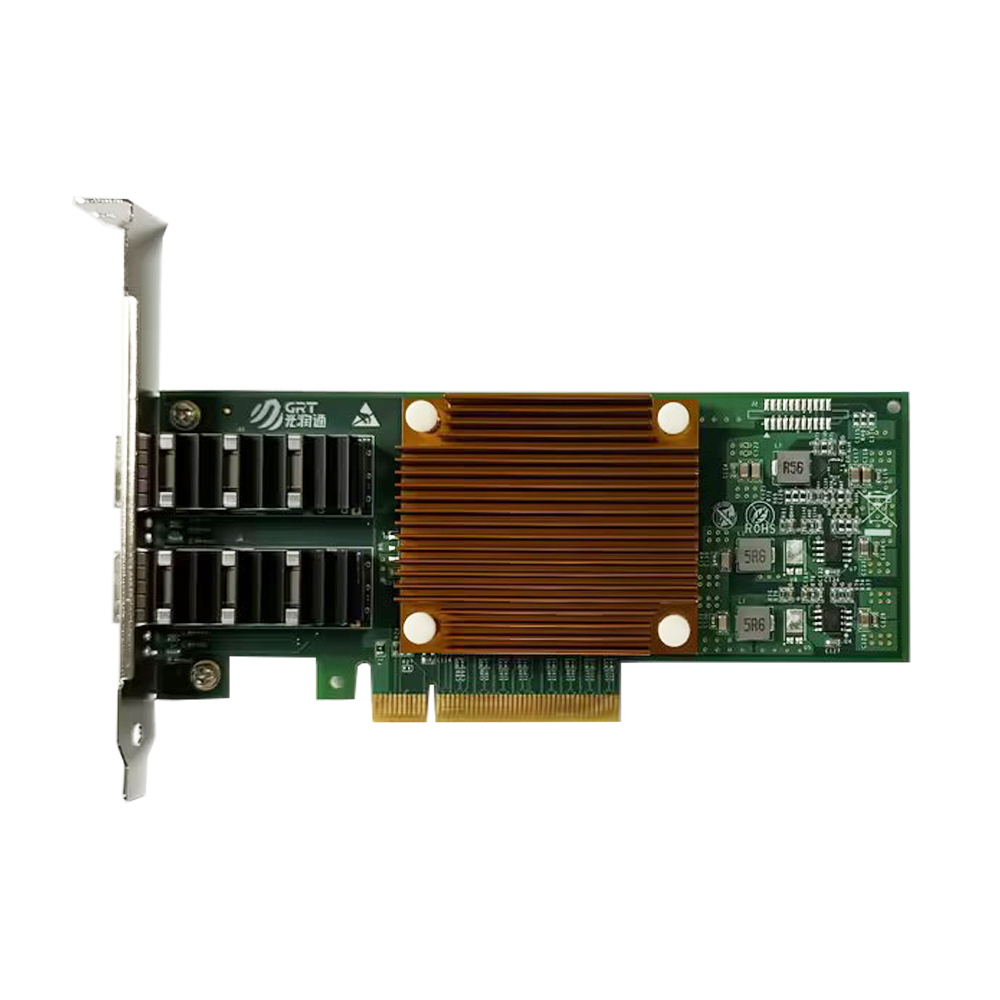
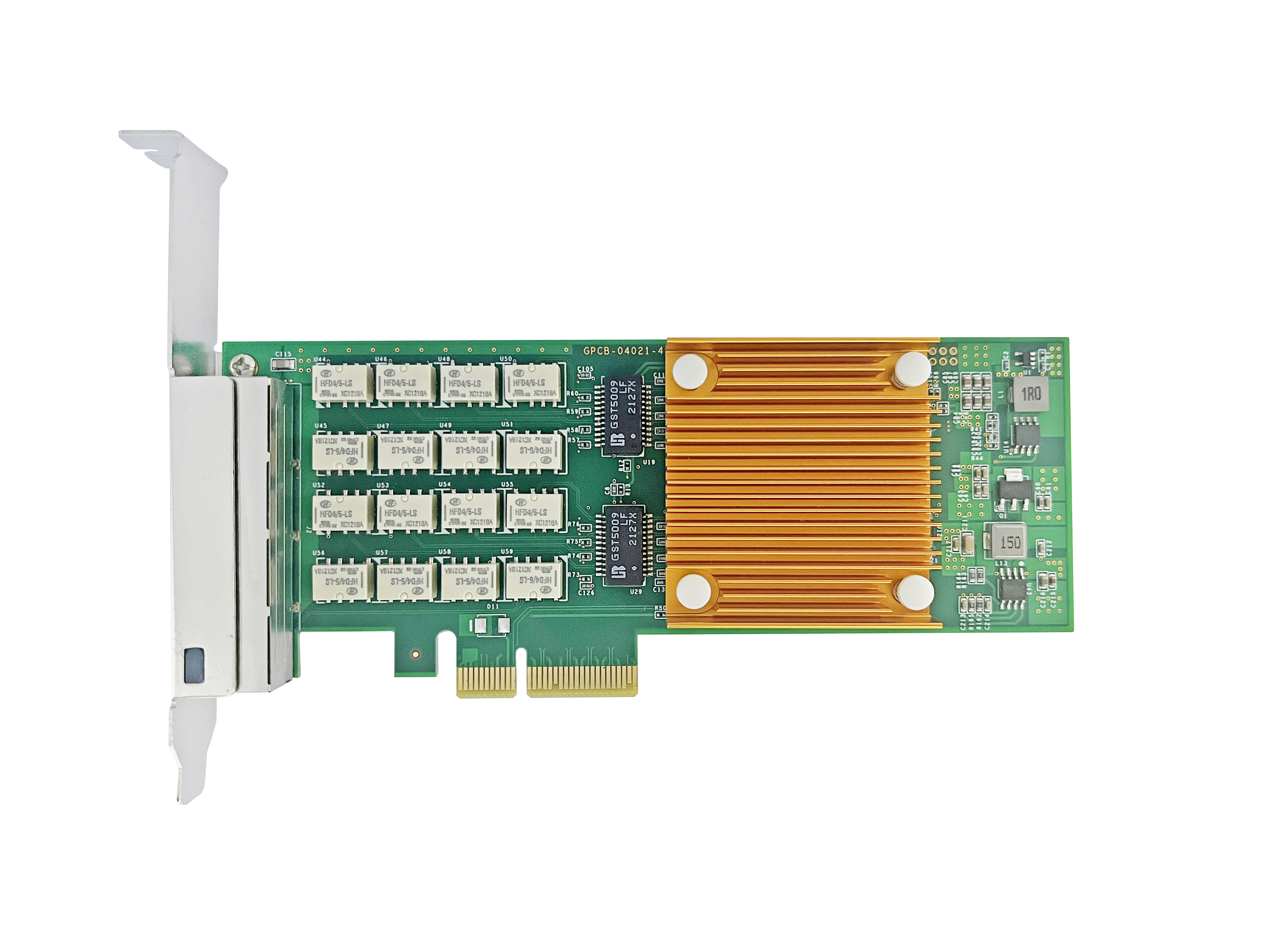

How to Select NICs for Virtualization Environments to Achieve Performance Isolation and Resource Allocation
< BackWith the popularization of server virtualization technology, a single physical server can run dozens of virtual machines and host various different services at the same time. In this environment, the role of network cards has undergone fundamental changes: they no longer serve only a single operating system, but need to fairly allocate network resources among multiple tenants while ensuring that the performance of key services is not disturbed. Combining deployment experience in virtualization scenarios, Guangruntong (GRT) sorts out several core capabilities to pay attention to when selecting network cards.
SR-IOV: Hardware Passthrough to Bypass Virtualization Overhead
In traditional virtualized network architectures, packets sent by virtual machines need to be forwarded through virtual switches (such as Open vSwitch) before reaching the physical NIC. During this process, the CPU needs to simulate network devices, copy packets and execute packet filtering rules, bringing significant overhead and latency.
The emergence of SR-IOV (Single Root I/O Virtualization) technology has changed this situation. It allows one physical network card to generate multiple independent Virtual Functions (VFs) at the hardware level, and each VF can be directly assigned to a virtual machine. The virtual machine accesses the VF just like accessing an independent physical network card, completely bypassing the virtual switching layer.
This architecture brings dual advantages. In terms of latency, the data path from the virtual machine to the physical cable is greatly shortened, dropping from millisecond level to microsecond level. In terms of throughput, each virtual machine can exclusively occupy part of the hardware resources, avoiding performance bottlenecks brought by virtual switches. Guangruntong (GRT) network cards generally support SR-IOV with optimized drivers to ensure stable and reliable allocation and recovery of VFs.
Multi-Queue & VMQ: Enable CPU Cores to Perform Their Respective Duties
In virtualization scenarios without hardware passthrough, virtual switches undertake all packet processing tasks. If the NIC only supports a single queue, all network interrupts will concentrate on one CPU core, making this core a bottleneck while other cores remain idle.
Network cards supporting multi-queue can distribute packets from different virtual machines or different data streams to different receive queues. VMDq (Virtual Machine Device Queues) technology further optimizes on this basis, allowing NIC hardware to place packets into dedicated queues of corresponding virtual machines directly according to destination MAC addresses or VLAN tags. In this way, virtual switches only need simple queue distribution, greatly reducing CPU load.
Guangruntong (GRT) network cards reserve sufficient hardware resources for multi-queue support, ensuring each queue can obtain enough buffer space even when the number of virtual machines is large.
Bandwidth Management: Prevent Mutual Interference Between Tenants
In an environment sharing physical networks, burst traffic from one virtual machine may occupy the entire bandwidth, causing the services of other virtual machines to be affected. This situation is especially common in cloud data centers and hosting environments.
Network cards with hardware-level bandwidth management capabilities can set independent upper and lower bandwidth limits for each VF or each traffic category on the physical port. Even if a virtual machine tries to send data exceeding its quota, the NIC hardware will perform rate limiting at the queue level without affecting the normal communication of other virtual machines.
Guangruntong (GRT) network cards support port-based rate limiting and queue-based priority scheduling, providing a hardware foundation for quality of service guarantee in virtualization environments.
Operation & Maintenance Perspective: VF Hot Plug and Migration
In virtualization environments, the creation, destruction and migration of virtual machines are routine operations. This requires network cards to support dynamic allocation and recovery of VFs well.
VF hot plug capability allows administrators to assign VFs to new virtual machines or reclaim VFs from destroyed virtual machines without rebooting the physical server. The VF migration capability relates to the smooth transition of network status during live migration of virtual machines. Guangruntong (GRT) achieves in-depth integration with mainstream virtualization platforms (such as VMware, KVM) at the driver level, ensuring VF management operations seamlessly connect with the management tools of virtualization platforms.
NIC selection for virtualization environments is not only related to performance, but also to fair resource allocation and convenient operation and maintenance. Understanding these technical features helps you make appropriate choices in diverse business scenarios.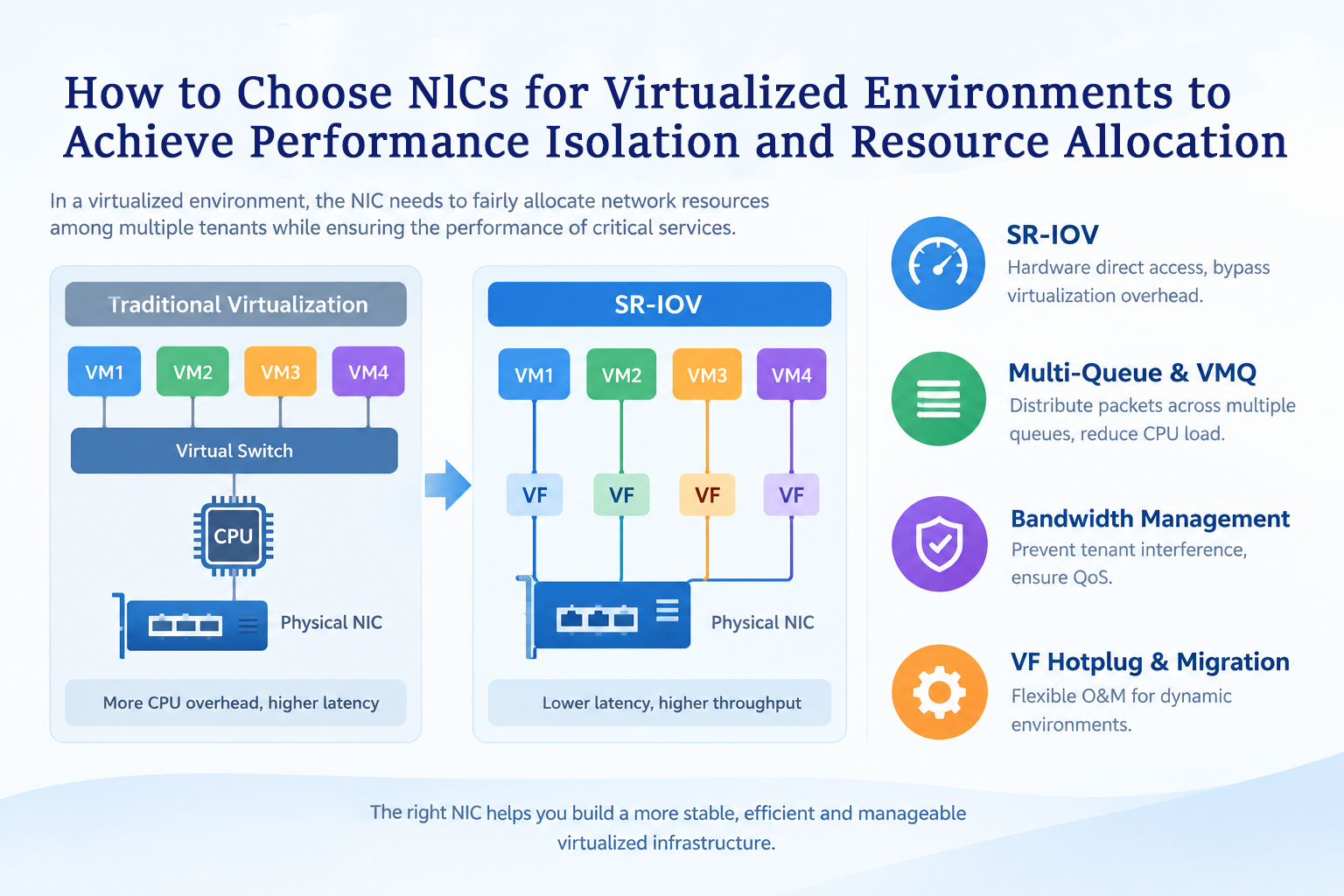
- Prev: What are FCC, CE and RoHS on Network Cards
- Next: None
Latest information
- How to Select NICs for Virtualization Environments to Achieve Performance Isolation and Resource Allocation
- What are FCC, CE and RoHS on Network Cards
- How Bypass NIC Ensures Uninterrupted Network When Server Power Fails
- The Key Role of Bypass Network Cards in Firewalls
- Choosing Between Fiber NIC and Copper NIC: Application Scenarios Determine Interfaces
- Ambassador Chang Hua of the People’s Republic of China to Saudi Arabia Visits GRT Booth at LEAP 2026
- Server NIC Selection: Why Is OCP 3.0 Becoming the New Standard for Data Centers?
- Fantastic start on the first day of LEAP 2026!