Sign in



Server NIC Selection: Why Is OCP 3.0 Becoming the New Standard for Data Centers?
< BackServer NIC Selection: Why Is OCP 3.0 Becoming the New Standard for Data Centers?
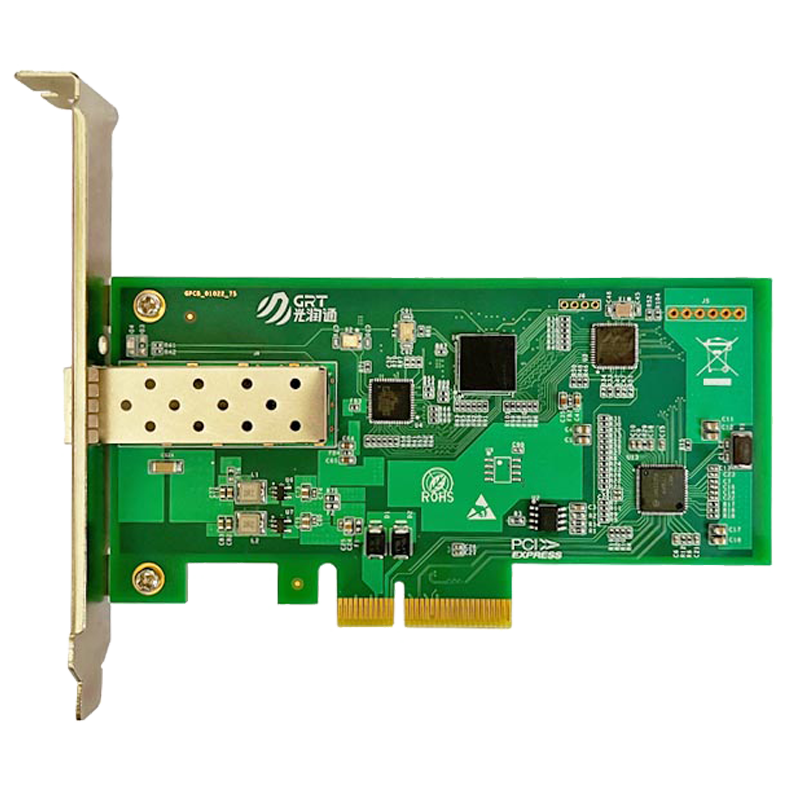
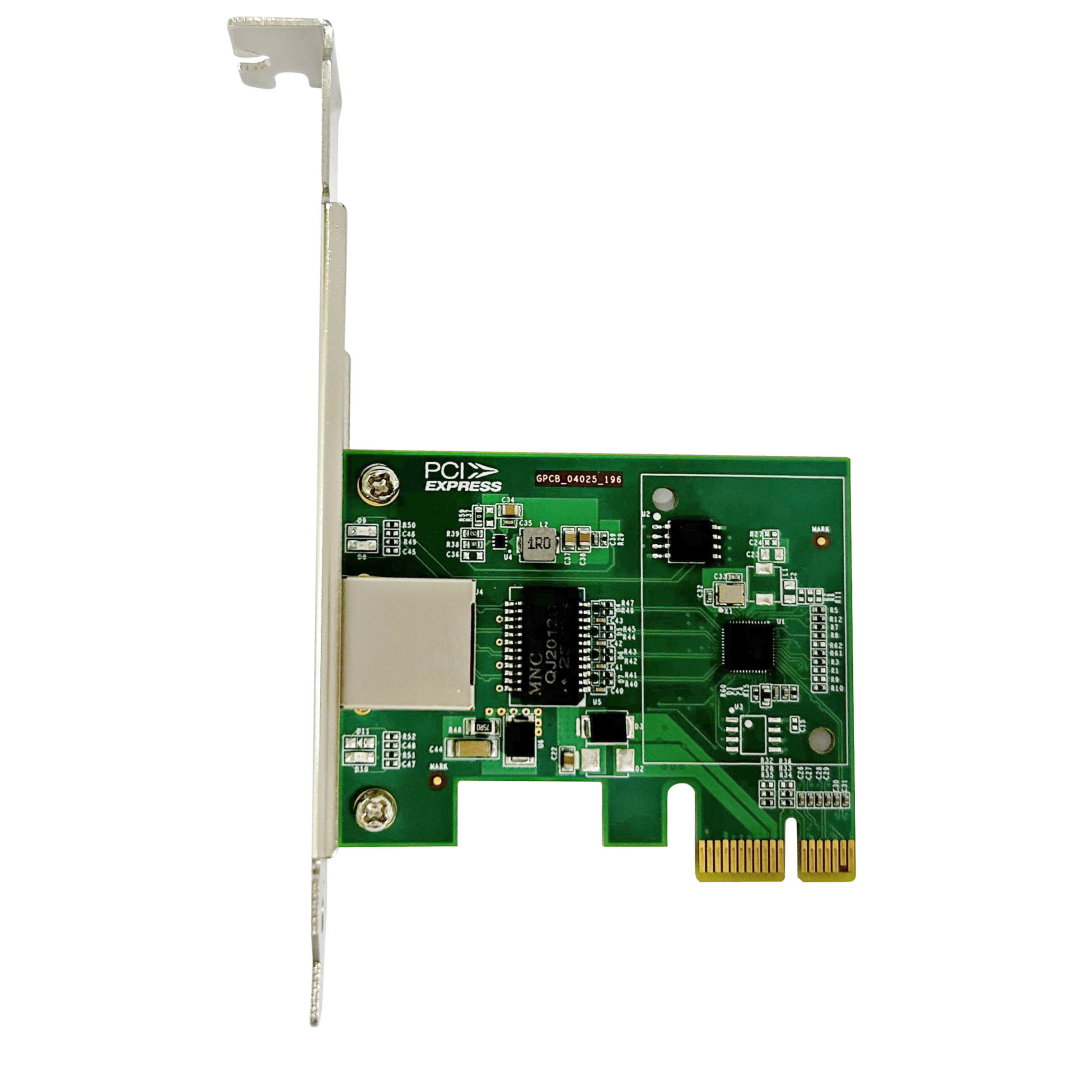
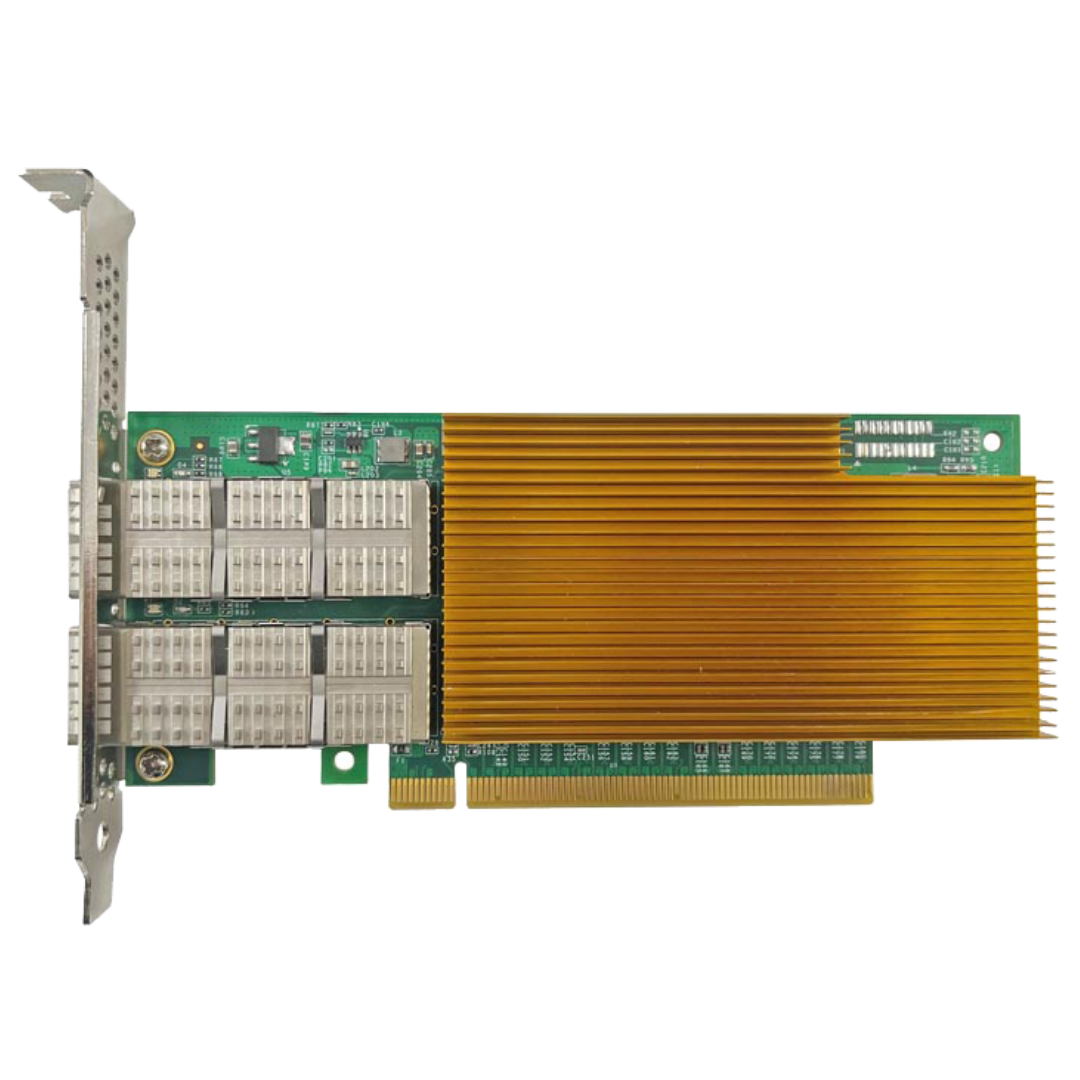
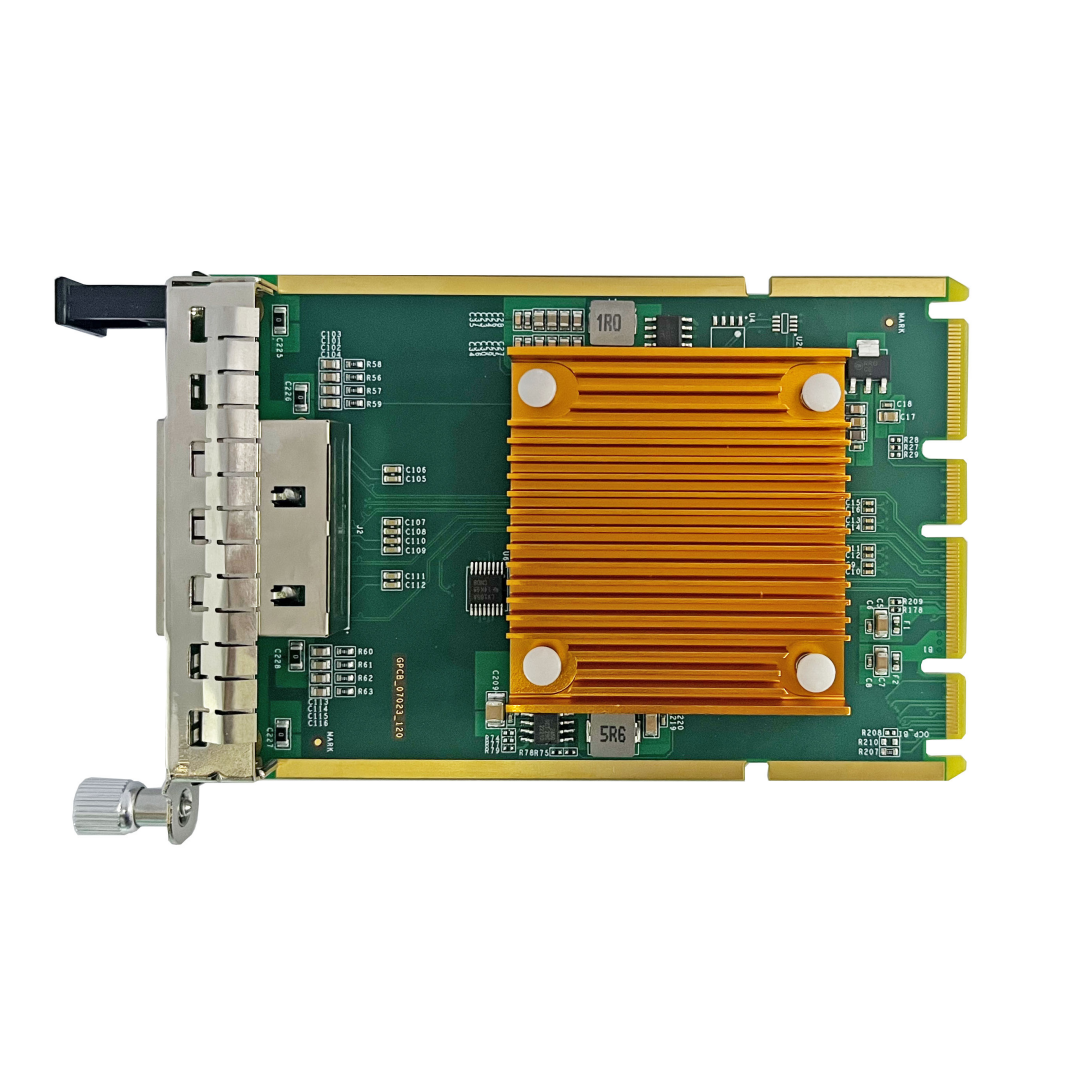
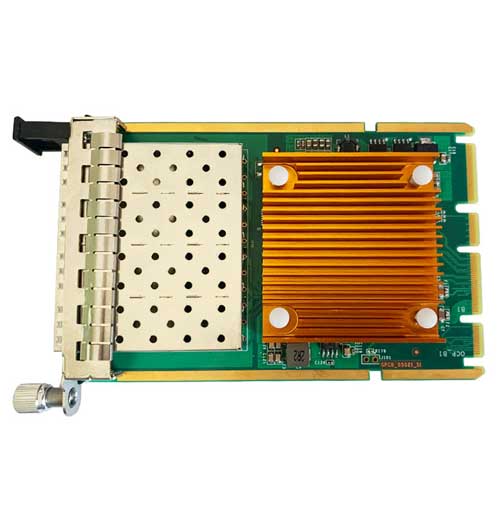
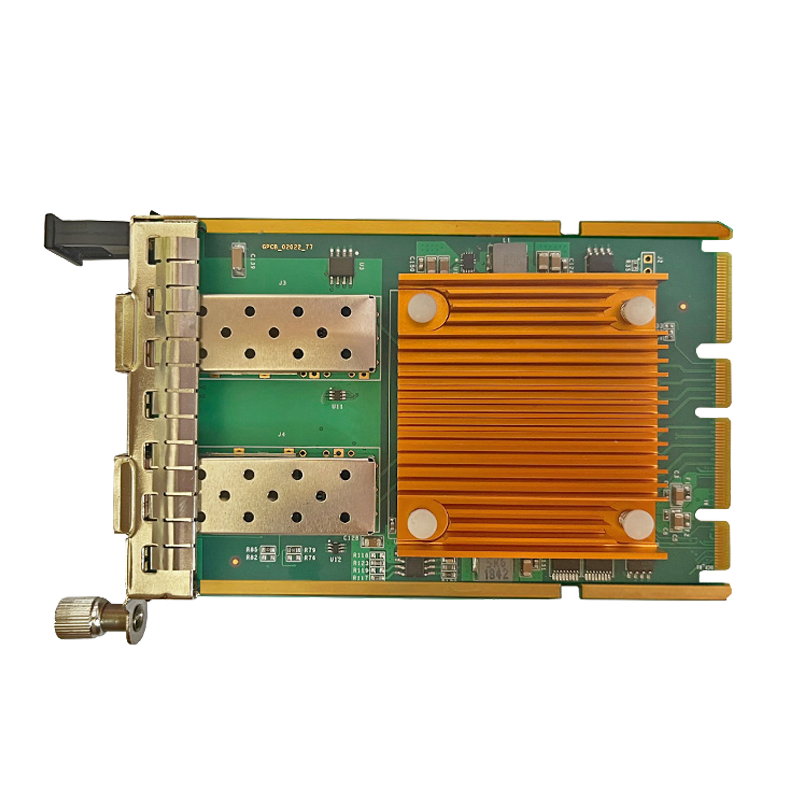
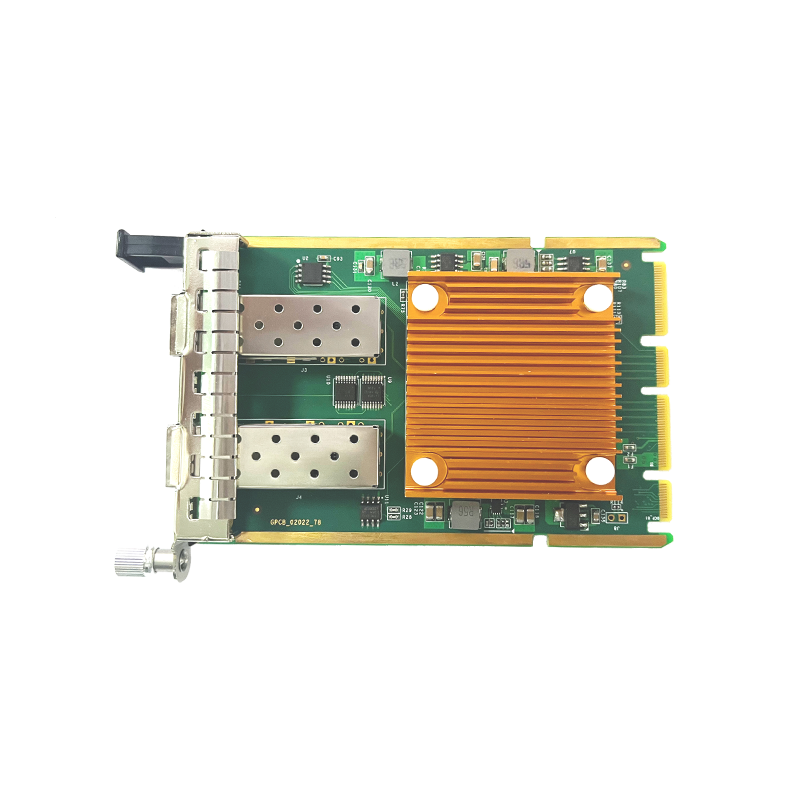
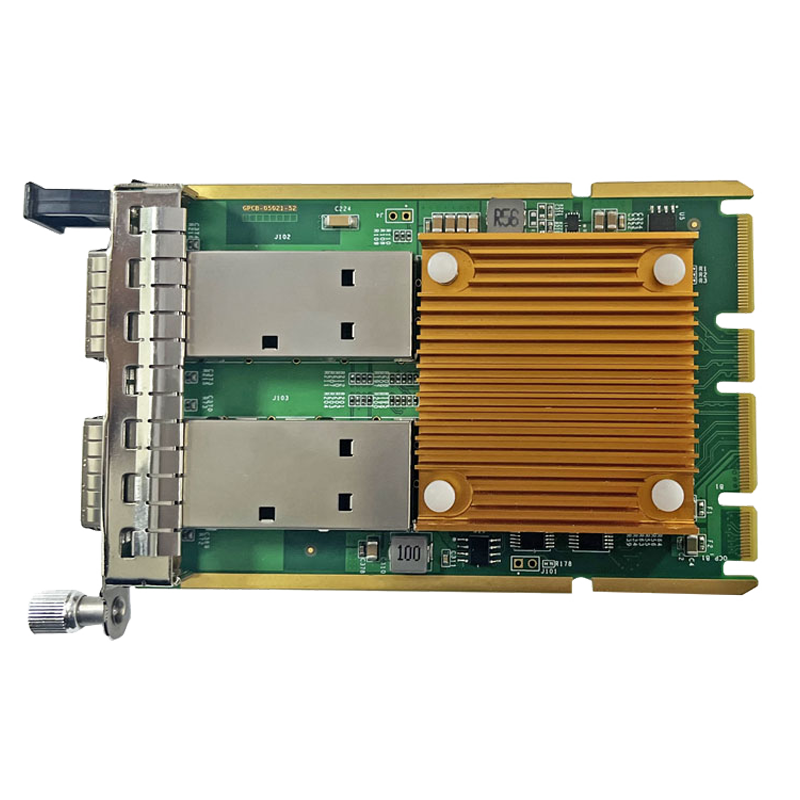
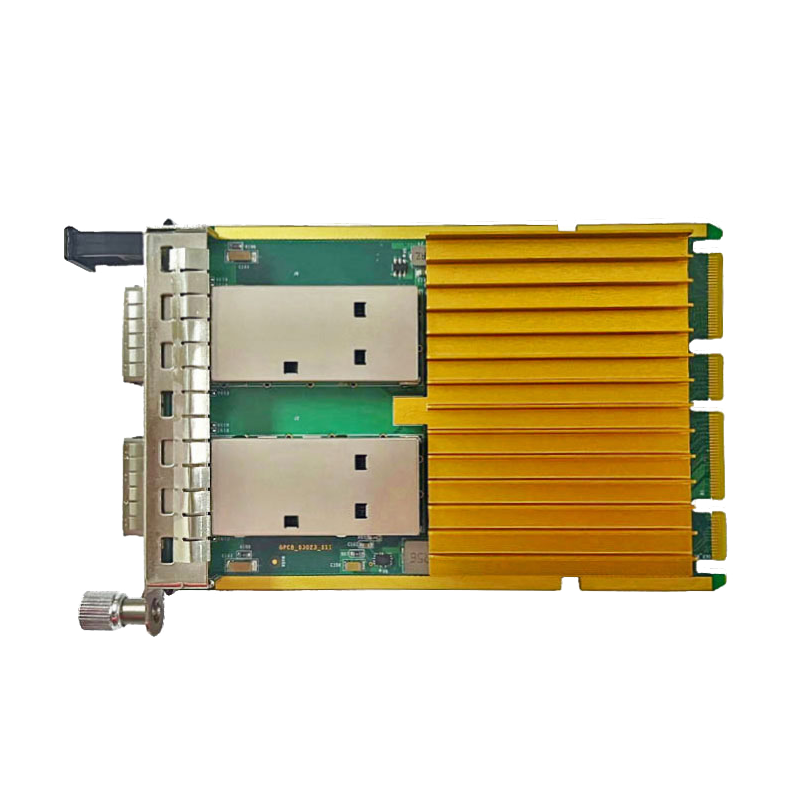
As we all know, hardware iteration in data centers is much faster than in traditional IT infrastructure. As servers evolve from traditional tower and rack-mounted systems toward high-density and modular architectures, a previously overlooked component is increasingly entering the decision-making process—the network interface card (NIC). Not an ordinary PCIe NIC, but a mezzanine NIC designed to comply with the OCP (Open Compute Project) standard.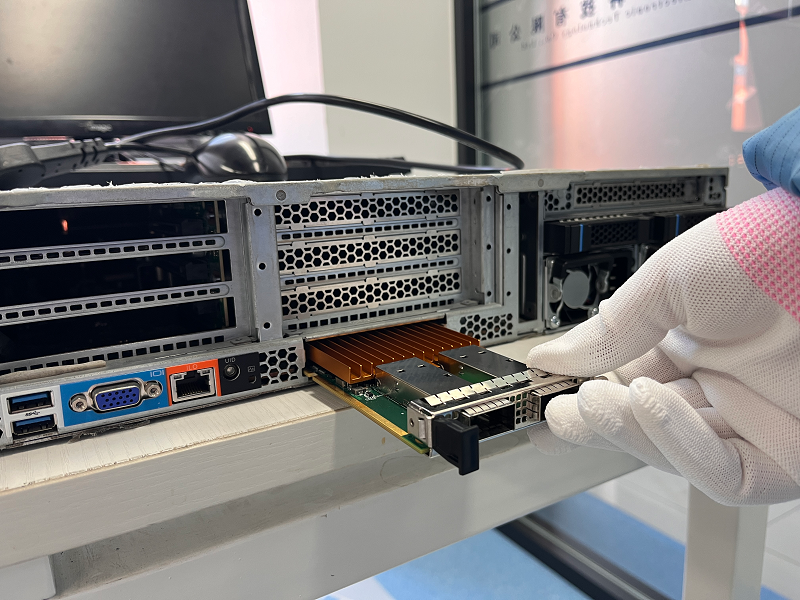
Server Architectures Are Changing, and NICs Must Change with Them
In traditional server designs, NICs are connected to the motherboard through PCIe slots, a model that offers sufficient flexibility for individual-server scenarios. However, when a data center scales to thousands of servers, the drawbacks of the traditional design gradually become apparent: every NIC replacement may require system downtime, opening the chassis, and manually installing or removing the card, resulting in low maintenance efficiency; NICs from different vendors may have different physical dimensions, making standardized management difficult; and cooling design and airflow management can also be difficult to optimize because of the different form factors of expansion cards.
The OCP standard was created precisely to address these challenges. Initiated by Meta (formerly Facebook), the Open Compute Project defines a set of open hardware specifications designed to make data center servers more standardized and modular. As a mainstream mezzanine card specification, OCP 3.0 standardizes mechanical dimensions, electrical interfaces, and management protocols, allowing NICs to be mounted directly onto the server motherboard without additional adapters while meeting the cooling requirements of high-density deployments.
Core Advantages of OCP 3.0 NICs
Choosing an OCP 3.0 NIC is essentially choosing a deployment approach that is better suited to modern data centers.
Standardization and Interchangeability: OCP 3.0 defines standardized mezzanine card dimensions and interface specifications. NICs from different vendors can be interchanged as long as they comply with the standard. This means customers are no longer tied to a single supplier, making future replacement and expansion more flexible.
High-Density Deployment Friendly: The mezzanine card design sits directly against the motherboard, does not occupy traditional PCIe slot space, and does not interfere with airflow channels inside the chassis. For data centers focused on maximizing computing capacity per unit area, this design can significantly increase deployment density.
Hot-Swap and Easy Maintenance: Servers compliant with OCP specifications can support NIC hot-swapping, allowing failed NICs to be replaced without shutting down the server and greatly reducing the impact of maintenance windows on business operations.
Unified Management: OCP specifications include standardized management interfaces that can work together with the server's BMC (Baseboard Management Controller), enabling remote monitoring, firmware updates, and fault diagnosis.
Four-Port Gigabit Optical NICs: Why Are They Still a Mainstream Configuration?
With 100G and even 400G networks becoming increasingly common, do Gigabit NICs still have value? The answer is yes. In many scenarios, four-port Gigabit optical NICs remain an indispensable mainstream configuration.
Management Networks and Out-of-Band Communication: Out-of-band server management, IPMI communication, BMC remote access, and similar functions typically require only Gigabit bandwidth, but they demand high reliability and isolation from production networks. A four-port configuration can simultaneously carry management, business, and storage traffic, enabling physical-layer network isolation.
Flexible Allocation in Virtualized Environments: On virtualization platforms such as VMware and KVM, multiple physical network ports can be virtualized into additional virtual NICs through SR-IOV and directly assigned to virtual machines, reducing forwarding overhead in virtual switches. The Intel I350AM4 controller supports VMDq (Virtual Machine Device Queues), providing independent transmit and receive queues for each virtual machine and significantly reducing I/O bottlenecks in the hypervisor.
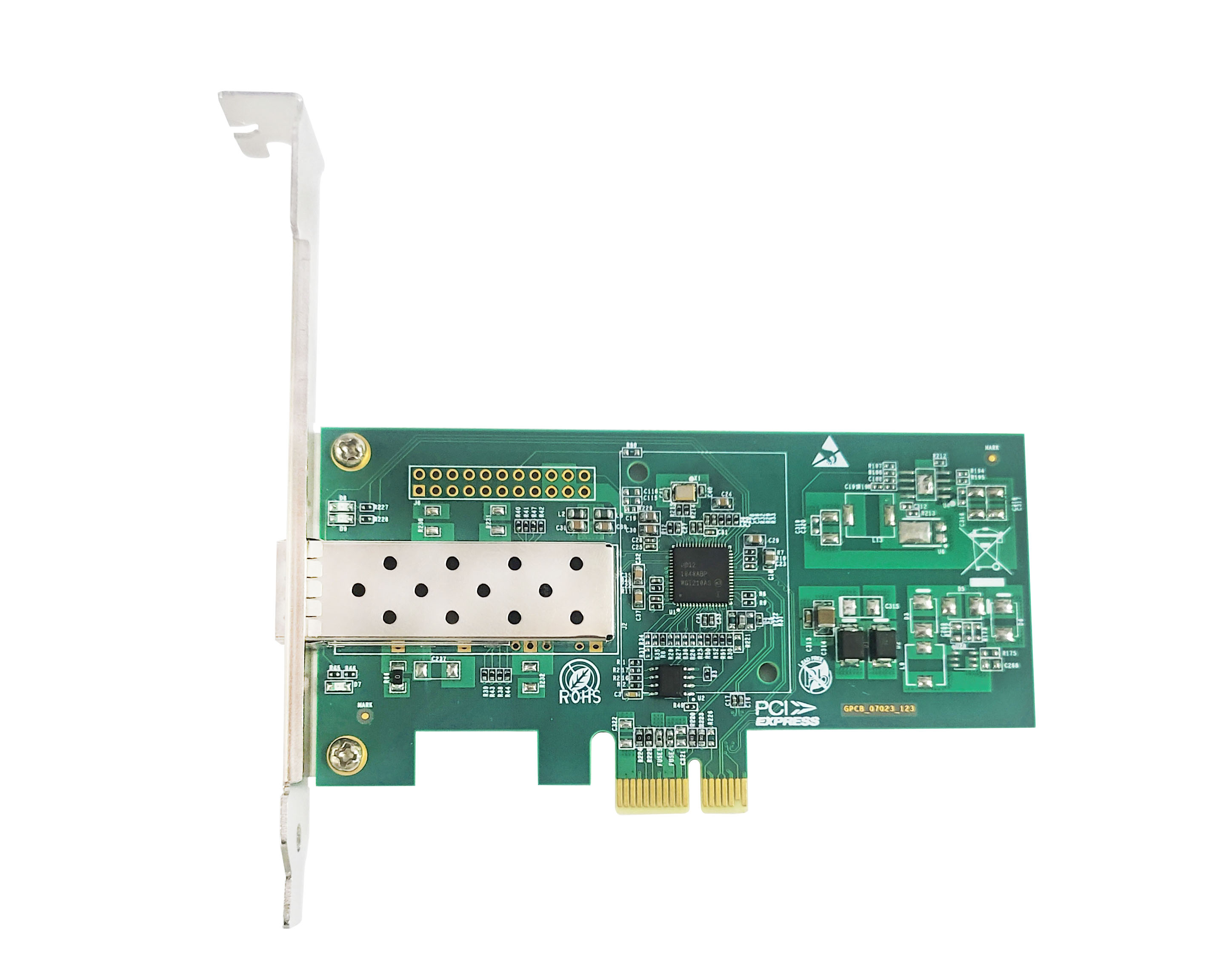
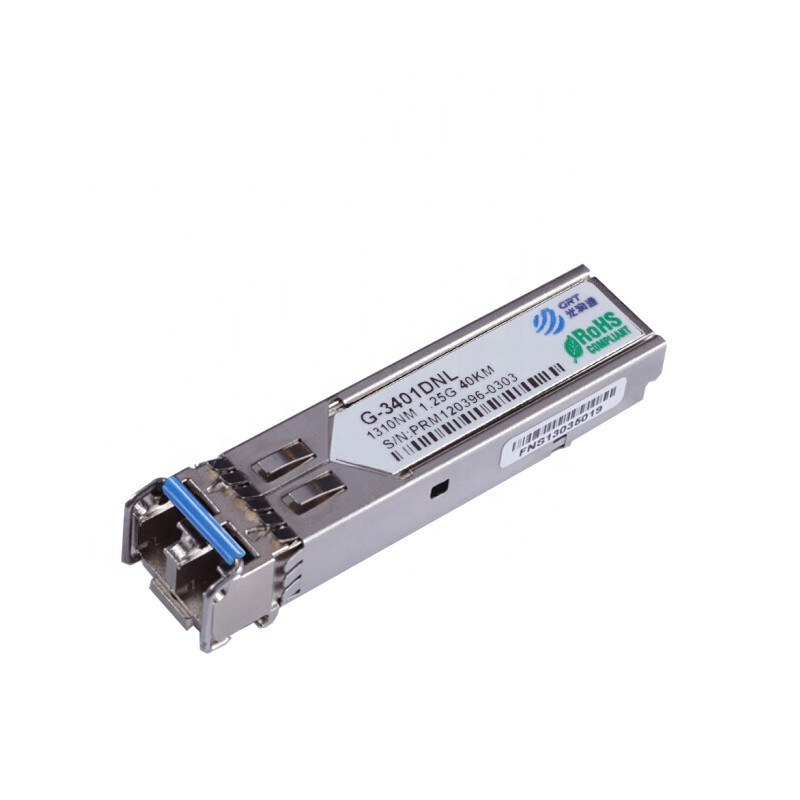
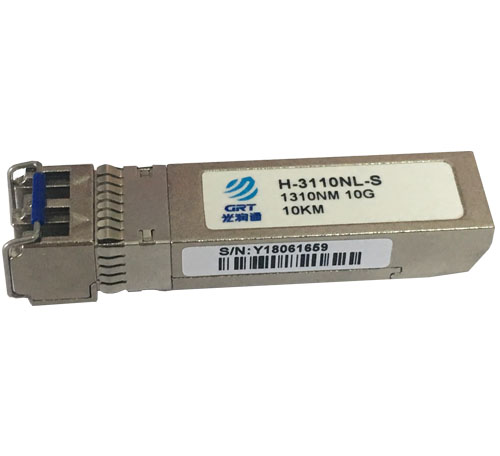
Edge Computing and Branch Offices: In edge nodes and branch-office scenarios, 10Gbps bandwidth is often underutilized, while port density and reliability requirements remain high. A four-port Gigabit optical NIC combined with SFP optical modules can meet transmission requirements while supporting flexible fiber choices, including single-mode/multimode fiber and different transmission distances.
Balance Between Cost and Power Consumption: Compared with 10Gbps or higher-speed NICs, Gigabit NICs offer lower per-port costs and more favorable power consumption. Taking the Intel I350AM4 controller as an example, the entire card consumes approximately 5.8W and supports EEE (Energy Efficient Ethernet), which can automatically reduce power consumption by approximately 50% when the link is idle. For large-scale deployments, this difference can be reflected directly in electricity bills.
Technical Parameters to Consider When Selecting an OCP 3.0 NIC
When choosing an OCP 3.0 NIC, in addition to the number of ports and link speed, the following factors deserve careful attention:
Controller Chip: The controller determines the NIC's core capabilities and driver ecosystem. The Intel I350 series is a mainstream choice for Gigabit NICs, offering strong driver compatibility and support for major operating systems such as Windows, Linux, and VMware. It also provides mature and stable support for virtualization features such as SR-IOV and VXLAN/NVGRE.
Virtualization Support: If the server is used in a virtualized environment, verify whether the NIC supports features such as SR-IOV, VMDq, and VEPA. These functions directly affect virtual machine network performance and isolation.
Offload Capabilities: Hardware offload functions such as TCP/UDP checksum calculation and TSO (TCP Segmentation Offload) can reduce CPU utilization and improve overall system performance. Their value should not be underestimated in high-throughput scenarios.
Operating System Compatibility: Verify that the NIC driver supports the target operating system version. This is particularly important when using Chinese domestic operating systems such as Kylin OS and UOS, for which driver availability should be validated in advance.
Optical Module Compatibility: SFP optical-port NICs require optical modules. Make sure the NIC is compatible with the target optical modules to avoid link failures after procurement.
Conclusion
Server NIC selection is not simply about choosing the highest possible speed. It is about finding the right balance among performance, density, cost, and operational efficiency. The growing adoption of the OCP 3.0 standard is transforming NICs from optional accessories into standardized components, changing the way NICs should be selected: the focus is no longer only on the performance of an individual card, but also on its compatibility with the overall server architecture.
Take the Guangruntong(GRT) GH904E-OCP-V3.1 as an example. This four-port Gigabit OCP 3.0 NIC is based on the Intel I350AM4 controller and uses an SFP optical-port design. Each of its four ports can be configured independently to meet requirements for multi-segment network isolation or link redundancy. The entire card consumes 5.8W and supports EEE, reducing power consumption by approximately 50% when the link is idle. For virtualization, it supports SR-IOV and VMDq, allowing each port to virtualize up to eight virtual ports. Combined with VXLAN/NVGRE network virtualization offload, it can effectively reduce I/O bottlenecks in the hypervisor. The card complies with OCP 3.0 mechanical and electrical specifications and is compatible with mainstream server platforms equipped with OCP slots.
From Gigabit to 10Gbps, and from PCIe to OCP, NIC form factors are changing, but the core principle remains the same: use the right solution for the right scenario. A Gigabit OCP NIC with solid specifications and comprehensive compatibility remains a practical and reliable choice for management networks, virtualized environments, edge nodes, and other scenarios.
Latest information
- NAS Storage Network Upgrade Guide
- Why Does Upgrading Your NAS to 2.5GbE Not Improve Network Speed?
- What Is an OCP 3.0 Network Card?
- The King of Cost-Effective 25G NIC: In-Depth Analysis of Guangruntong (GRT) GH2502EM-V4.1
- The Hidden Relationship Between NIC Heat Dissipation and Data Center Cabinet Layout
- Why are serpentine traces designed on the NIC PCB board
- NIC and Operating System Ecosystem Adaptation: From Hardware Compatibility to Win-Win Performance
- NIC Hardware Offload Technology: Let Server CPU Focus on Business Computing