Sign in



Choosing Between Fiber NIC and Copper NIC: Application Scenarios Determine Interfaces
< BackIn enterprise network construction, the interface type of server network cards is often an easily‑overlooked detail. Many purchasers only focus on speed such as Gigabit, 10‑Gigabit or higher during selection, ignoring whether the NIC uses fiber or copper ports. In fact, these two interface types differ greatly in transmission distance, power consumption, cost and applicable scenarios. Wrong selection may cause deployment obstacles or unsatisfactory performance.
Core Advantages of Fiber NIC: Long Transmission Distance & Anti‑Interference
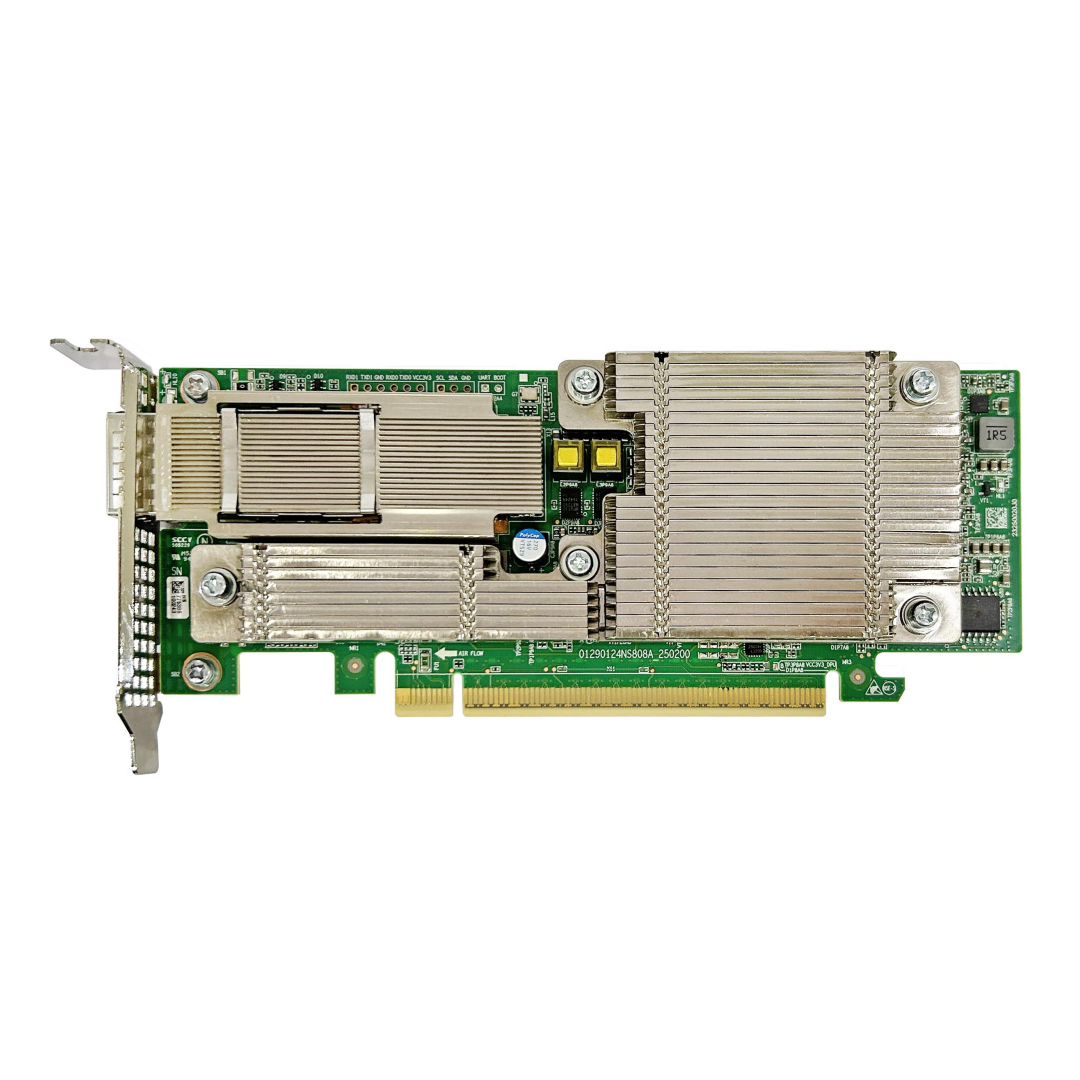
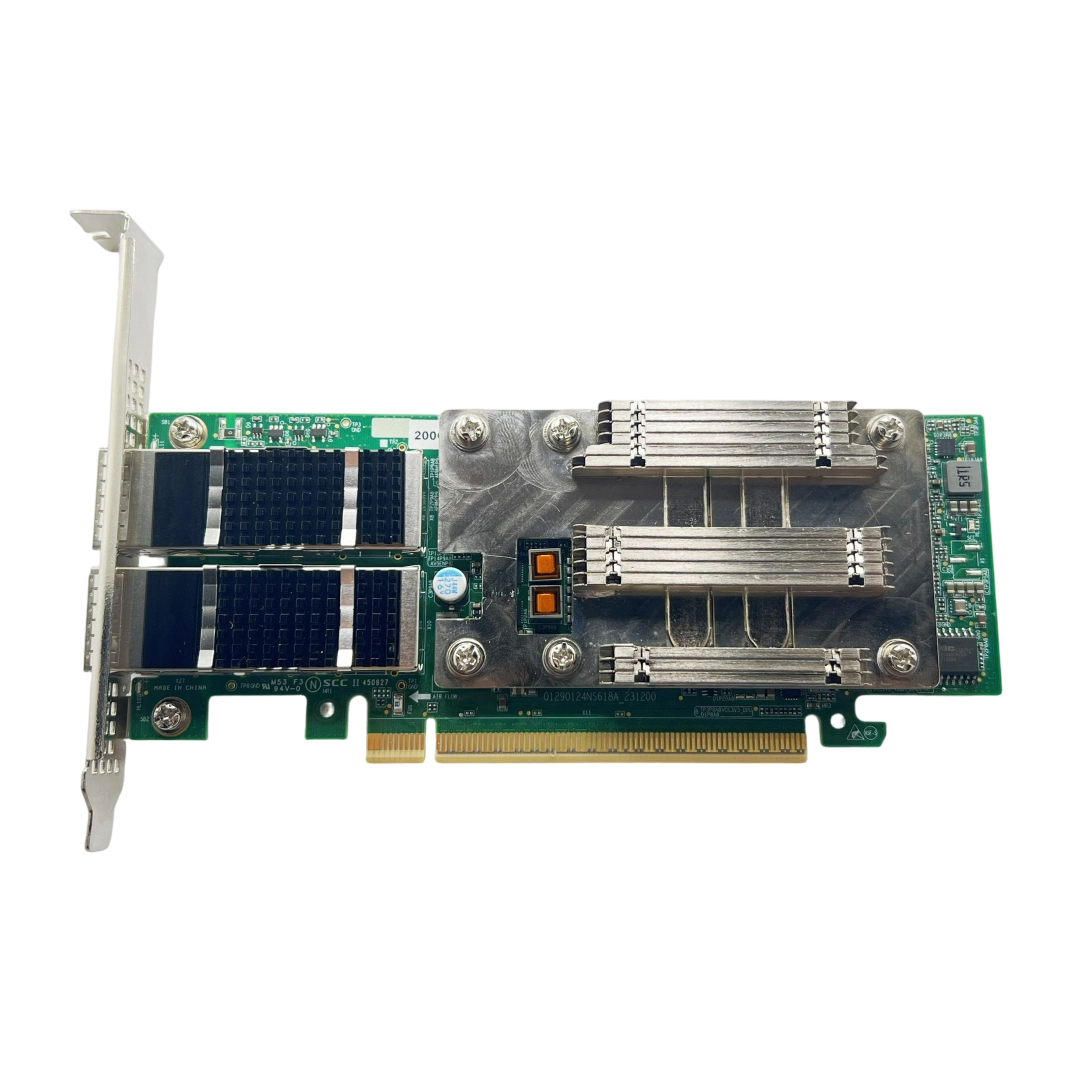
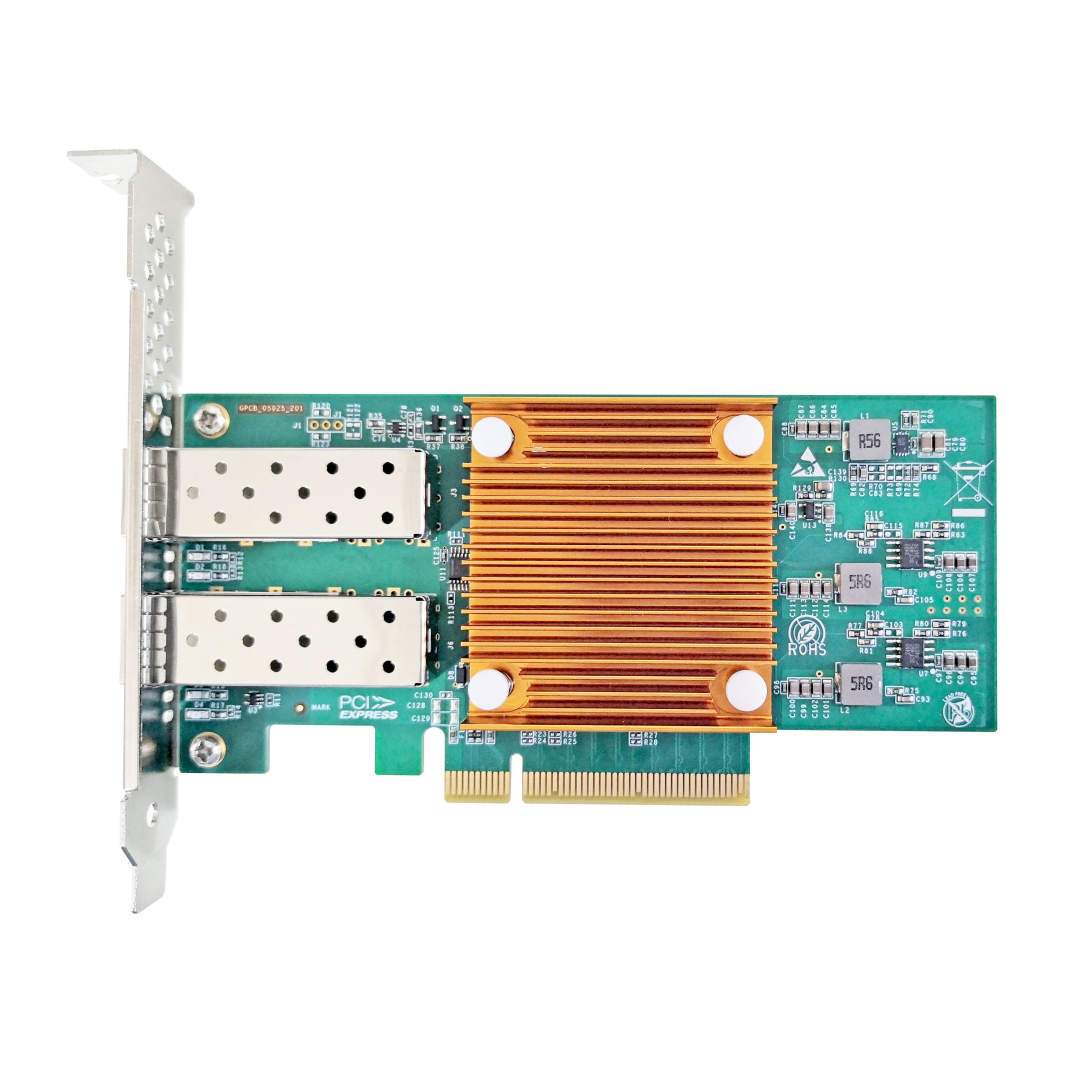
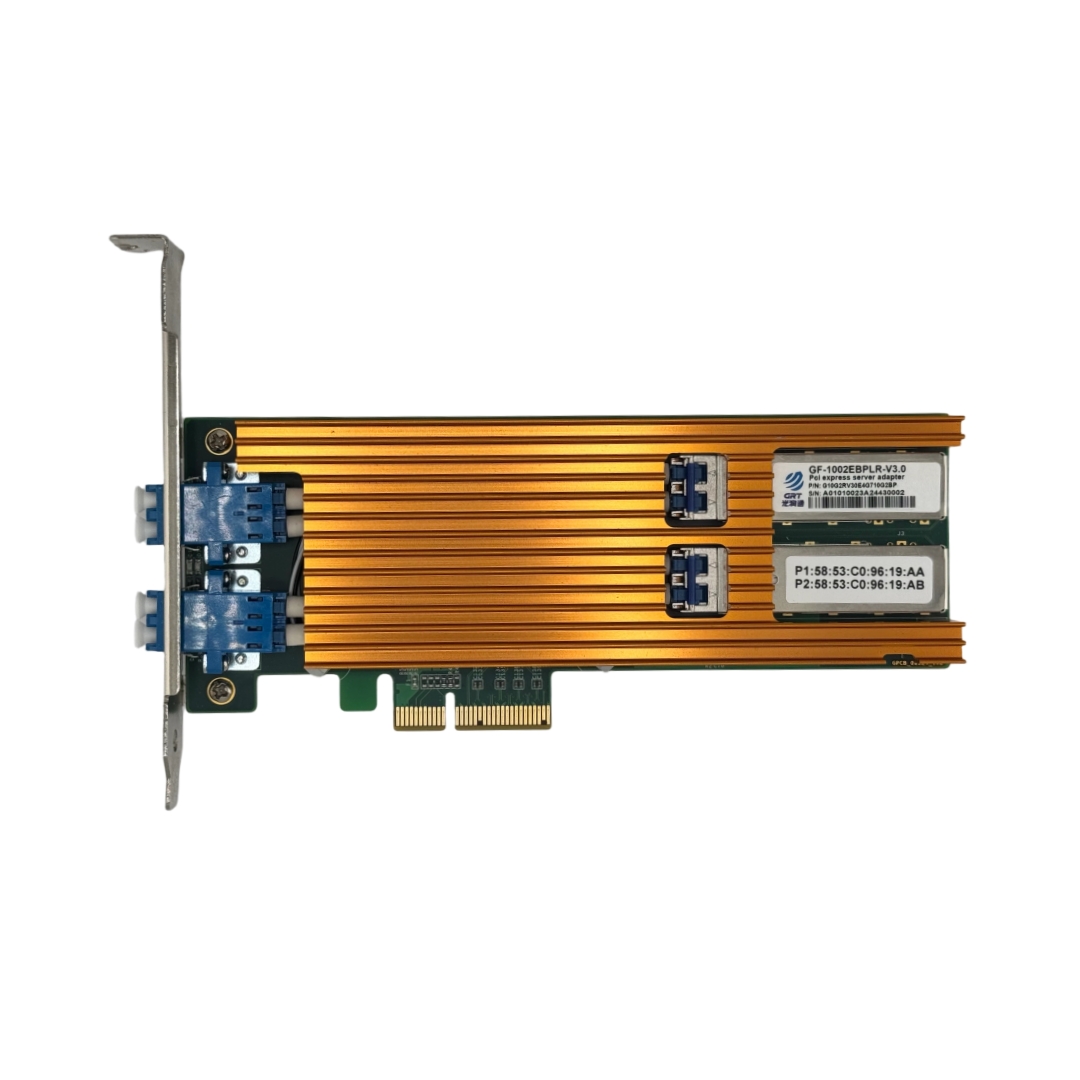
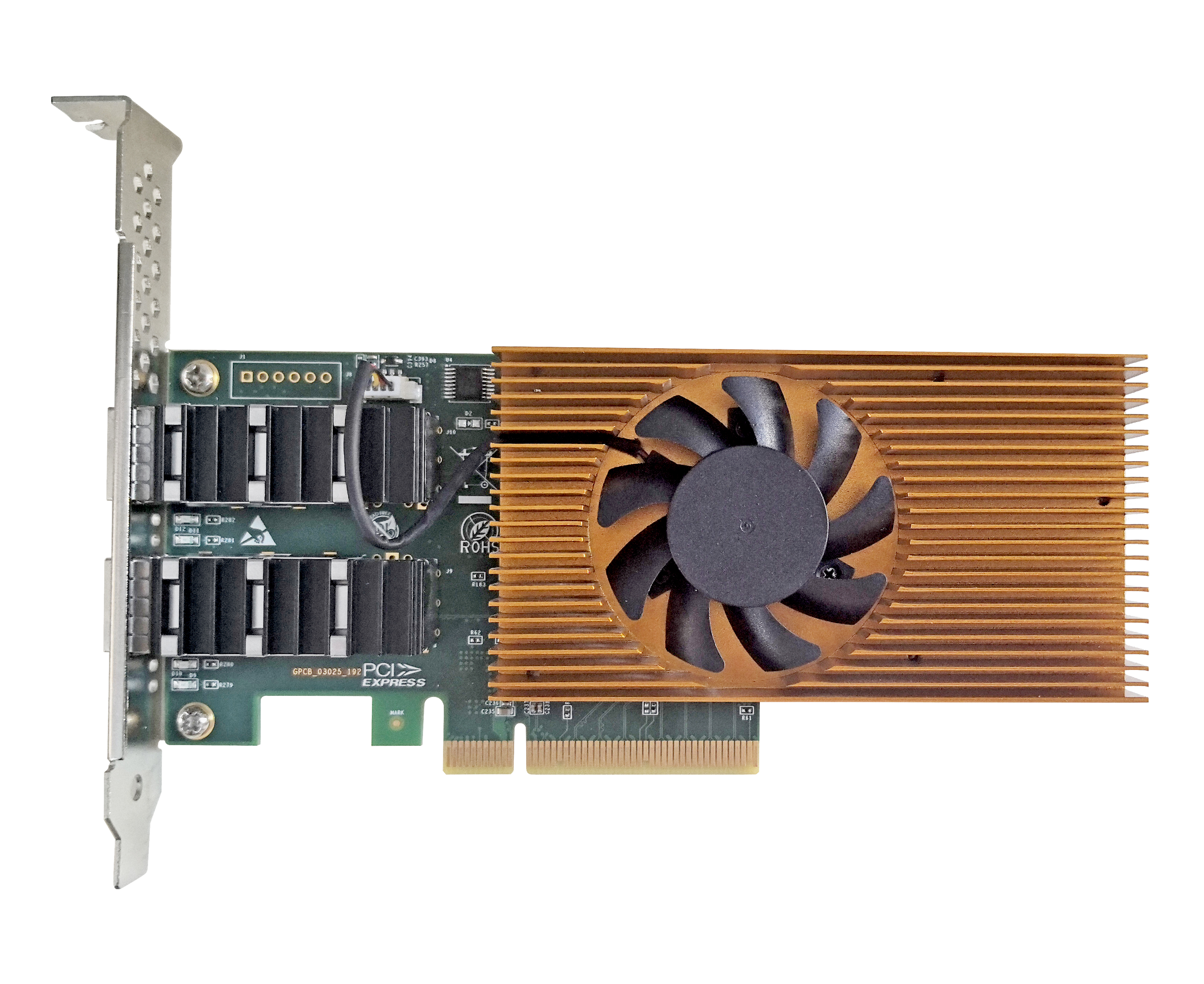
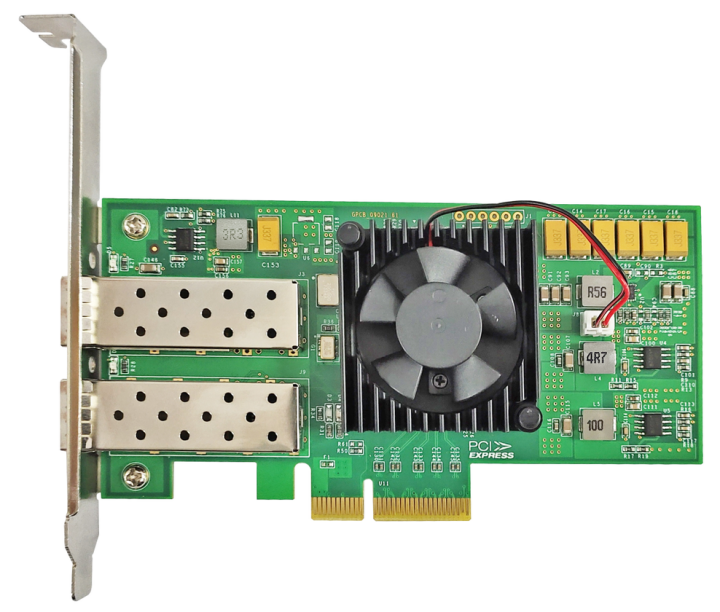
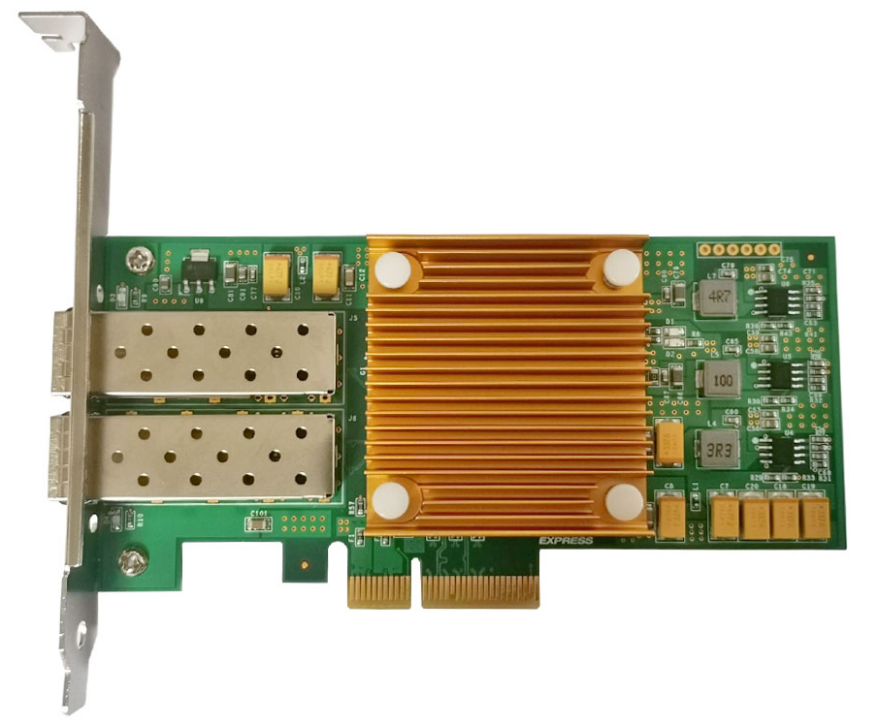
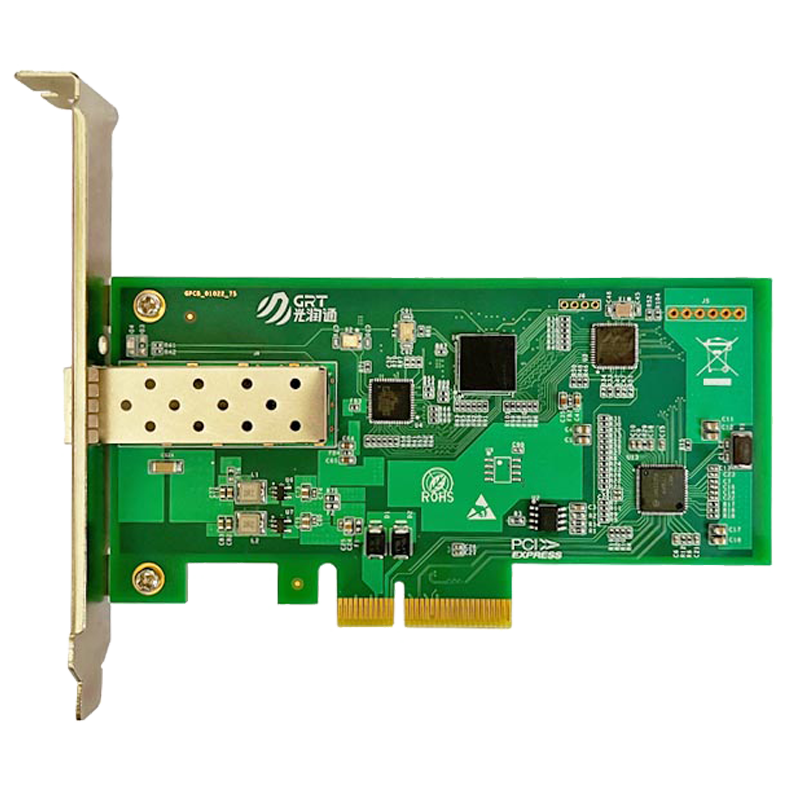
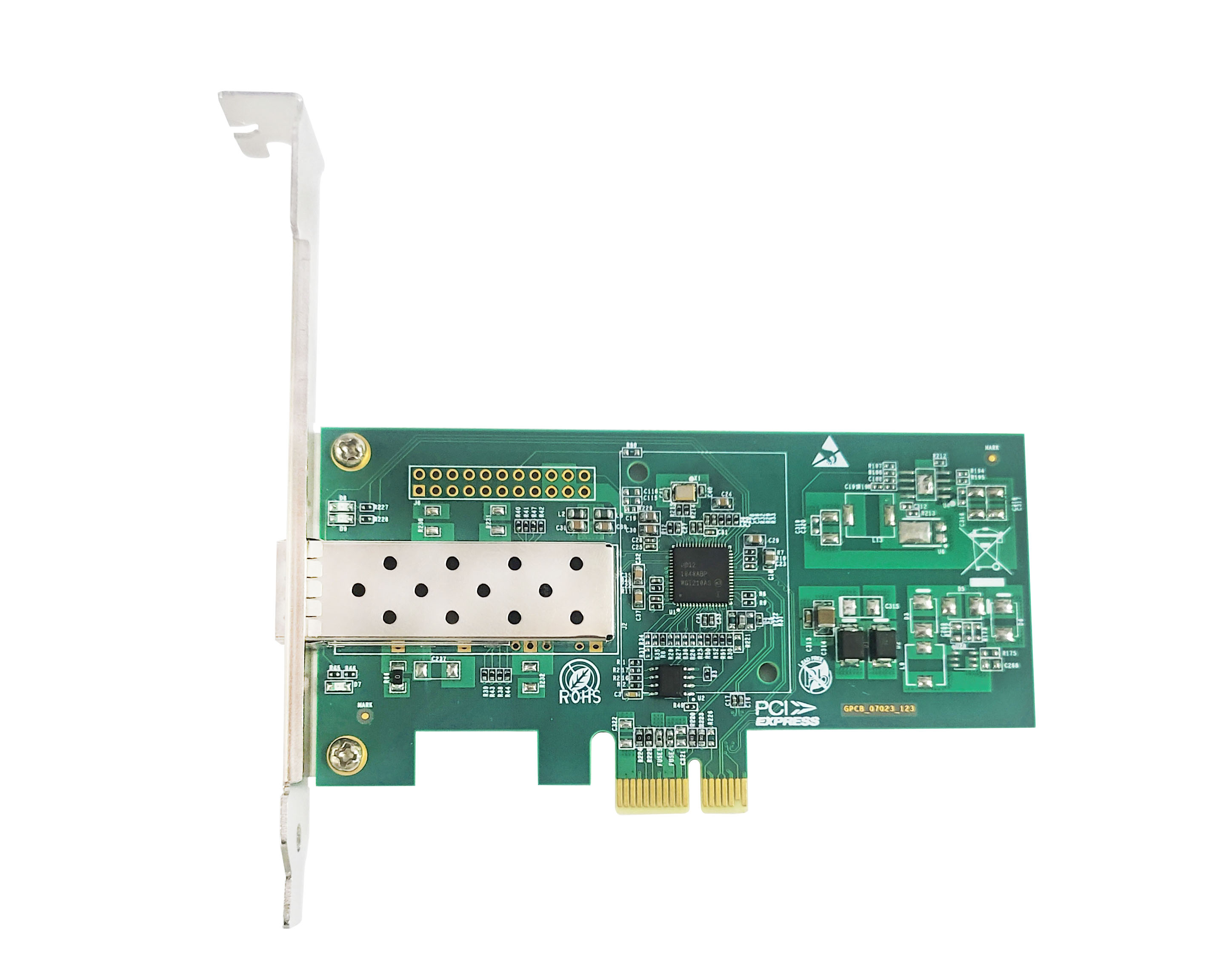
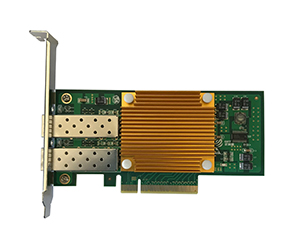
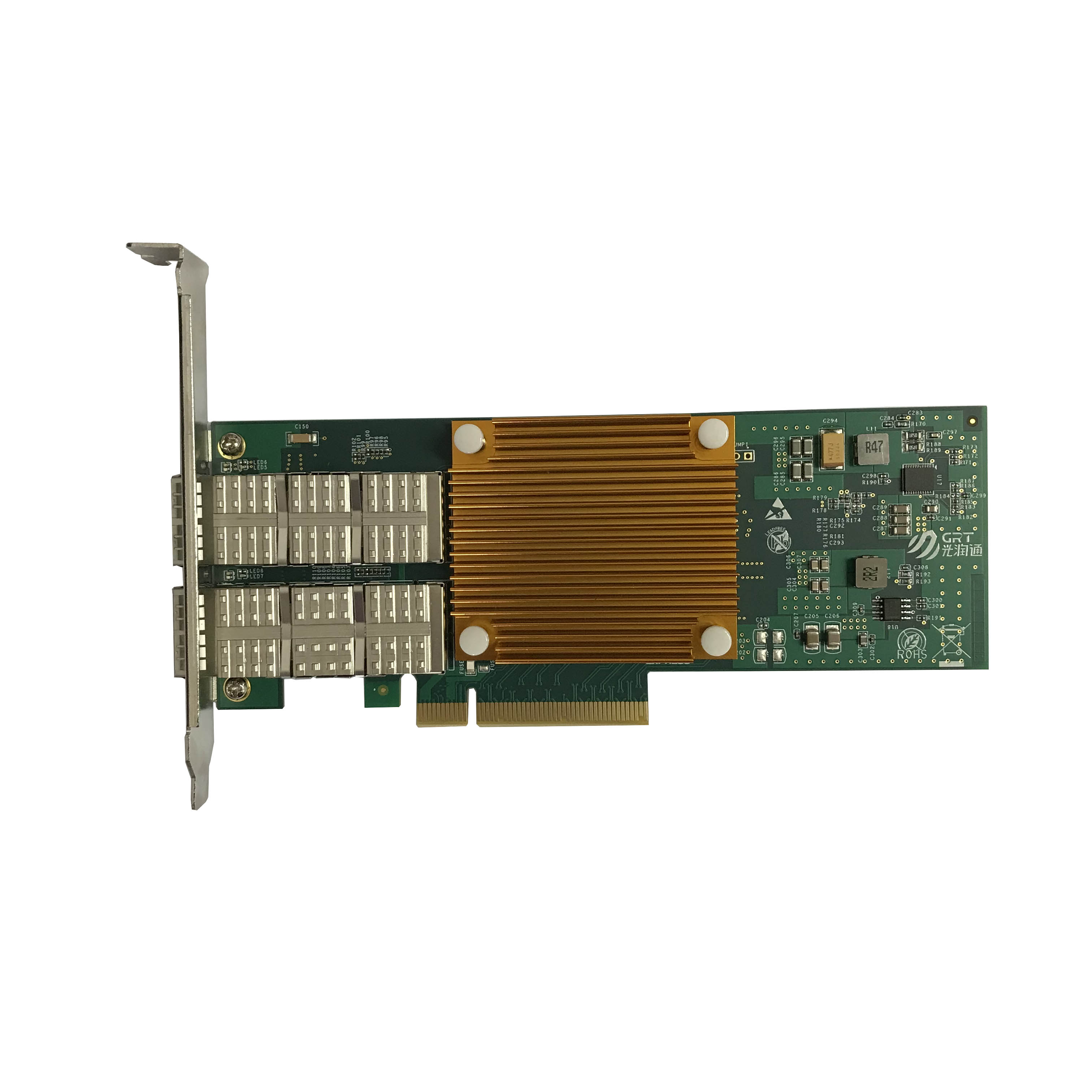
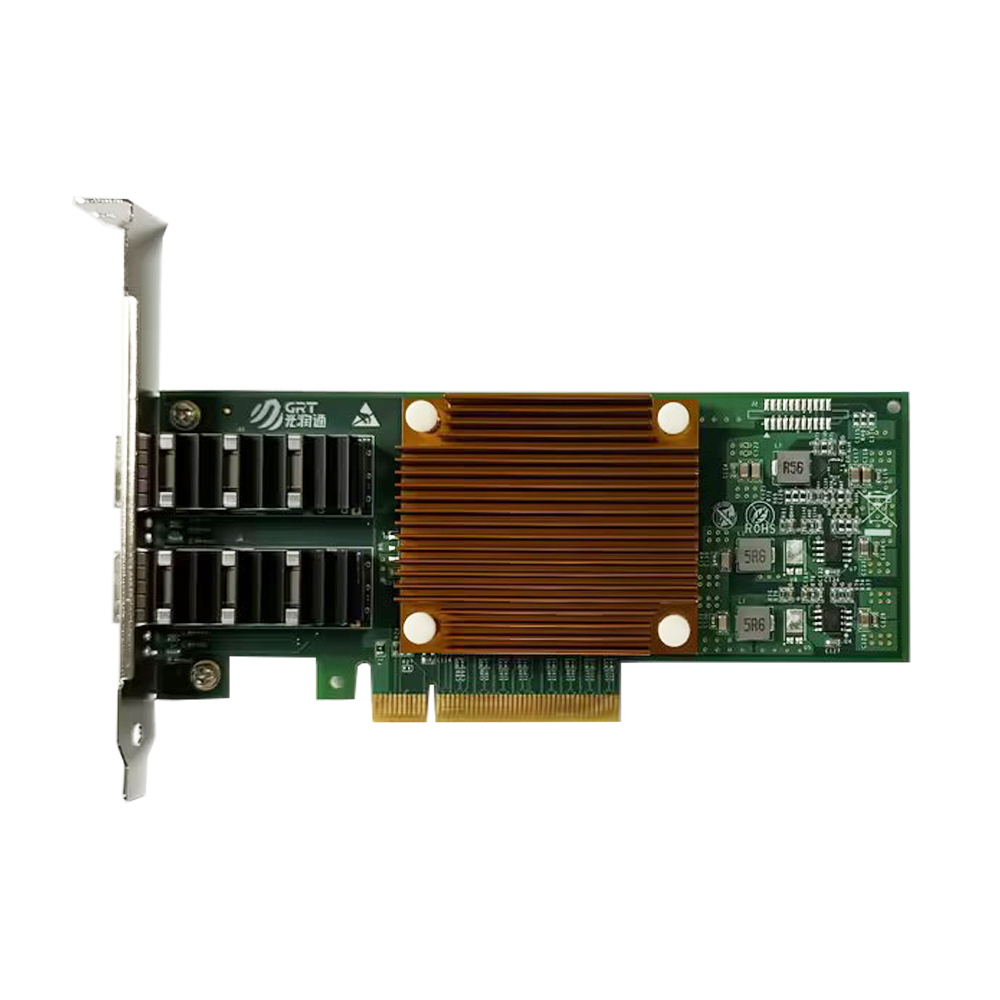
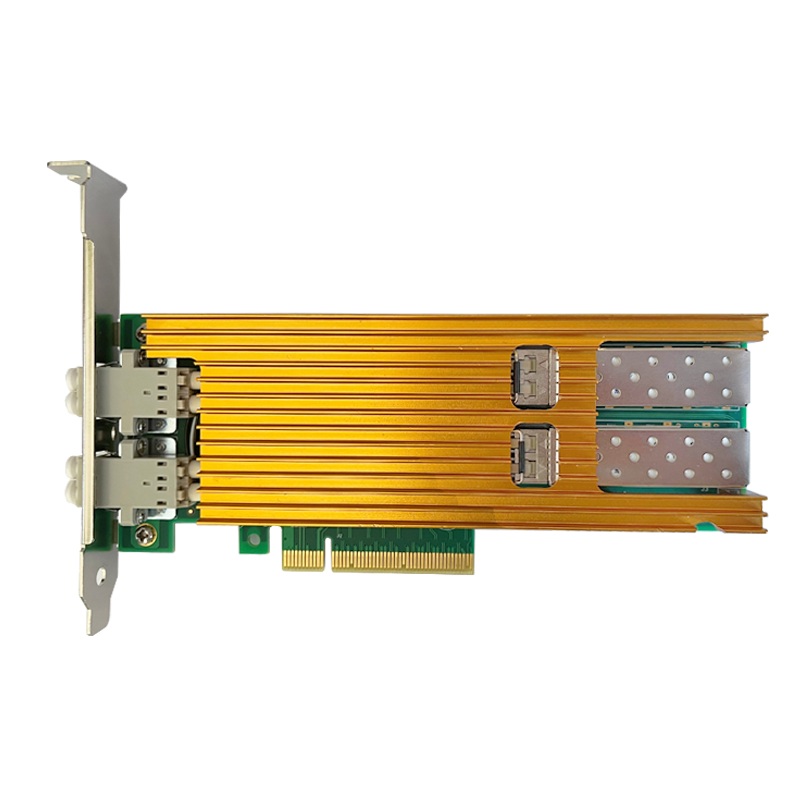
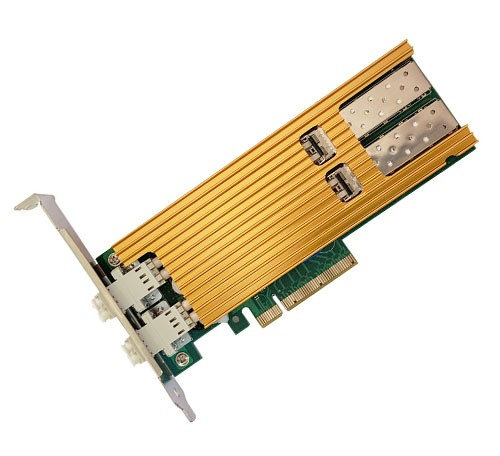
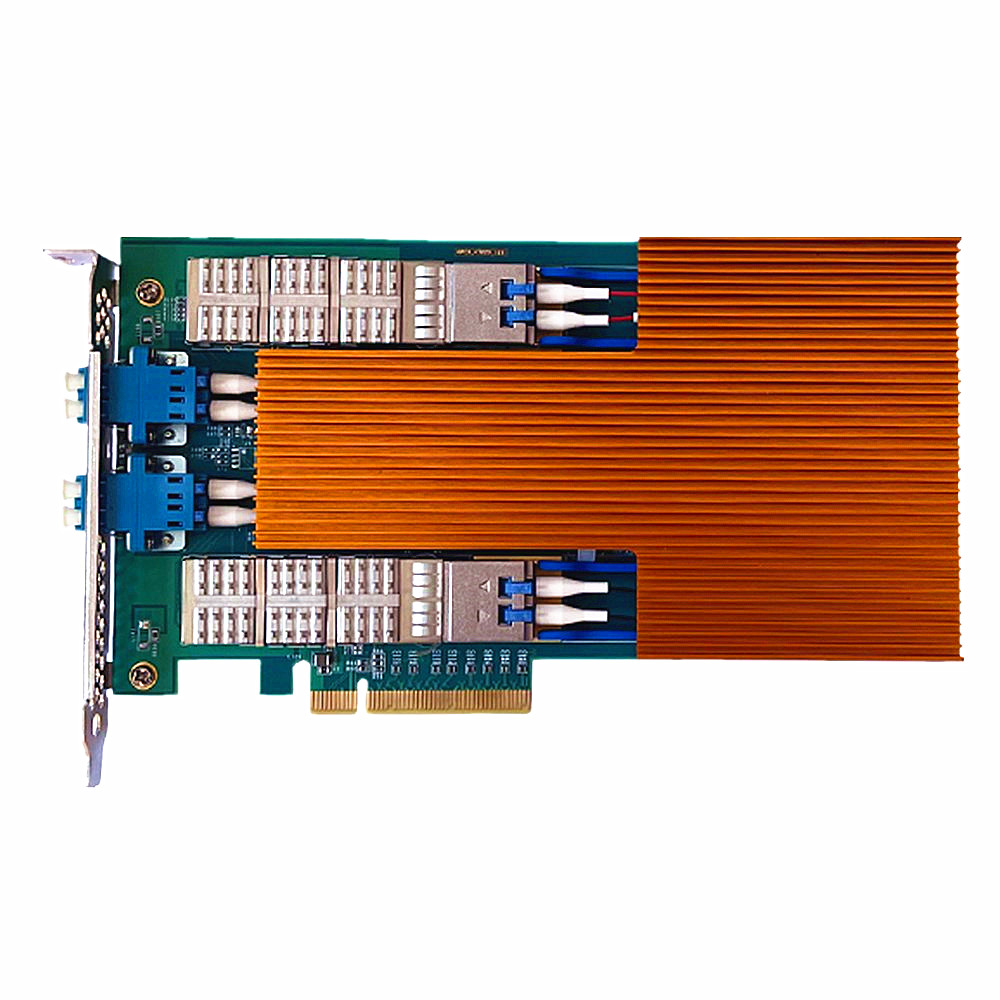
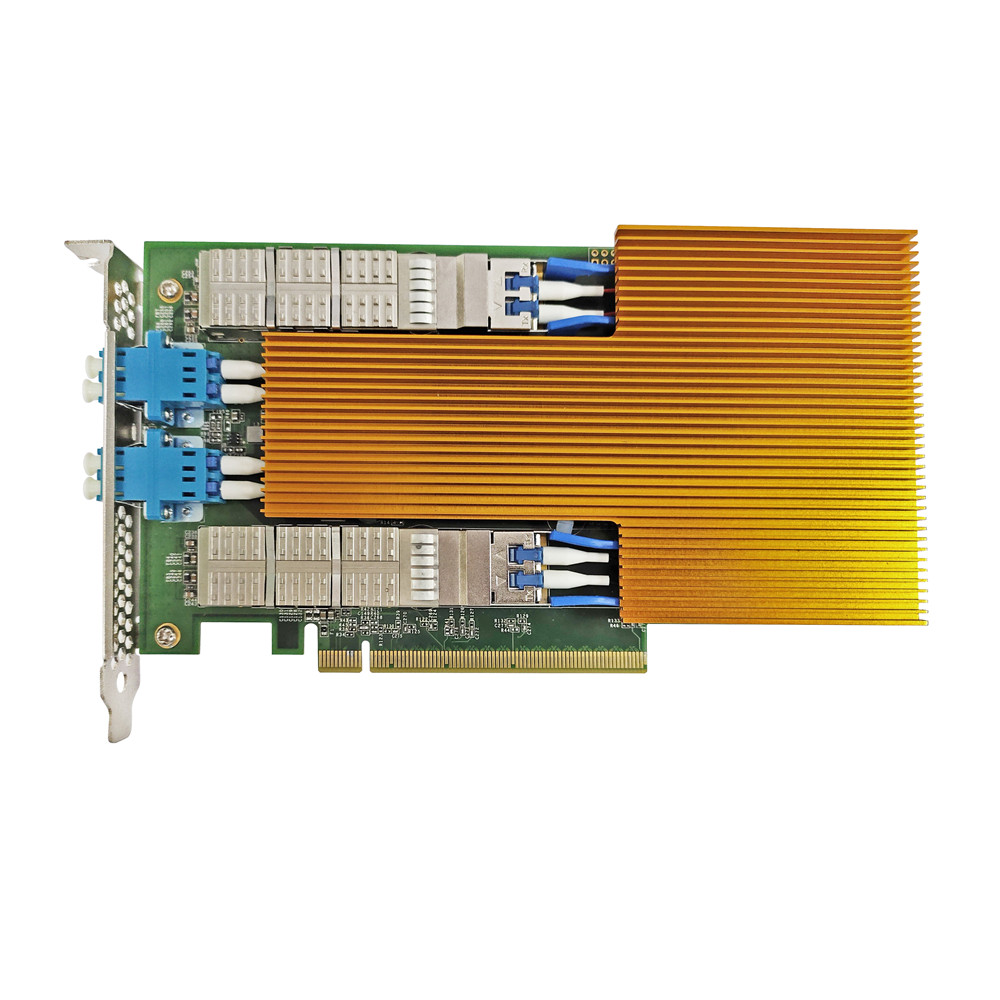
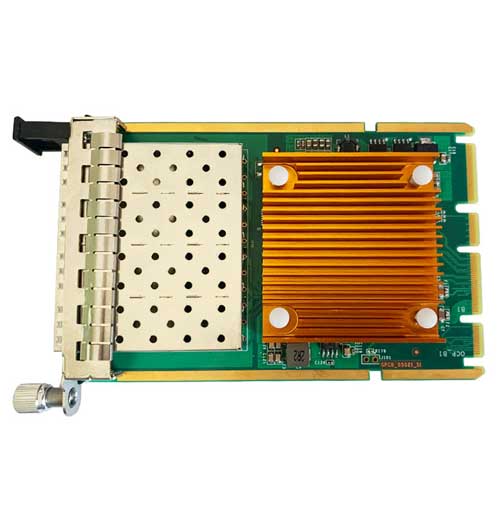
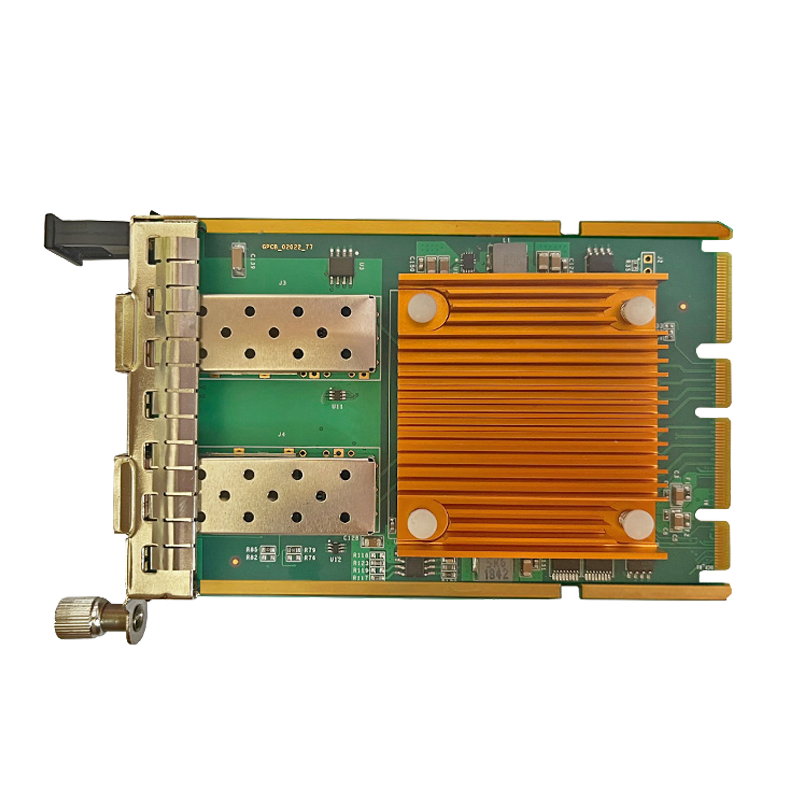
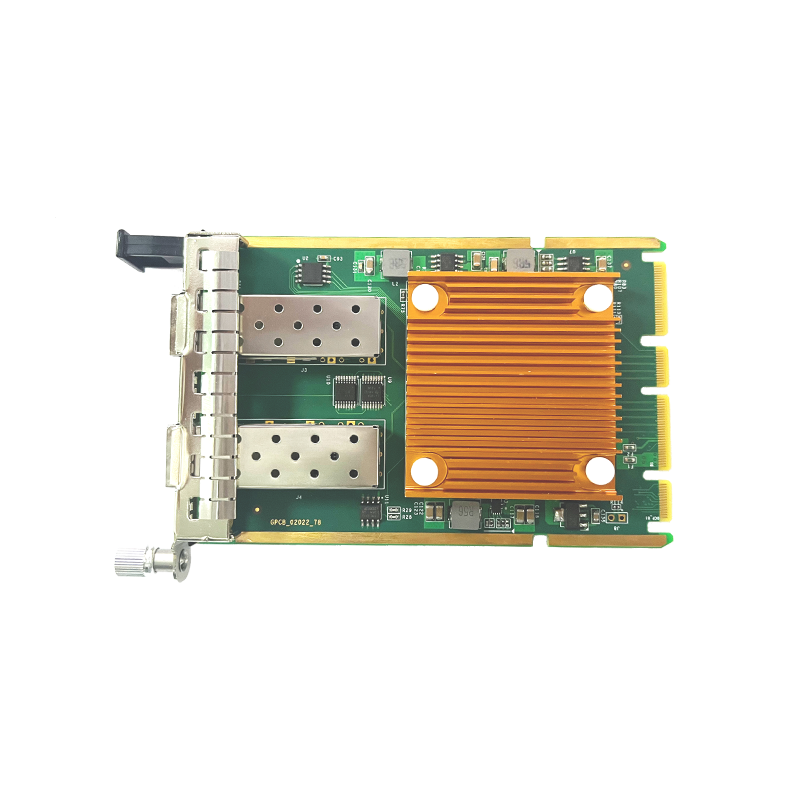
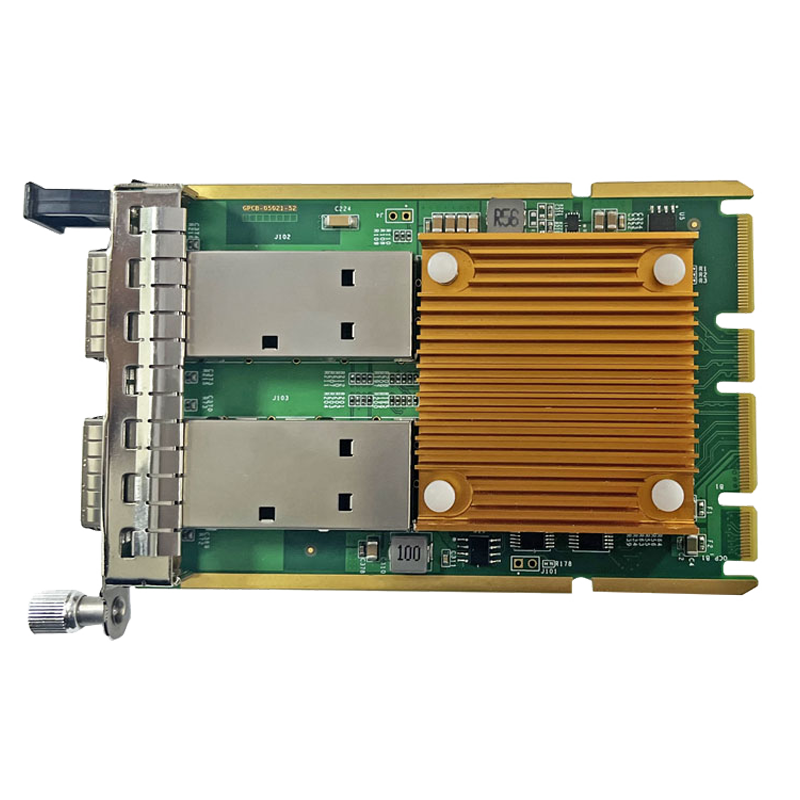
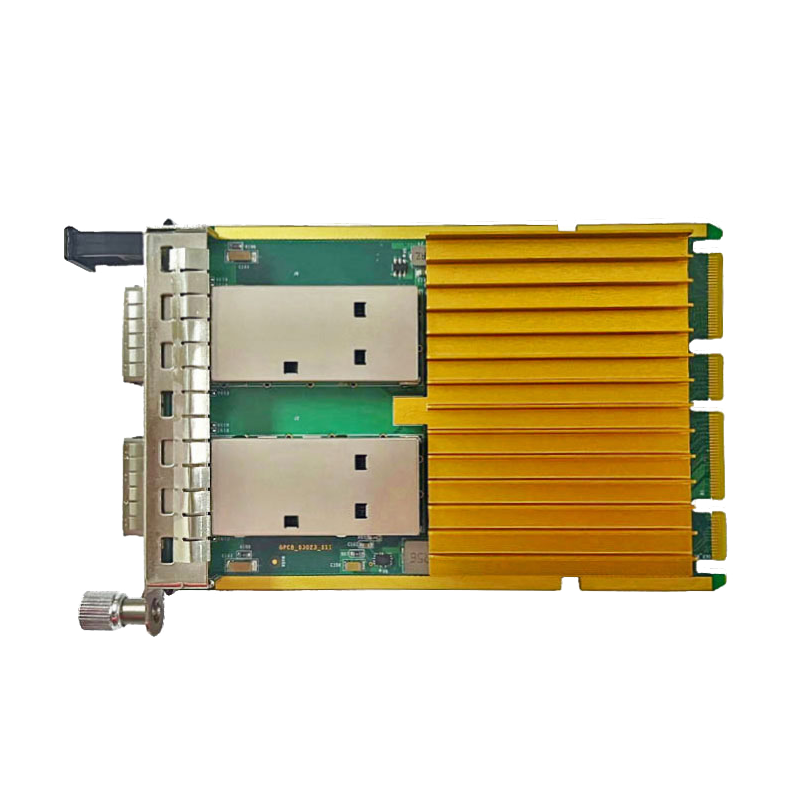
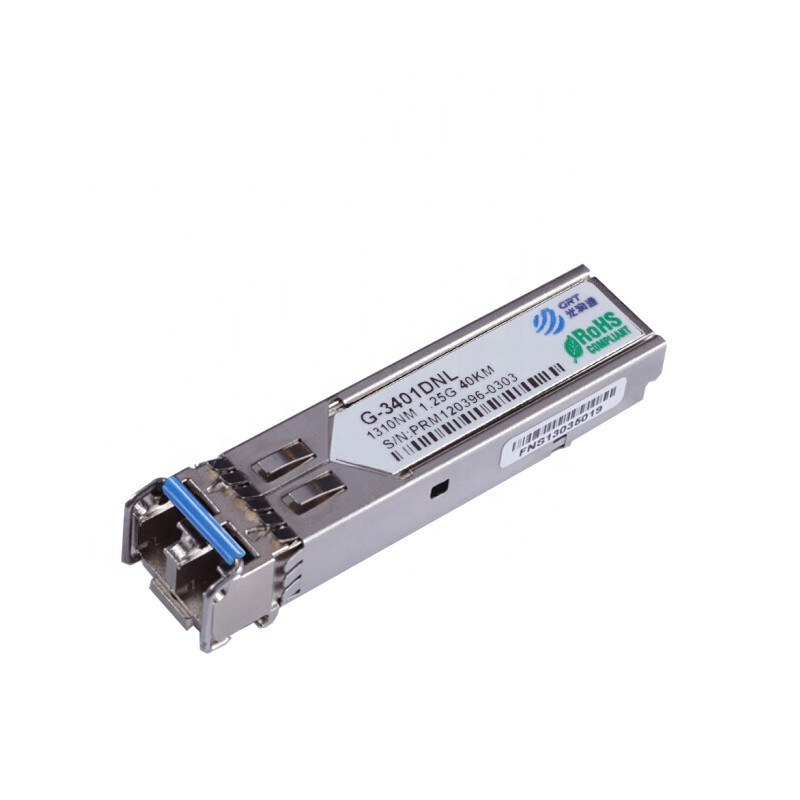
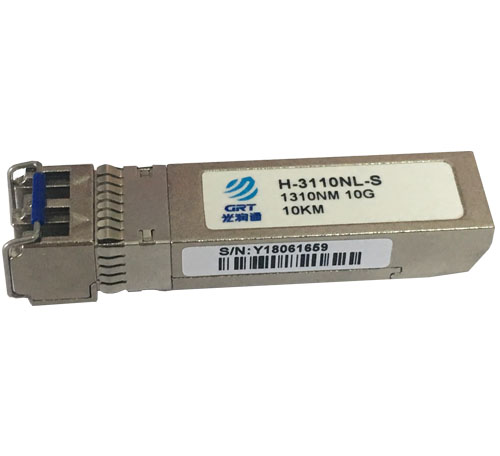
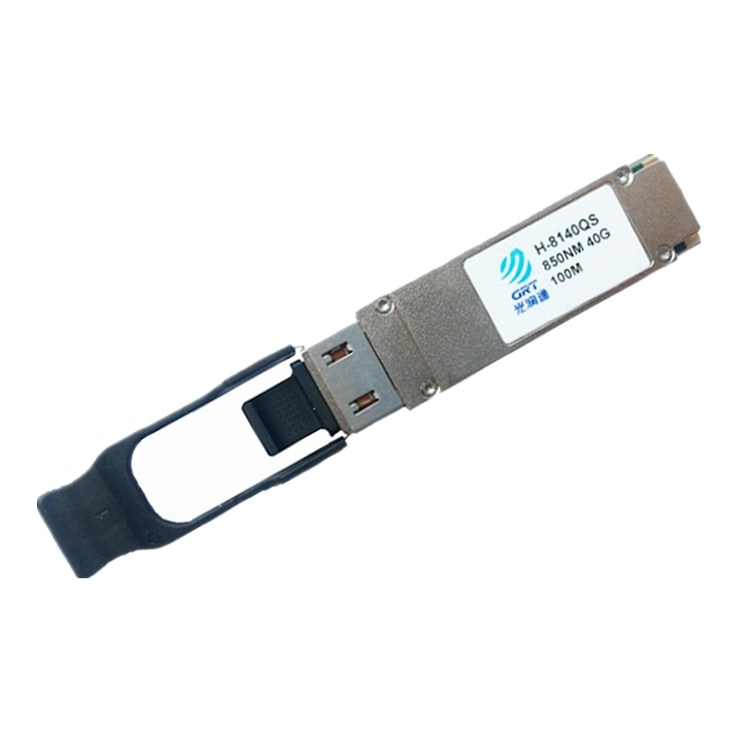
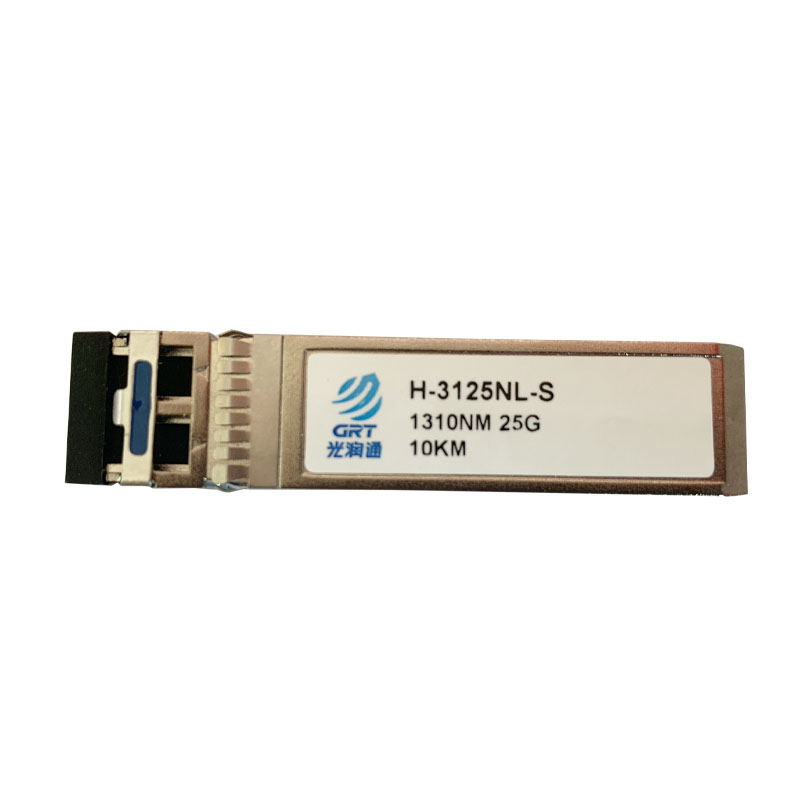
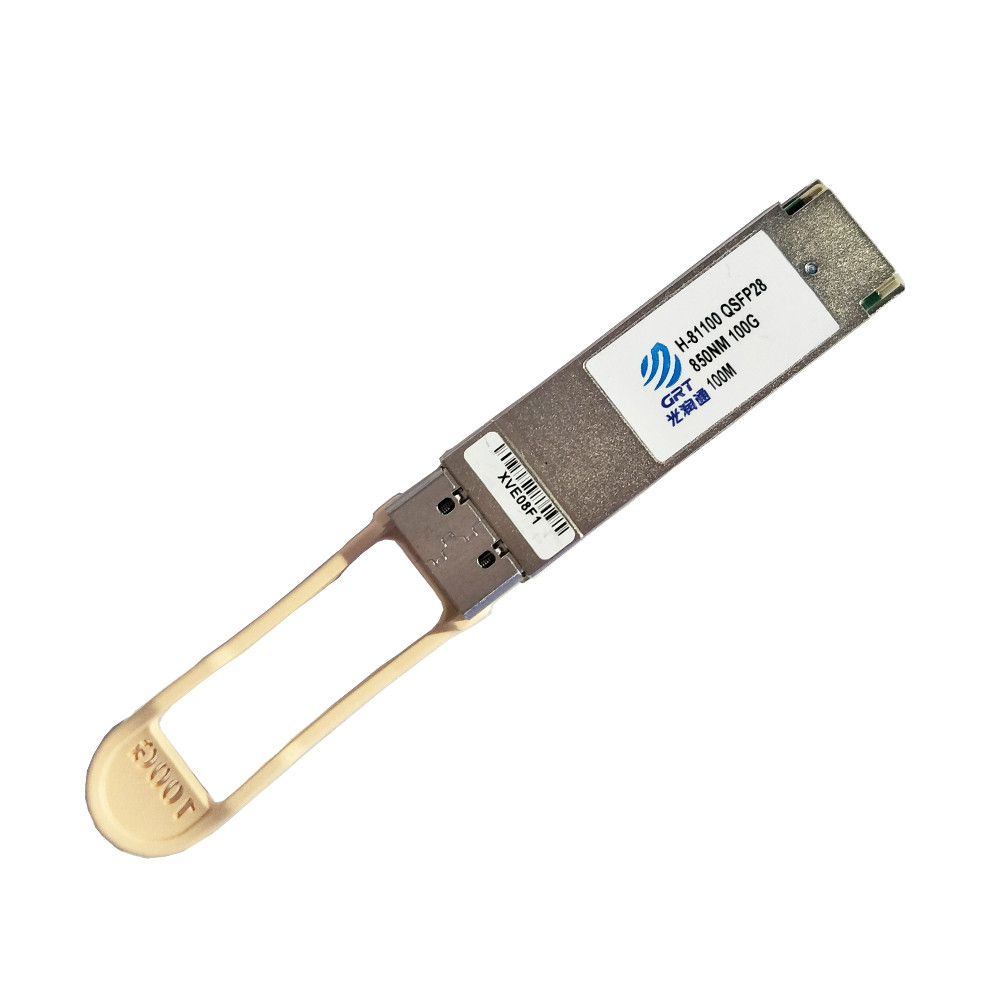
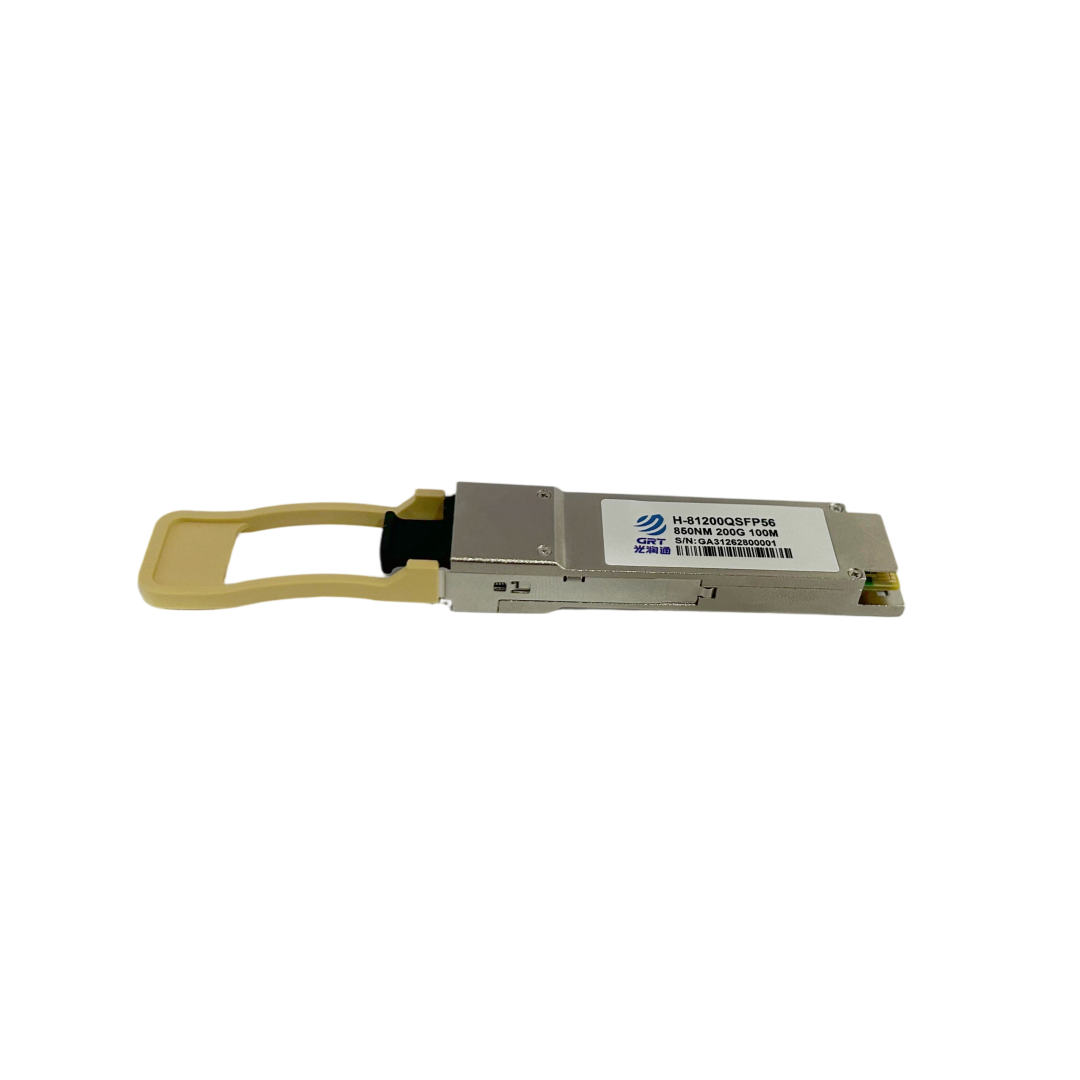
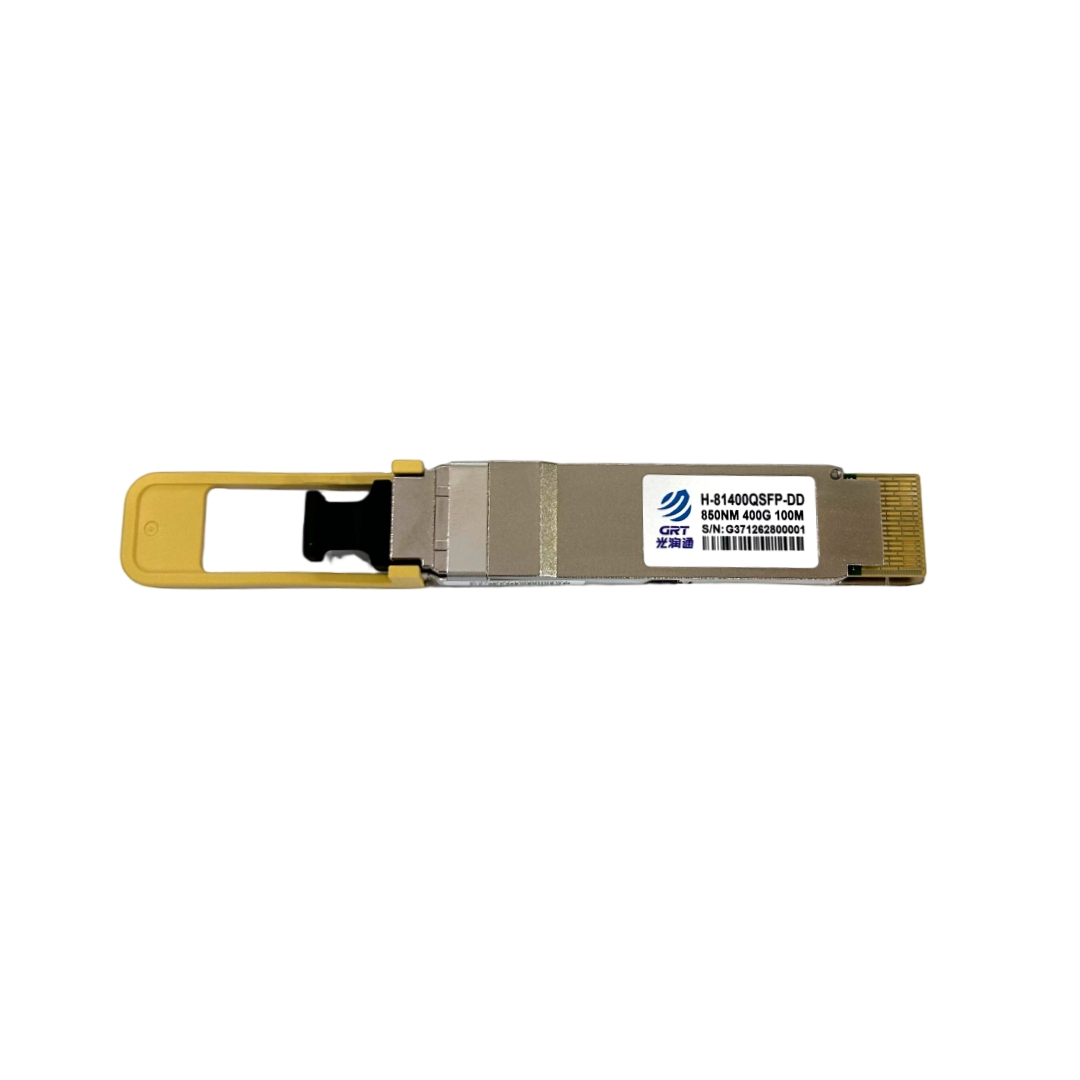
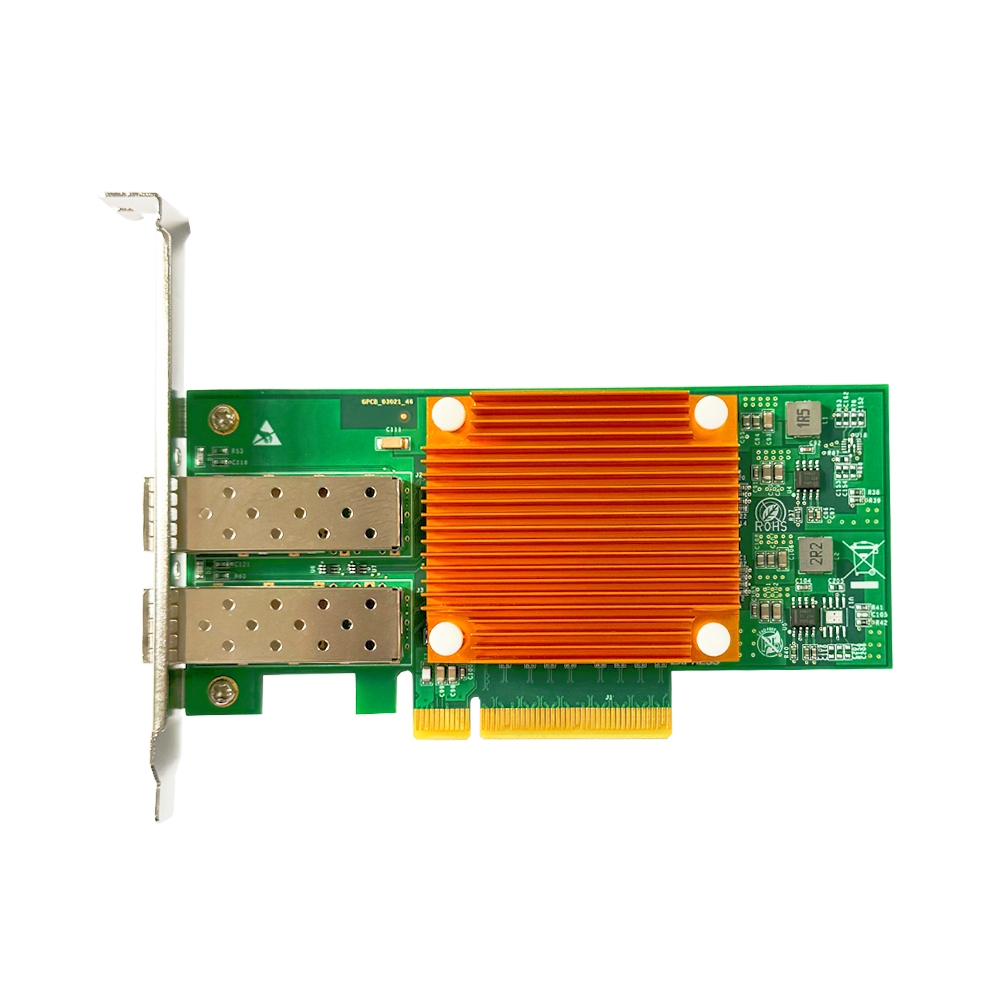
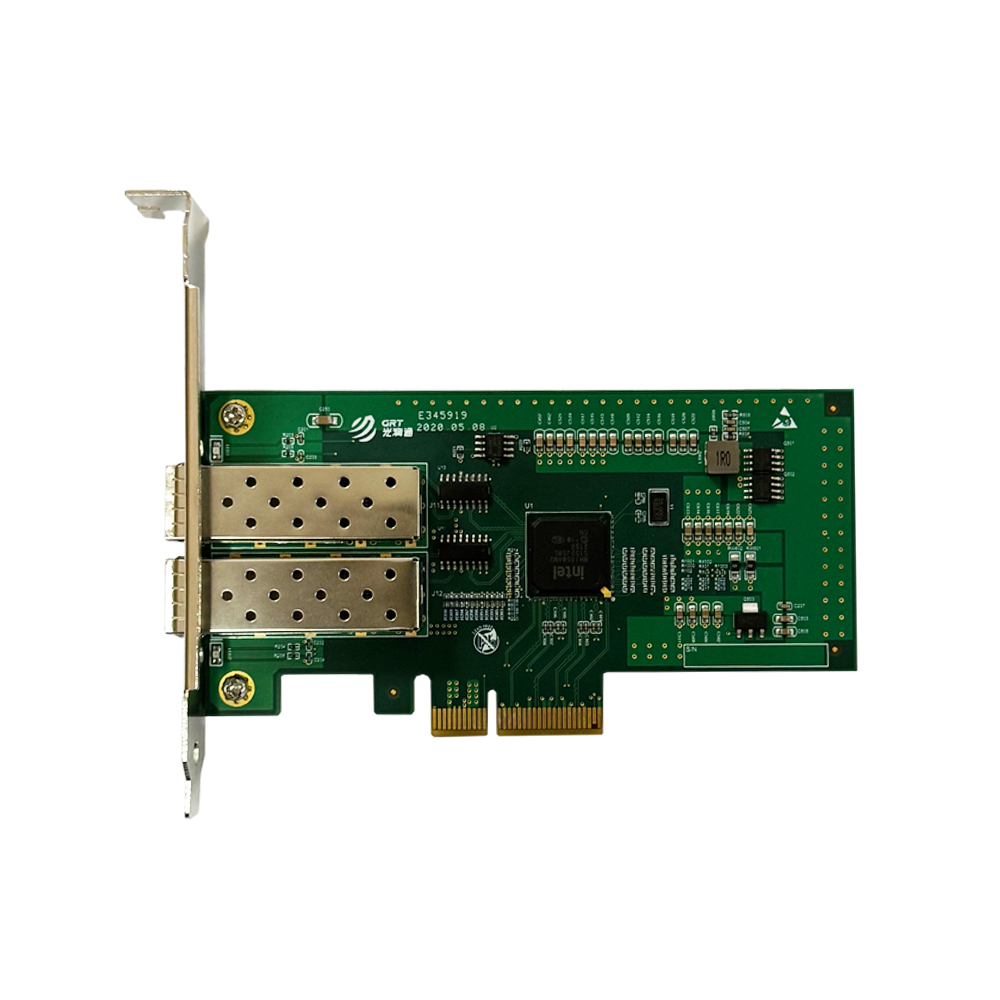
Fiber‑port NICs adopt optical fiber as transmission medium and complete photoelectric conversion with optical transceivers. Optical fiber features long transmission distance and strong anti‑electromagnetic‑interference capability. Inside data centers, the distance between servers and switches may range from several meters to hundreds of meters. Multi‑mode fiber with corresponding transceivers supports 300‑400‑meter transmission; single‑mode fiber reaches several kilometers or farther, suitable for campus networks or data‑center interconnection.
Besides, optical fiber is non‑conductive and immune to electromagnetic interference, delivering prominent performance in industrial sites or high‑radiation areas. Fiber NICs also feature relatively low power consumption; especially with the development of silicon photonics, power draw of high‑speed optical modules keeps decreasing.
Core Advantages of Copper NIC: Short‑range Use & Easy Deployment
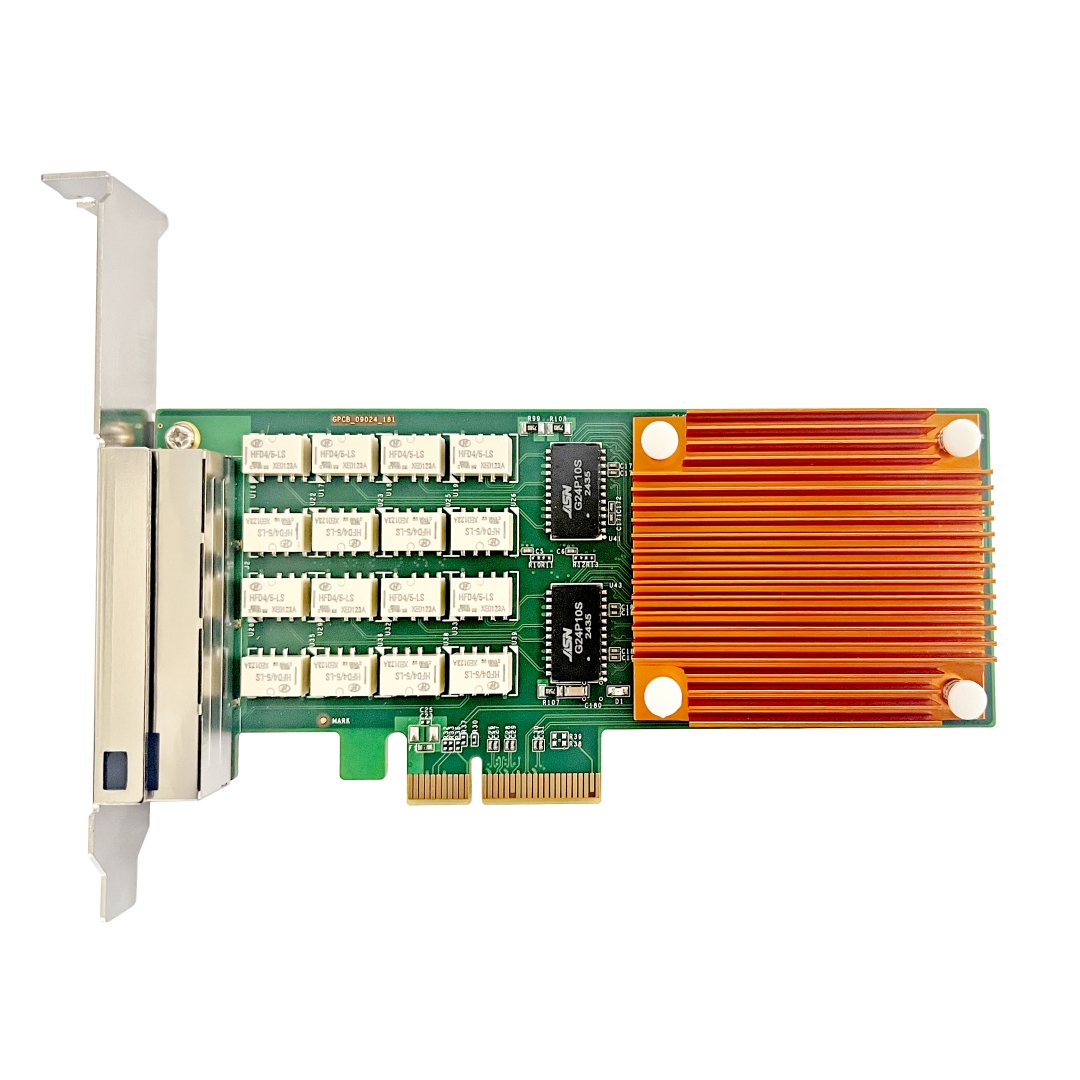
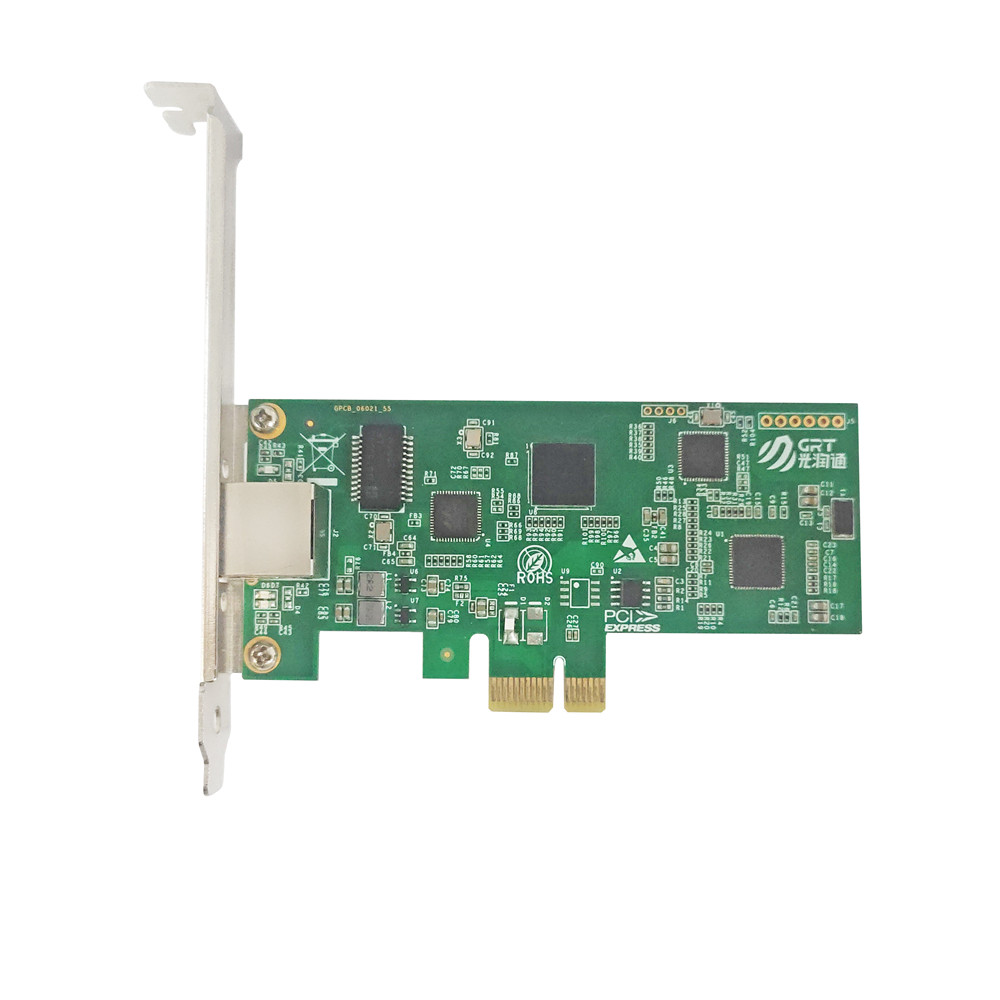
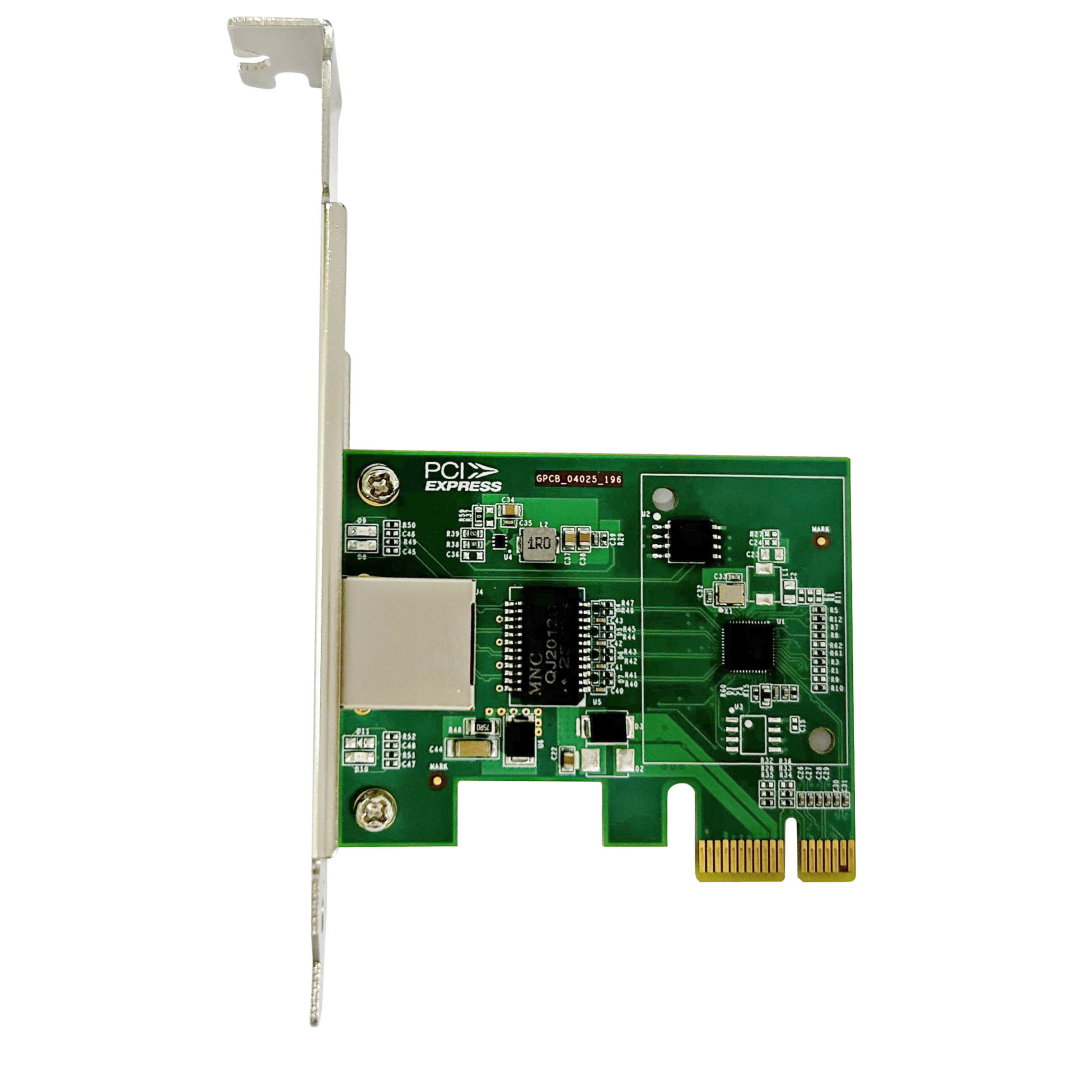
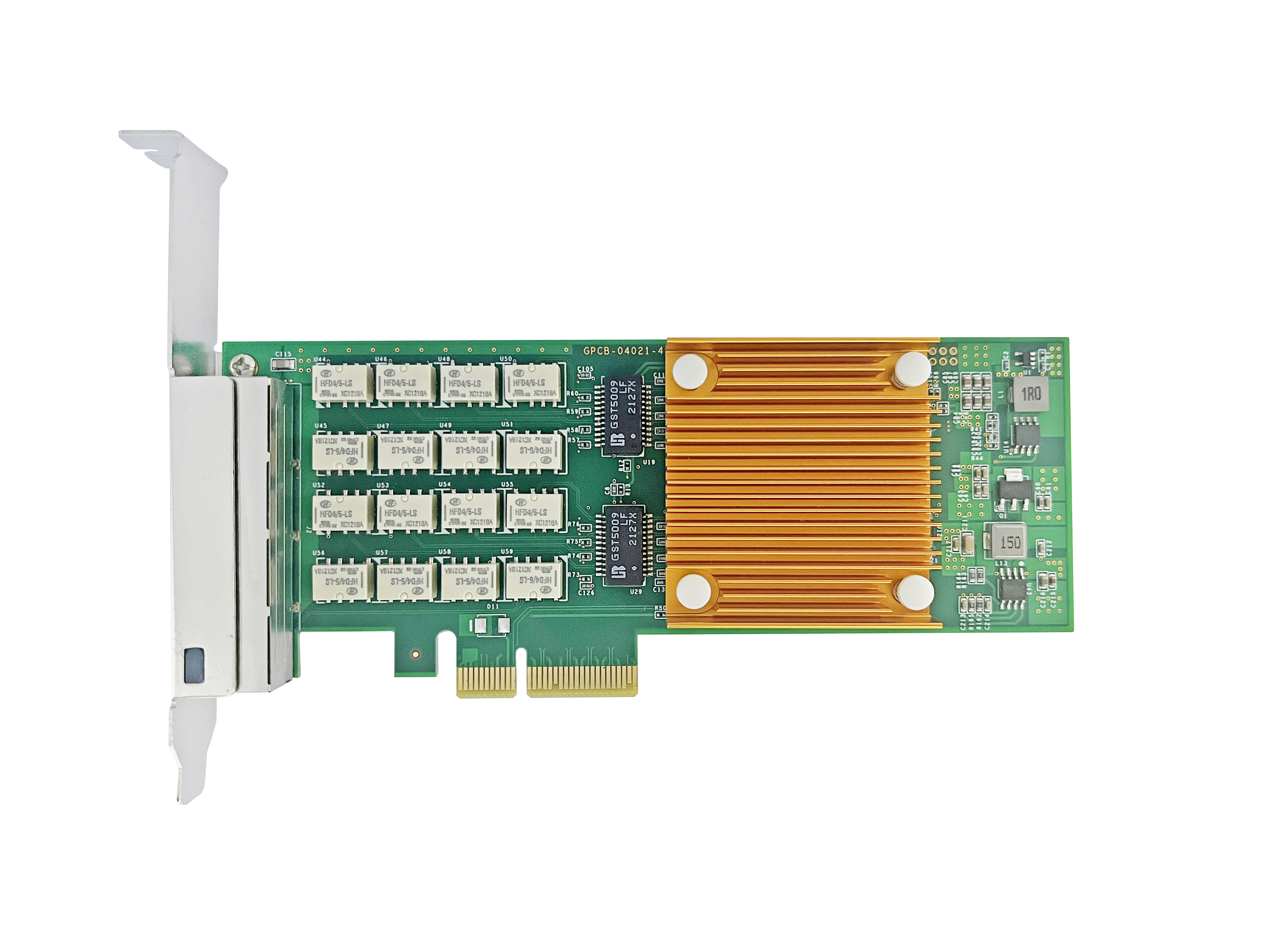
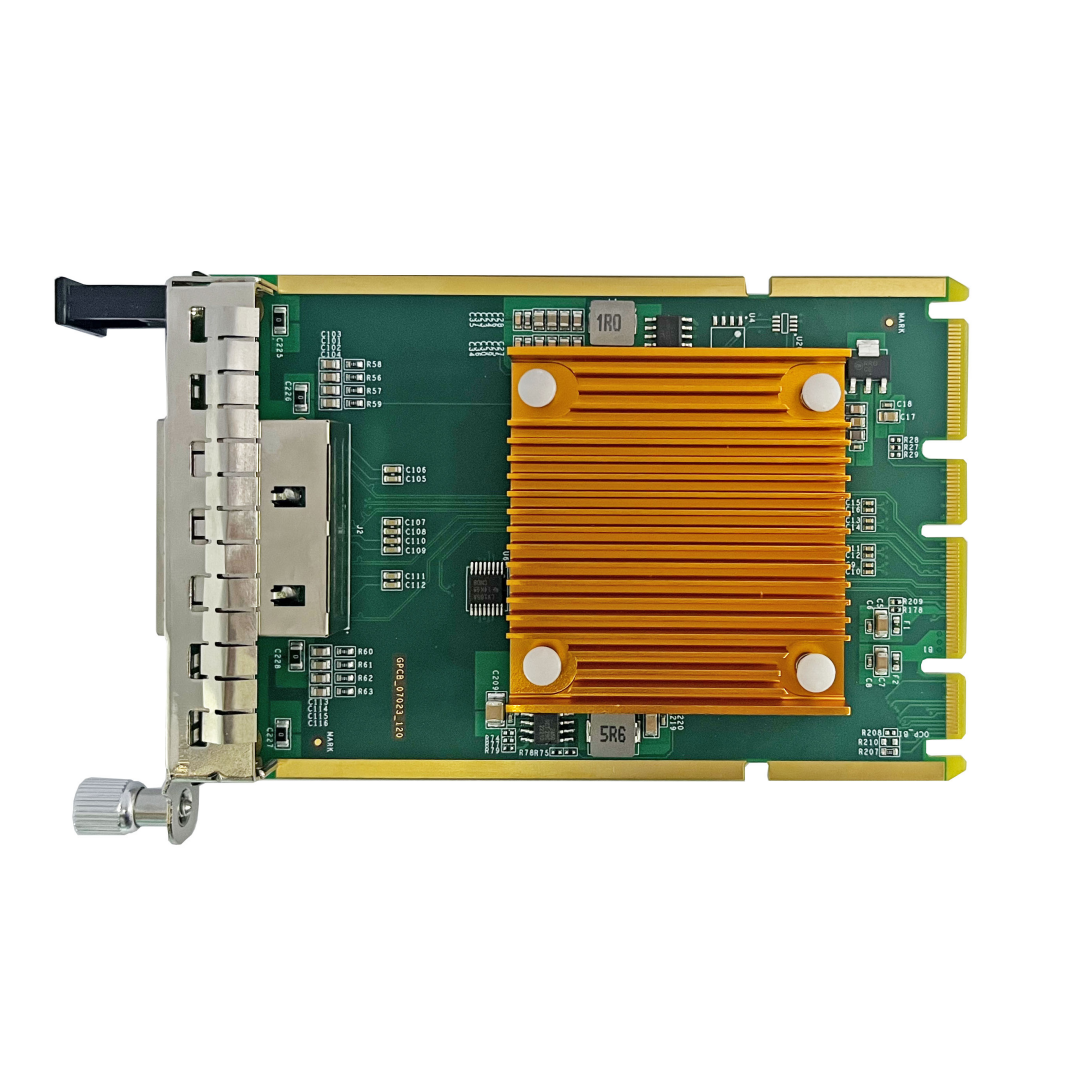
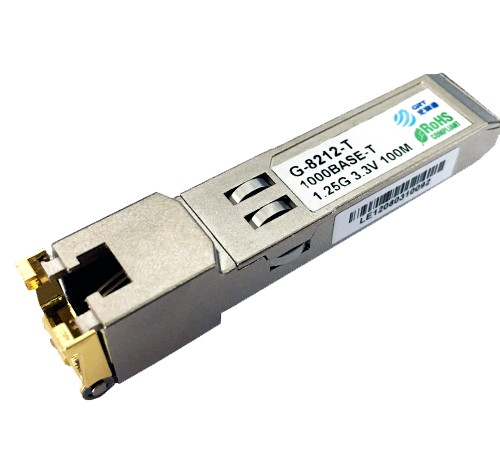
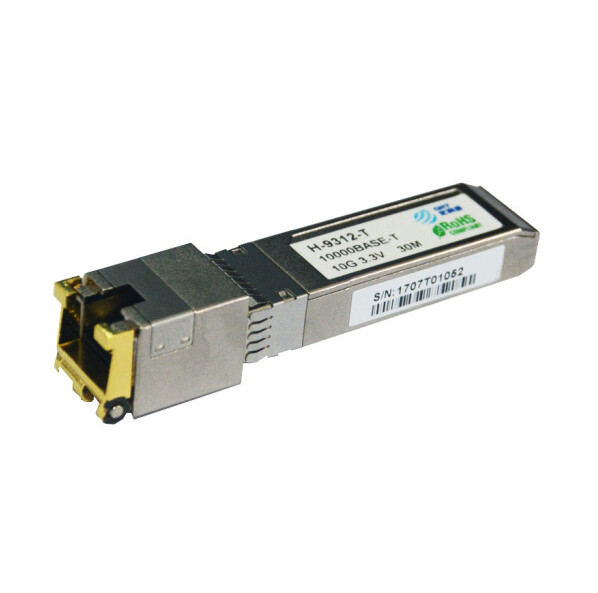
Copper‑port NICs take copper cables (mostly twisted‑pair cables) as medium with RJ45 interfaces compatible with common network sockets. Their major merit lies in convenient deployment. Inside cabinets, servers connect to TOR switches within several meters. Pre‑fabricated copper jumpers finish connection without concerning fiber bend radius or end‑face cleaning.
For legacy computer rooms with existing copper cabling, copper NICs reuse original lines without new fiber laying. Cost is another strength: for short‑distance scenarios, total expenses of copper‑based solutions are generally lower than fiber options.
Selection Suggestion: Transmission Distance Acts as Key Factor
In real‑world deployment, transmission distance is the top consideration. When the distance between server and switch exceeds copper cable limits (10G copper normally around 30 meters), fiber‑port NICs are mandatory. Copper‑port NICs are more practical for short‑distance links with existing copper infrastructure.
Mixed deployment is widely adopted: core business servers deploy fiber NICs for stable long‑haul transmission; management ports or low‑bandwidth devices apply copper NICs to cut overall costs.
Whichever interface you pick, guarantee interface compatibility between NIC and switch, or deploy media converters for adaptation to avoid connection failures caused by mismatched ports.
Guangruntong (GRT): Balanced Layout of Fiber & Copper Products
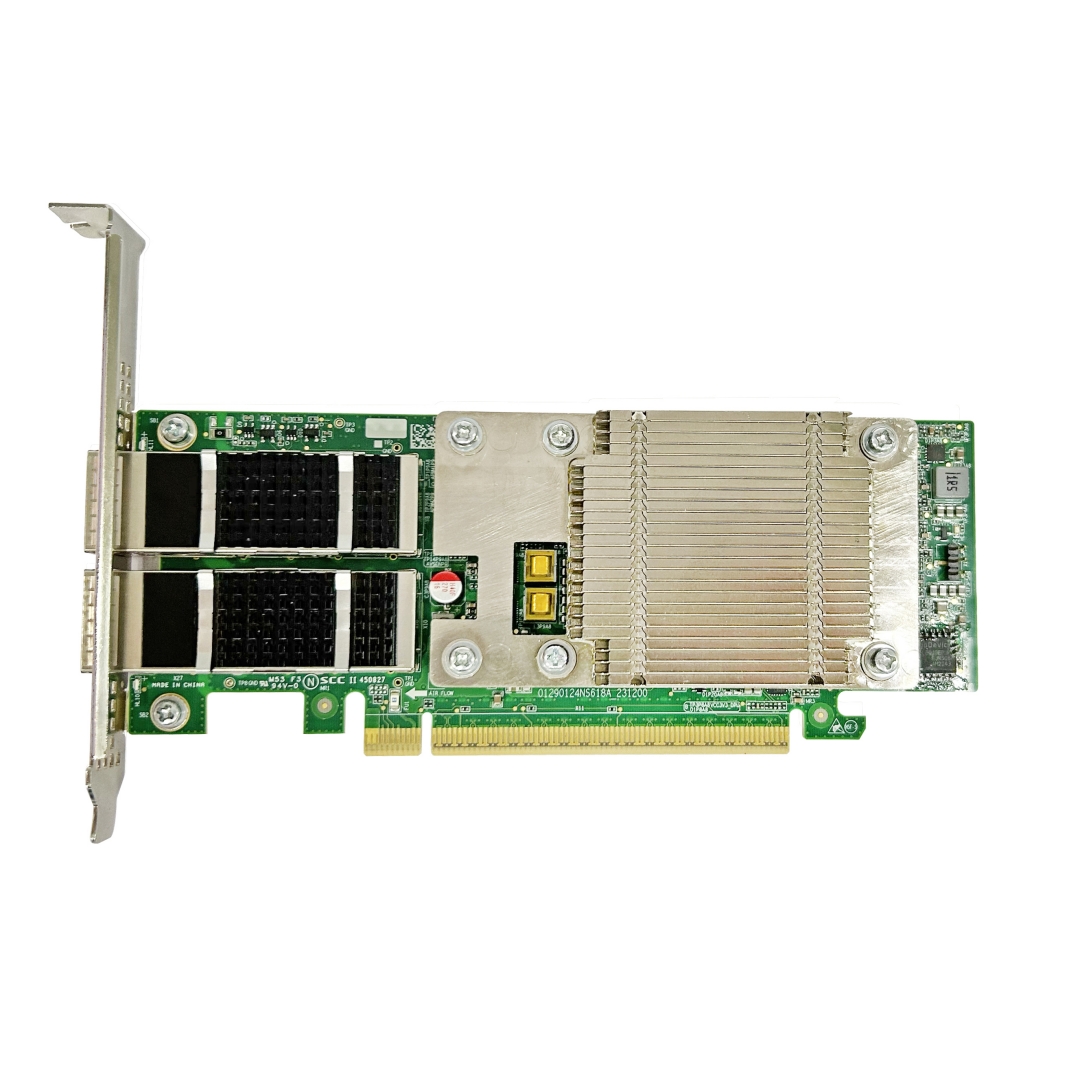
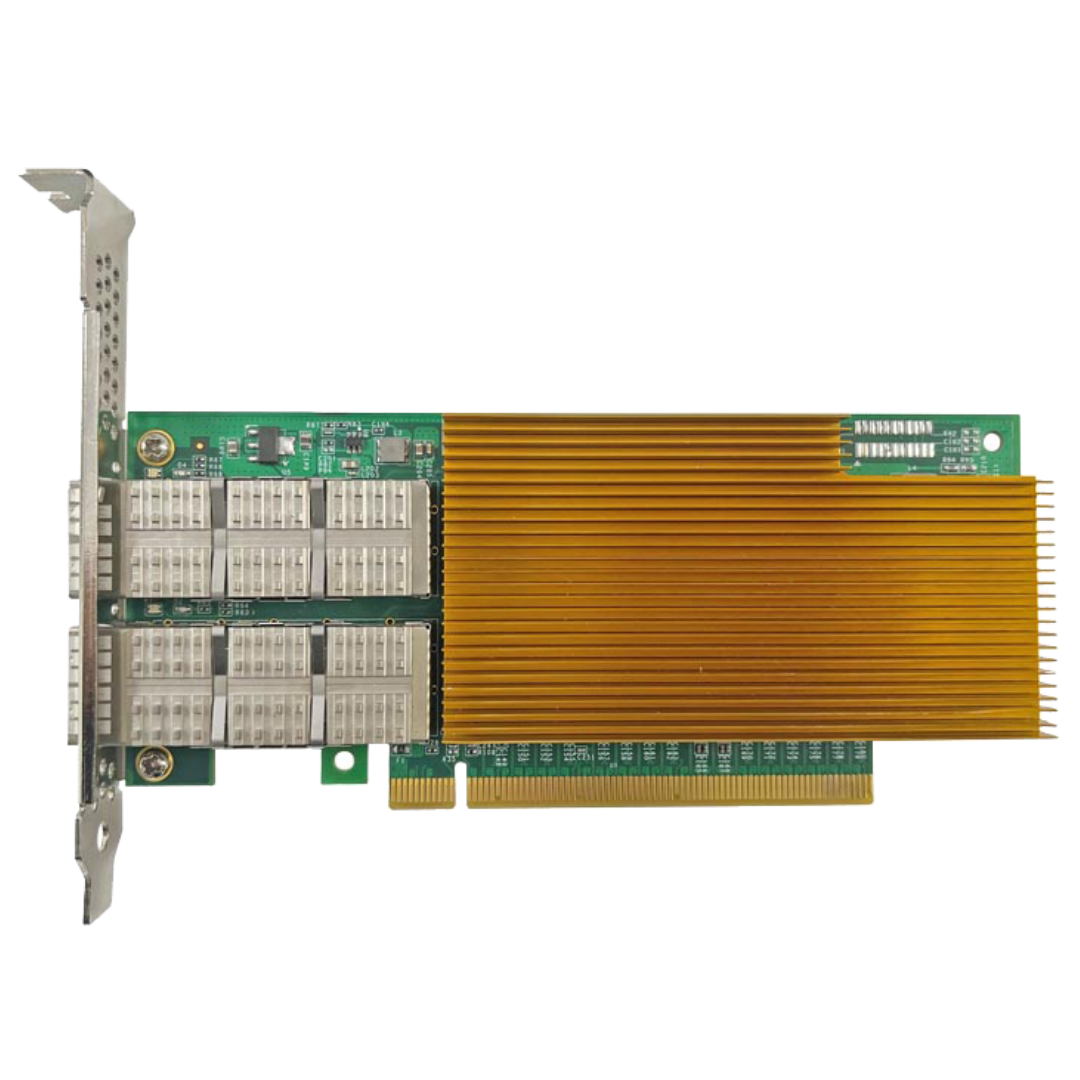
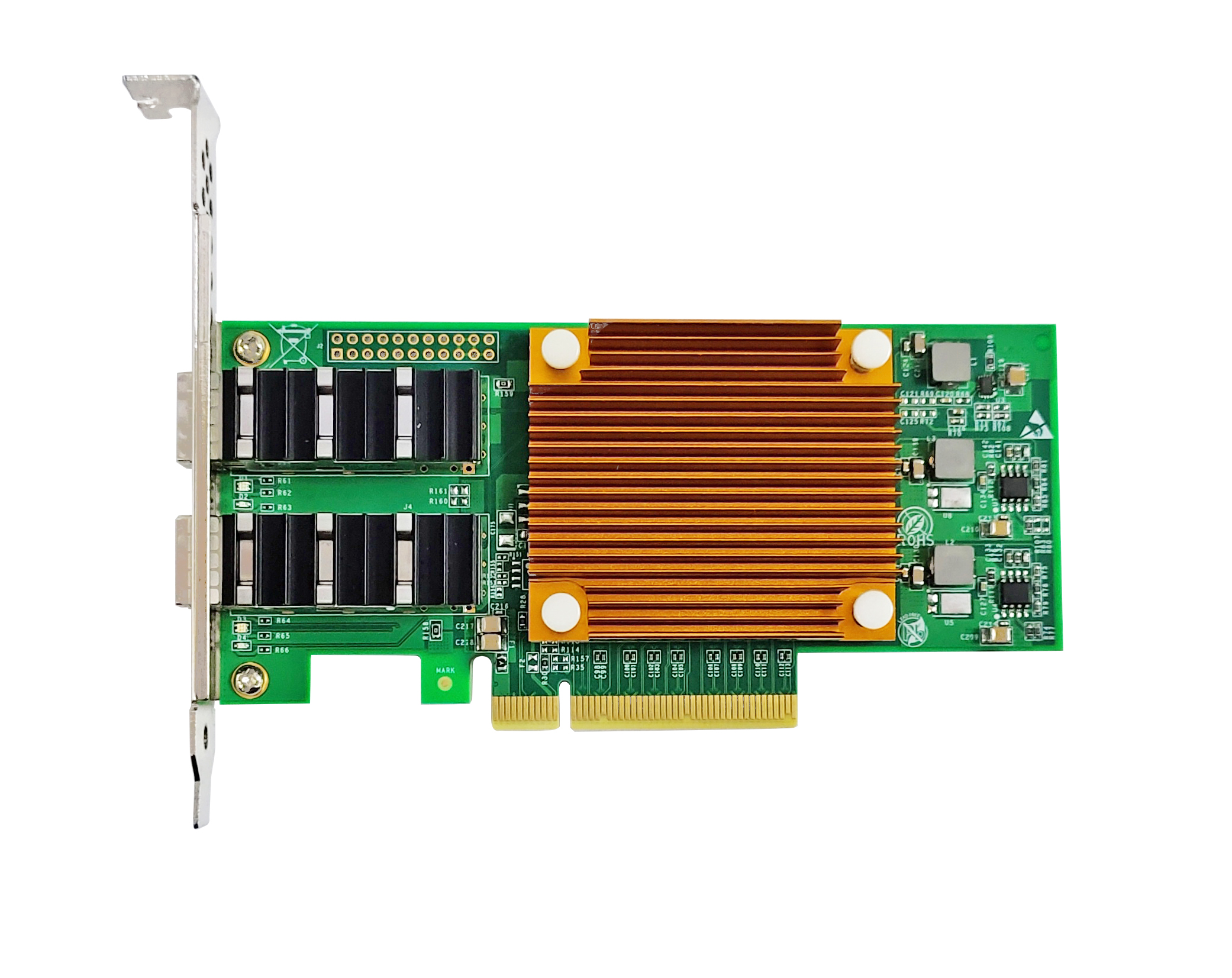
As a domestic manufacturer specialized in fiber network adapters, Guangruntong (GRT) fully recognizes differentiated interface demands from diverse scenarios. GRT supplies both fiber‑port and copper‑port NICs covering Gigabit, 10‑Gigabit and higher speeds, covering cabinet interconnection over short ranges and long‑distance fiber transmission. GRT delivers matching network connectivity solutions for newly‑built all‑fiber data centers and legacy‑room renovation reusing existing copper cabling.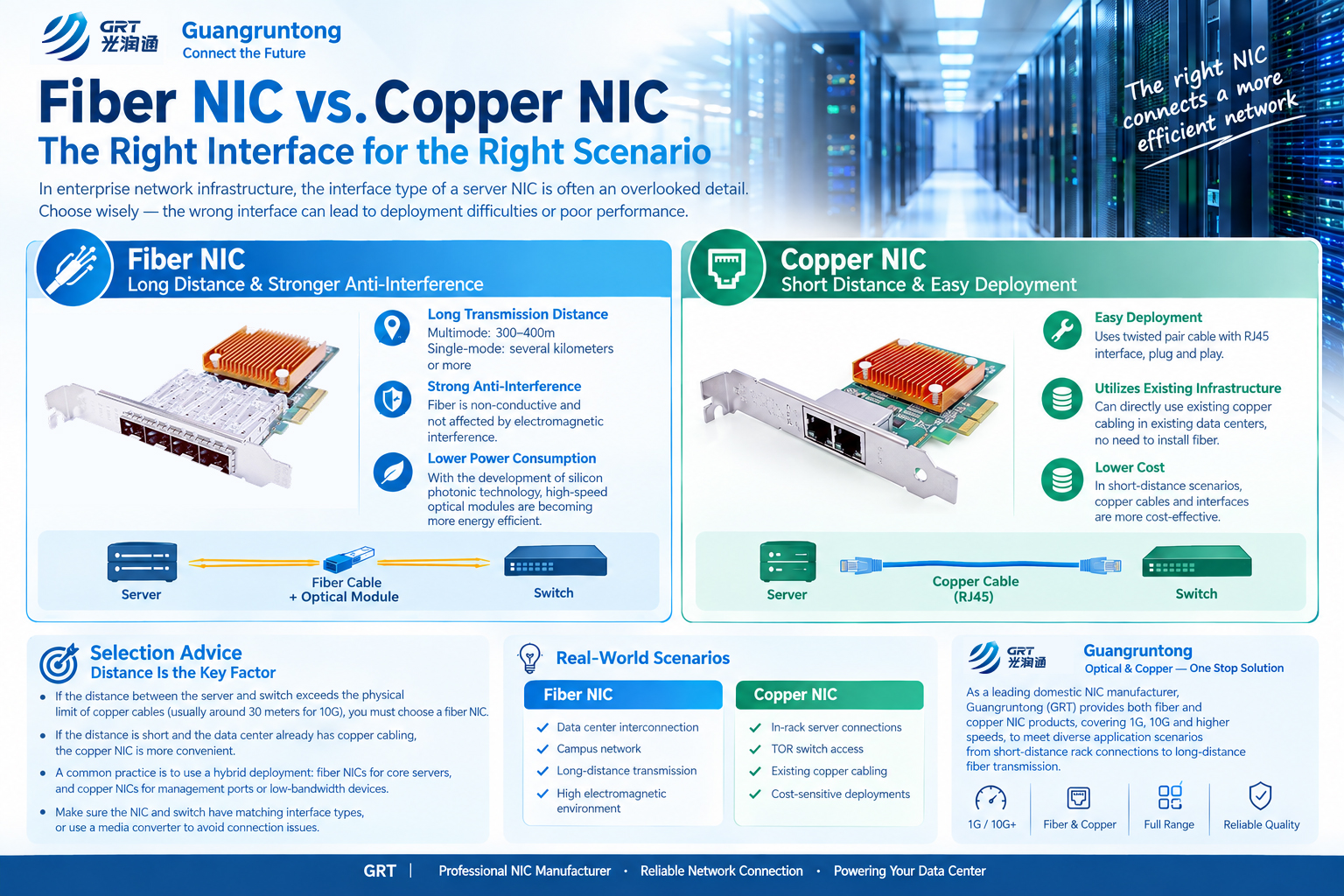
Latest information
- NAS Storage Network Upgrade Guide
- Why Does Upgrading Your NAS to 2.5GbE Not Improve Network Speed?
- What Is an OCP 3.0 Network Card?
- The King of Cost-Effective 25G NIC: In-Depth Analysis of Guangruntong (GRT) GH2502EM-V4.1
- The Hidden Relationship Between NIC Heat Dissipation and Data Center Cabinet Layout
- Why are serpentine traces designed on the NIC PCB board
- NIC and Operating System Ecosystem Adaptation: From Hardware Compatibility to Win-Win Performance
- NIC Hardware Offload Technology: Let Server CPU Focus on Business Computing