Sign in


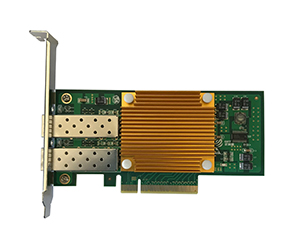
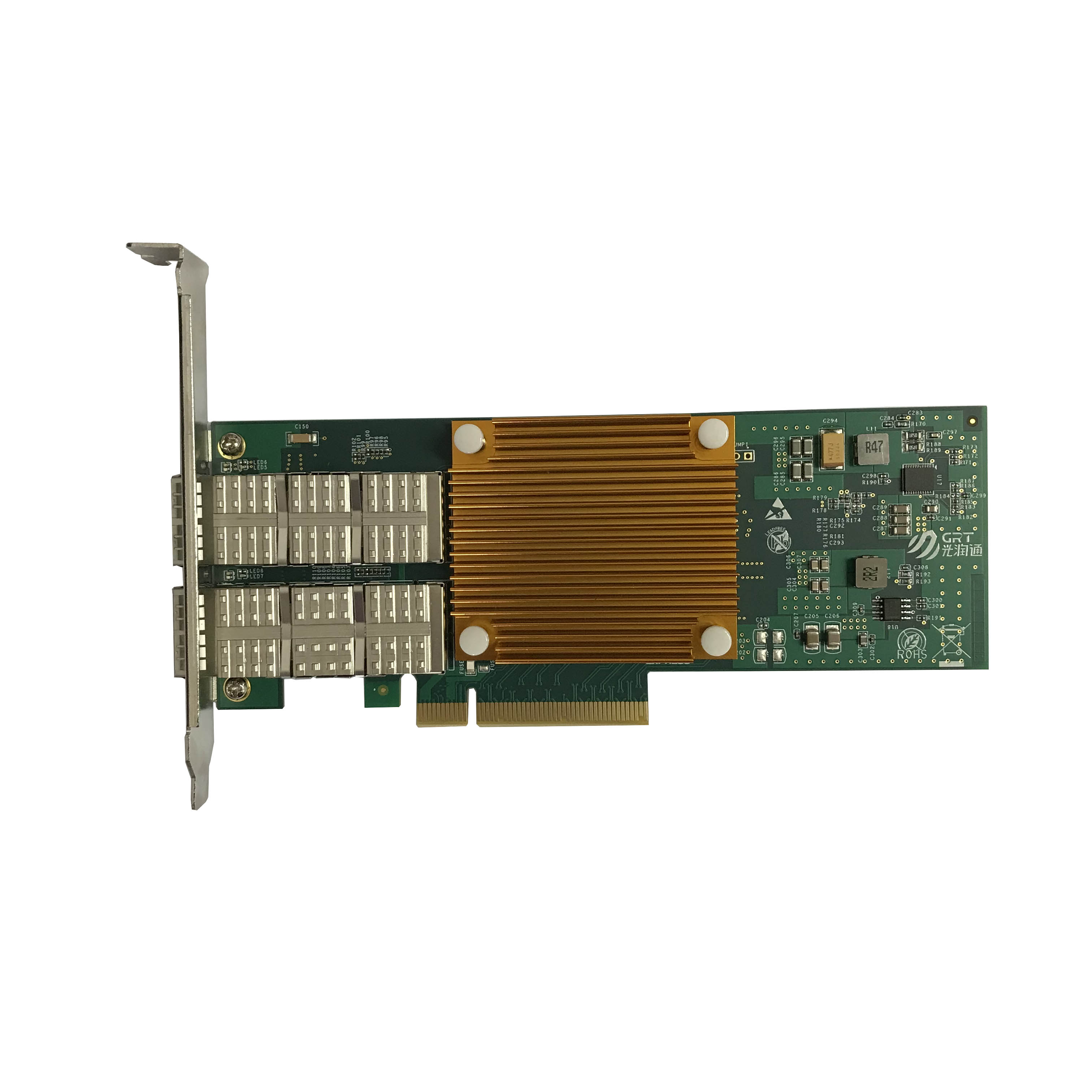
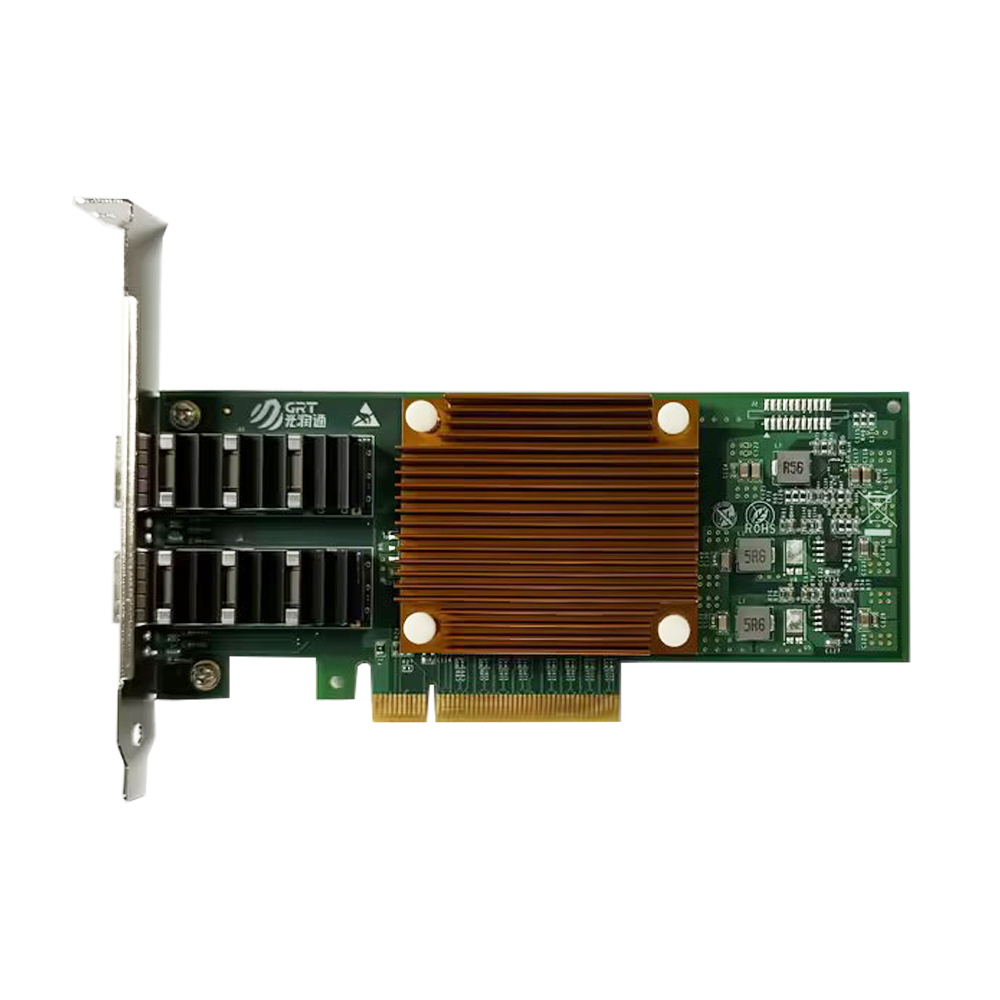
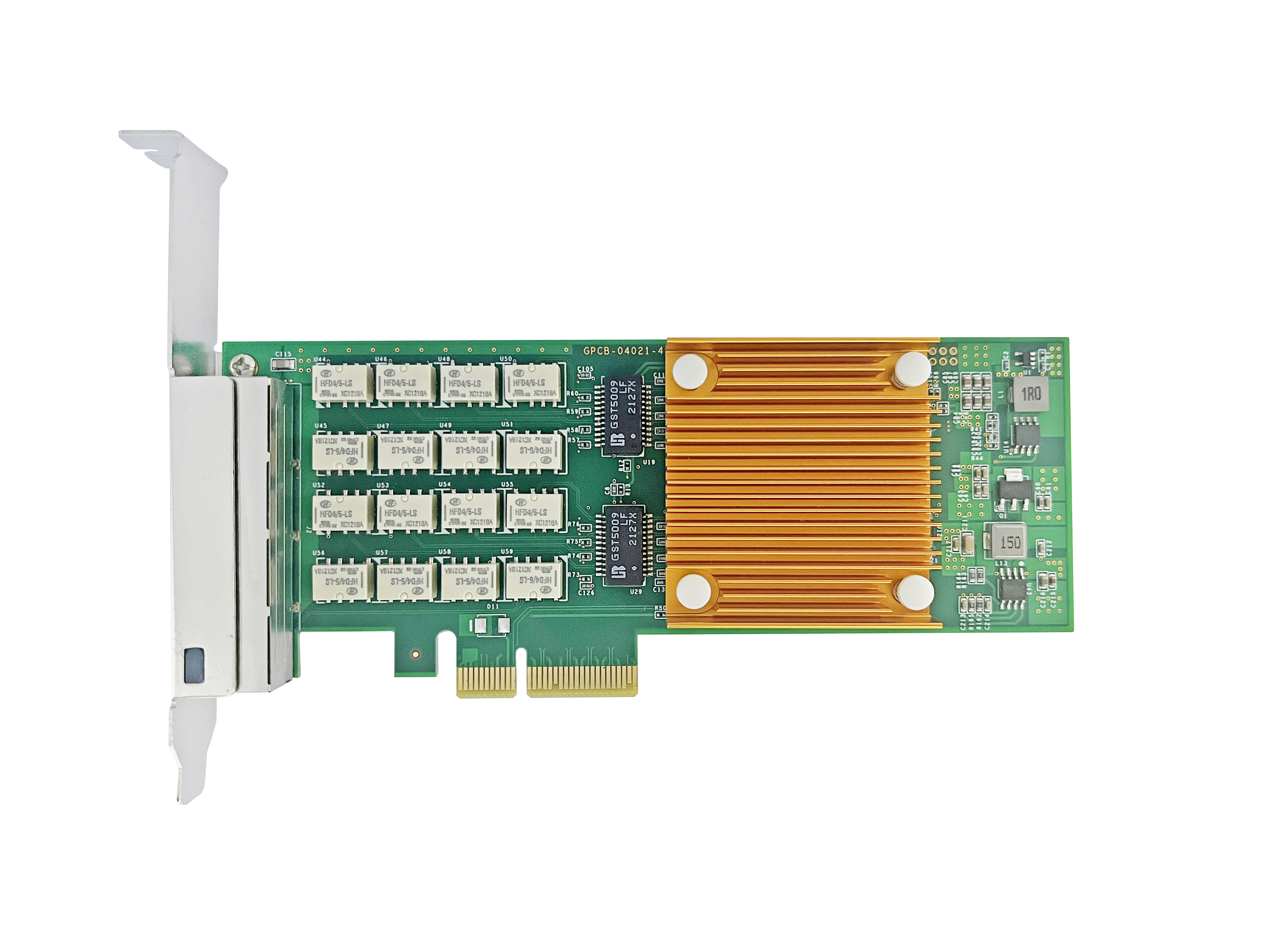

How Bypass NIC Ensures Uninterrupted Network When Server Power Fails
< BackIn network security equipment such as firewalls, intrusion detection systems and traffic audit devices, there is a common design requirement: even if the device itself loses power or crashes, network traffic can still flow smoothly. The key hardware to realize this function is the Bypass network card. This article introduces the basic principle of Bypass technology and its application value in the field of network security.
What is the Bypass Function
Bypass literally means "shunt" or "bypass". On a network card, the Bypass function means that when the device where the network card is located is abnormal (such as power failure, system crash, hardware failure), the network card can automatically connect the two network ports directly at the physical layer, allowing data traffic to bypass the device and continue transmitting on the network.
Without the Bypass function, once a series-deployed network security device fails, the entire network link will be interrupted, causing large-scale business paralysis. With the Bypass function, the network remains connected when the device fails, winning time for operation and maintenance personnel to repair faults.
Working Principle of Bypass
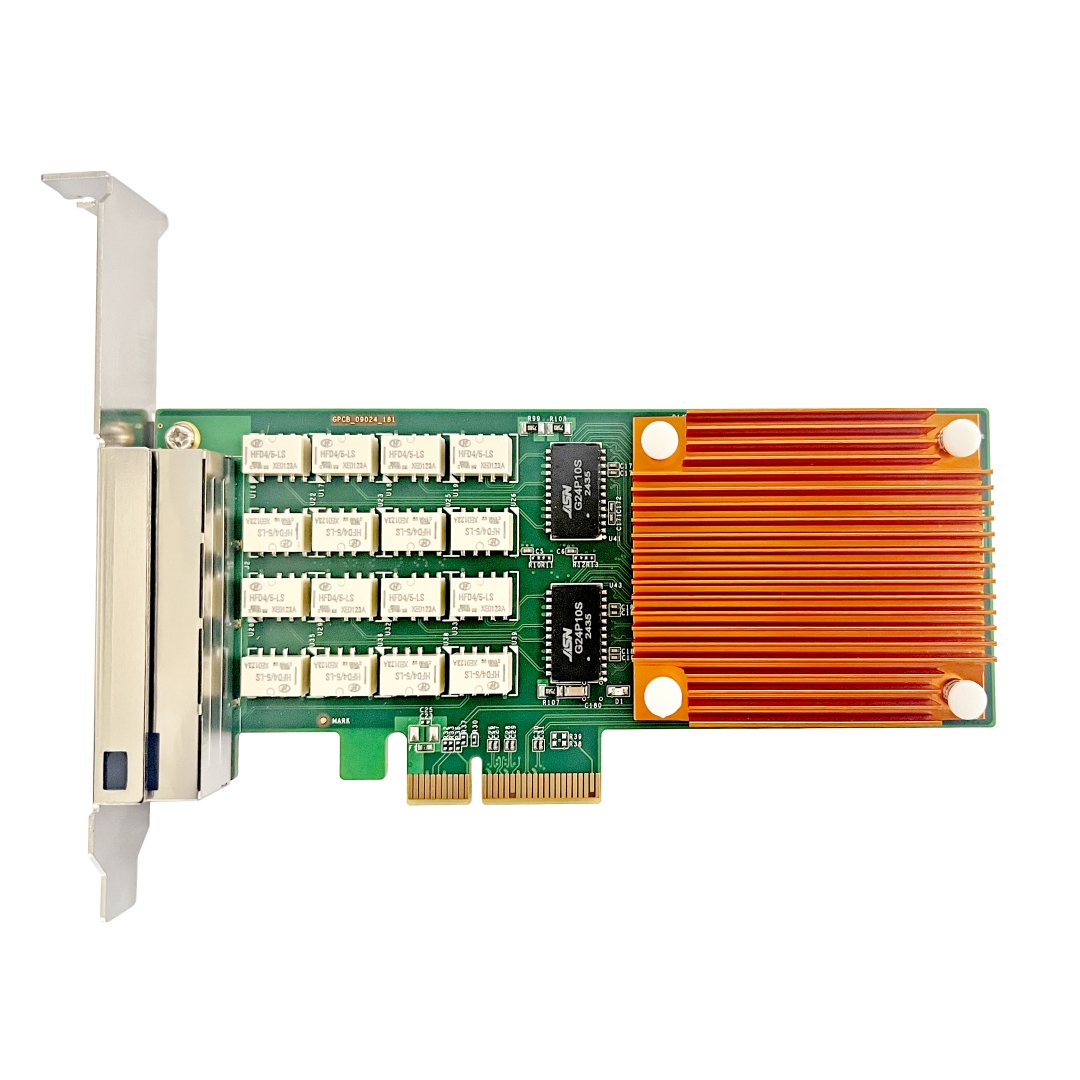
The Bypass function is usually realized by relays or electronic switches on the network card. Under normal working conditions, the relay is closed. Data enters the network card from port A, is processed by the device and then sent out from port B. When the device is powered off, the relay loses power and automatically switches to the bypass state, directly connecting port A and port B, and data no longer passes through the device for processing.
In addition to power-off triggering, Bypass can also be controlled by software. When the operating system detects an abnormality in the network card driver or application crash, it can actively send instructions to the network card to force it into the Bypass state. This software Bypass mechanism provides the system with more flexible fault response capability.
Typical Application Scenarios of Bypass NIC
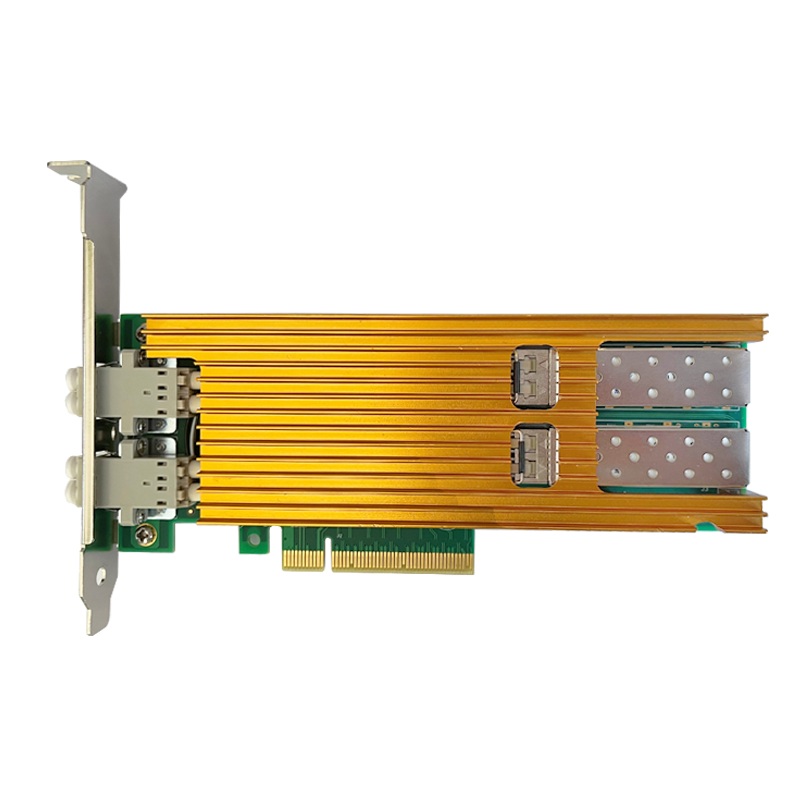
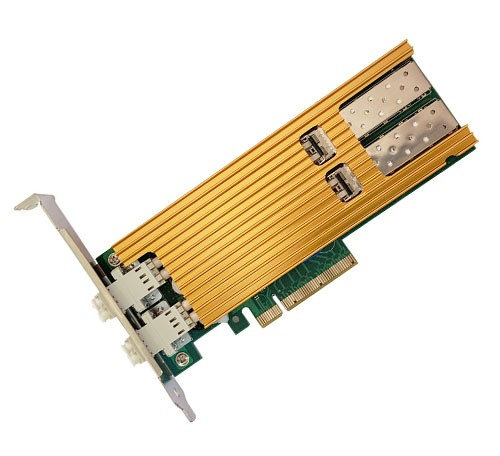
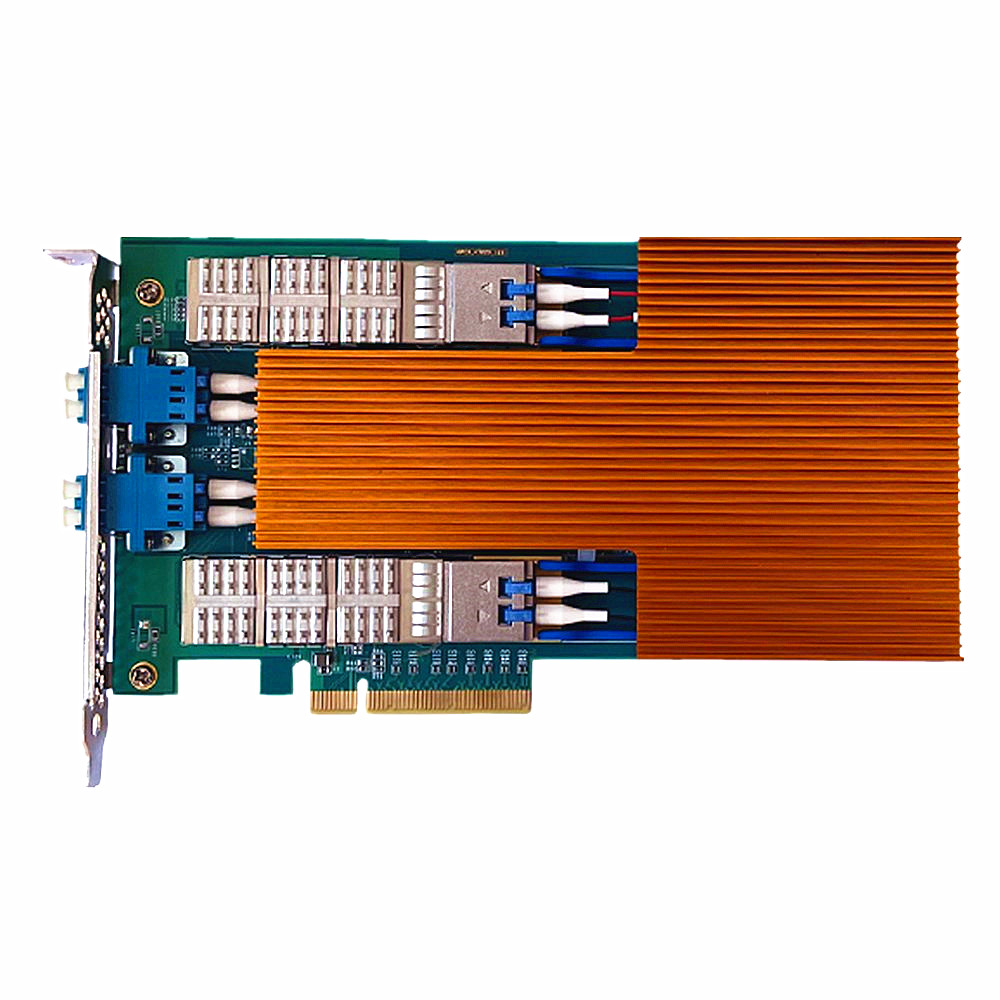
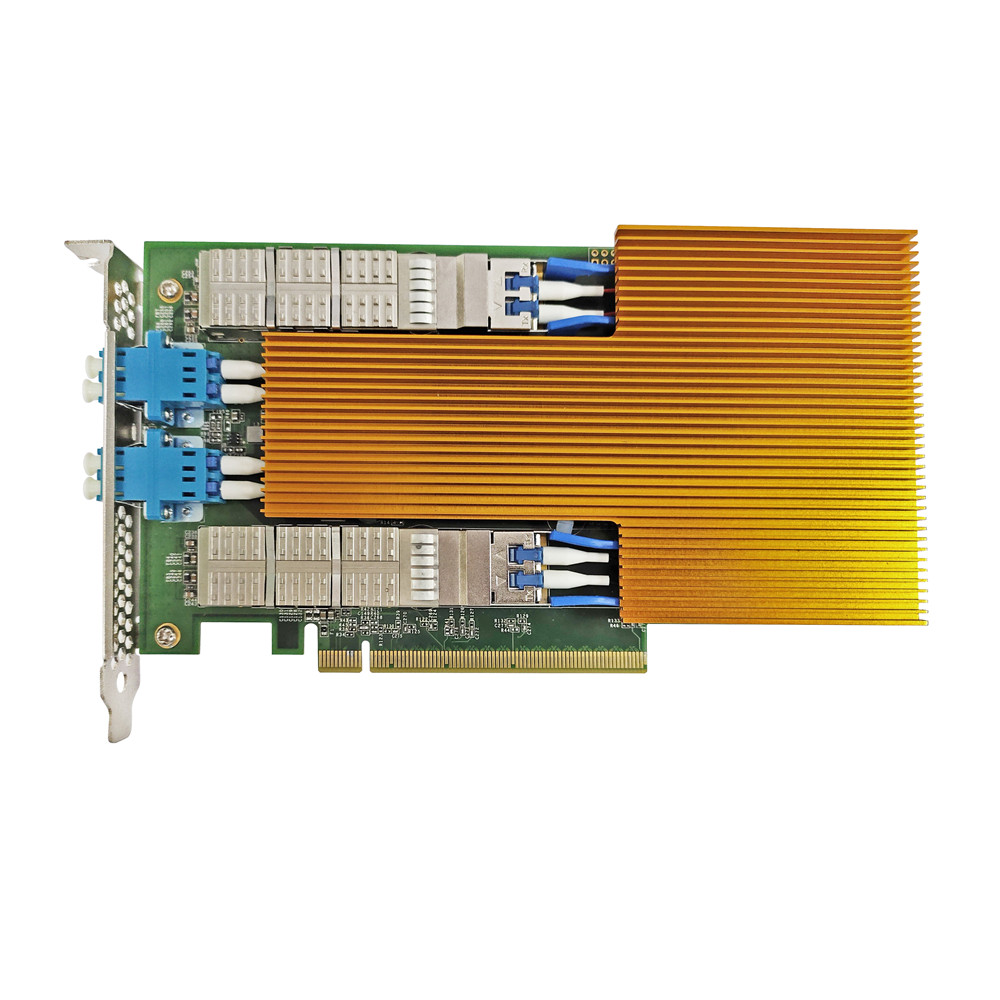
Bypass network cards are most widely used in network security equipment. Firewalls, intrusion prevention systems, internet behavior management, traffic probes and other devices are usually deployed in series at key network nodes. Once the device fails, the entire network will be interrupted. Equipped with Bypass network card, the network automatically bypasses when the device fails, and the business is not affected.
Another application scenario is network monitoring and auditing. Some compliance requirements require the deployment of traffic replication or analysis devices in the network. If these devices fail, they should not affect the normal transmission of the original business traffic. The Bypass function just meets this demand.
Management and Monitoring of Bypass Mode
When using a Bypass network card, operation and maintenance personnel need to pay attention to the current Bypass status. In normal mode, the device processes traffic; in Bypass mode, traffic bypasses the device. If the device stays in Bypass state for a long time, it means there is a system fault that needs to be repaired in time.
Most Bypass network cards are equipped with status indicator lights and driver interfaces. Operation and maintenance personnel can query the current Bypass status through management software or command lines, and set alarm thresholds to automatically send notifications when Bypass is triggered.
Cooperation Between Bypass and High Availability Architecture
Bypass technology is a fault tolerance method for device-level faults, but it cannot replace high-availability clusters. In key business scenarios, a combined scheme of Bypass network card plus active-standby dual-machine deployment is usually adopted. When the main device fails, Bypass ensures continuous network, and the standby device takes over the business to realize real business continuity.
As a professional manufacturer in the domestic fiber network card industry, Guangruntong (GRT) Technology has accumulated rich R&D experience in Bypass technology. Its fiber network cards with Bypass function have been widely used in network security, traffic monitoring and other scenarios, providing hardware-level link guarantee for customers' key services.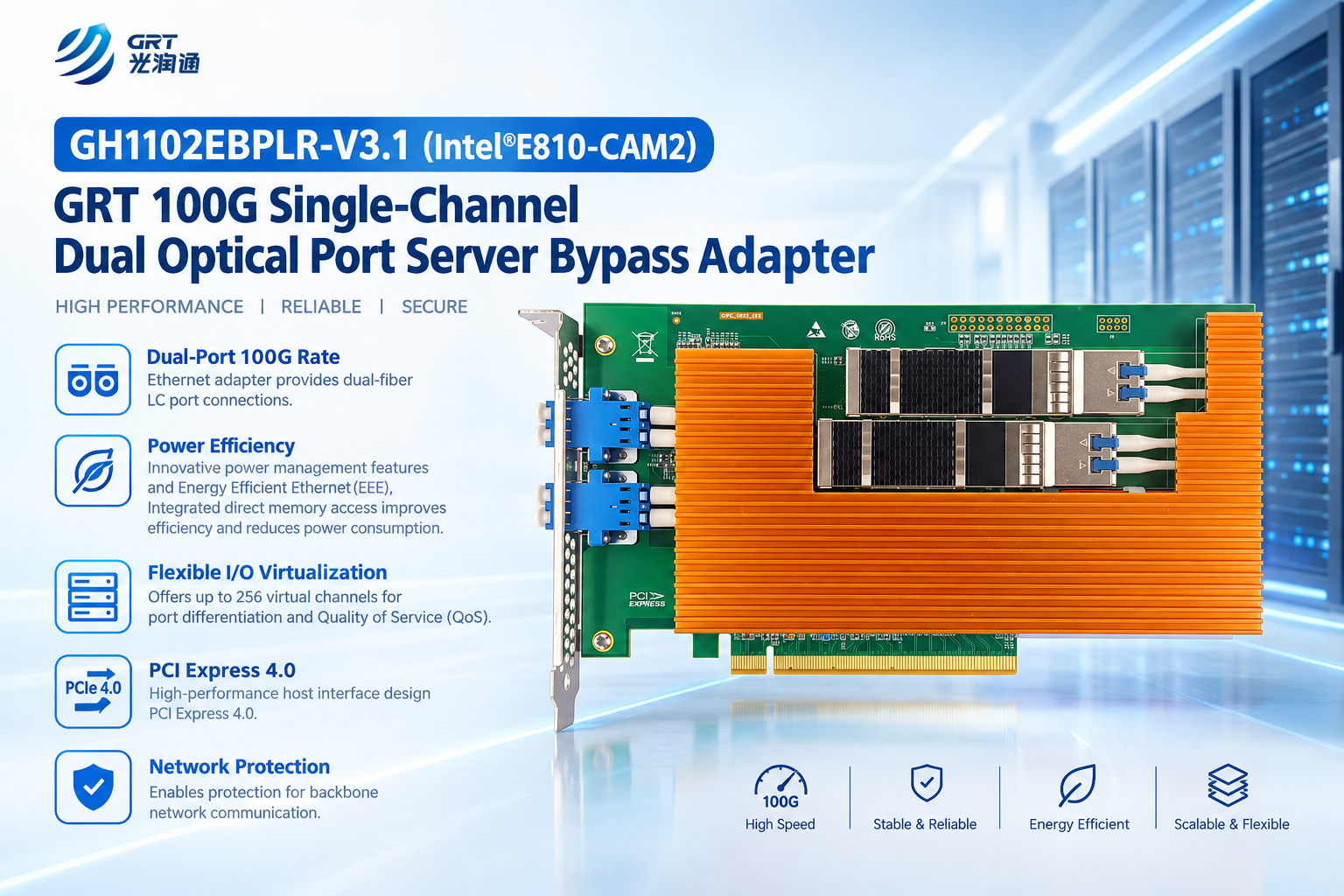
- Prev: The Key Role of Bypass Network Cards in Firewalls
- Next: None
Latest information
- How Bypass NIC Ensures Uninterrupted Network When Server Power Fails
- The Key Role of Bypass Network Cards in Firewalls
- Choosing Between Fiber NIC and Copper NIC: Application Scenarios Determine Interfaces
- Ambassador Chang Hua of the People’s Republic of China to Saudi Arabia Visits GRT Booth at LEAP 2026
- Server NIC Selection: Why Is OCP 3.0 Becoming the New Standard for Data Centers?
- Fantastic start on the first day of LEAP 2026!
- Overlooked Physical‑Layer Issues in Fiber NIC Deployment
- Hidden Pitfalls in Fiber‑Optic Networks: Optical Transceiver Compatibility