Sign in



Why Network Adapters Undergo ESD Testing
< BackBrief conclusion: The external ports of network adapters are easily exposed to static electricity carried by human bodies or cables, which may break down chips. ESD testing verifies whether a network adapter can withstand electrostatic surges without suffering immediate damage or latent failures.

1. Sources of Static Electricity (Prominent for Network Adapters)
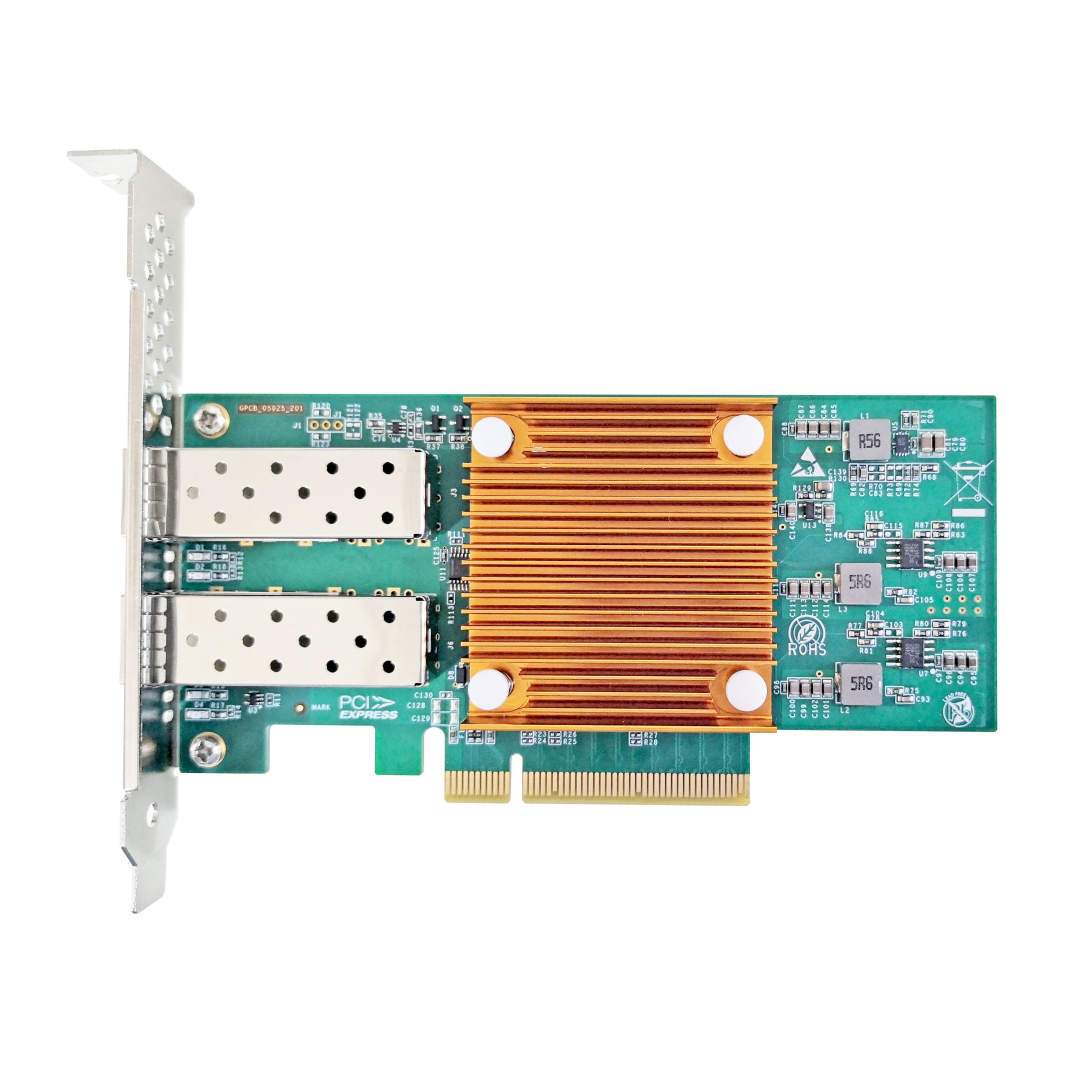
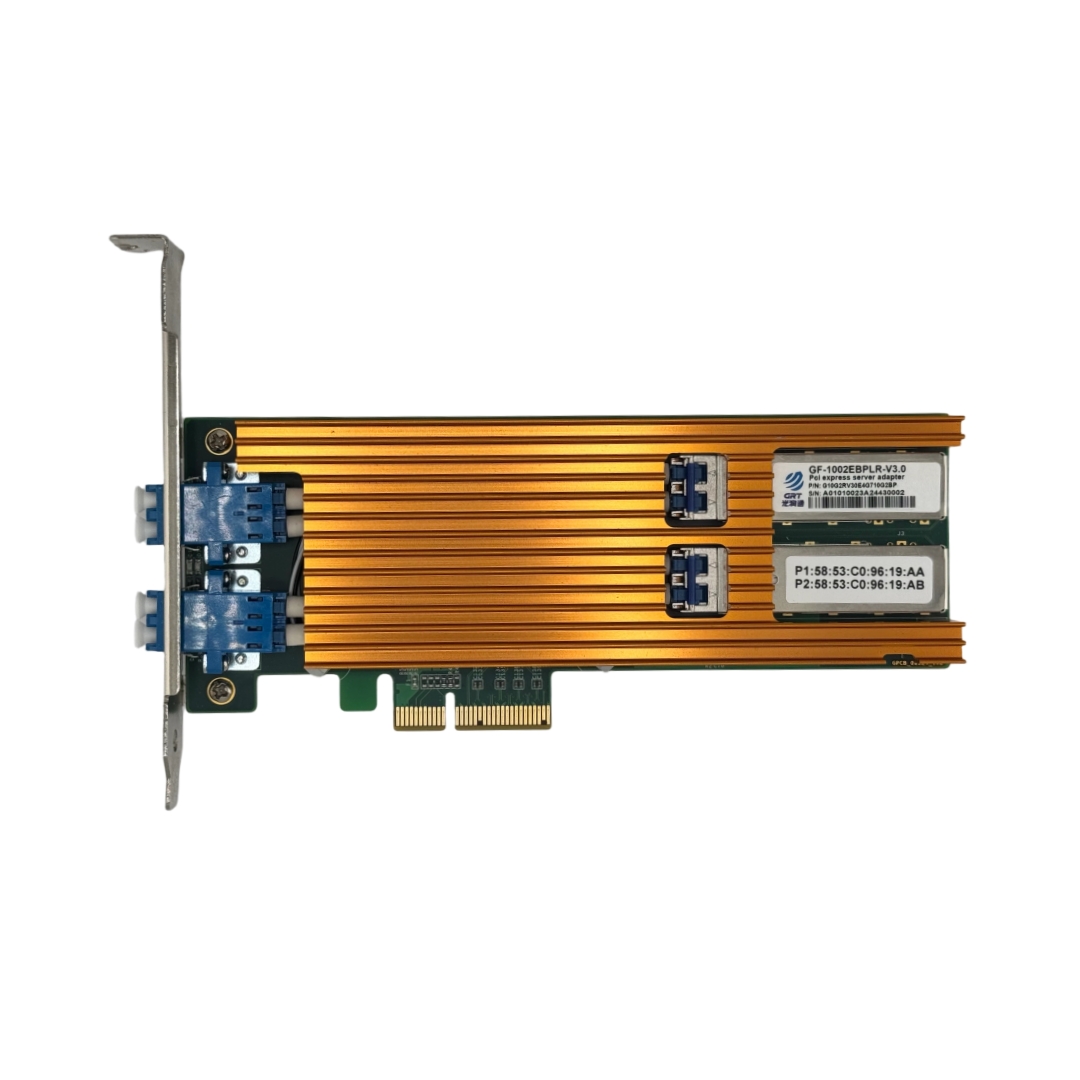
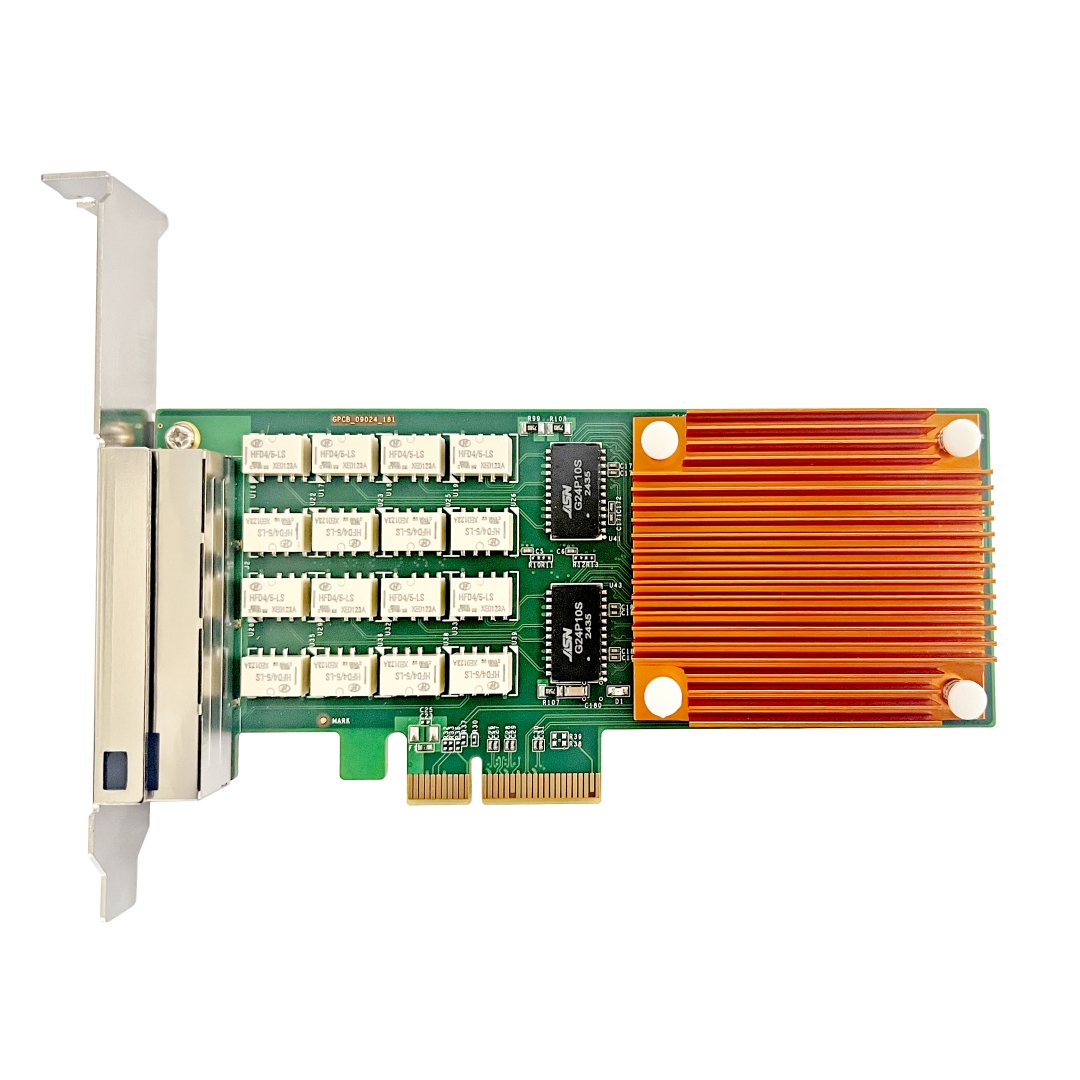
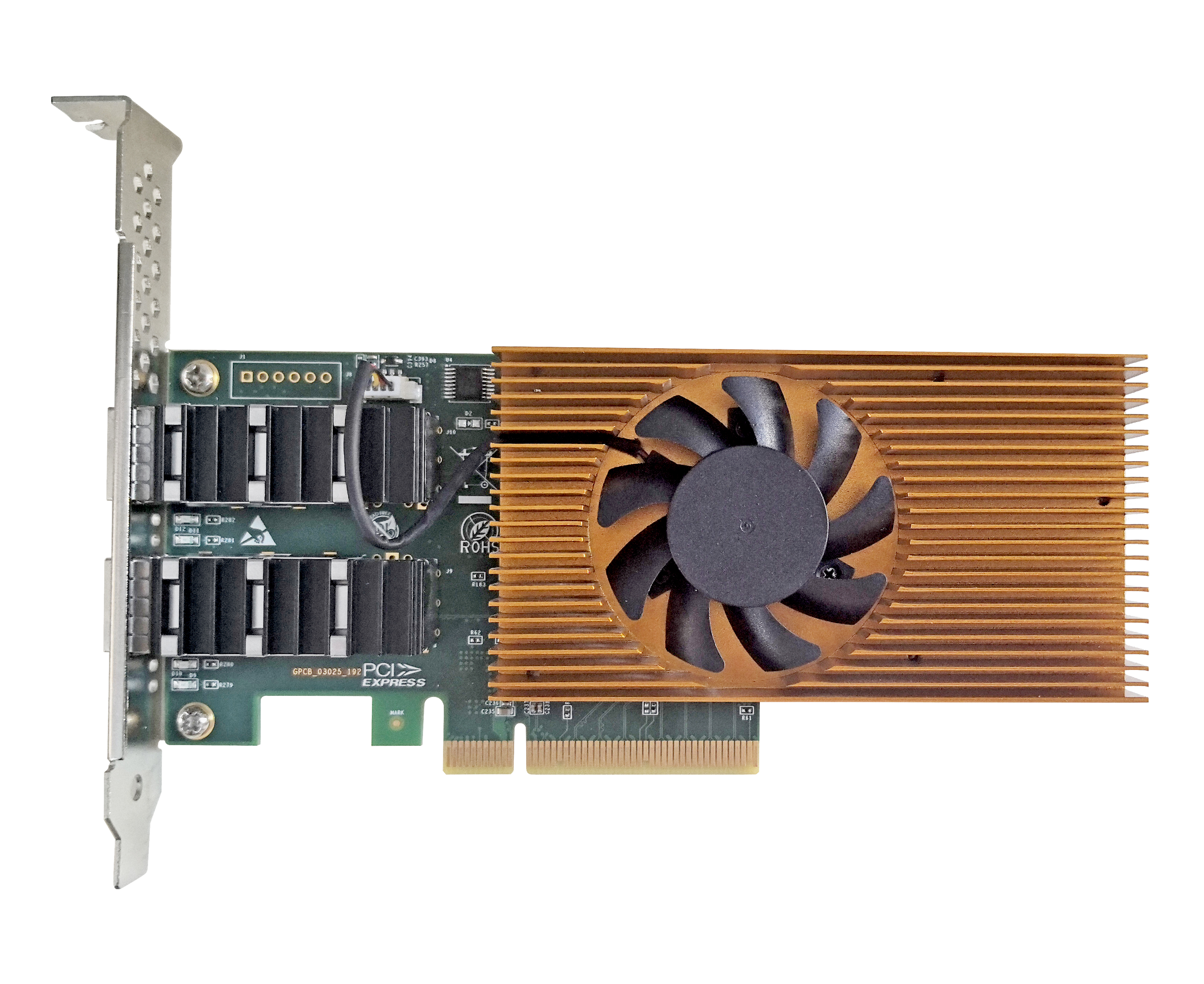
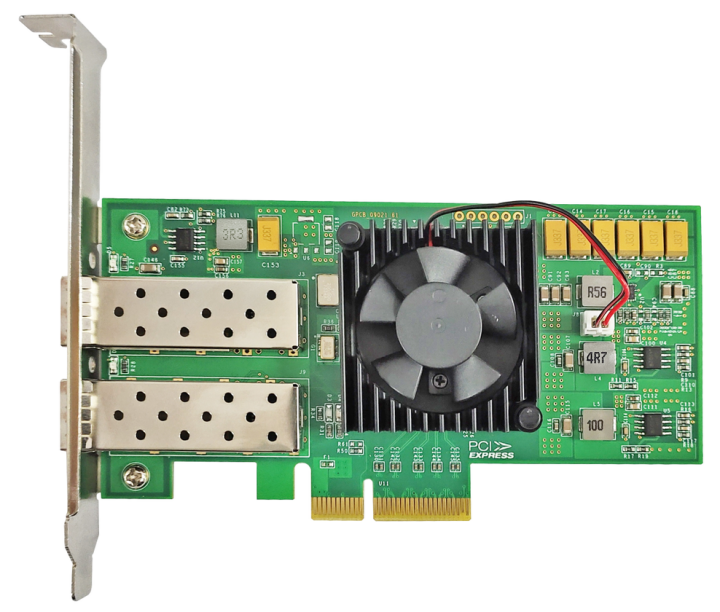
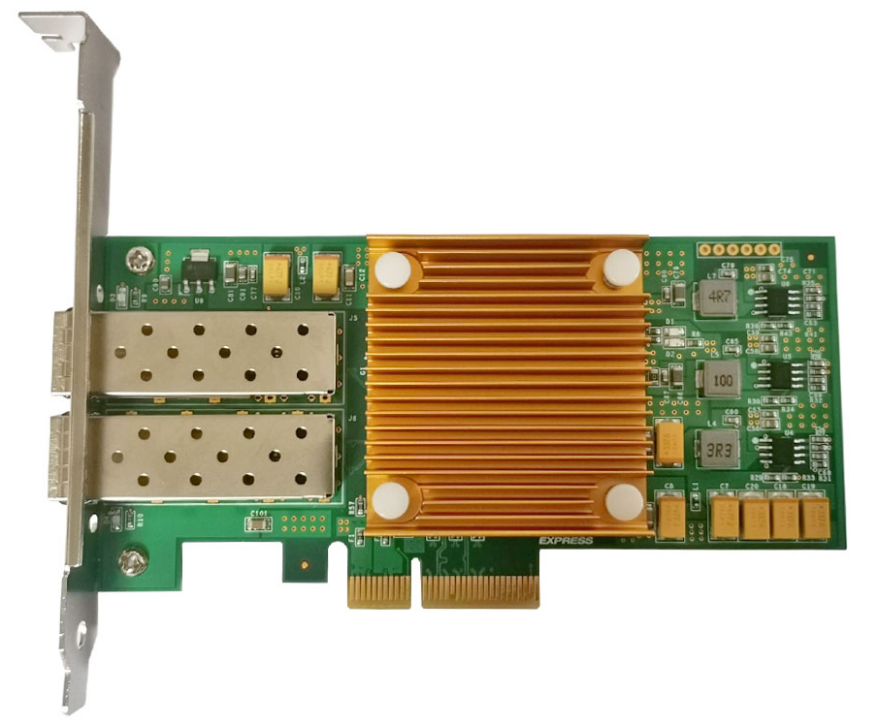
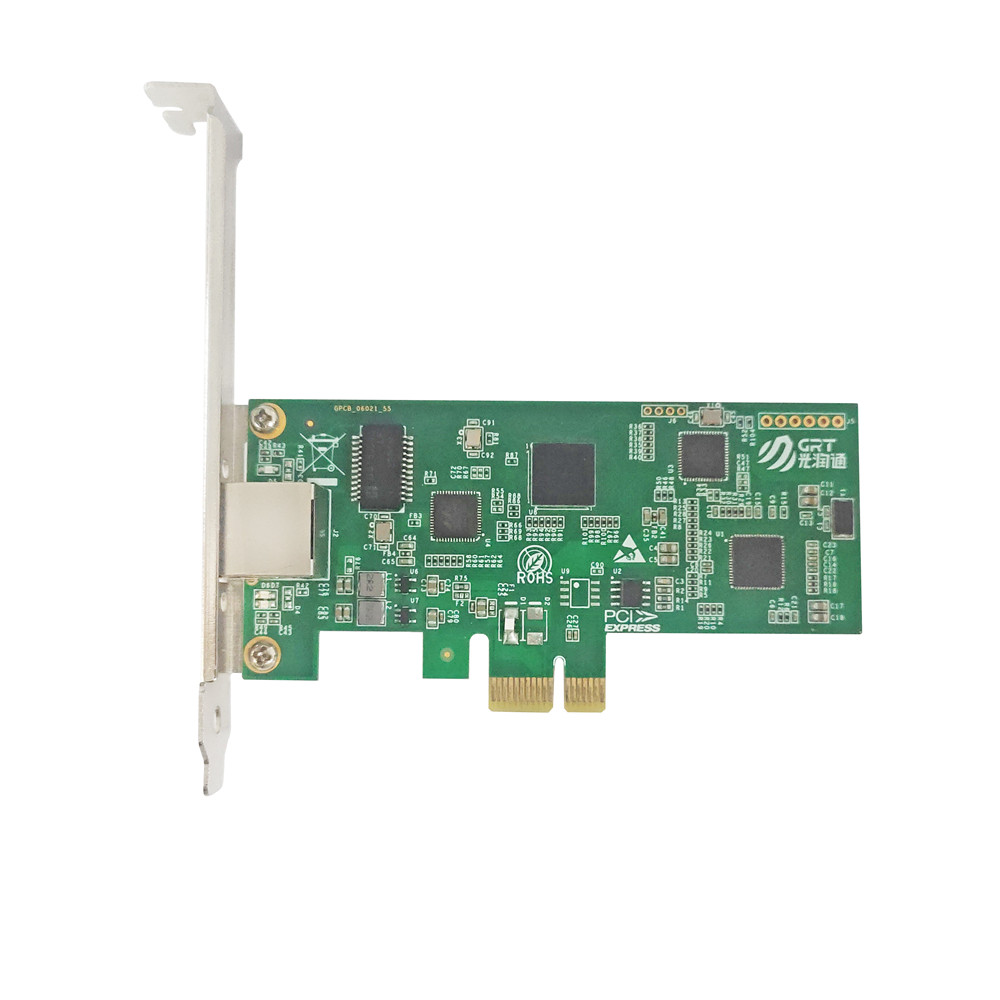
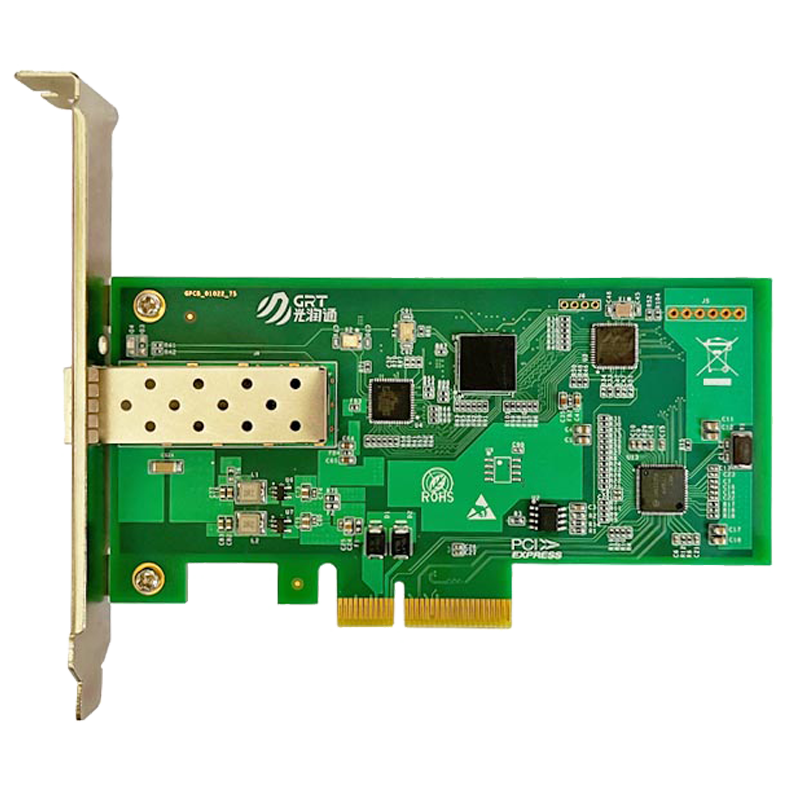
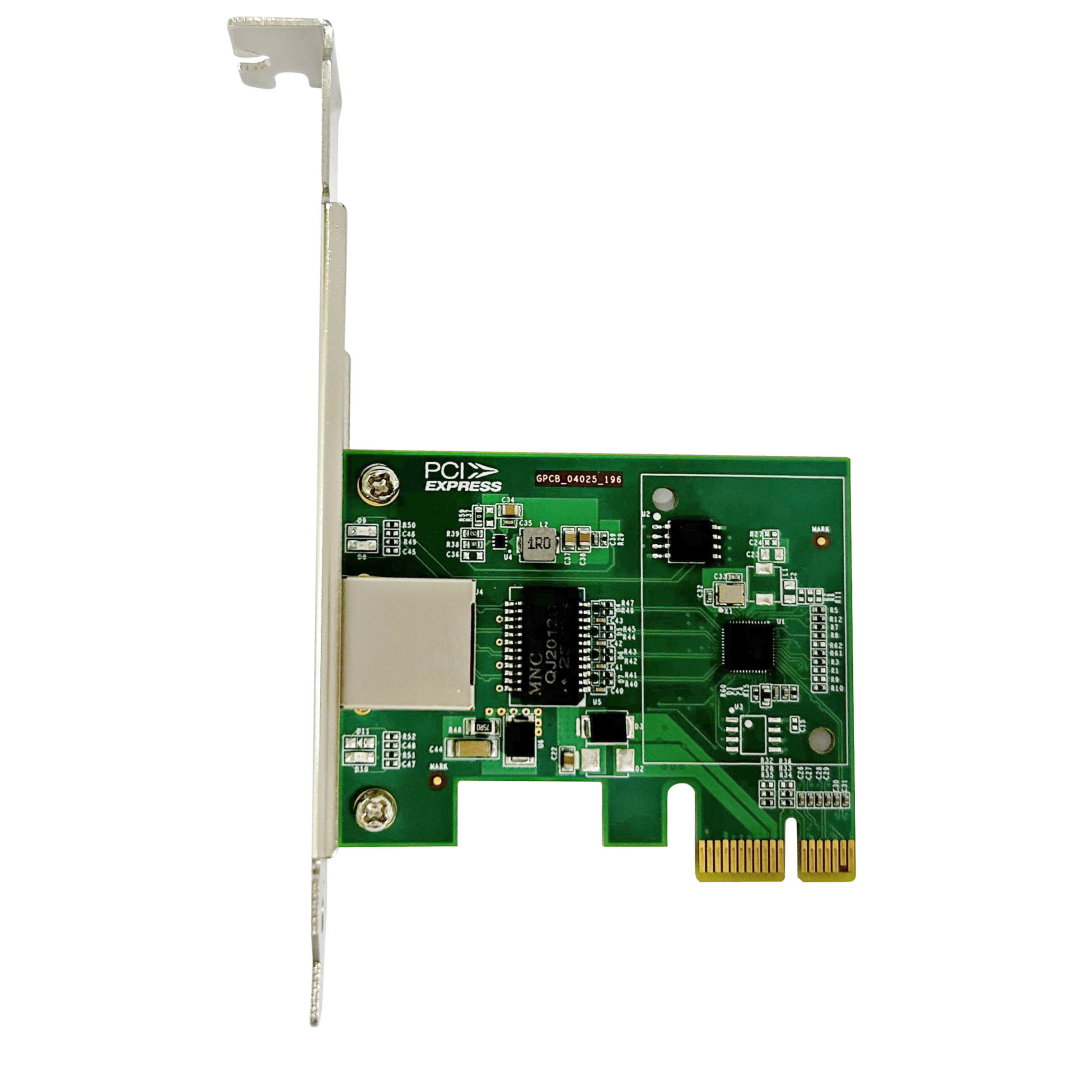
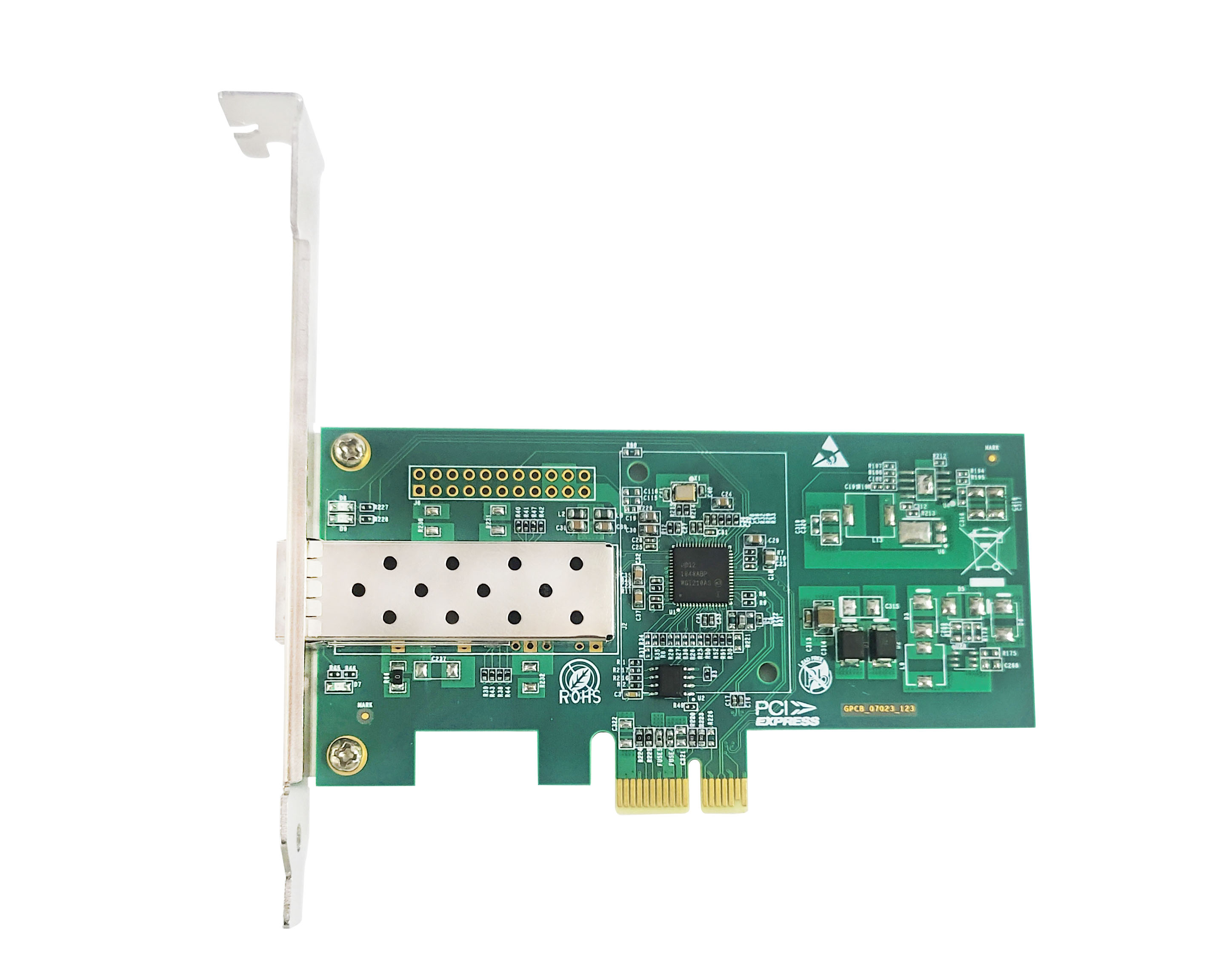
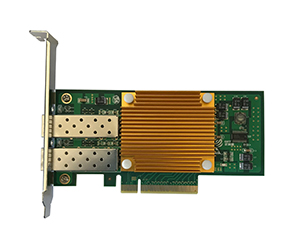
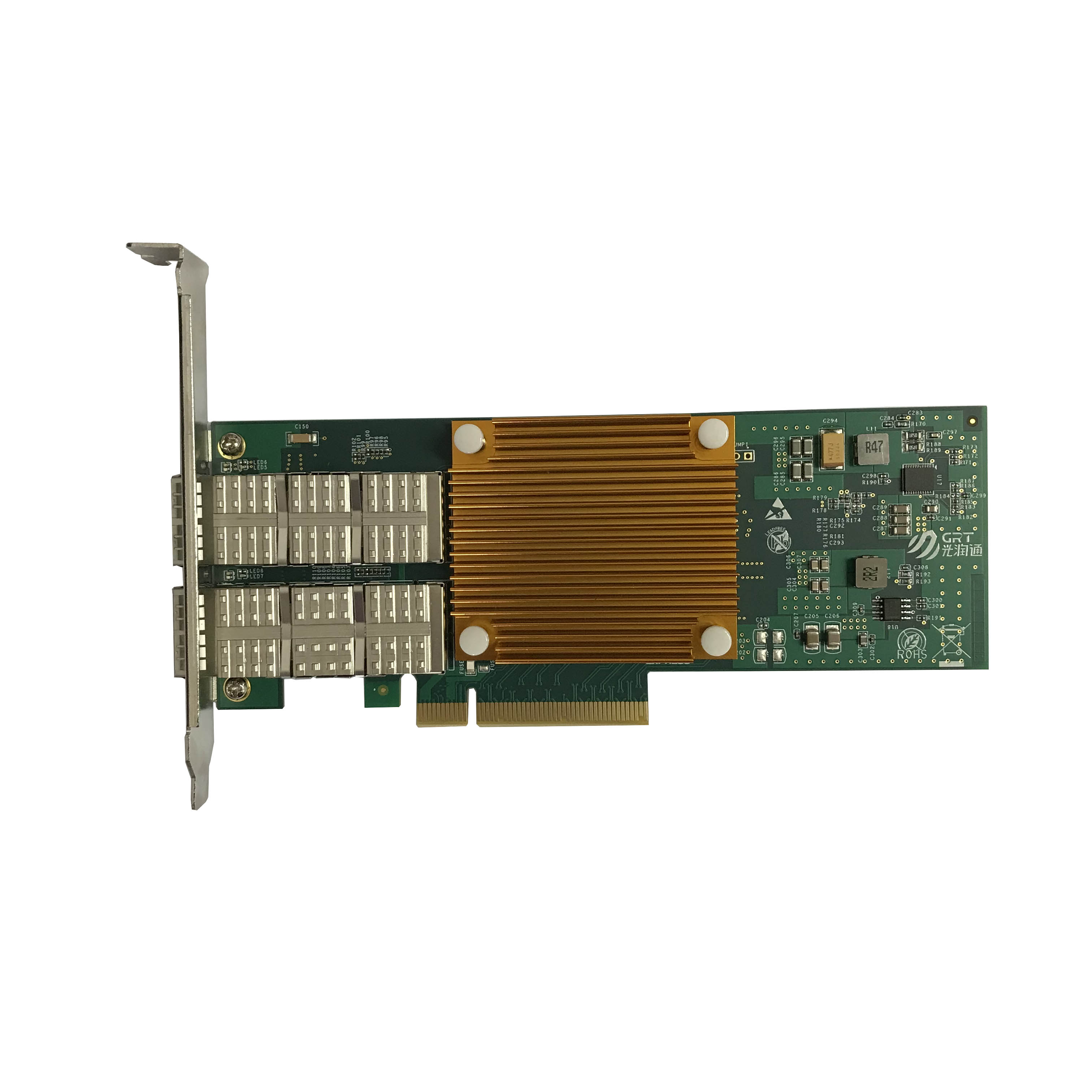
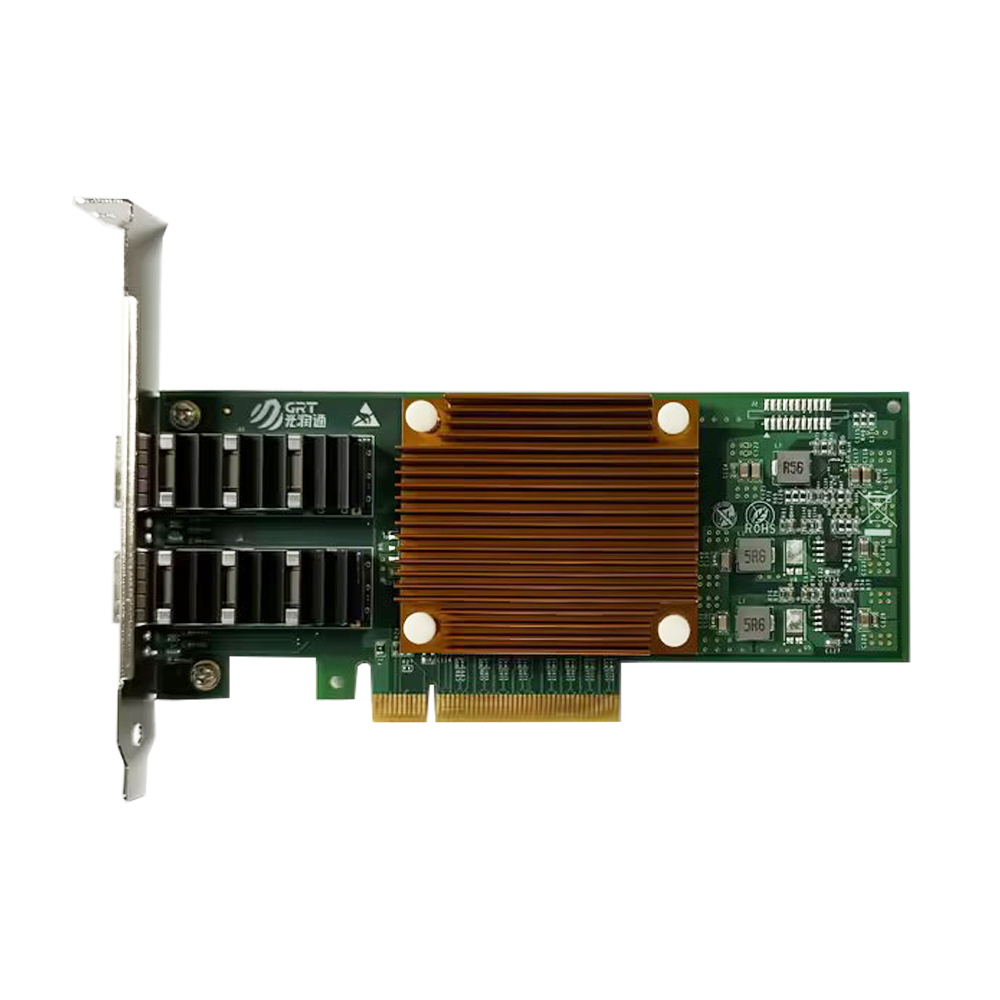
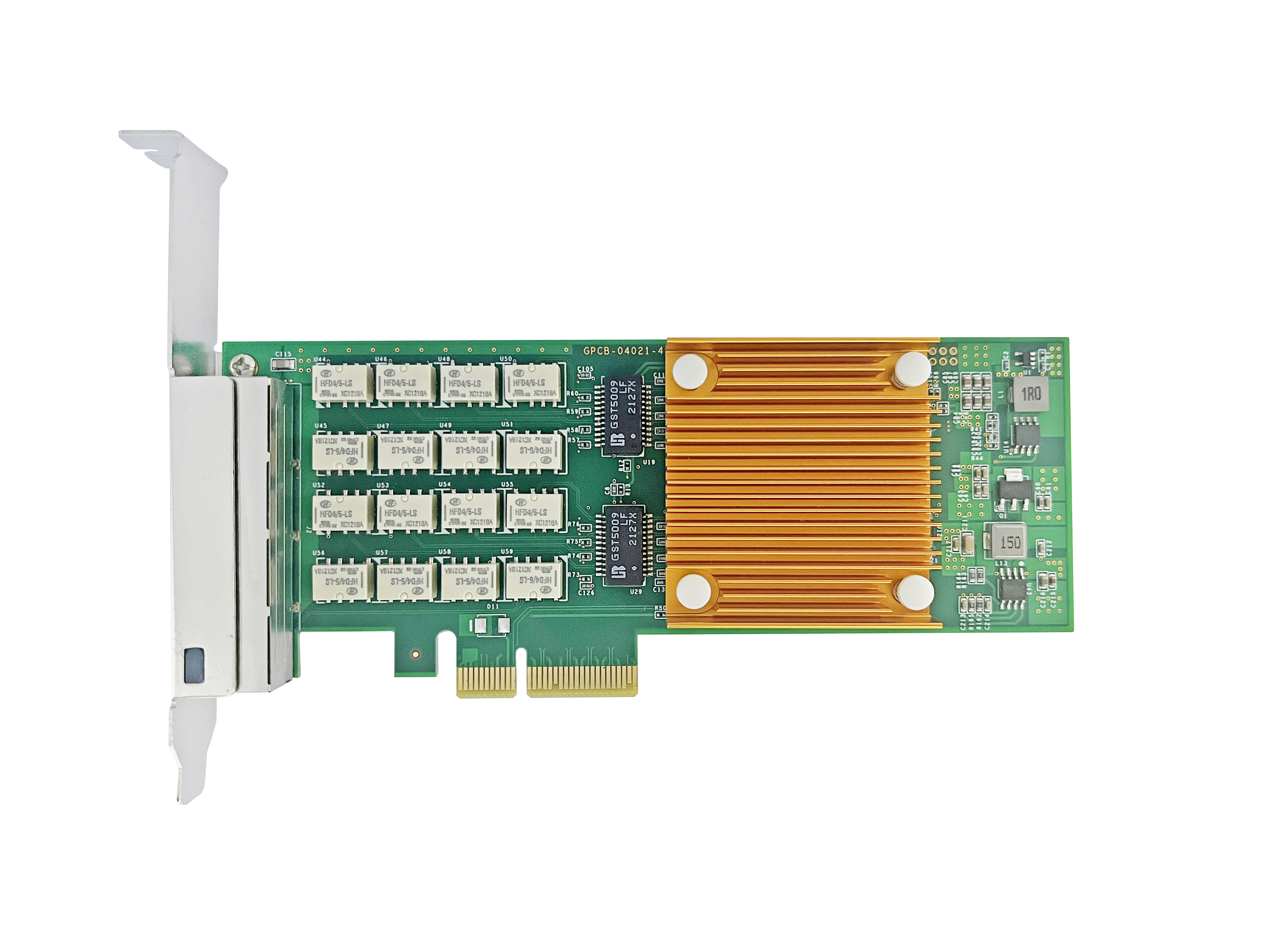
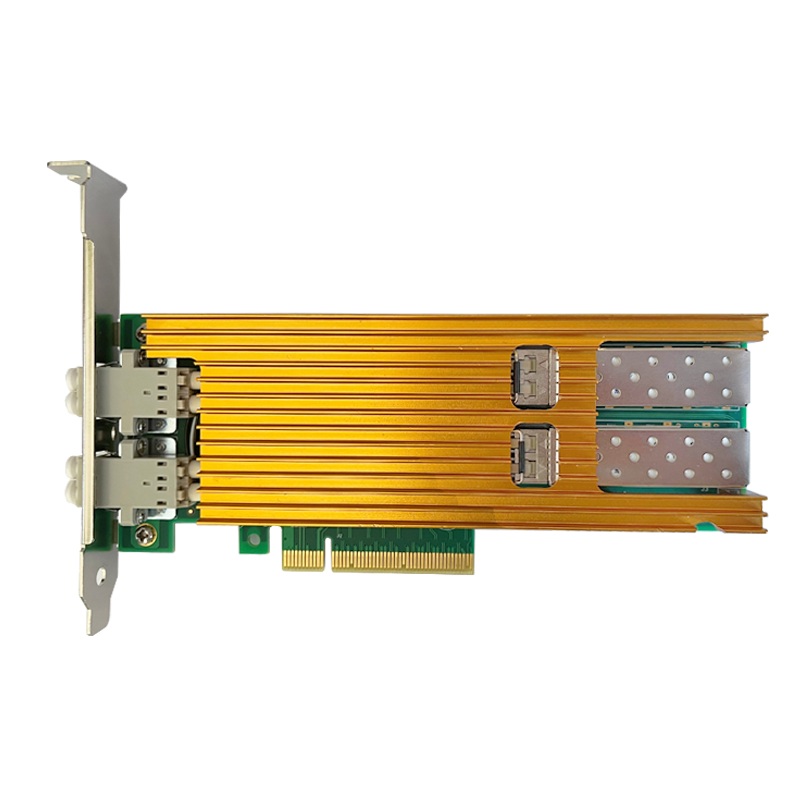
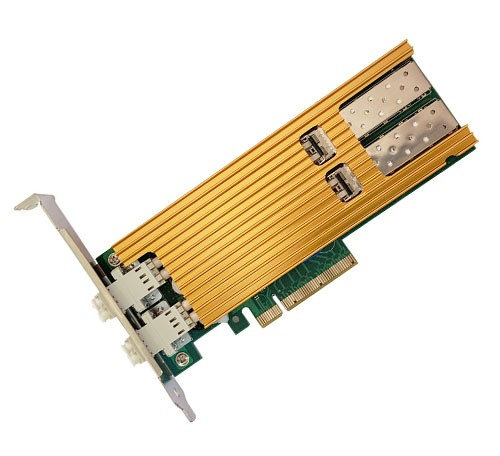
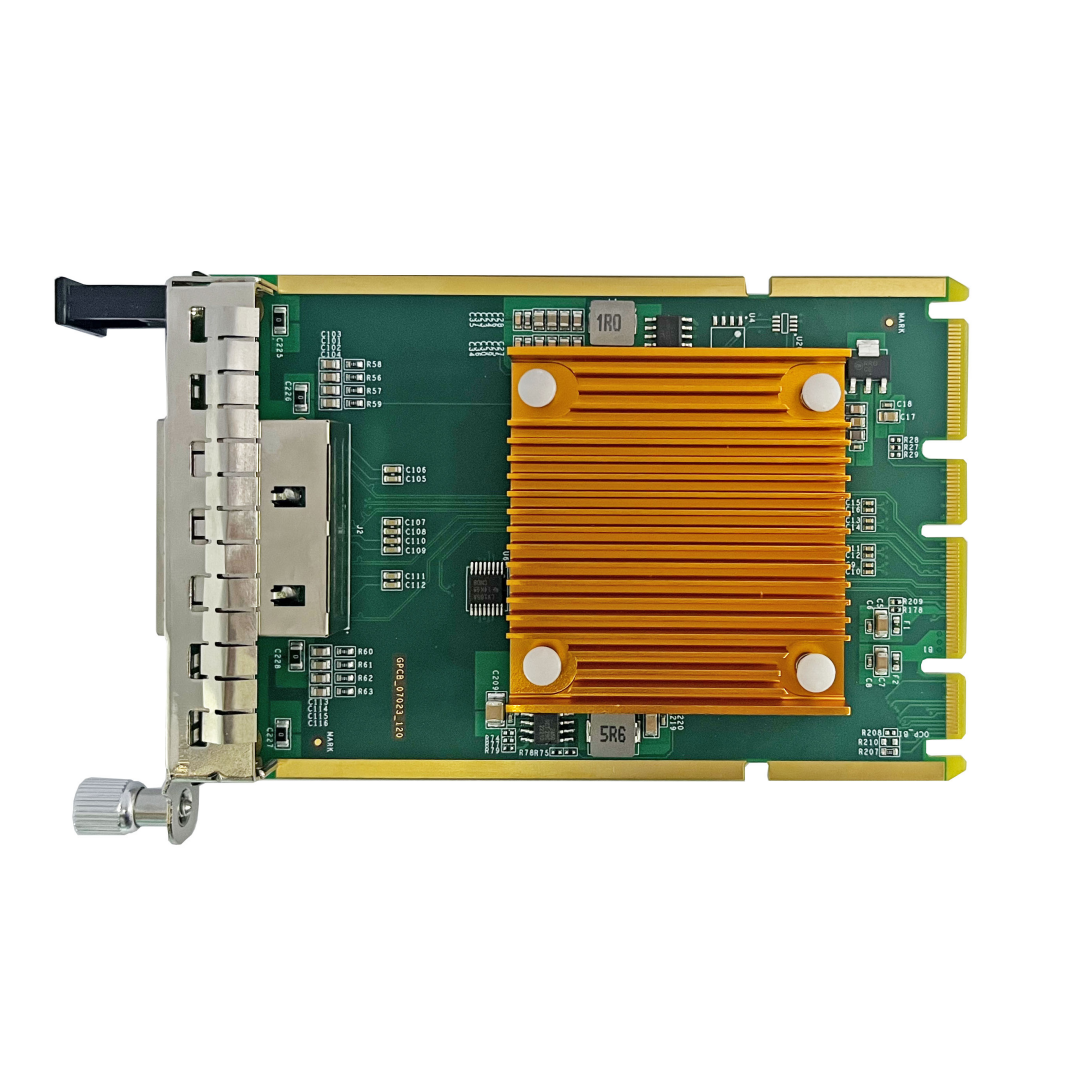
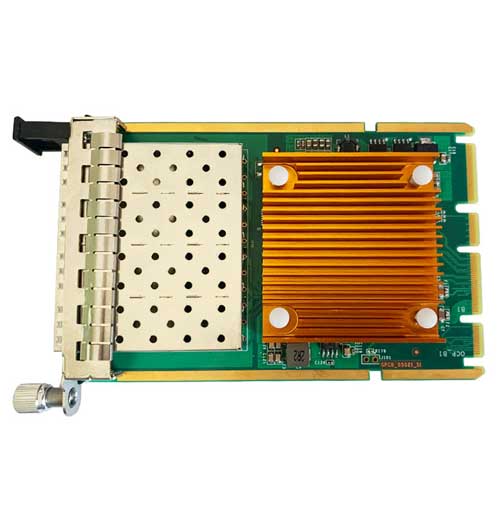
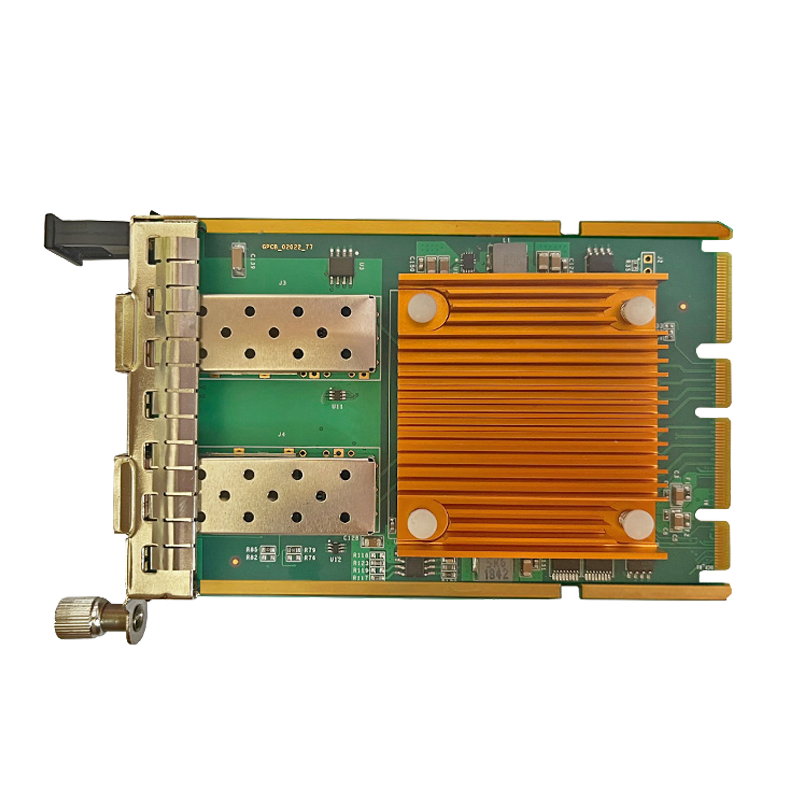
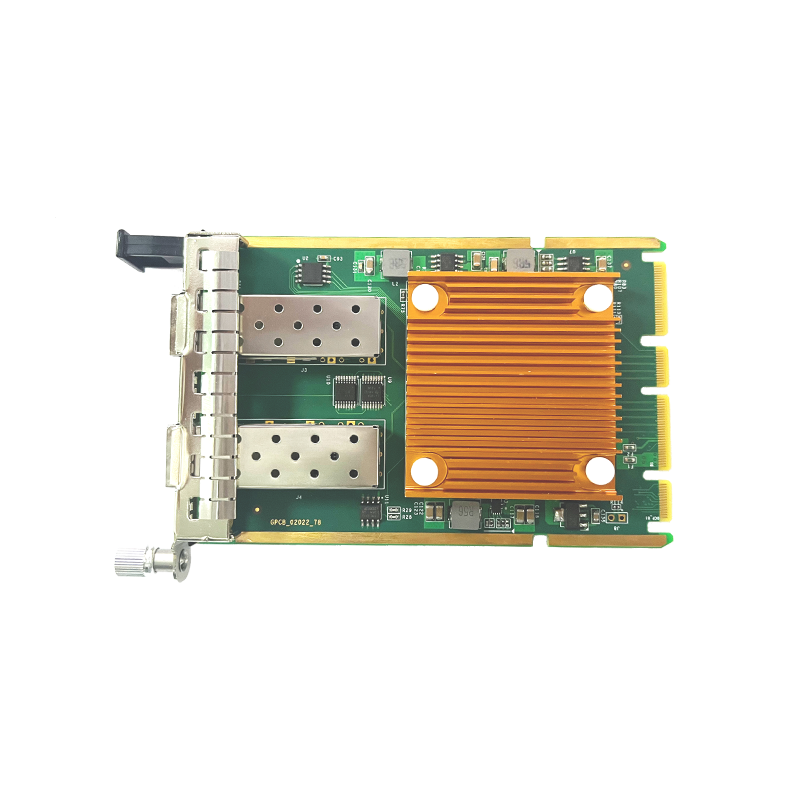
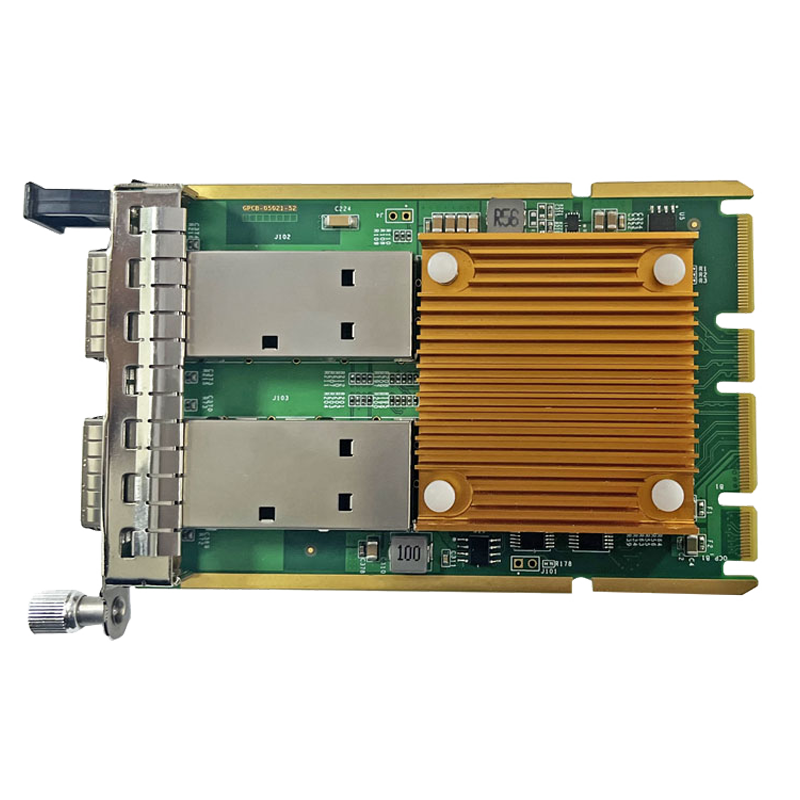
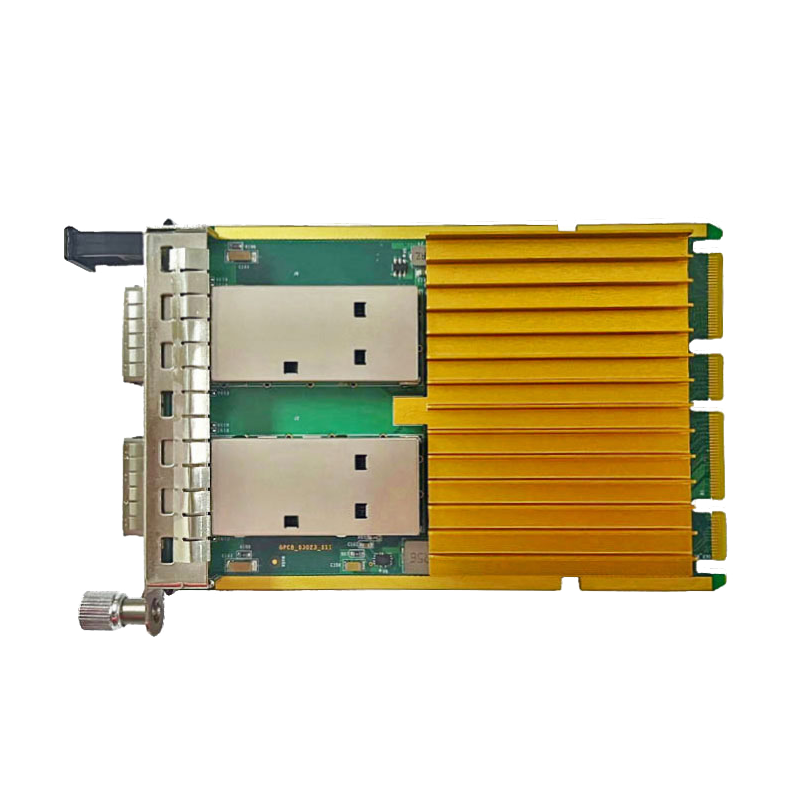
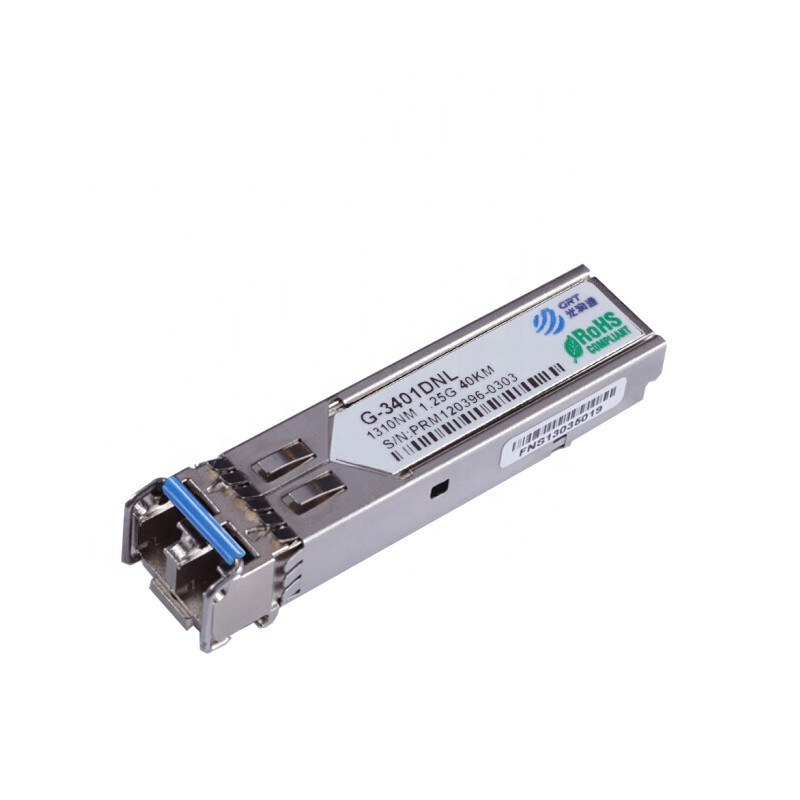
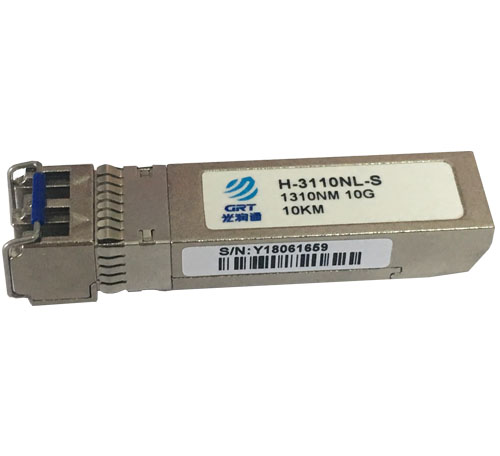
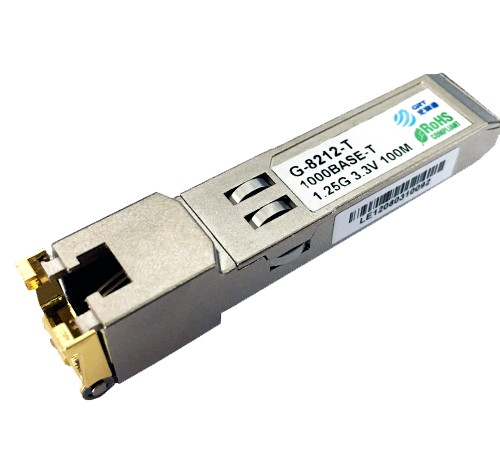
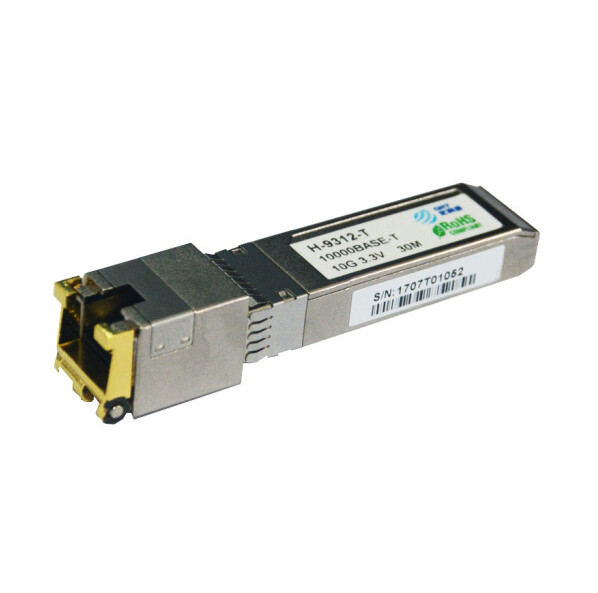
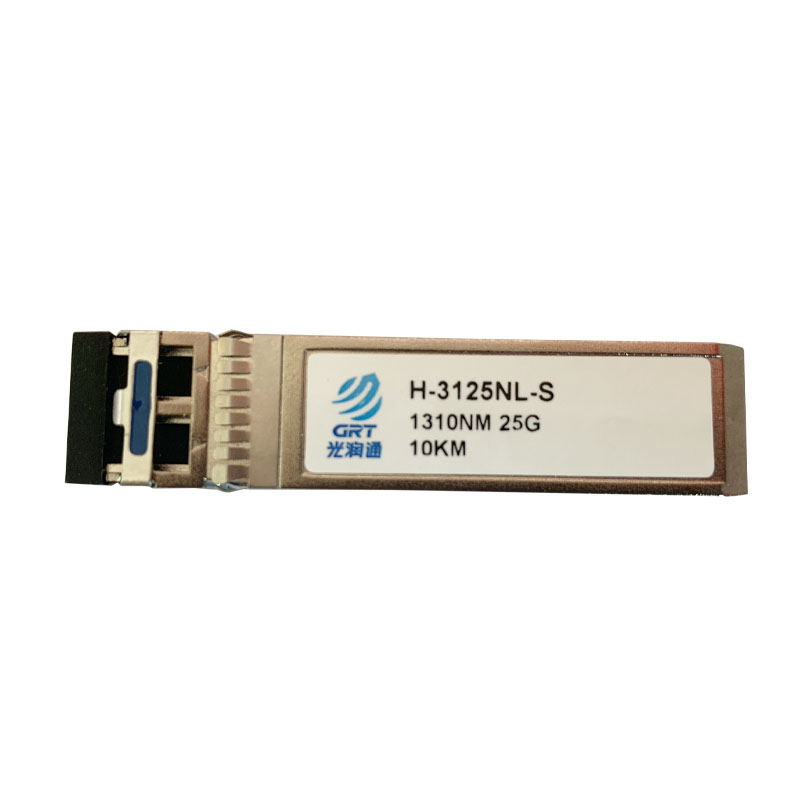
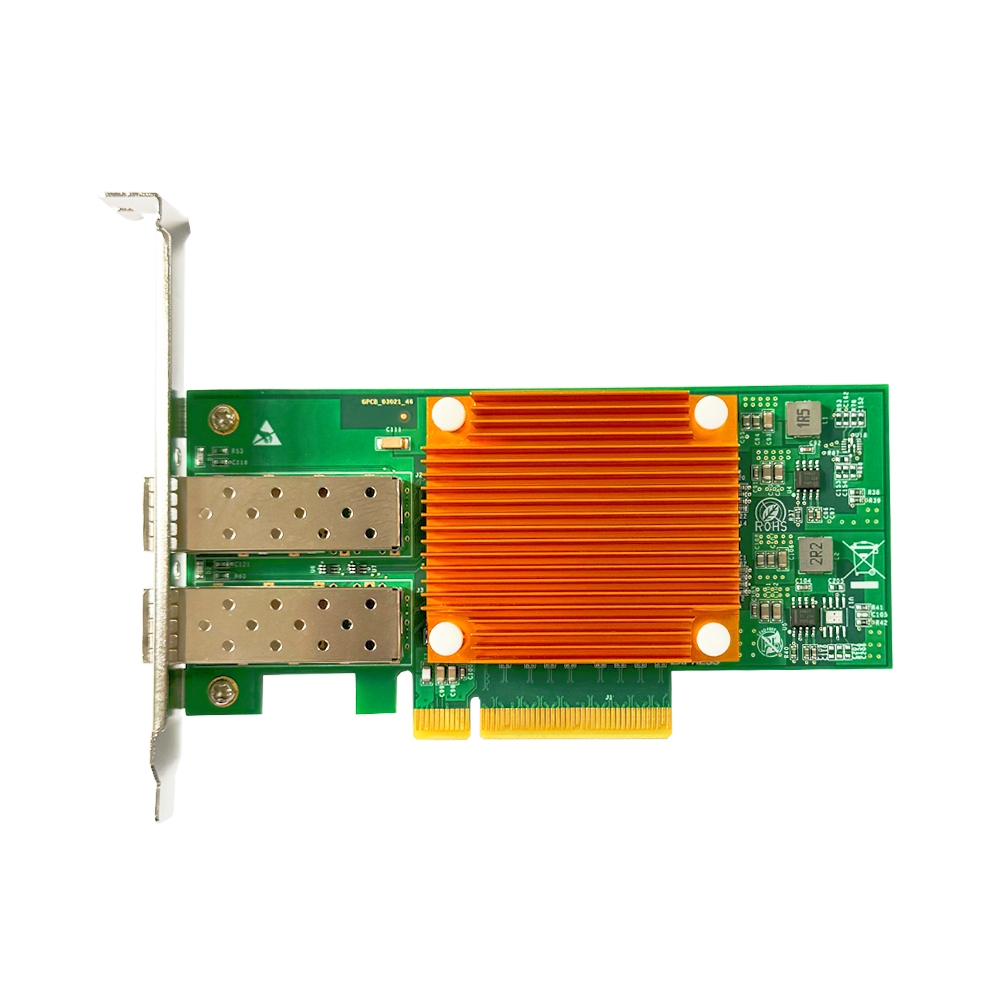
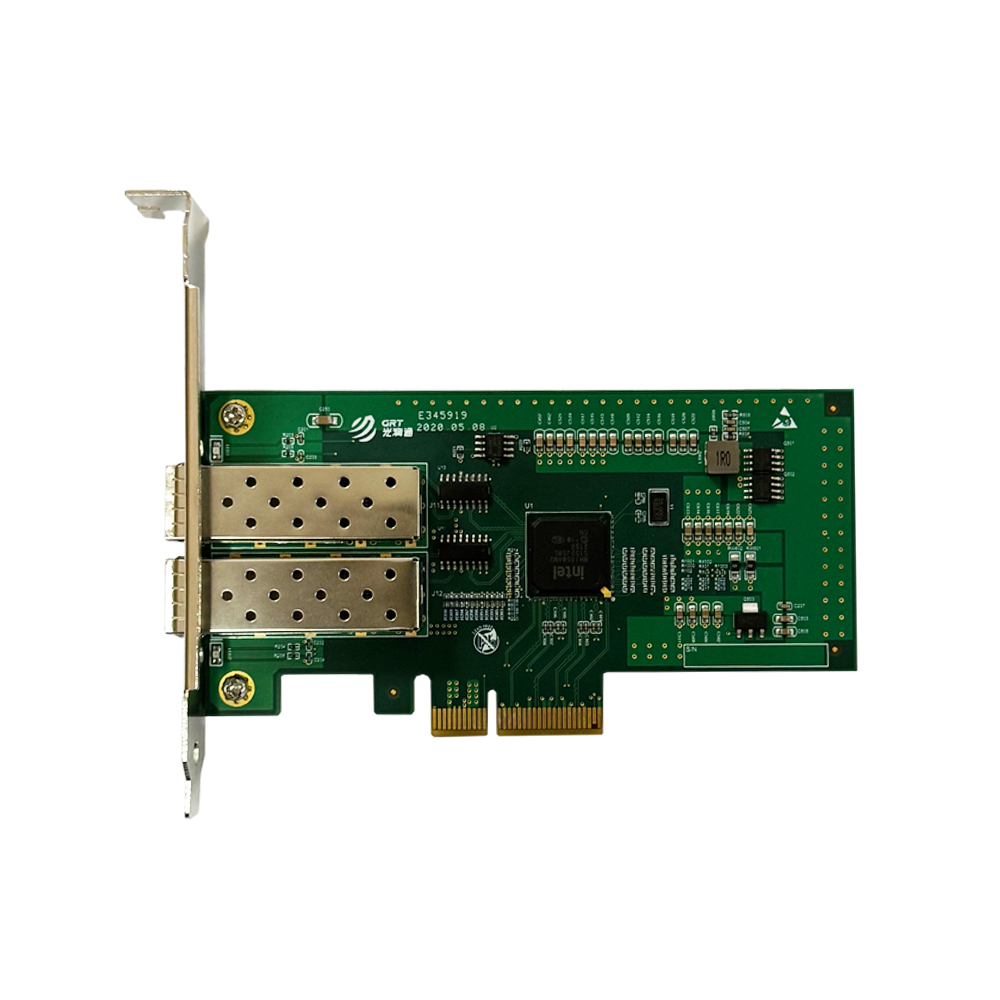
External interfaces of network adapters include RJ45 electrical ports and SFP/SFP+ optical ports.
Human-body static electricity: Static voltage can reach several thousand to tens of thousands of volts when people touch RJ45 plugs or optical modules.
Static charge generated by friction when pulling or routing network cables in computer rooms.
Electrostatic discharge caused by poor equipment grounding or potential differences between different devices.
Static voltage is extremely high yet carries tiny current, so humans cannot feel it. However, semiconductor chips are highly susceptible to damage.
2. Two Types of Failures Caused by Static Electricity
(1) Catastrophic Damage (Immediate Malfunction)
Electrostatic discharge breaks down transistors inside PHY chips, MAC chips and high-speed SerDes transceivers:
Network adapter fails to be recognized; port cannot establish link.
Port suffers frequent disconnections or total loss of network connectivity.
(2) Latent Damage (Most Easily Overlooked)
Static electricity does not burn out chips outright but causes micro internal damage:
The device works normally in the short term but suffers degraded long-term stability.
Packet loss, CRC errors and intermittent outages occur under high temperature or heavy load.
Service life is greatly shortened, leading to sporadic hard-to-reproduce faults at customer sites.
3. Vulnerability of High-Speed Chips on Network Adapters
Core components of network adapters (Ethernet PHY, optical module SerDes, MAC) are nanoscale CMOS chips with ultra-thin gate oxide layers.
Chip operating voltage ranges only from 1.0 V to 3.3 V, while human-body static easily reaches 8 kV / 15 kV. Once static electricity couples directly to signal pins, the oxide layer is prone to breakdown.
4. Purposes of ESD Testing
① Verify the effectiveness of hardware protection design
Check whether PCB layout, ESD protection components (TVS diodes, ceramic gas discharge tubes) and isolation transformers (for RJ45 ports) meet design requirements.
RJ45 ports use network isolation transformers to block DC static, yet high-frequency static pulses can still couple into PHY chips via parasitic capacitance of windings.
High-speed differential signals of SFP optical ports operate at extremely high rates, so high-capacitance TVS cannot be arbitrarily deployed, raising difficulties for protection design.
② Comply with industry specifications and access requirements
Commercial network adapters must follow standards:
IEC 61000-4-2 (ESD standard for contact discharge and air discharge) Many IDCs, telecom operators and server manufacturers mandate ESD test reports for project access; non-compliant products cannot be adopted.
③ Distinguish qualified products from defective units
Tests simulate worst-case operating scenarios at customer sites: plugging/unplugging network cables, hot swapping optical modules, routine maintenance operations in data centers. Post-test verification items: normal port link establishment, traffic performance without packet loss, absence of CRC errors and normal register status. Pass criteria are not limited to "no burnout".
5. Reference ESD Test Levels for Common Network Adapters
Contact discharge: ±6 kV / ±8 kV
Air discharge: ±8 kV / ±15 kV Requirements vary for different customers (data center, industrial control, consumer PC network adapters); industrial-grade network adapters usually adopt stricter ESD standards.
Latest information
- NAS Storage Network Upgrade Guide
- Why Does Upgrading Your NAS to 2.5GbE Not Improve Network Speed?
- What Is an OCP 3.0 Network Card?
- The King of Cost-Effective 25G NIC: In-Depth Analysis of Guangruntong (GRT) GH2502EM-V4.1
- The Hidden Relationship Between NIC Heat Dissipation and Data Center Cabinet Layout
- Why are serpentine traces designed on the NIC PCB board
- NIC and Operating System Ecosystem Adaptation: From Hardware Compatibility to Win-Win Performance
- NIC Hardware Offload Technology: Let Server CPU Focus on Business Computing