Sign in


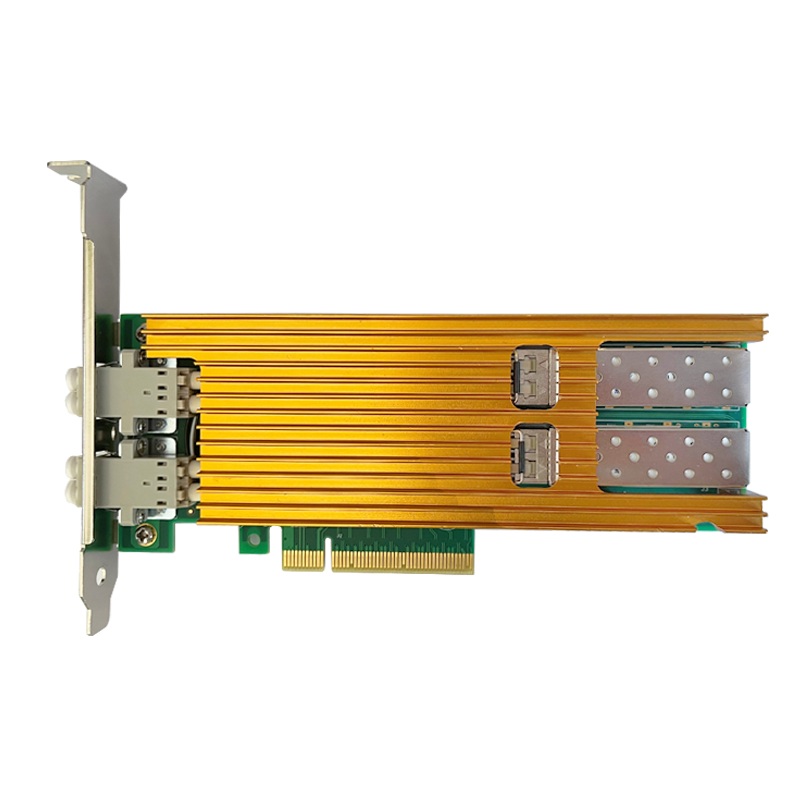
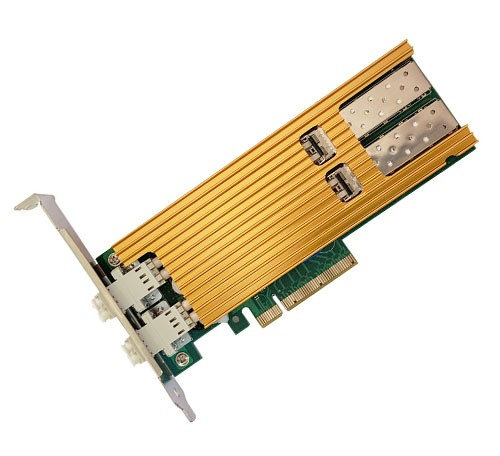
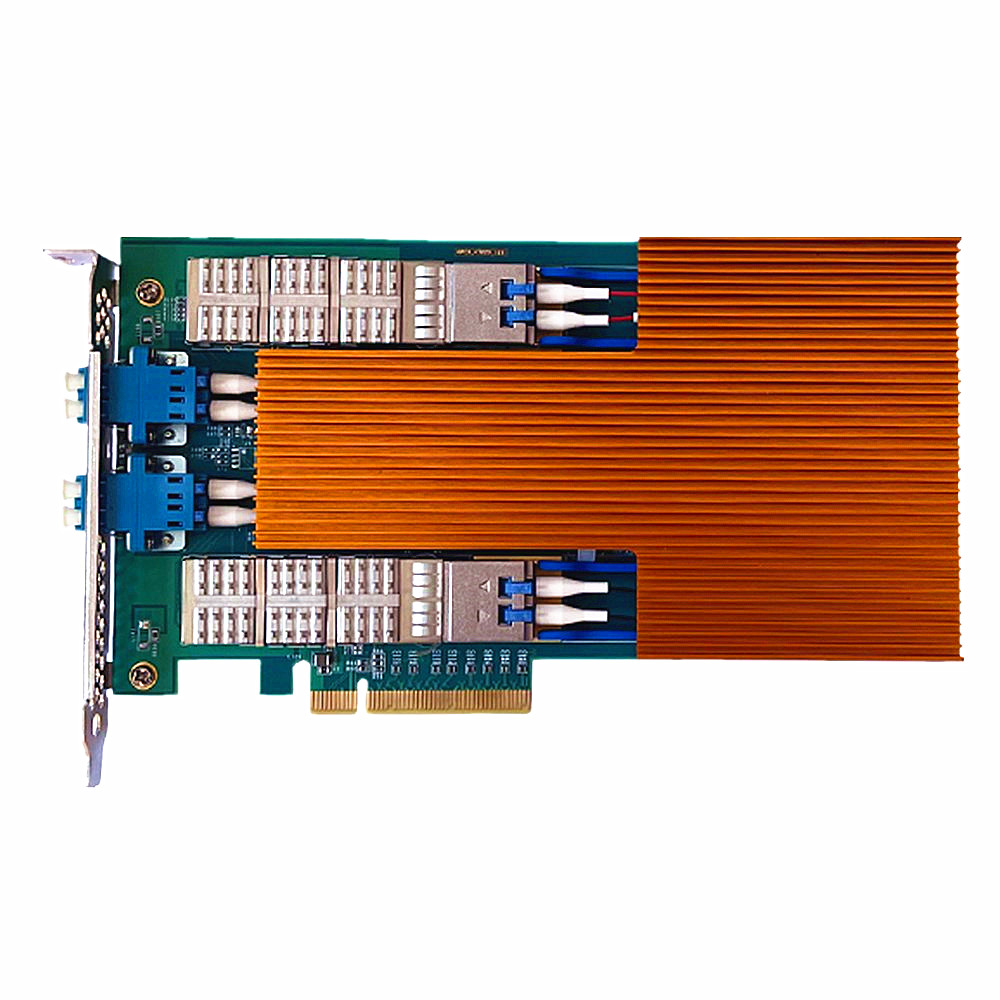
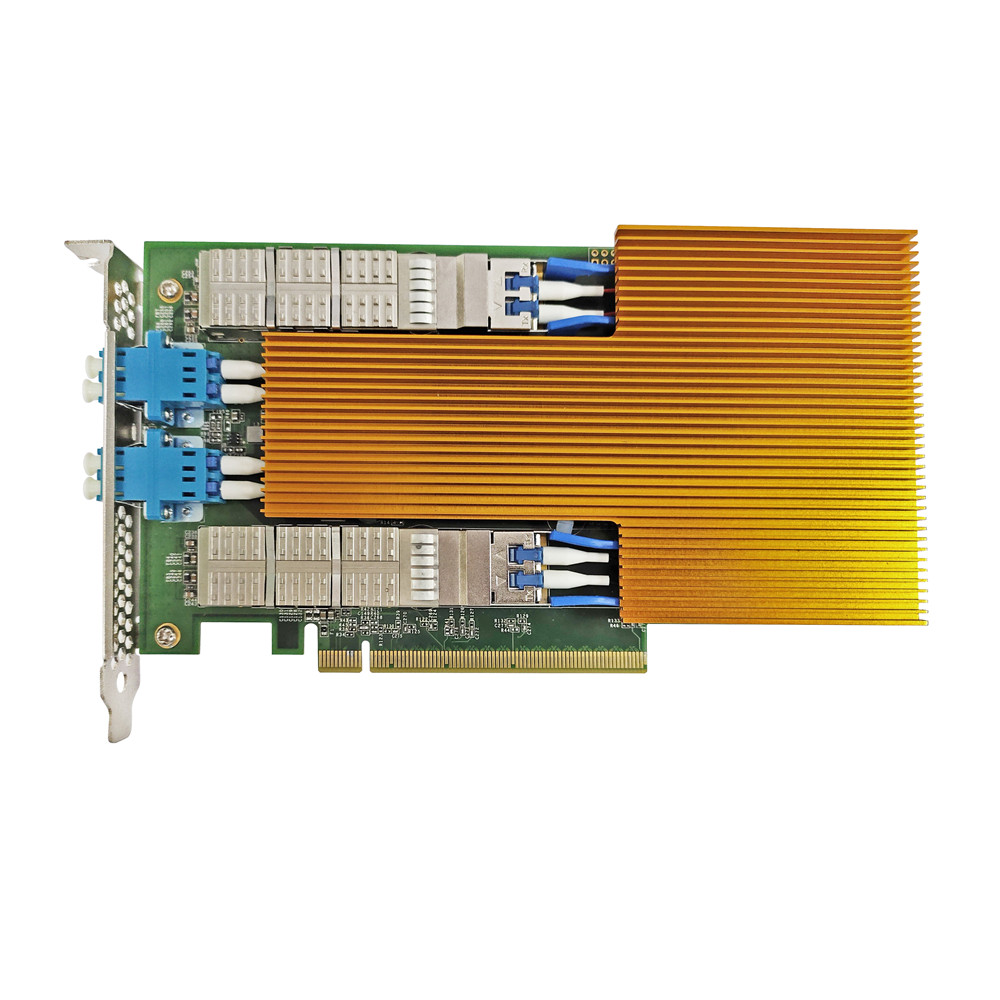

Network Bottlenecks in Industrial Control Scenarios: Why Is Fibre Optic More ‘Rugged’ Than Copper Cable?
< BackIn the comfortable environment of a data centre, copper cable may well be able to cope with transmission distances of up to 100 metres. However, when we turn our attention to smart factories, substation inspection robots or motorway surveillance systems, the environment changes dramatically: strong electromagnetic interference, extreme temperature fluctuations and complex ground loops can all cause traditional copper Ethernet cables to ‘go silent’ in an instant.
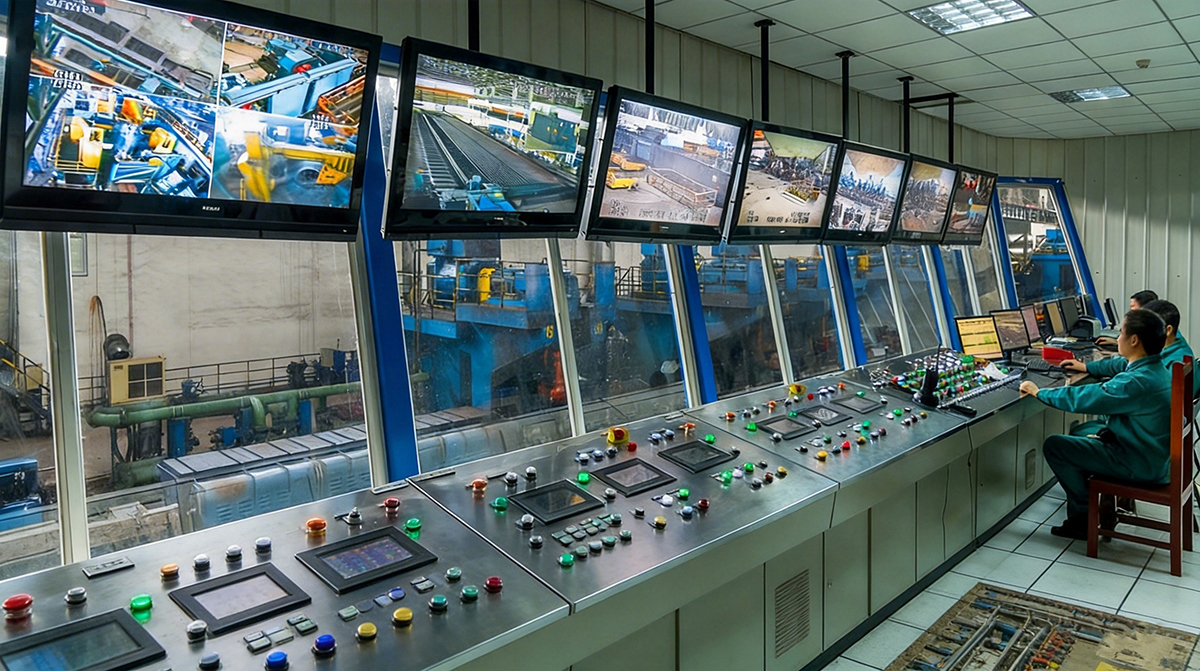
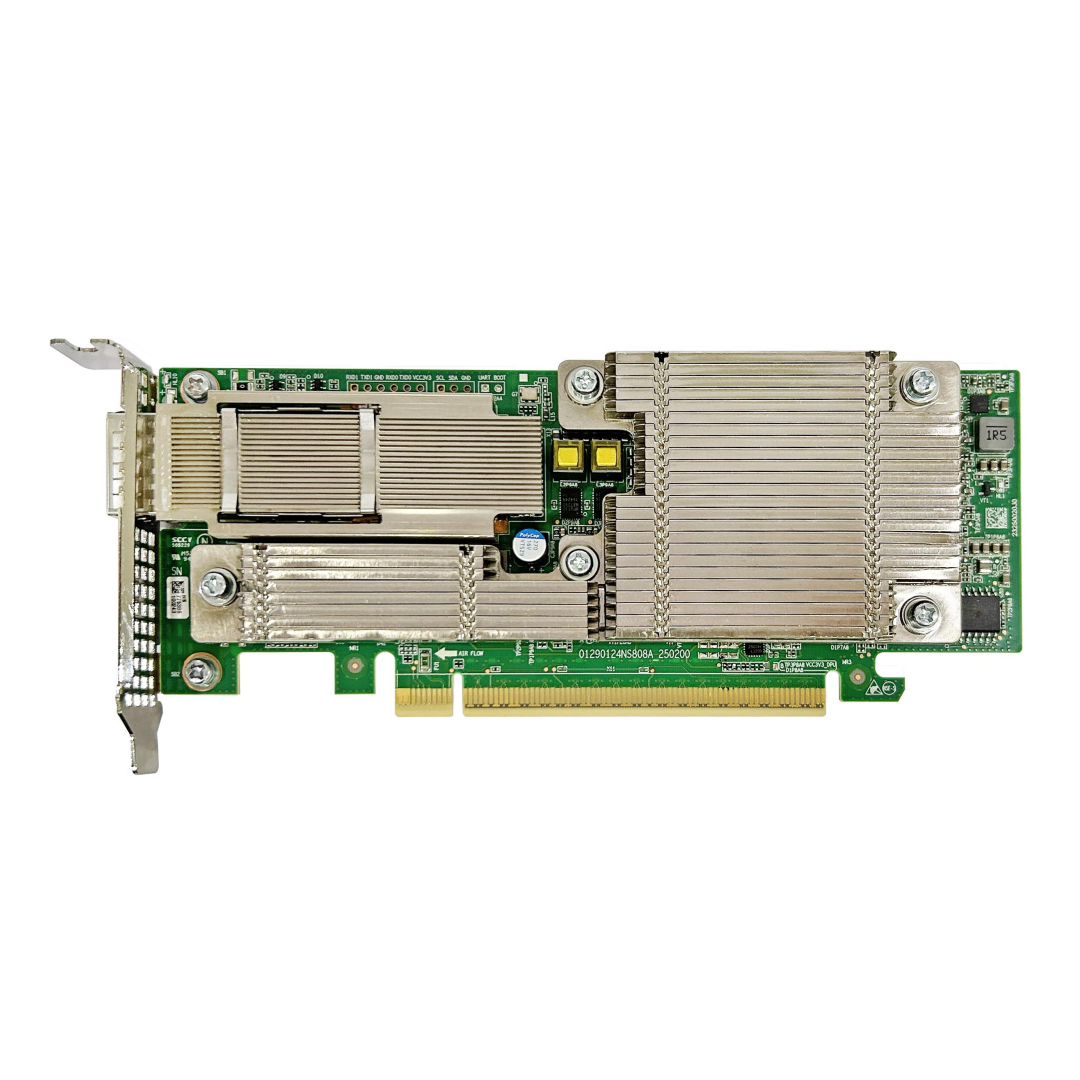
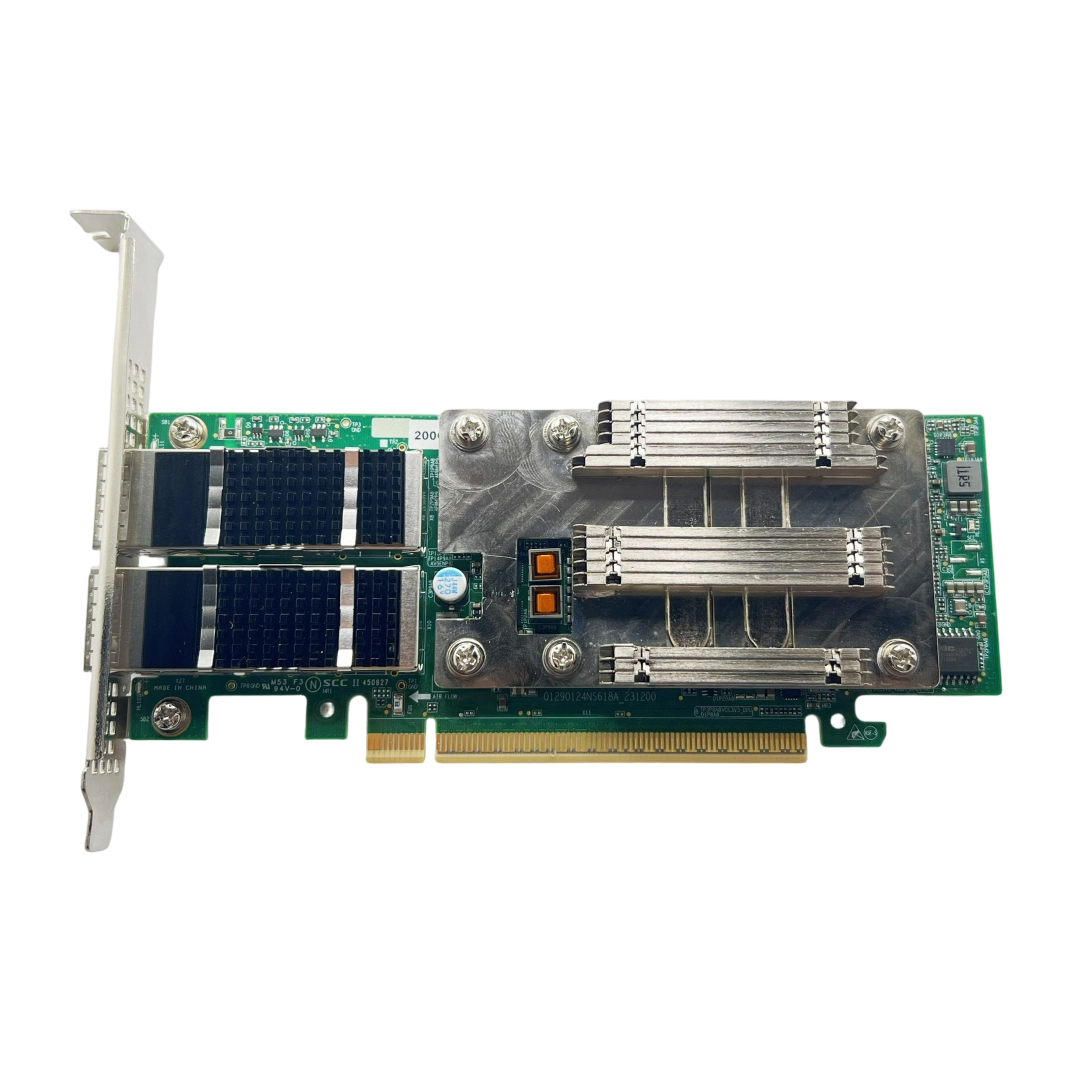
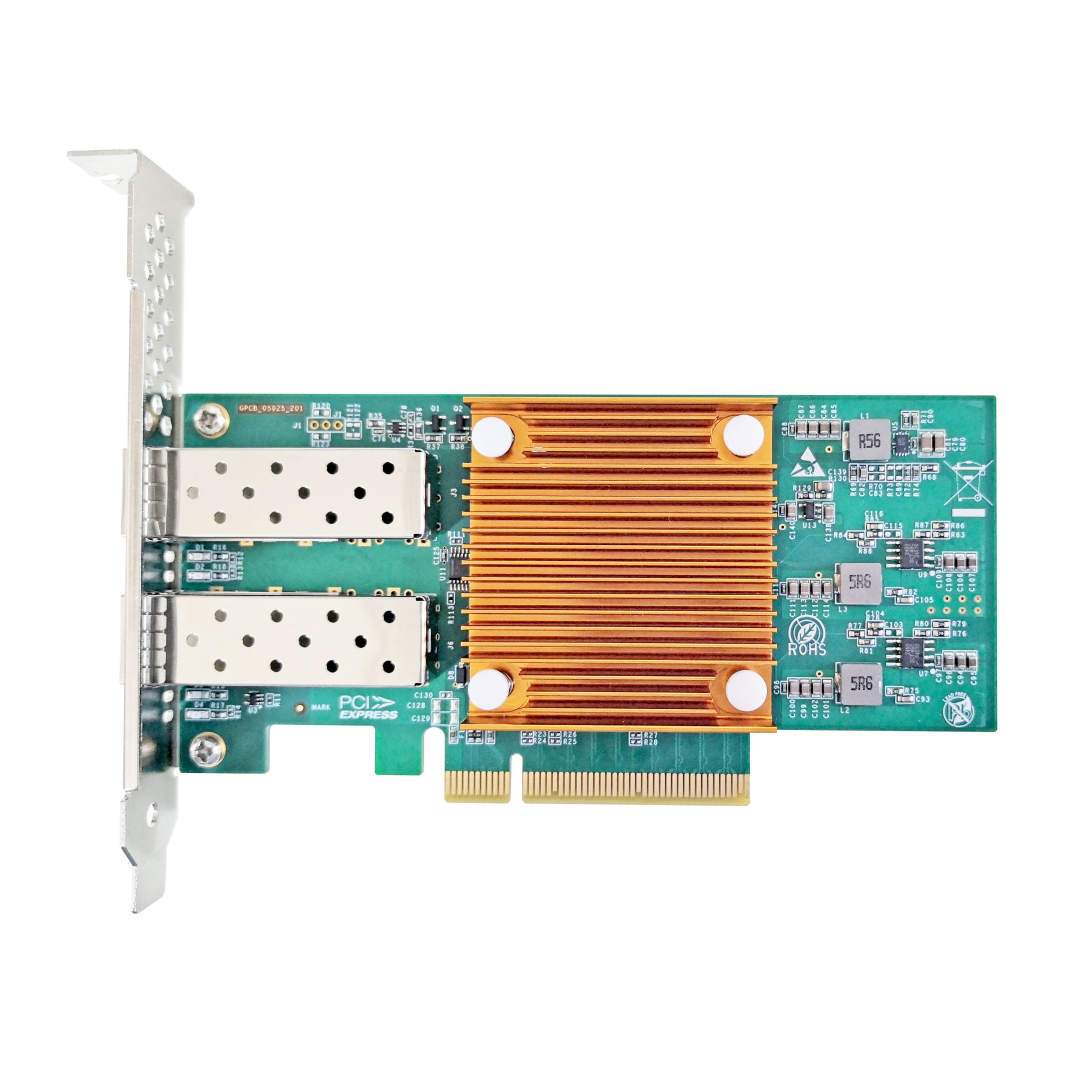
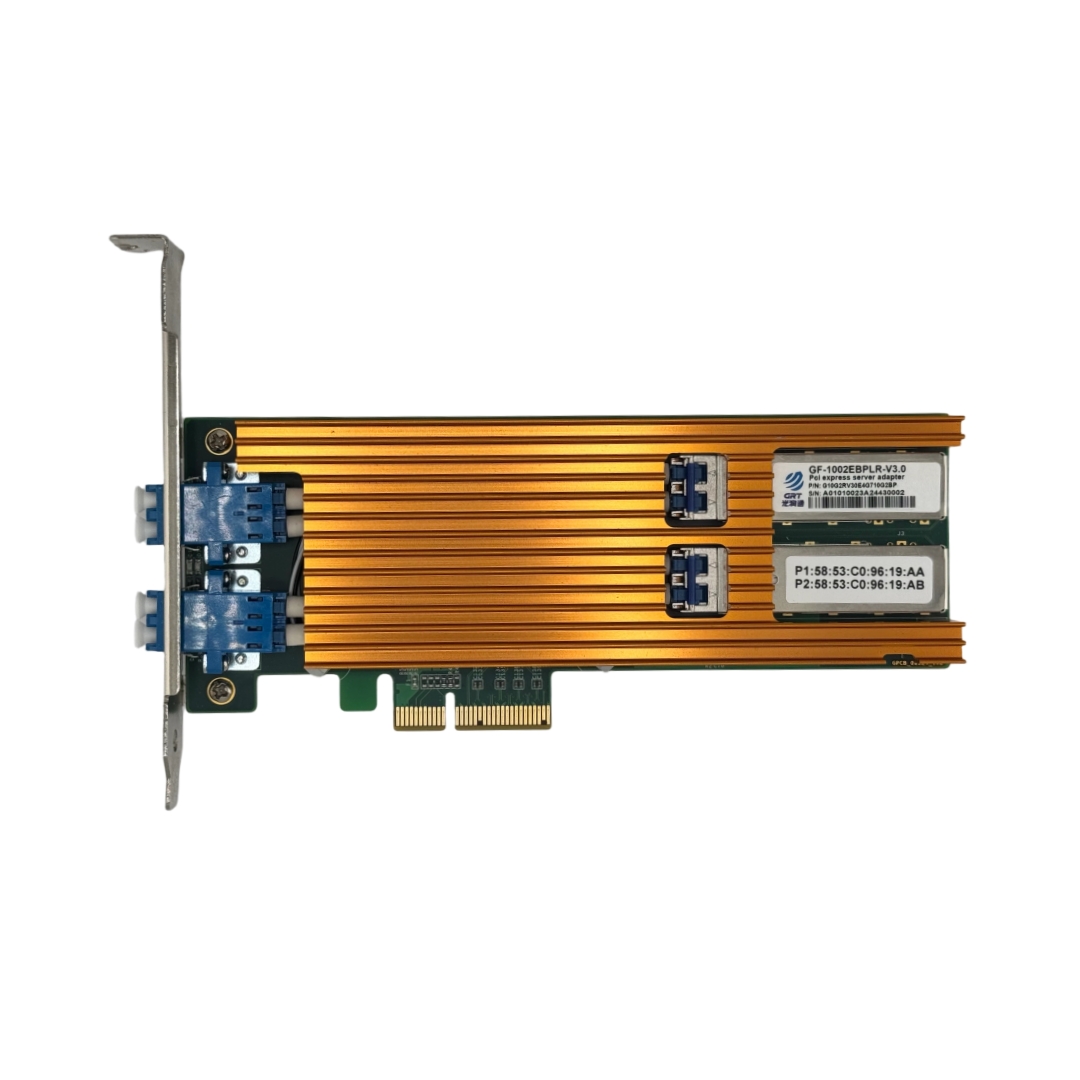
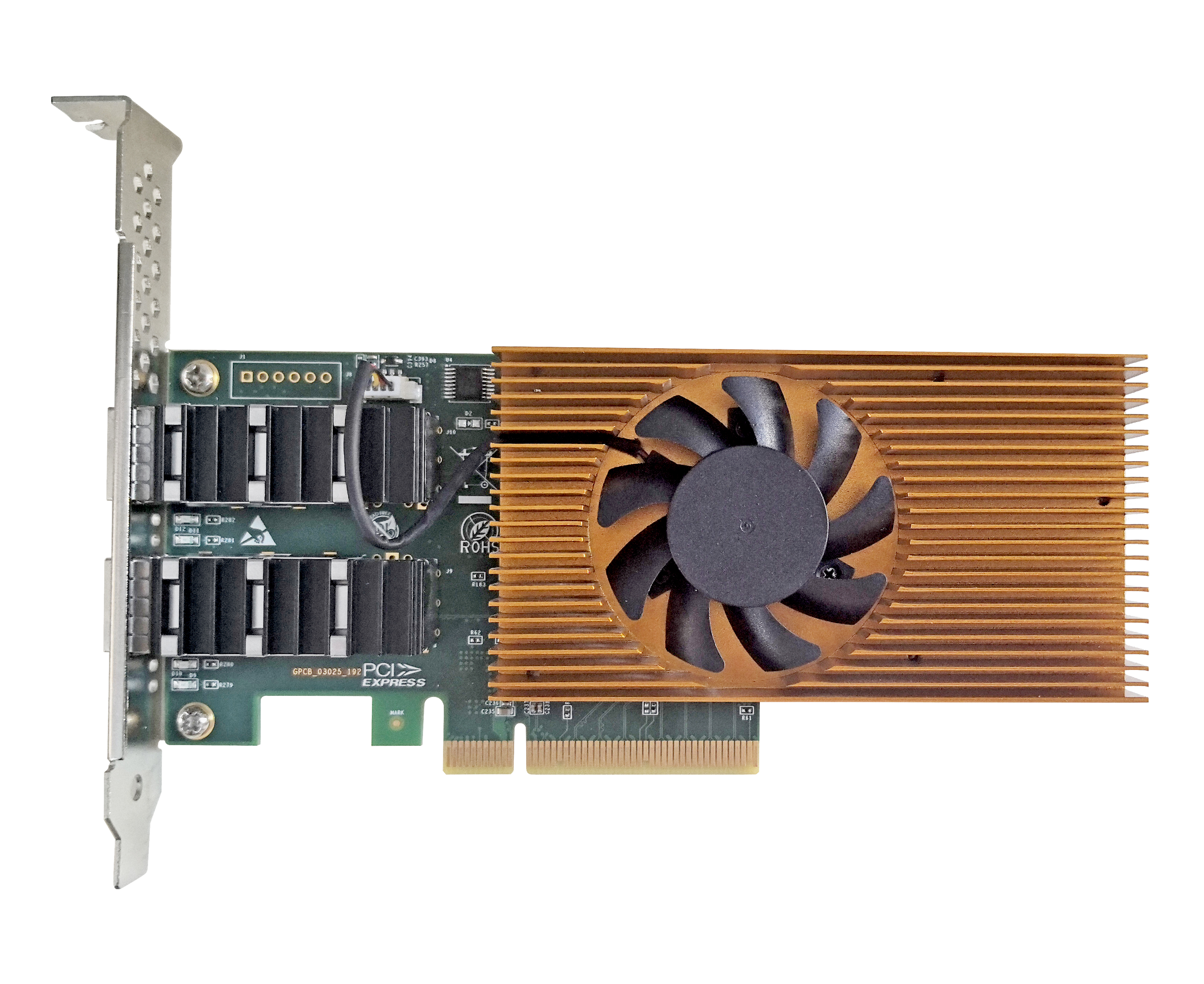
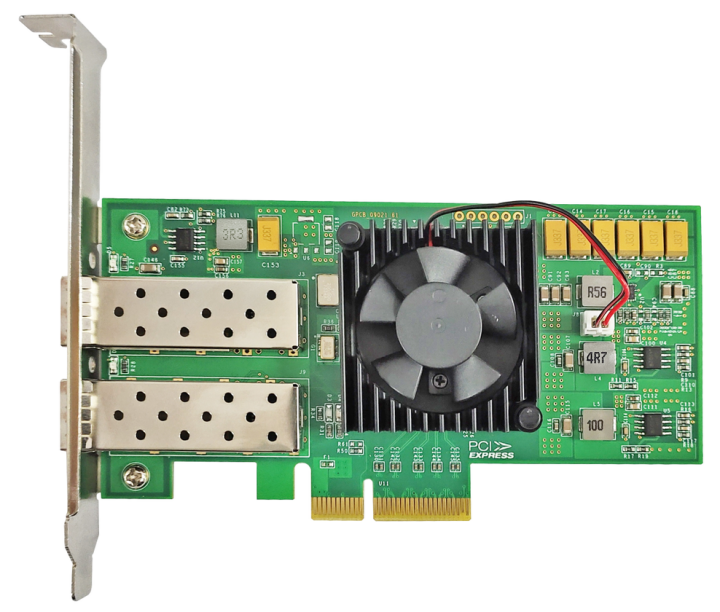
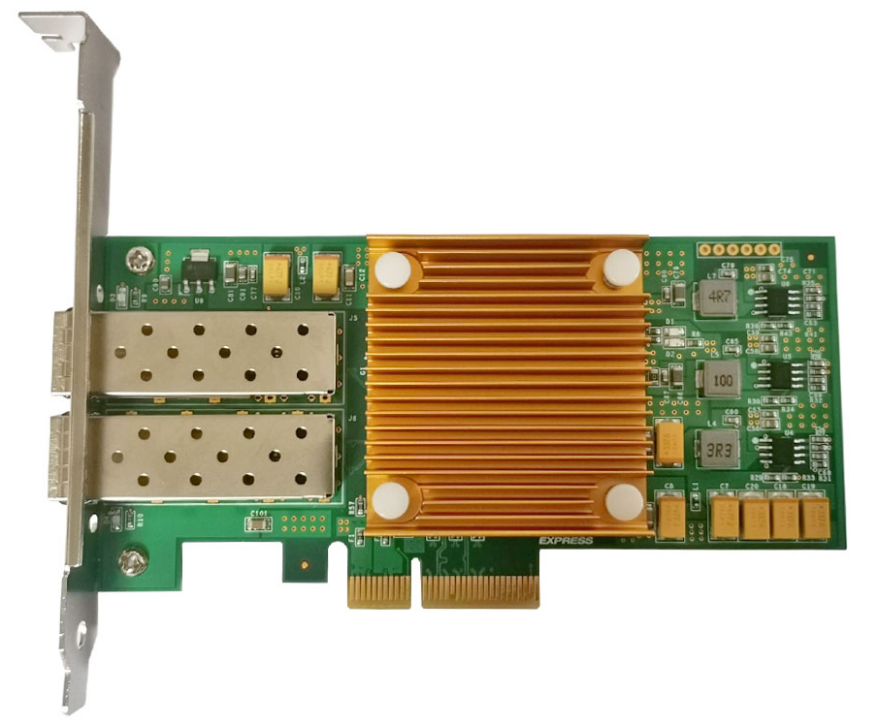
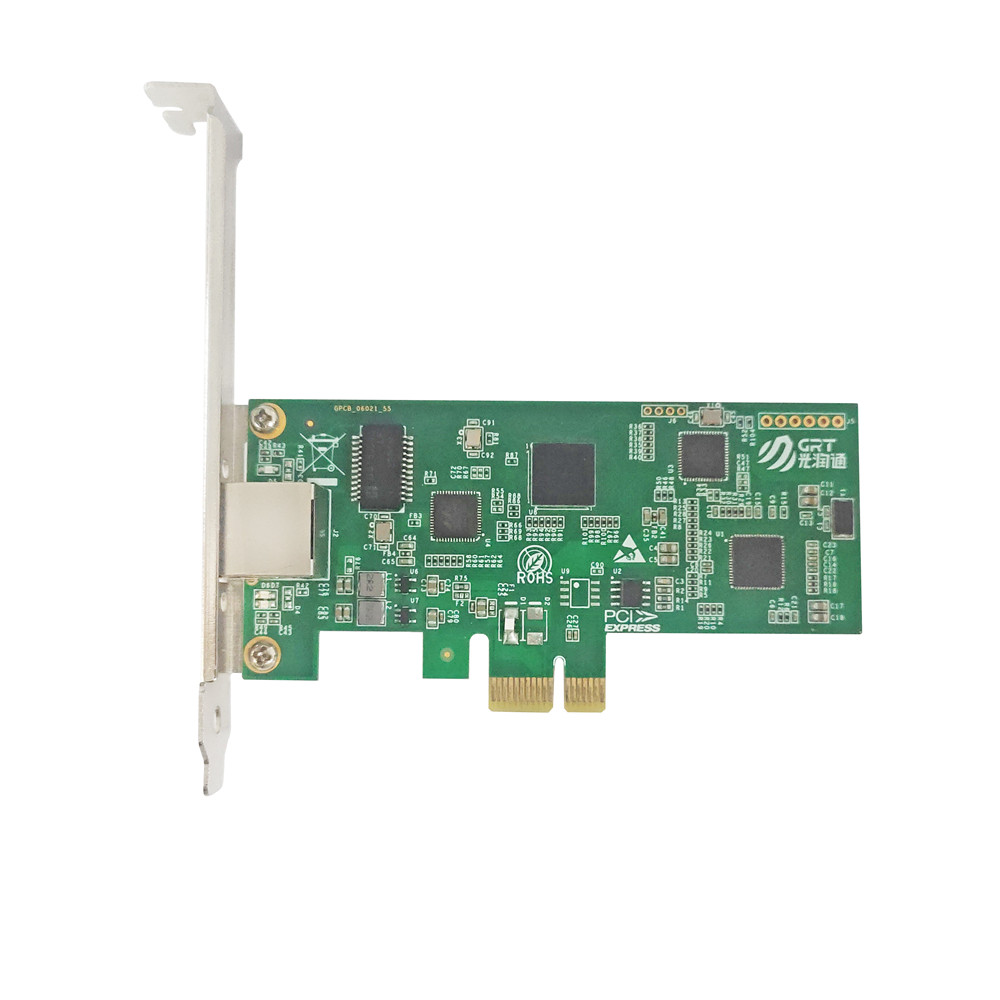
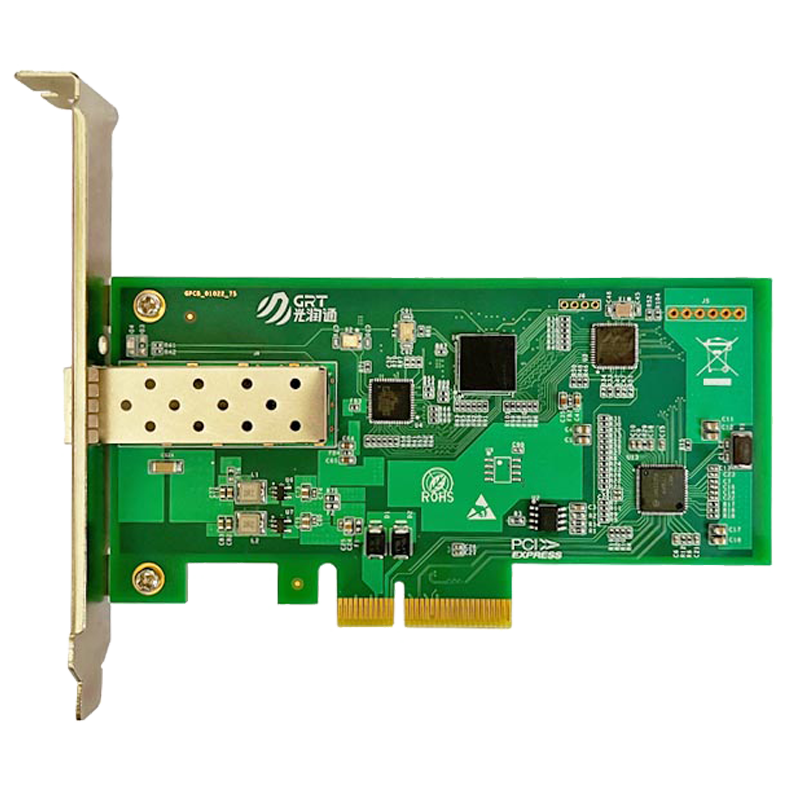
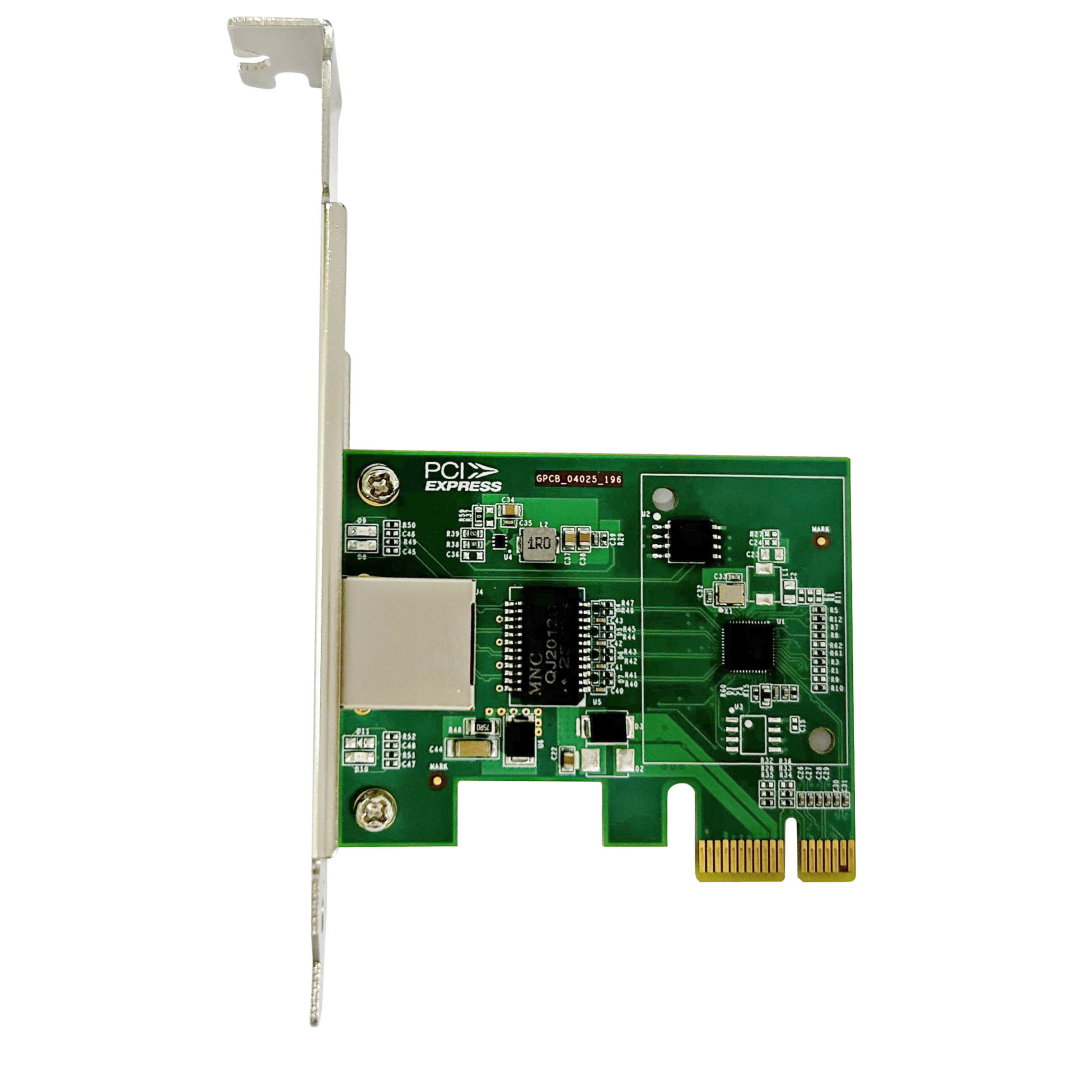
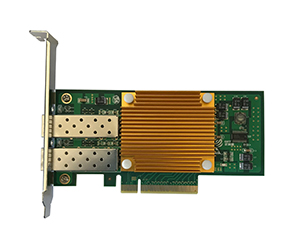
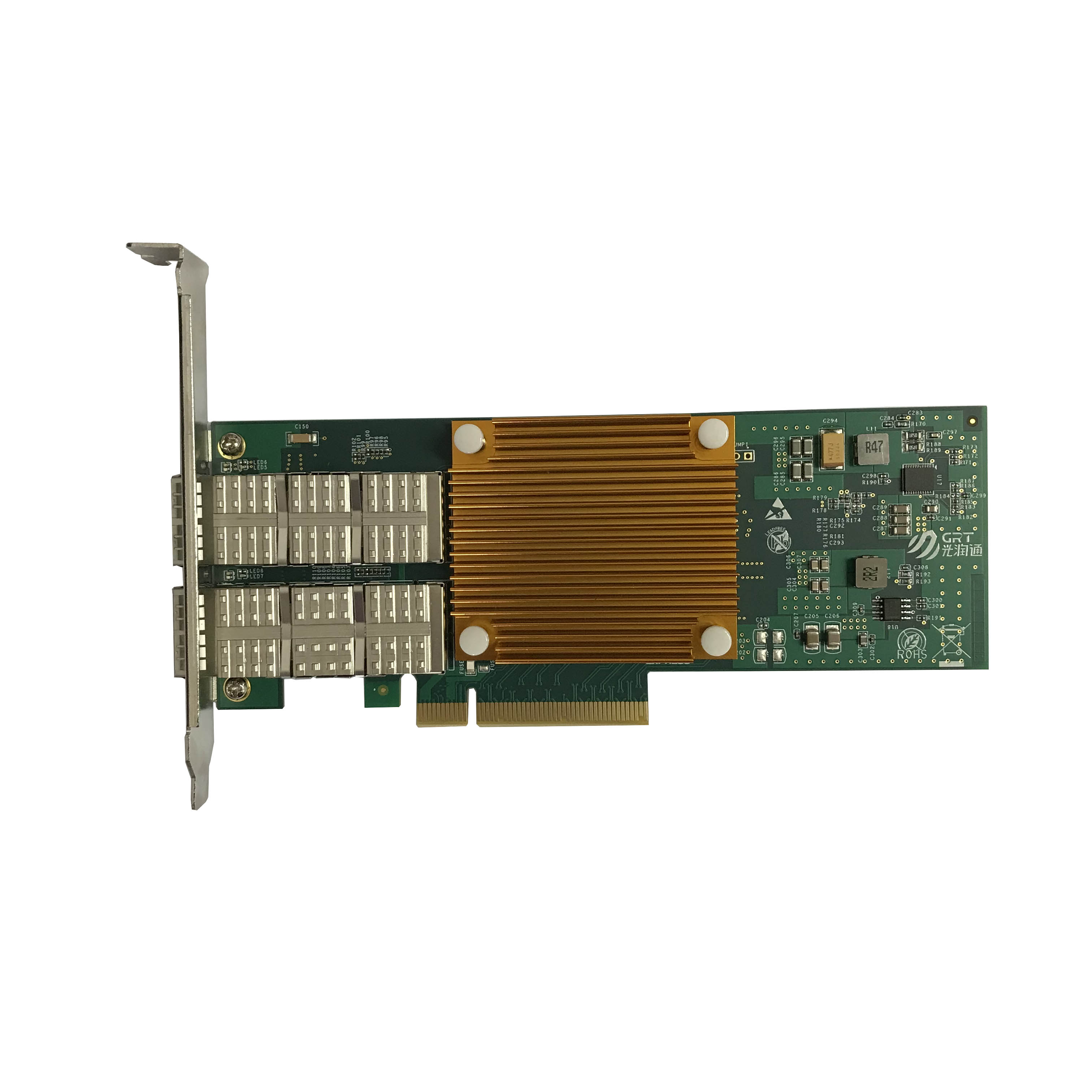
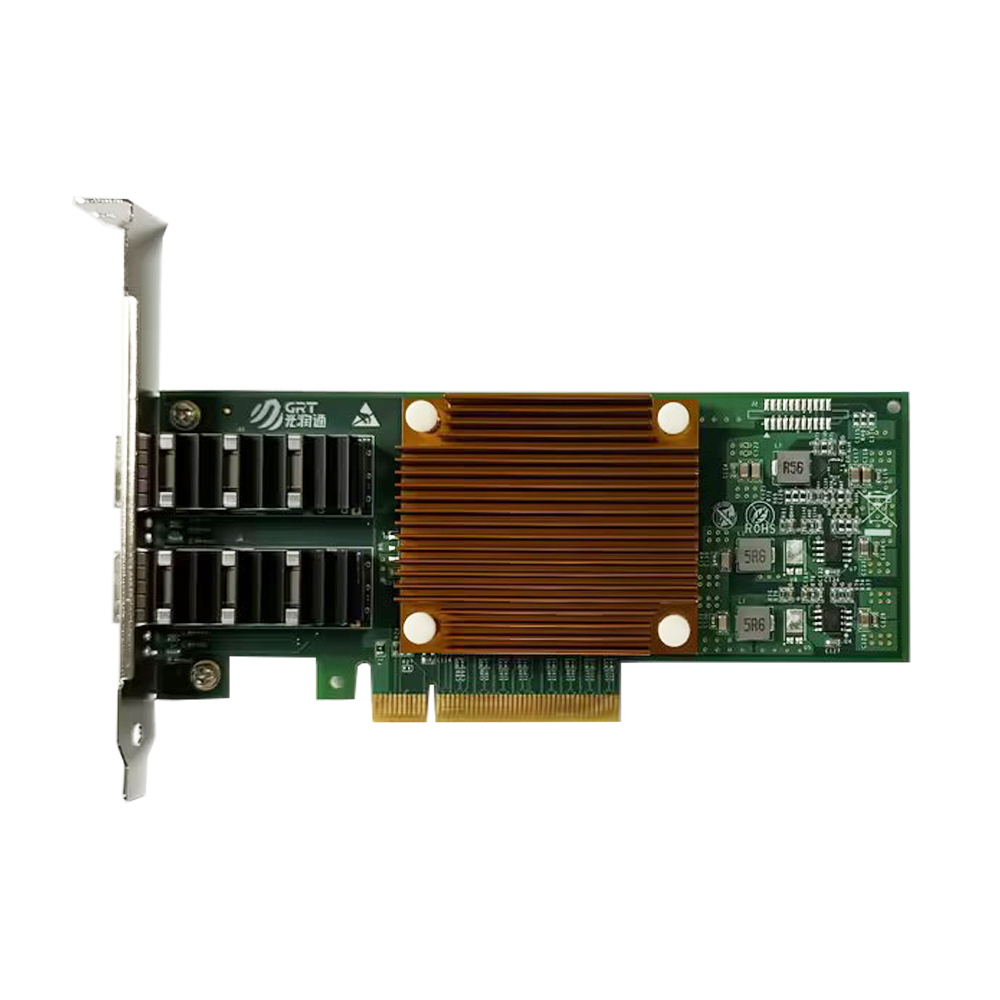
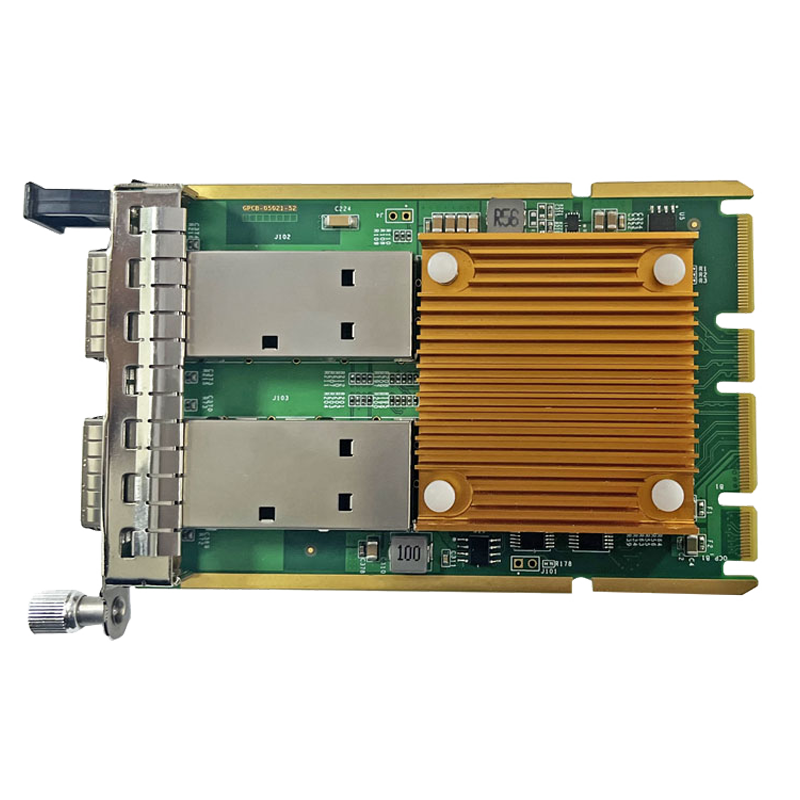
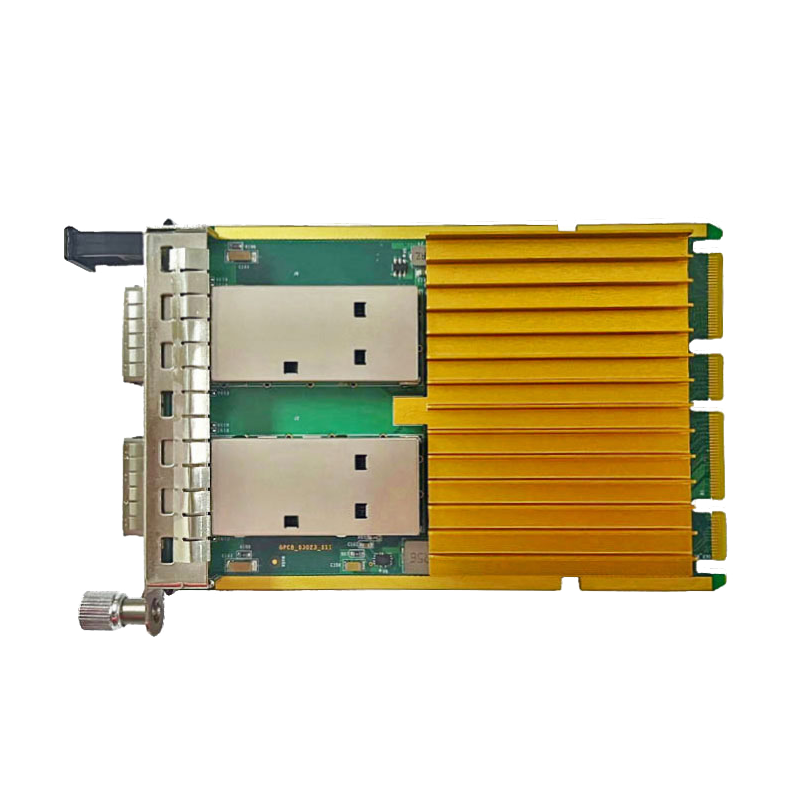
The primary requirement for industrial communications is not extreme bandwidth, but absolute determinism and resistance to interference. This is precisely where the core value of fibre-optic communications—or, more specifically, Guangruntong’s specialisation in fibre-optic network cards—lies.
Copper cables rely on electrical signals for transmission and are, in essence, antennas. In industrial environments where variable-frequency drives and high-power motors are frequently started and stopped, intense electromagnetic interference (EMI) induces noise on twisted-pair cables, leading to packet retransmission or even port lock-ups. Fibre-optic cables, on the other hand, transmit light signals and are, by nature, insulators; they are inherently immune to all forms of electromagnetic interference. This means that fibre-optic network cards can be deployed directly within high-voltage switchgear without the need for additional shielding or isolation, thereby fundamentally resolving communication faults caused by common-mode noise.
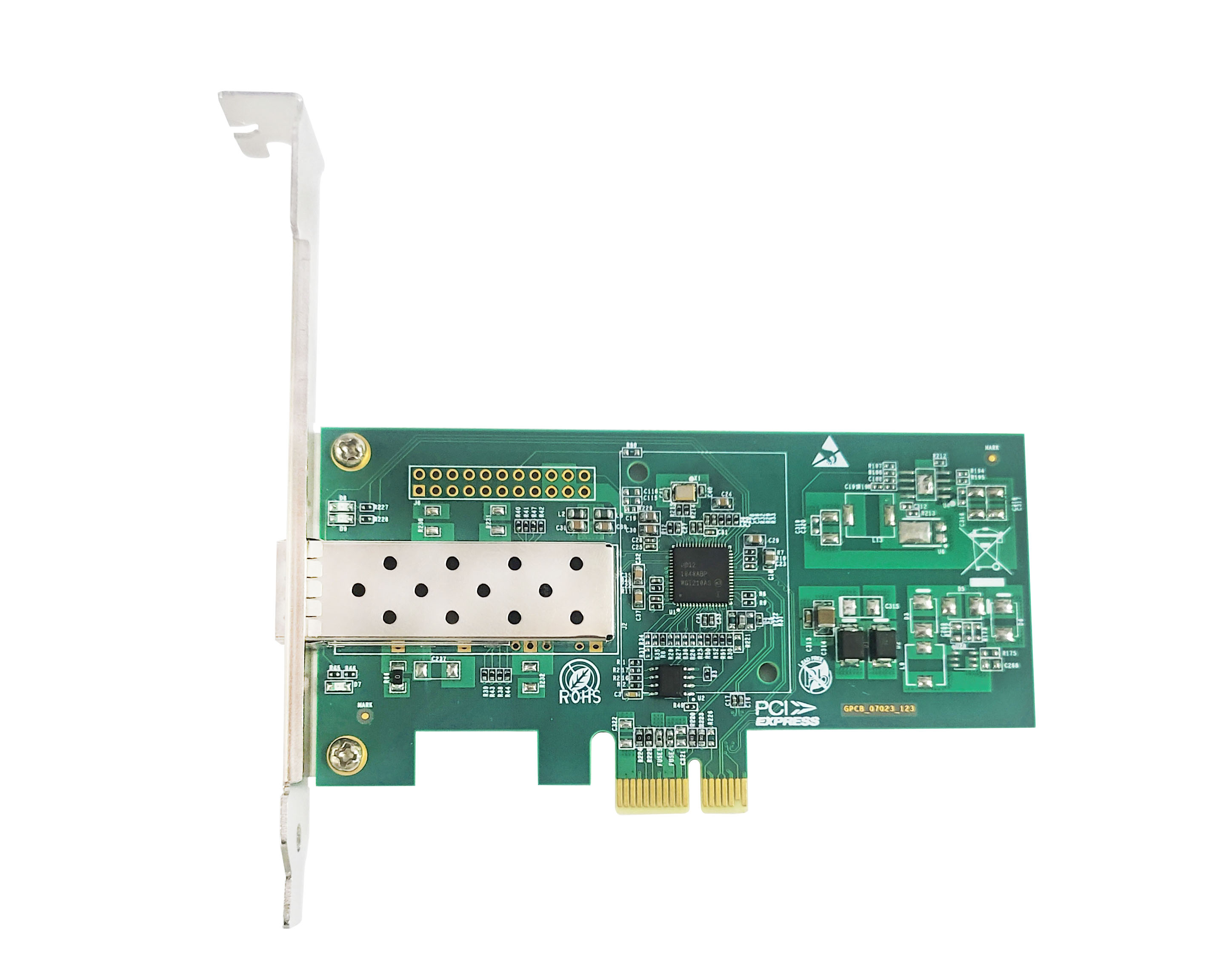
Another frequently overlooked issue is electrical isolation. Surges caused by lightning strikes or power grid faults can easily travel along network cables and burn out the interfaces of switches or PLCs. The introduction of fibre-optic technology physically severs the electrical connection between the two devices. Even if one end were to suffer a high-voltage breakdown of tens of thousands of volts, the other end would remain absolutely safe. In the motorway toll system project serviced by Guangruntong, after replacing the original copper-cable network cards with Gigabit fibre-optic network cards, the incidence of toll data loss caused by lightning strikes was reduced to zero.
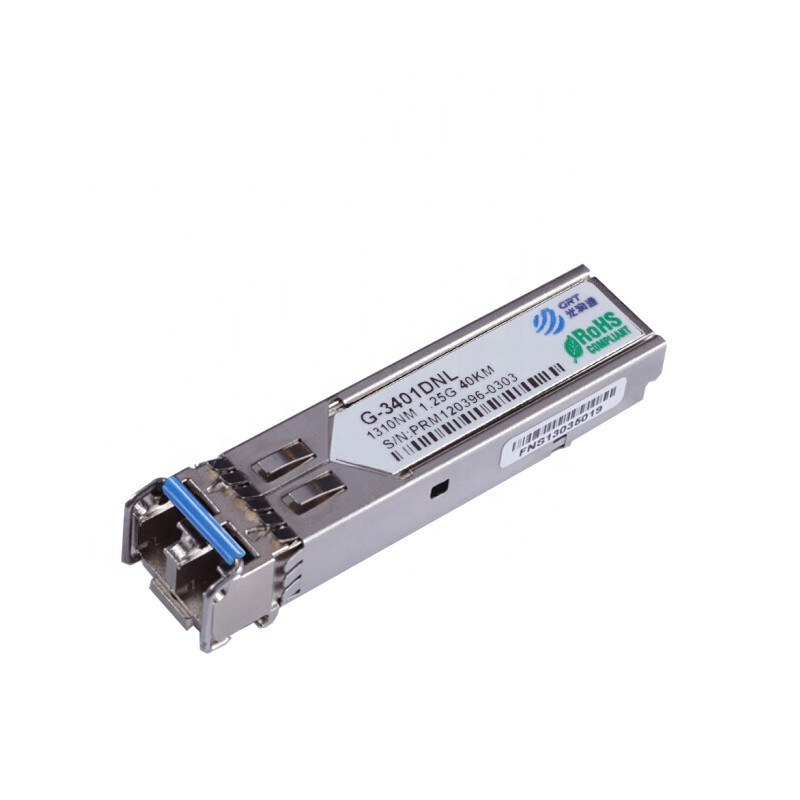
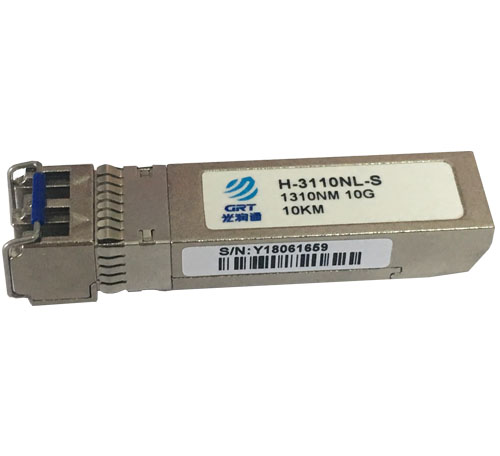
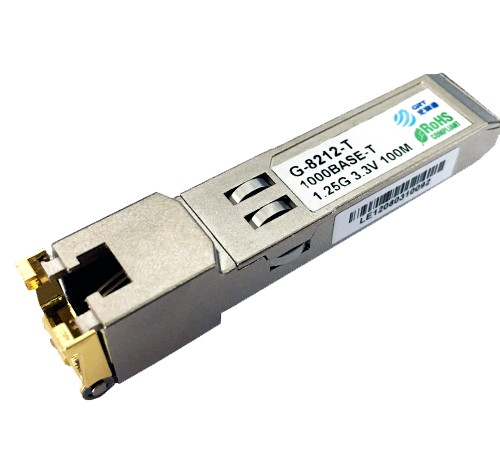
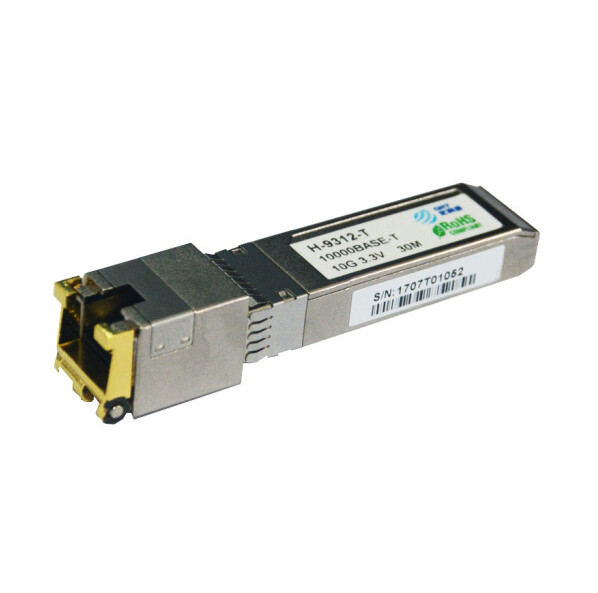
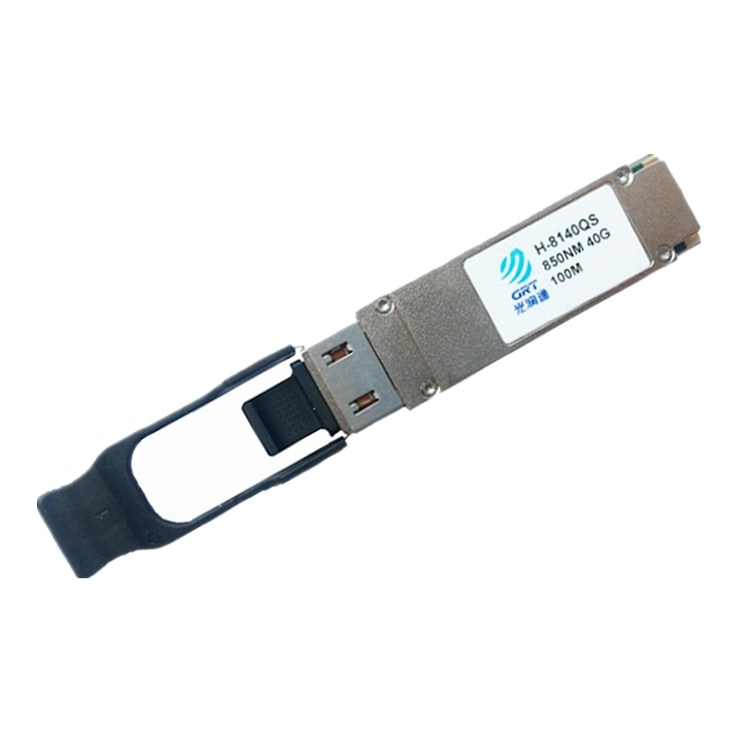
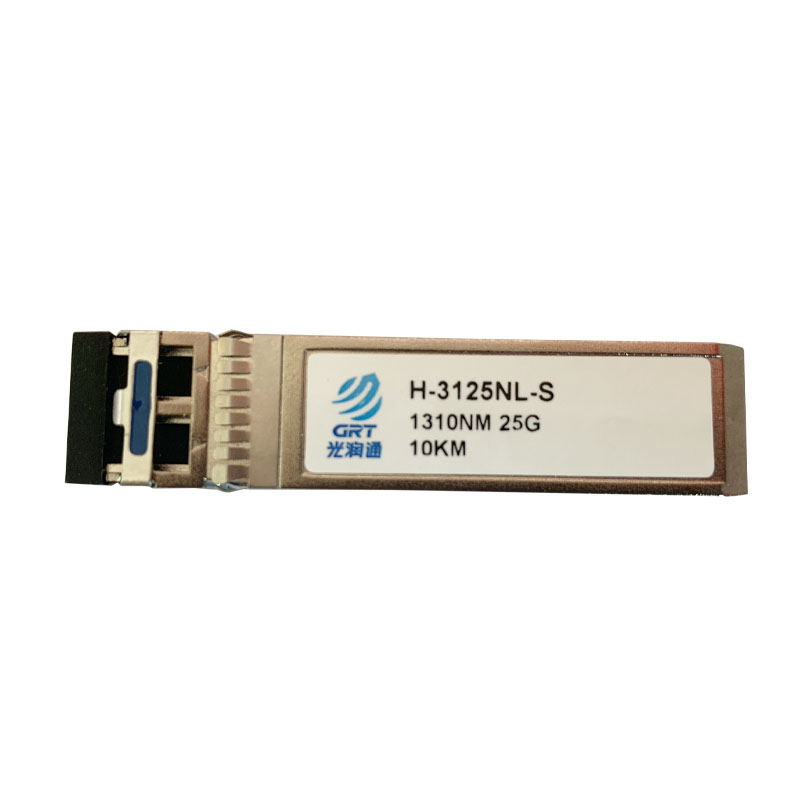
Furthermore, considerations regarding transmission distance and data security cannot be overlooked. In industrial settings, equipment is often widely distributed, ranging from tens of metres to several kilometres. Single-mode fibre, when paired with the appropriate optical modules, easily enables the transmission of high-definition video or control commands over distances of 10 kilometres, 20 kilometres or even further—a feat beyond the capabilities of copper cabling. Furthermore, the radiation-free nature of fibre optics prevents signals from being intercepted via electromagnetic induction; for control systems involving critical infrastructure, this is undoubtedly the most secure method of data transmission at the physical level.
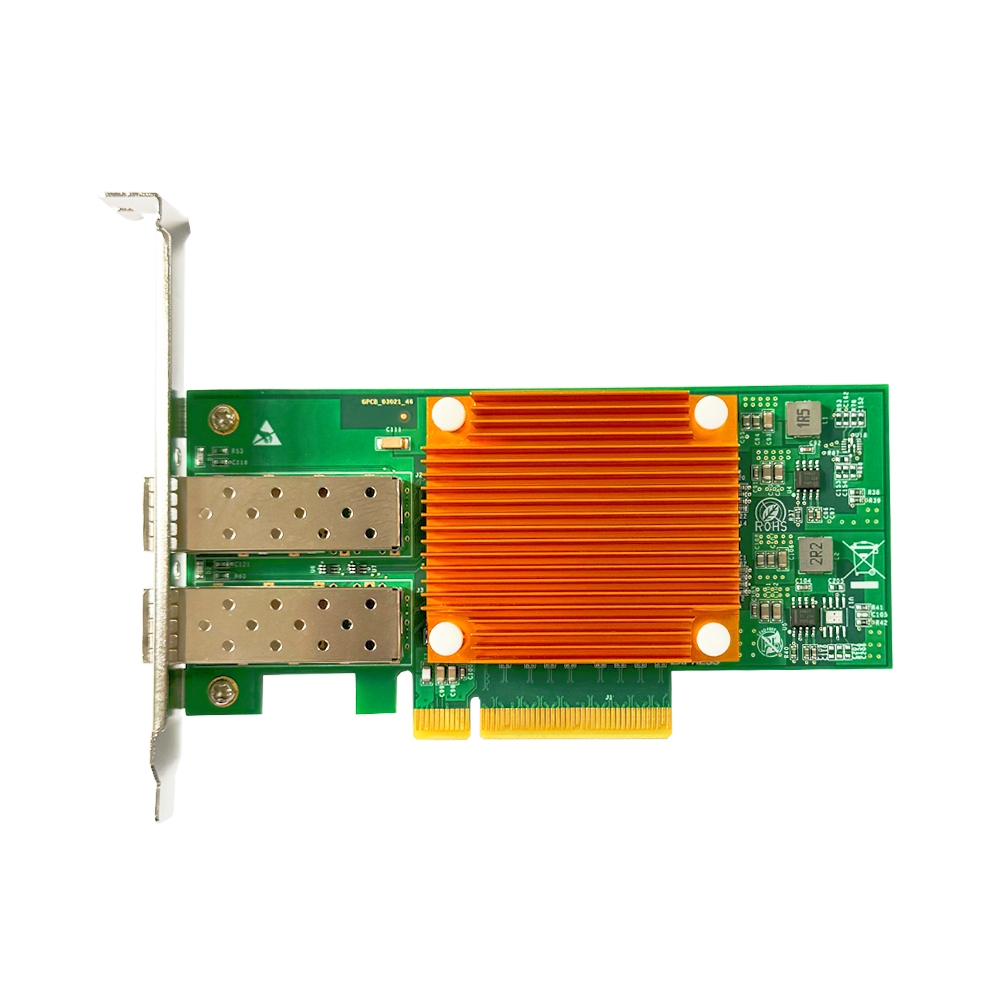
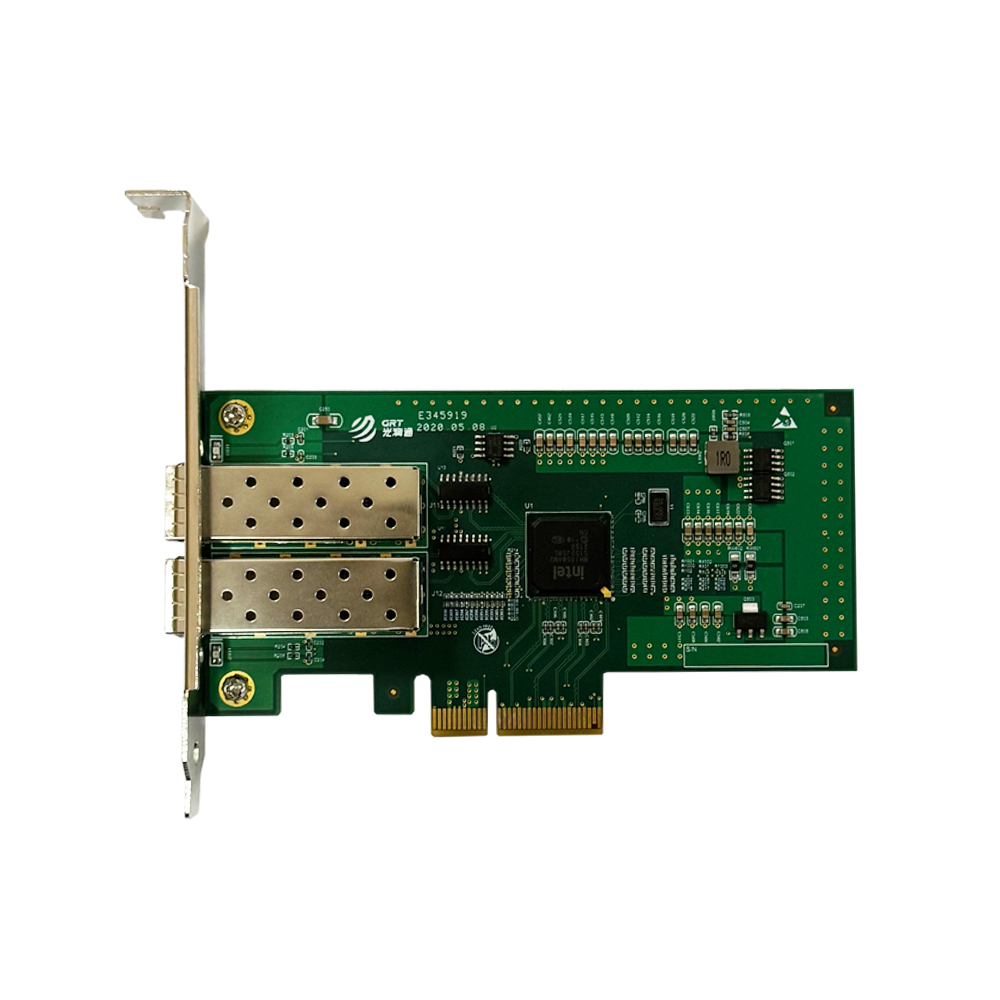
The advancement of Industry 4.0 is underpinned by the interconnection of hundreds of millions of data points. Within this interconnected network, choosing fibre optics means selecting not merely a transmission medium, but a physical architecture characterised by high reliability, high security and long-distance passive transmission. In the design of its industrial-grade network cards, Guangruntong not only takes into account wide temperature requirements (-40°C to 85°C), but has also incorporated redundant designs for power protection and interface reinforcement, ensuring that data flows remain rock-solid even in harsh environments.
Latest information
- NAS Storage Network Upgrade Guide
- Why Does Upgrading Your NAS to 2.5GbE Not Improve Network Speed?
- What Is an OCP 3.0 Network Card?
- The King of Cost-Effective 25G NIC: In-Depth Analysis of Guangruntong (GRT) GH2502EM-V4.1
- The Hidden Relationship Between NIC Heat Dissipation and Data Center Cabinet Layout
- Why are serpentine traces designed on the NIC PCB board
- NIC and Operating System Ecosystem Adaptation: From Hardware Compatibility to Win-Win Performance
- NIC Hardware Offload Technology: Let Server CPU Focus on Business Computing