Sign in



What is the PTP Protocol and Which Guangruntong(GRT) Chips Support It?
< BackIn a recent online customer inquiry, a customer raised a technical question: "Does your 10G network card support PTP?" After confirmation with the technical team, GRT network cards equipped with Intel I210 and Intel E810 chips support the PTP protocol; other chips do not currently support it. This article outlines the basic concepts, application scenarios, and hardware support requirements of the PTP protocol.
I. What is the PTP Protocol?
PTP (Precision Time Protocol) is a network clock synchronization protocol defined by the IEEE 1588 standard. Its basic function is to synchronize the clocks of all devices in a distributed network with the most accurate clock in the network. Unlike the traditional NTP (Network Time Protocol), PTP achieves sub-microsecond or even nanosecond time synchronization accuracy through a hardware timestamp mechanism, while NTP typically only achieves millisecond-level accuracy.
The working principle of PTP can be understood as follows: the most accurate clock in the network is selected as the "master clock," and other devices synchronize with it as "slave clocks." The master clock periodically sends synchronization messages with precise timestamps to the network. Slave clocks measure network transmission latency by exchanging these messages and calibrate their own clocks accordingly.
II. Hardware Timestamps: The Key to PTP Accuracy
The key to high-precision synchronization in PTP lies in hardware timestamps. Ordinary network cards (NICs) timestamp data packets at the operating system level via the driver. This process is affected by uncertainties such as operating system scheduling and interrupt responses, resulting in limited accuracy. NICs supporting hardware timestamps record the time the data packet arrives at the physical port instantly, eliminating software-level uncertainties and achieving nanosecond-level time synchronization accuracy.
Therefore, whether a NIC supports the PTP protocol essentially means whether its hardware has timestamp functionality. This is a crucial point for customers to consider when selecting a NIC.
III. Typical Application Scenarios of PTP
The PTP protocol is widely used in fields with stringent requirements for time synchronization accuracy.
In the financial trading field, high-frequency trading and cross-regional order matching have extremely high requirements for time synchronization. Data shows that a 0.001-second delay on the Nasdaq exchange could result in losses of tens of millions of dollars. The financial industry has deployed PTP (Programmable Time Protocol) to achieve time synchronization errors of less than 100 nanoseconds across geographically dispersed trading systems.
In the 5G communications field, the time synchronization accuracy between base stations needs to reach microsecond or even nanosecond levels. PTP is a key technology for achieving high-precision synchronization in 5G fronthaul networks.
In the industrial automation field, scenarios such as multi-axis collaborative motion and robot control require strict synchronization of multiple devices. PTP can meet their microsecond-level time synchronization requirements.
In the data center and smart park fields, PTP can provide sub-microsecond synchronization for devices such as server clusters, cameras, and industrial controllers.
In the power system field, applications such as relay protection also rely on PTP to achieve high-precision time synchronization.
IV. Guangruntong(GRT)'s Support for PTP
Returning to the customer's initial question: Which GRT network cards support PTP?
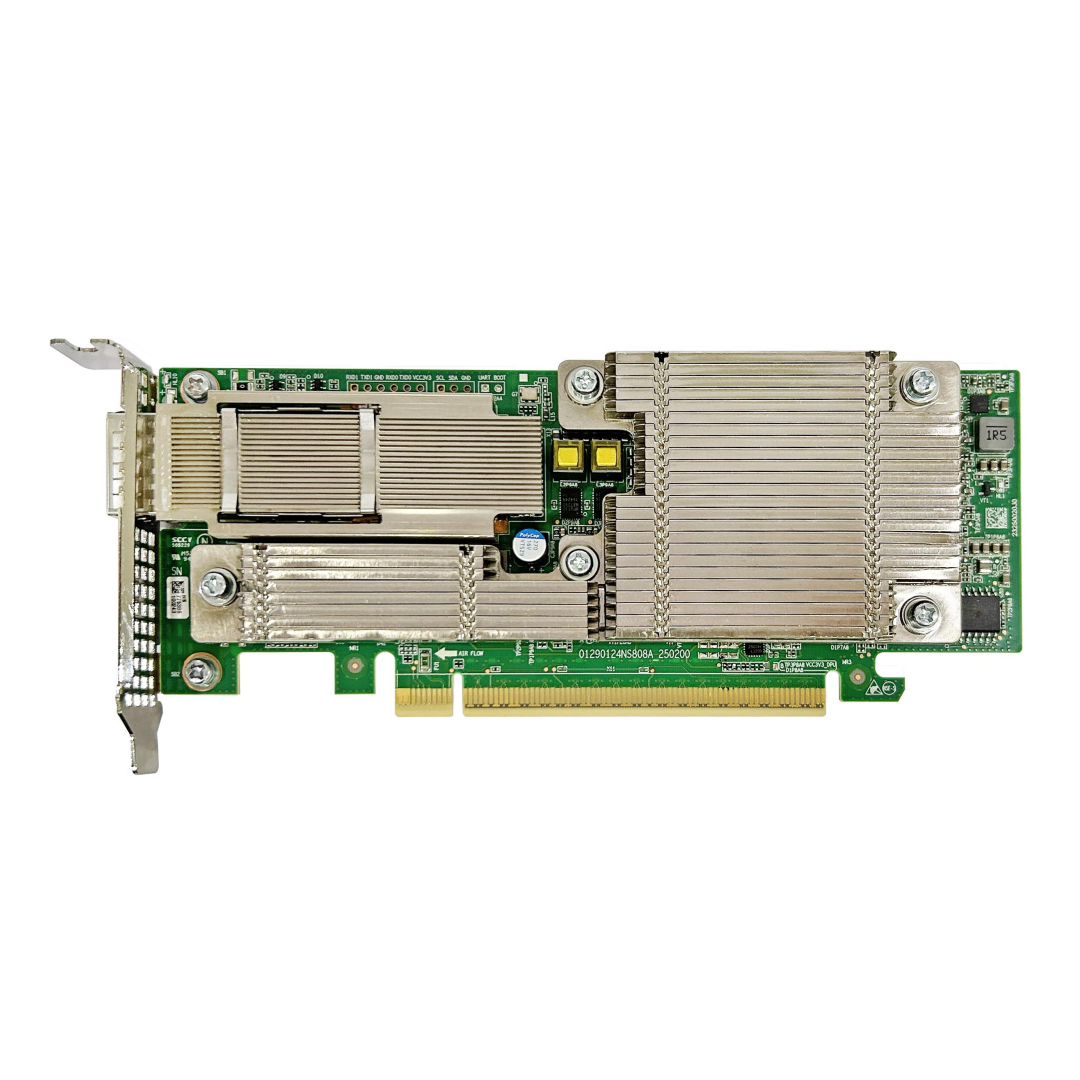
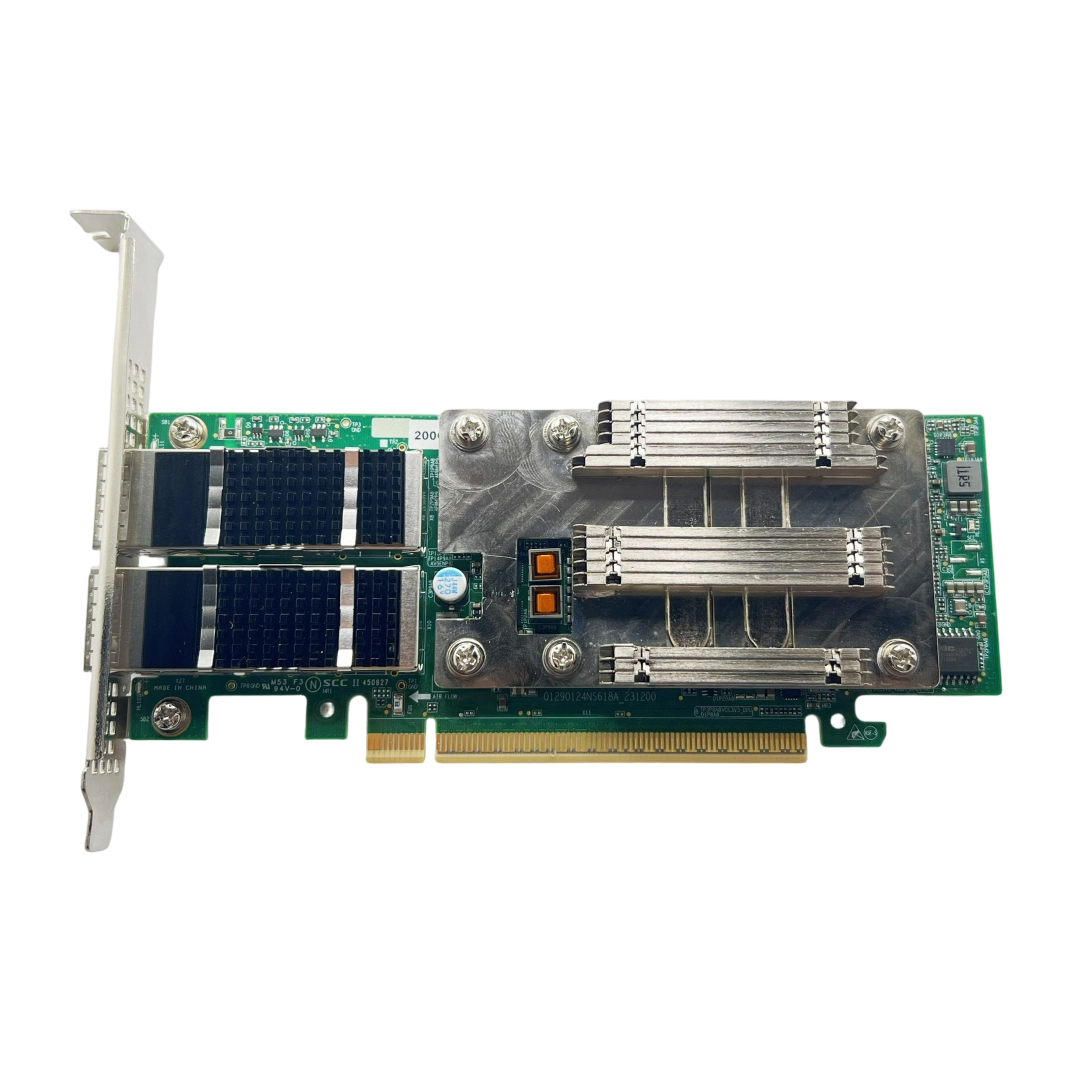
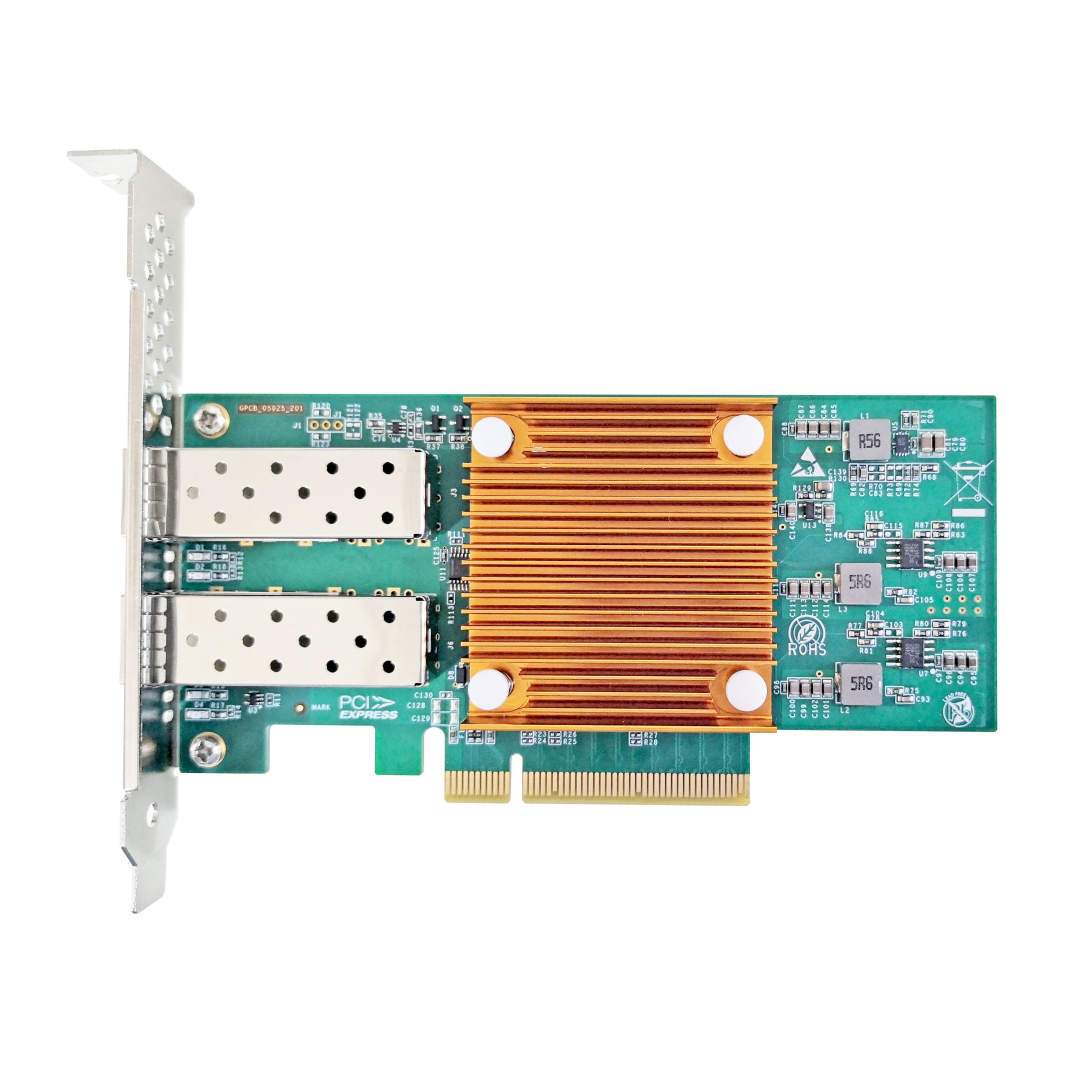
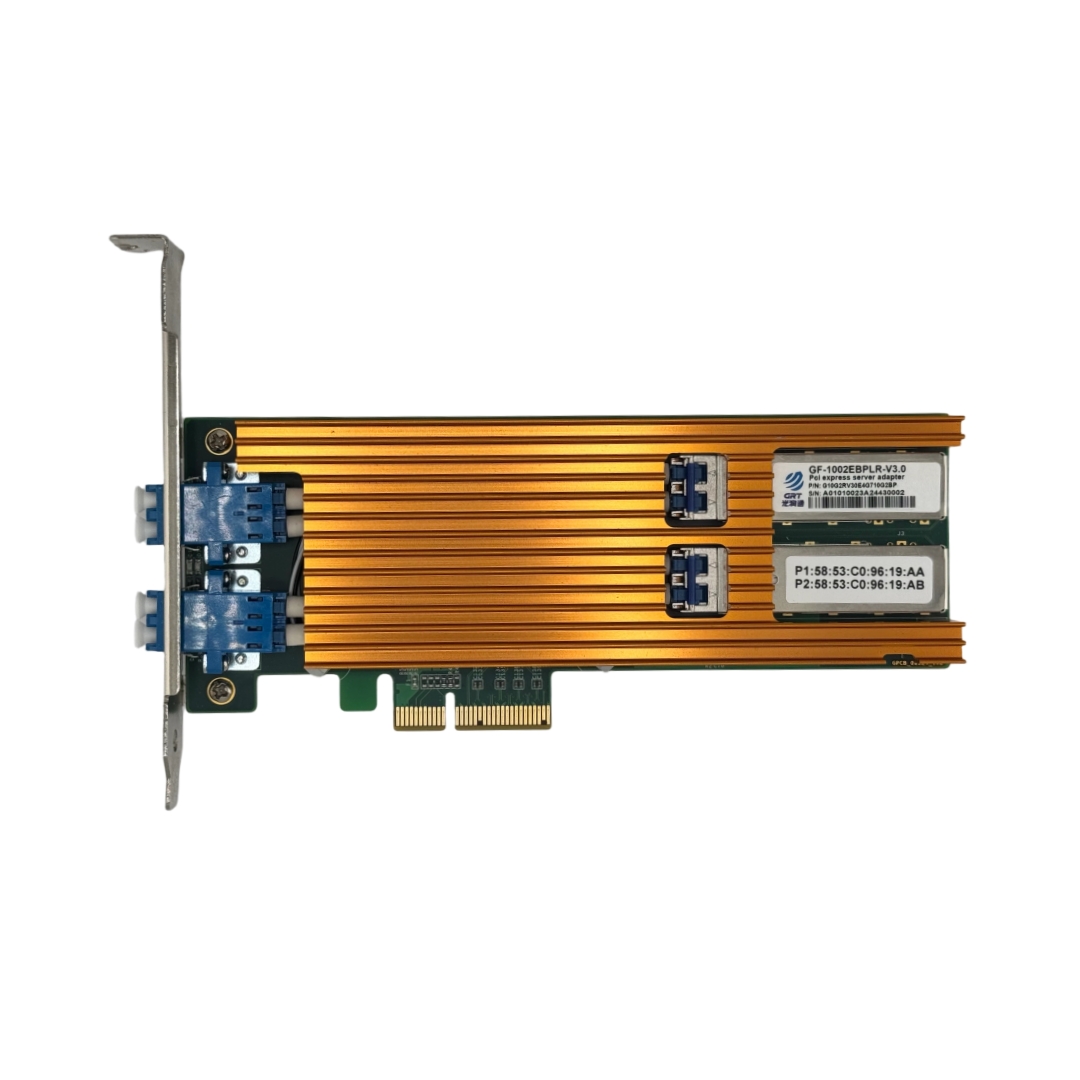
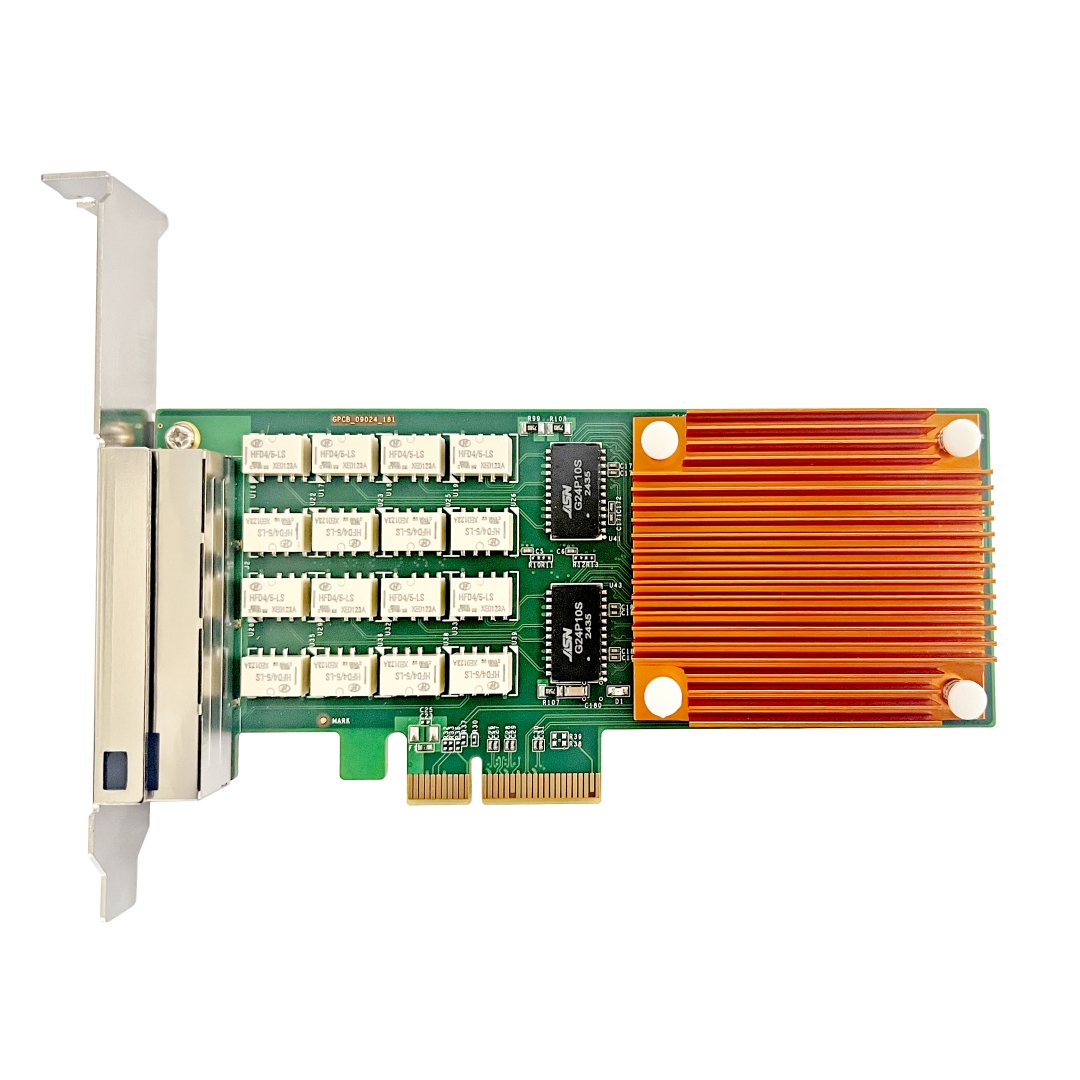
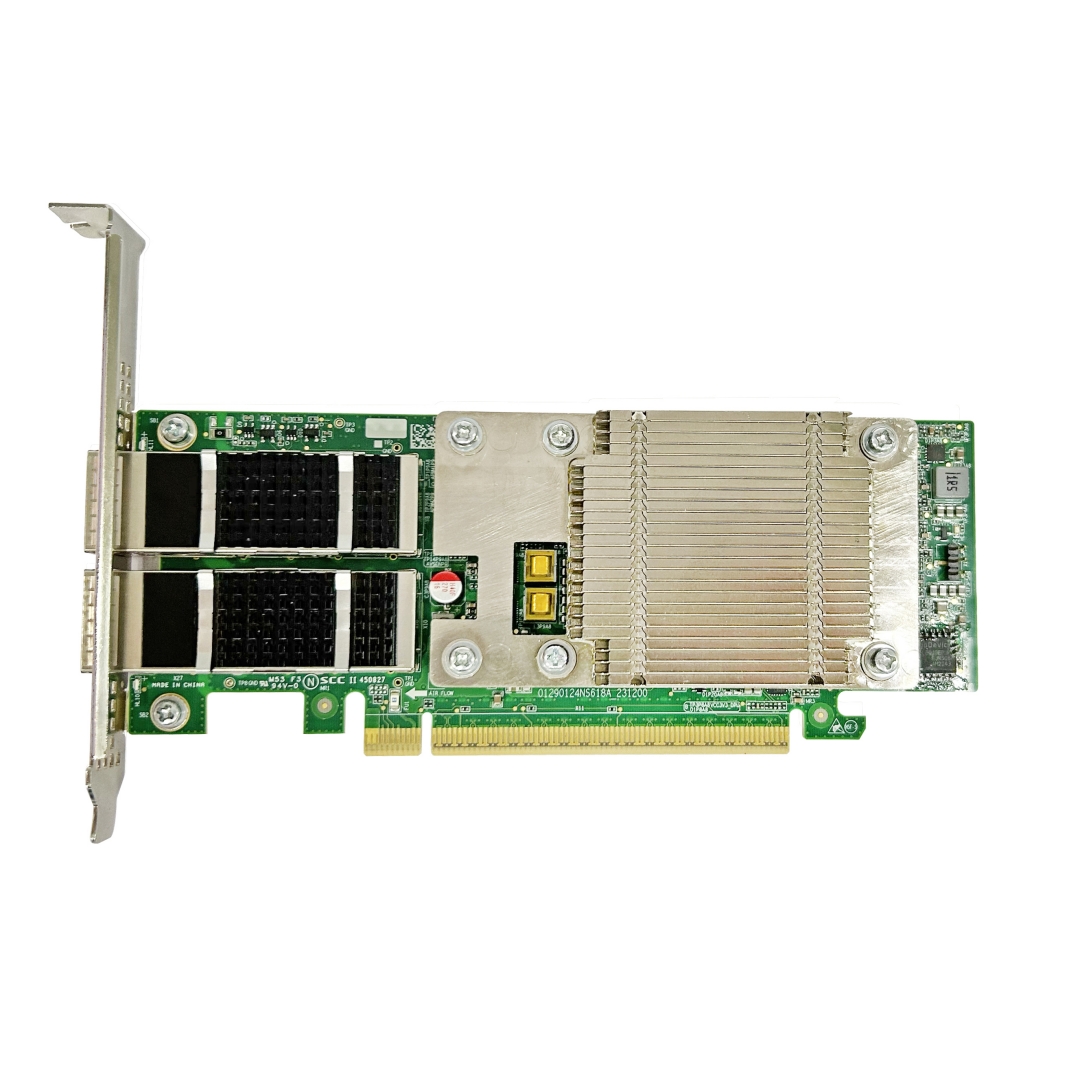
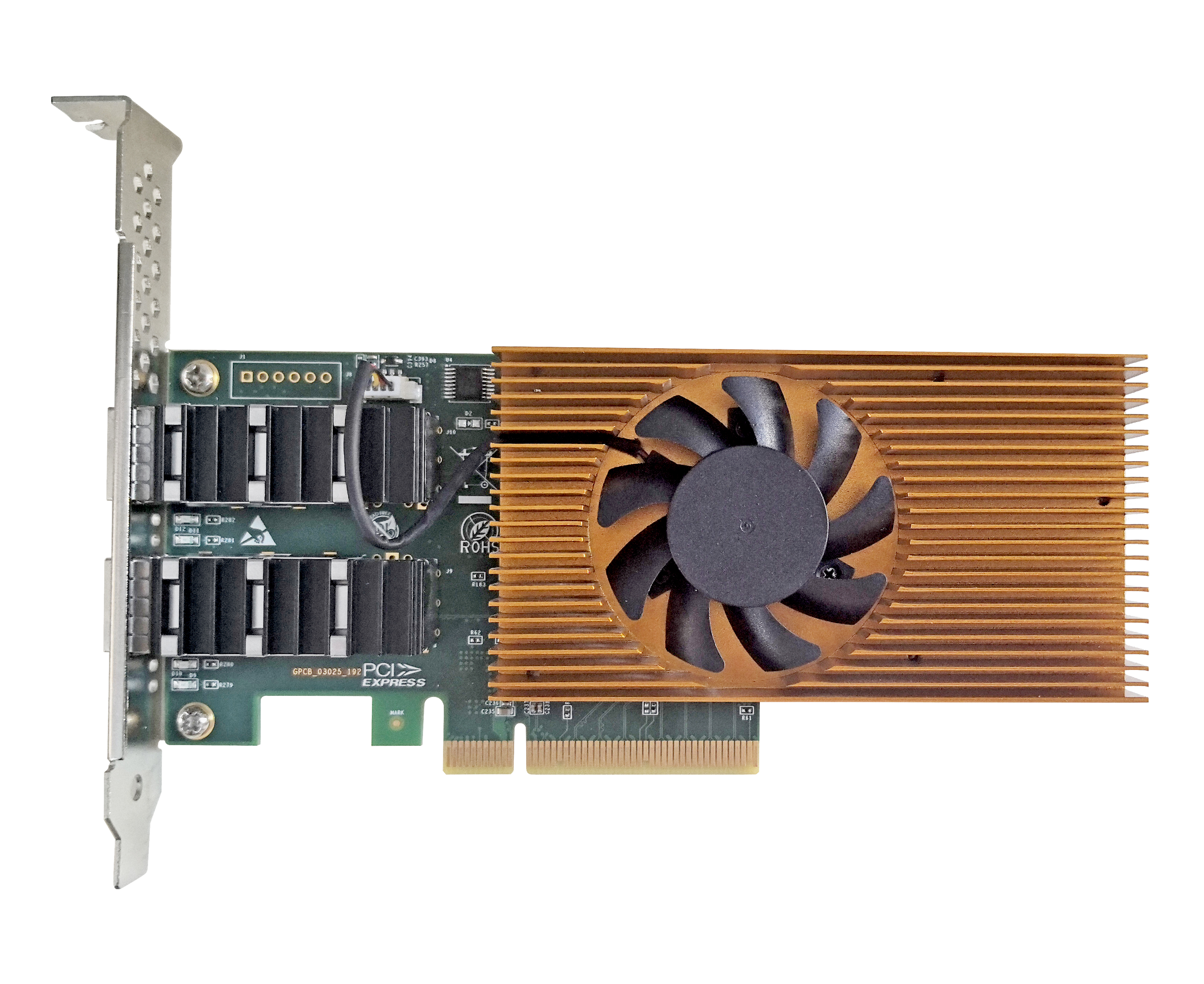
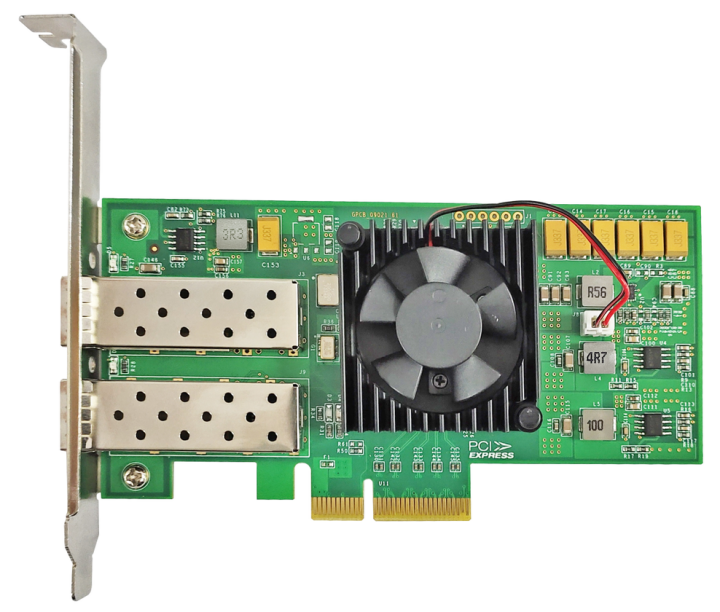
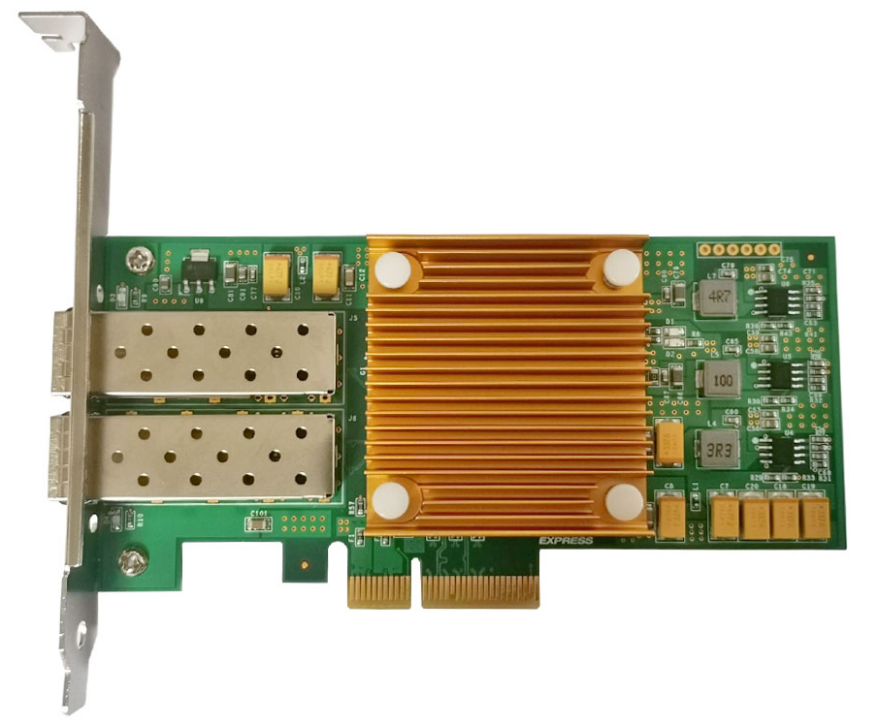
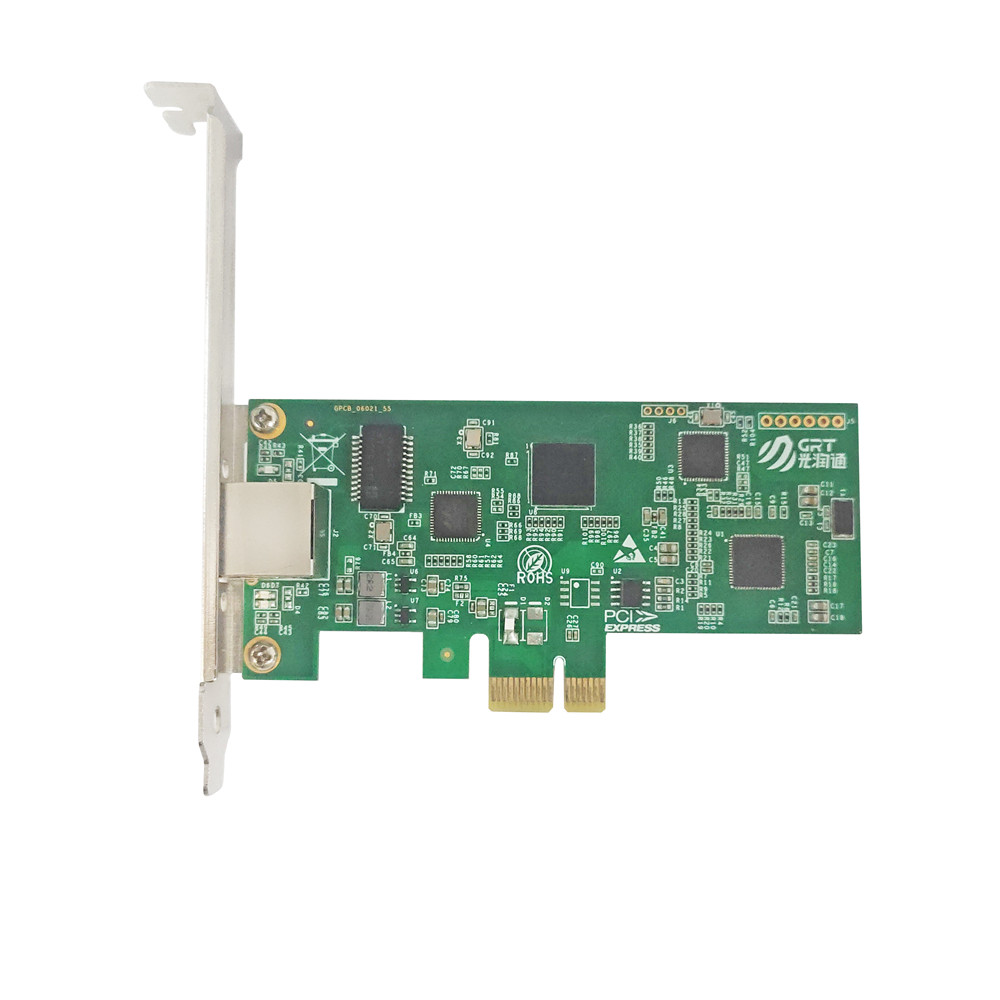
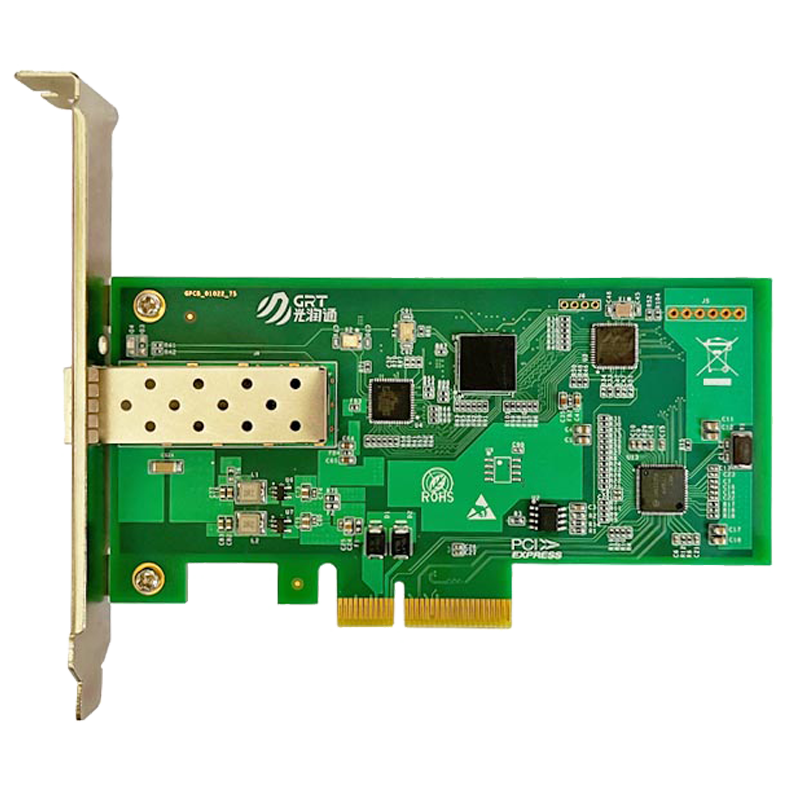
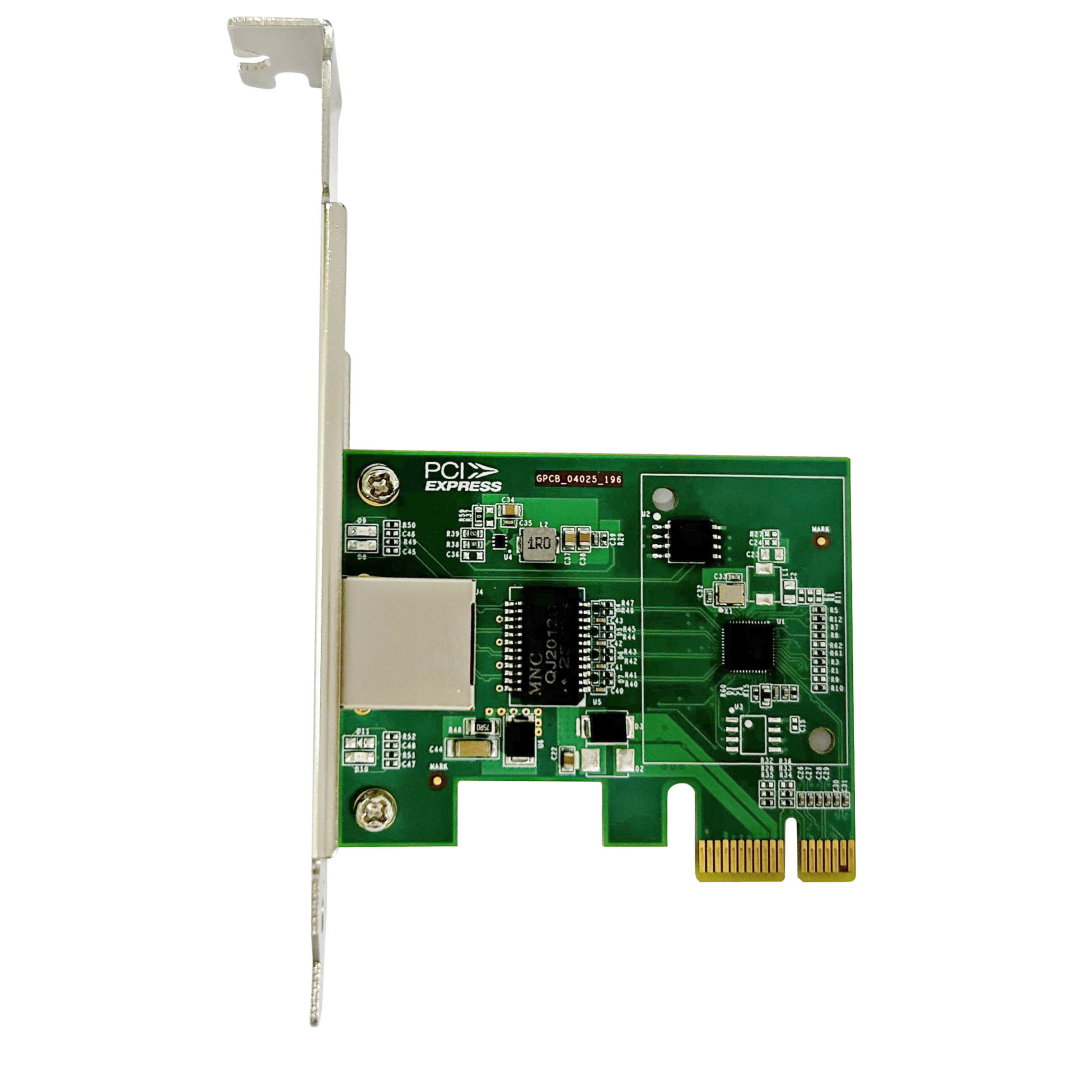
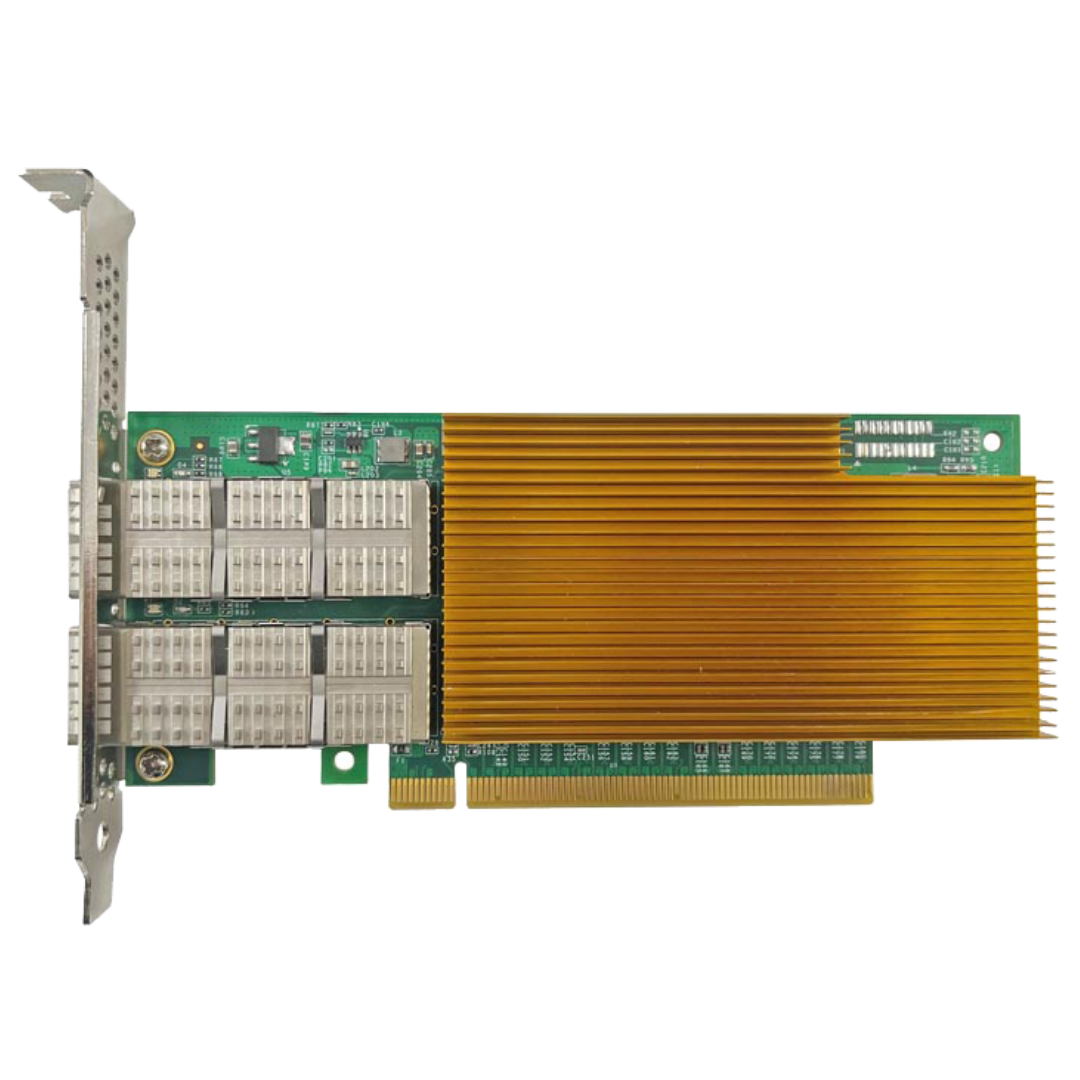
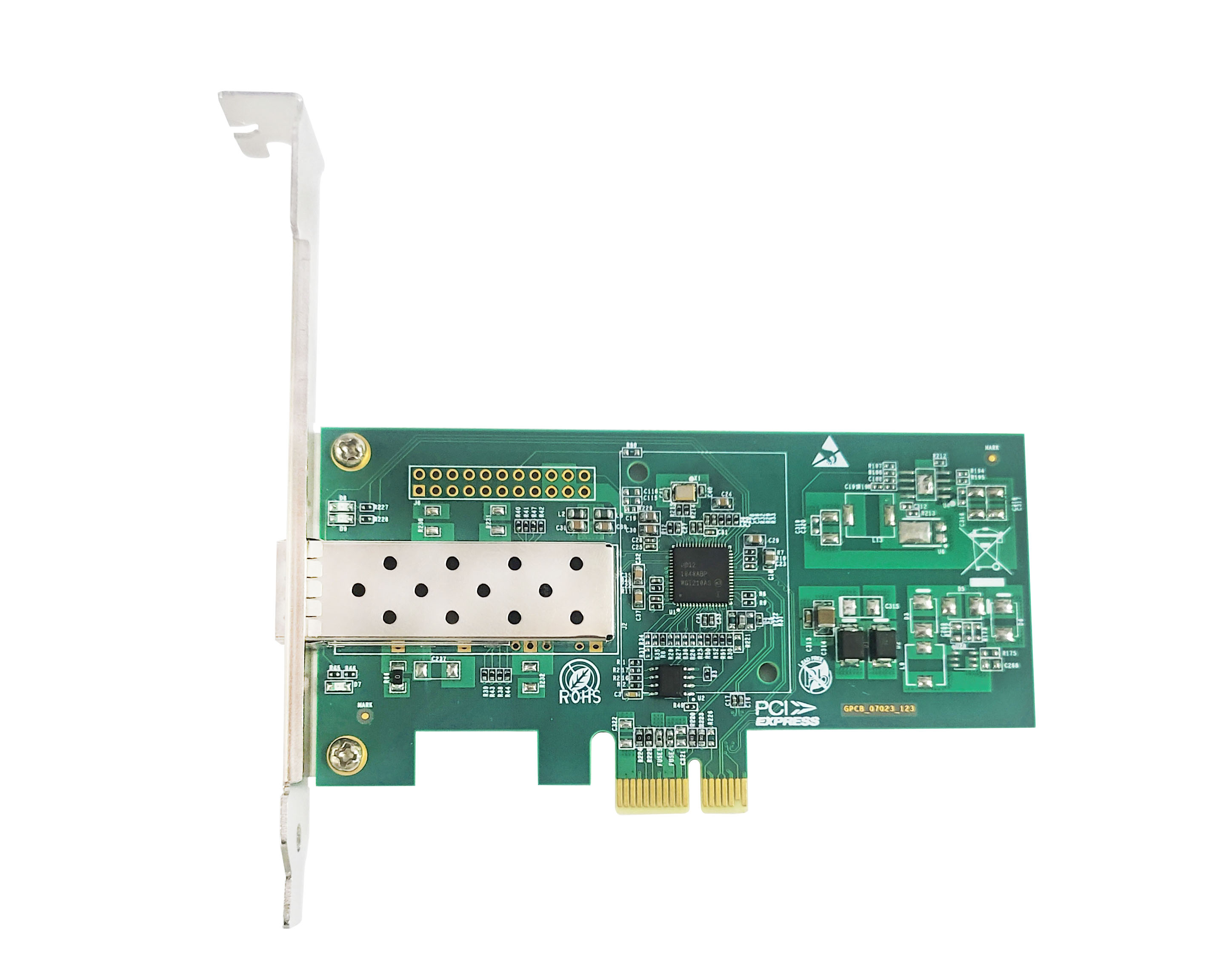
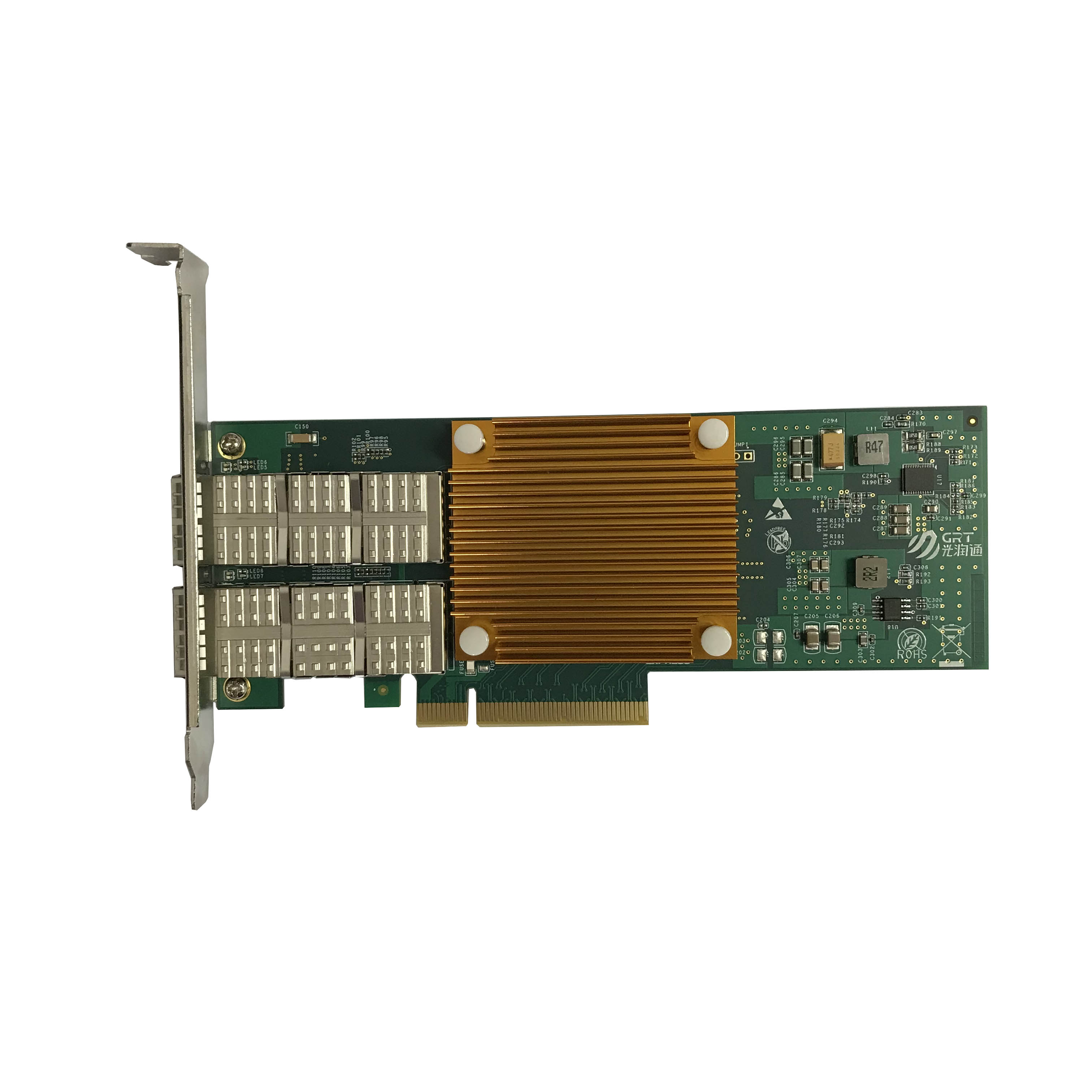
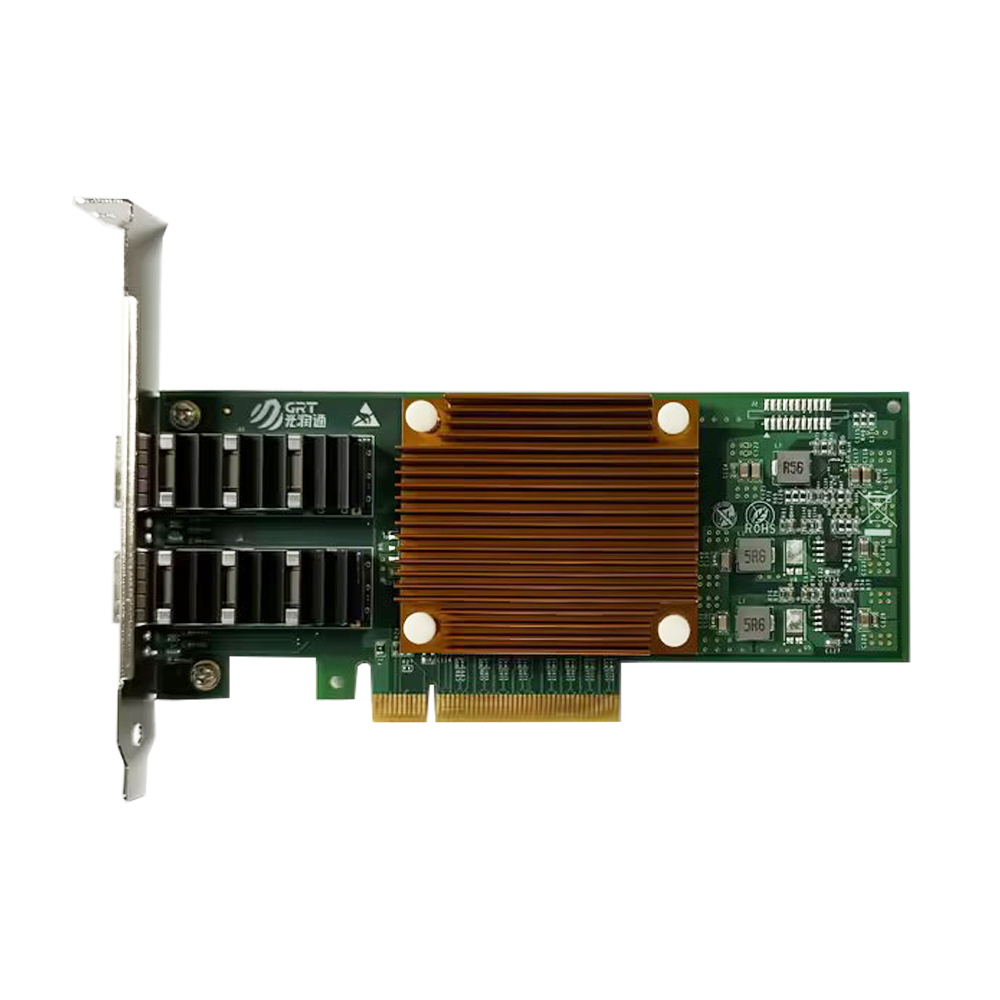
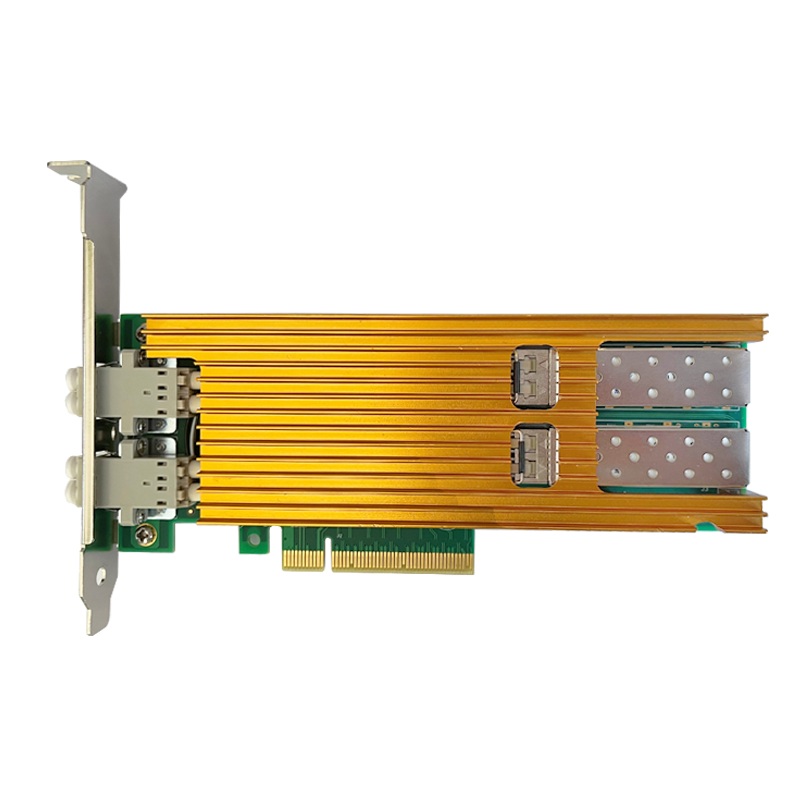
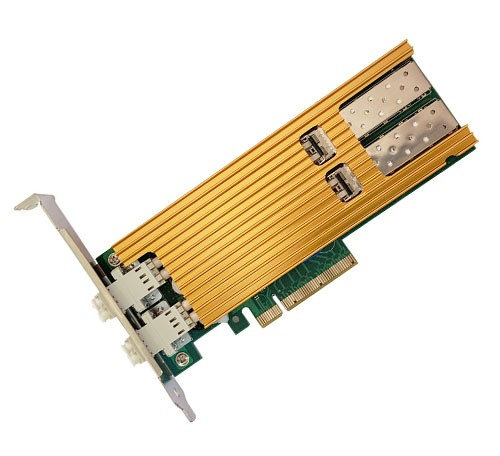
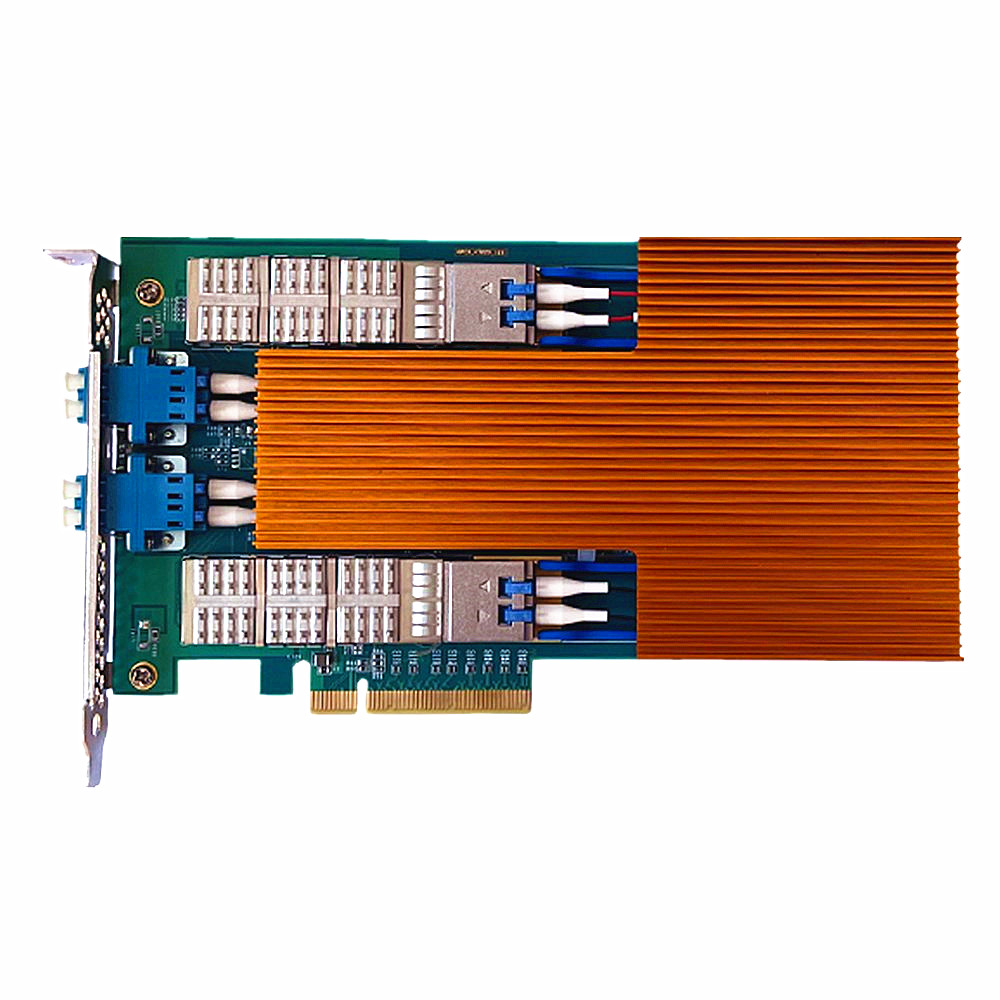
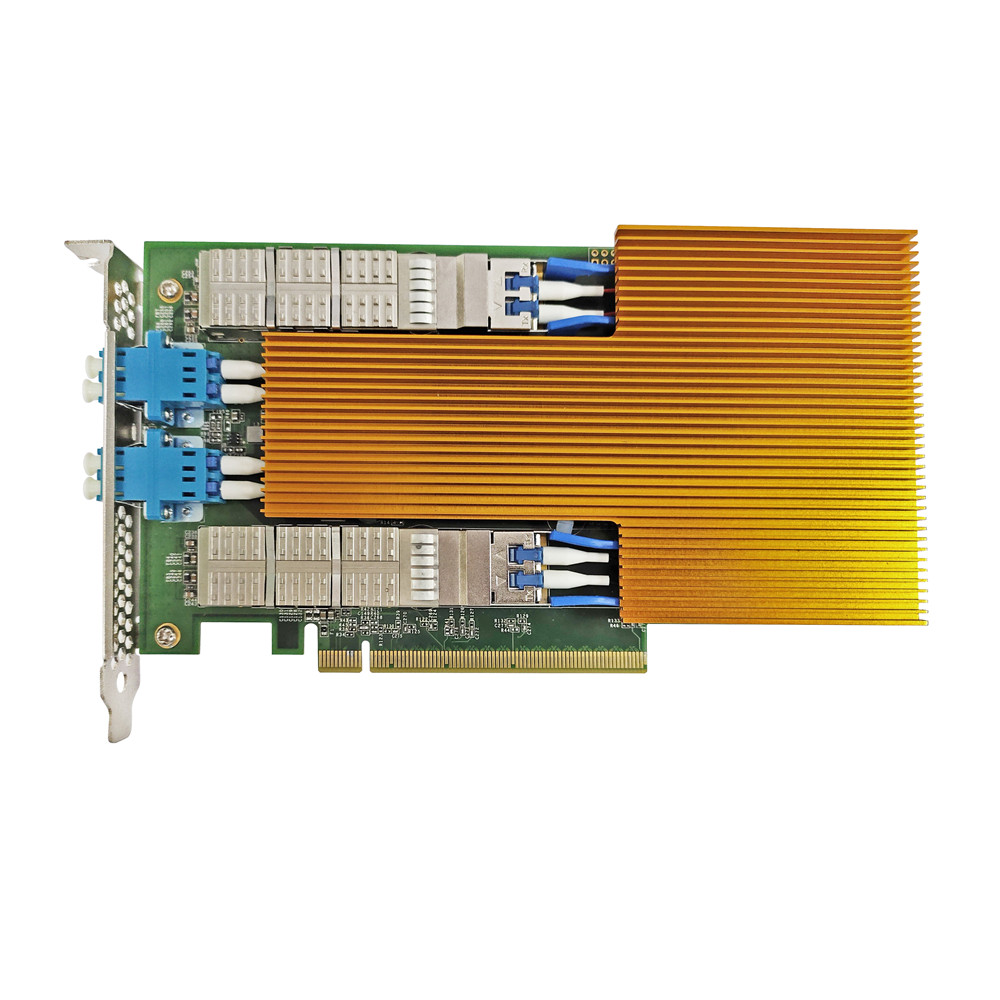
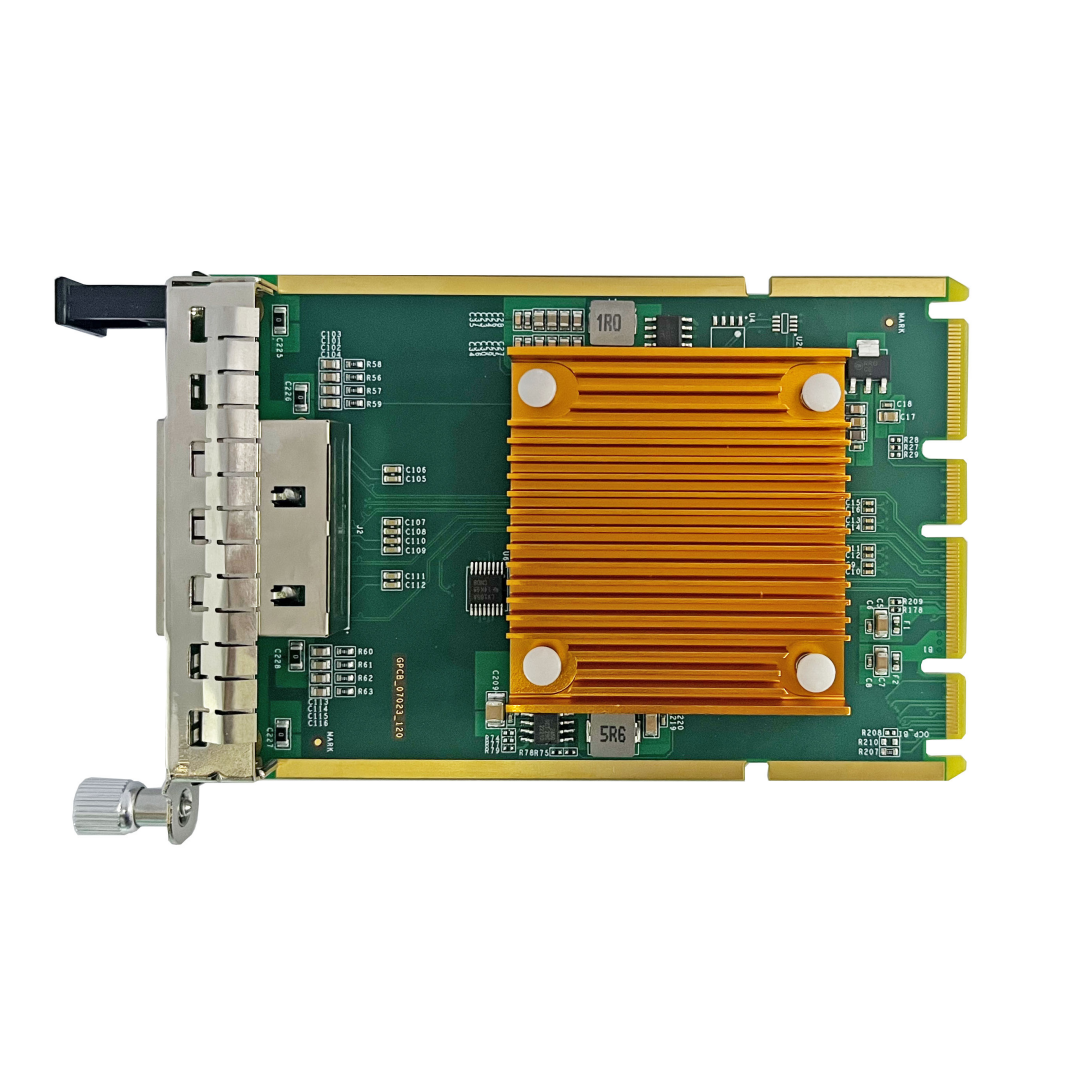
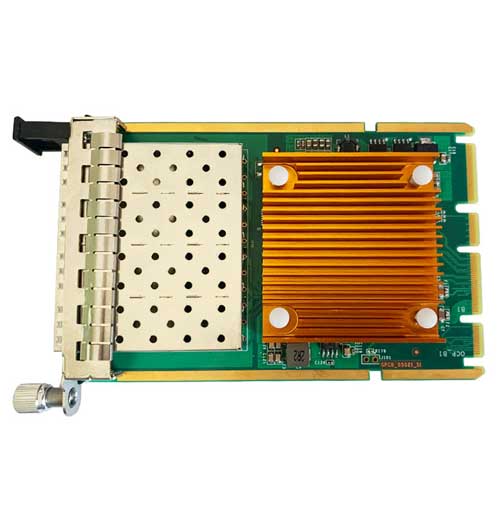
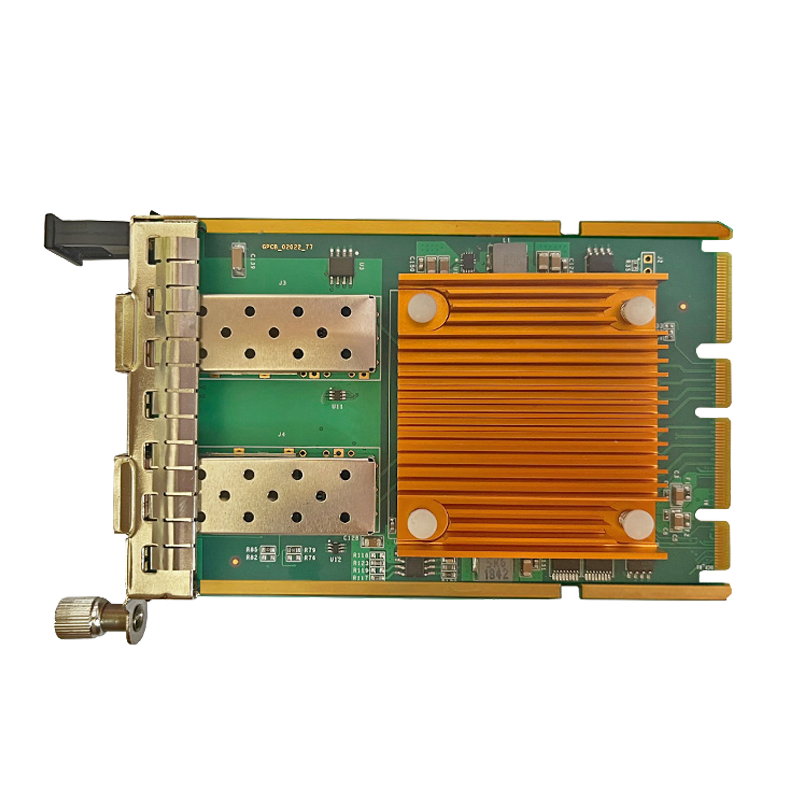
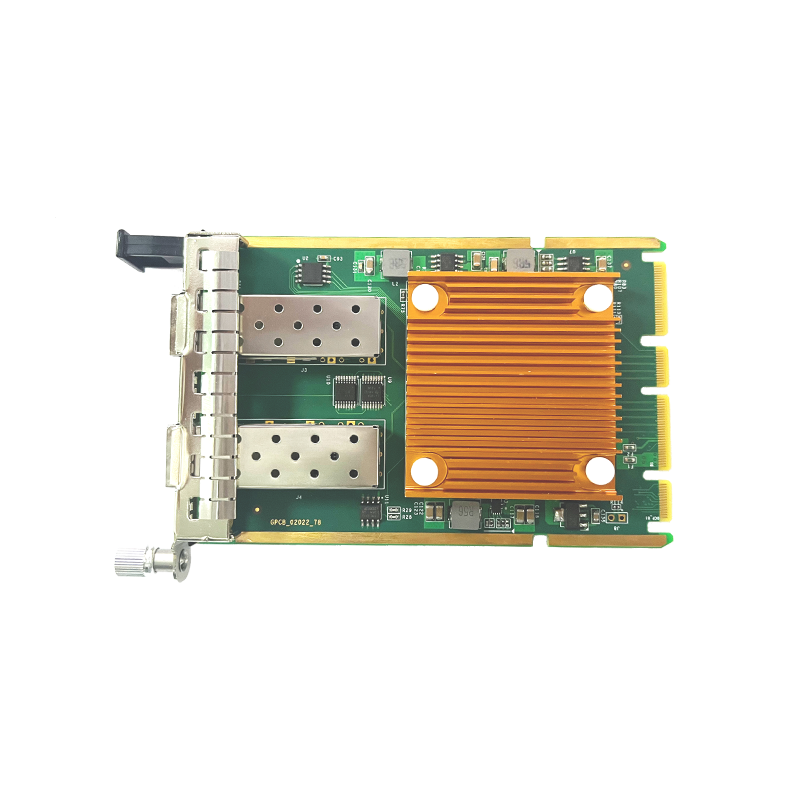
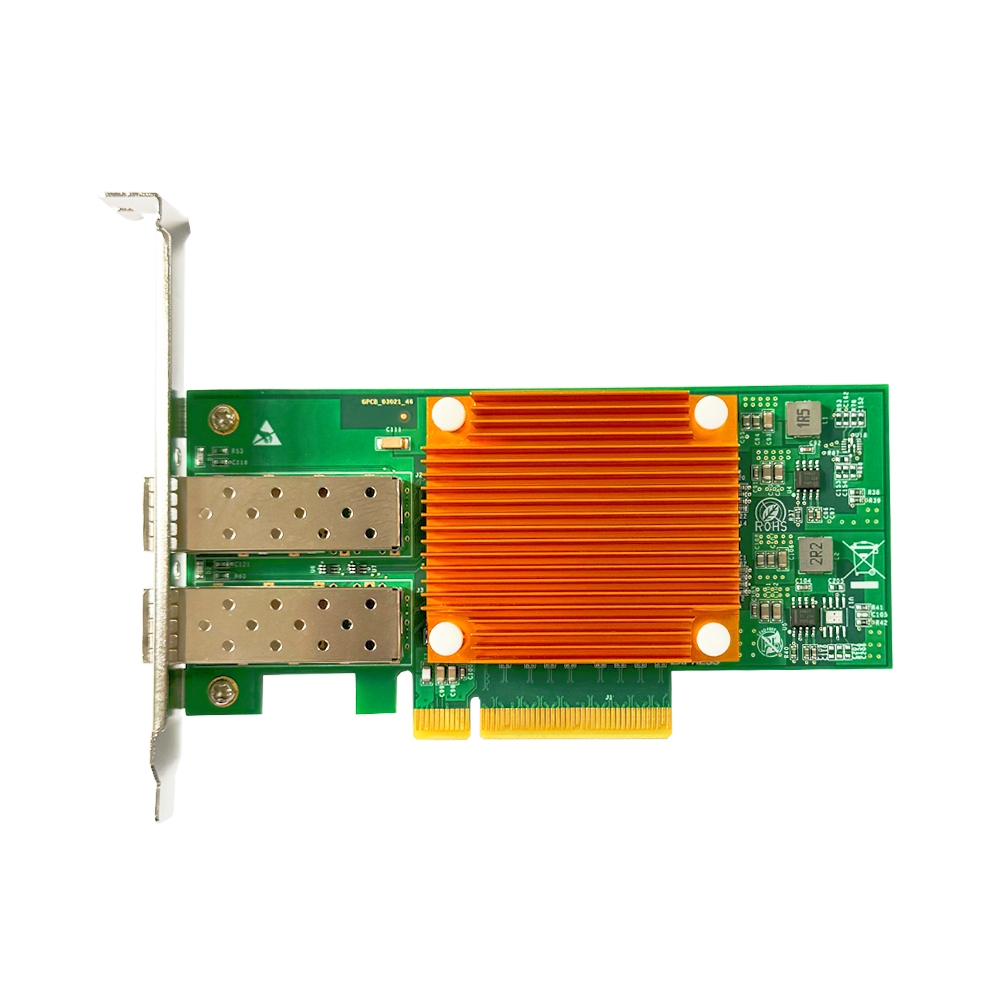
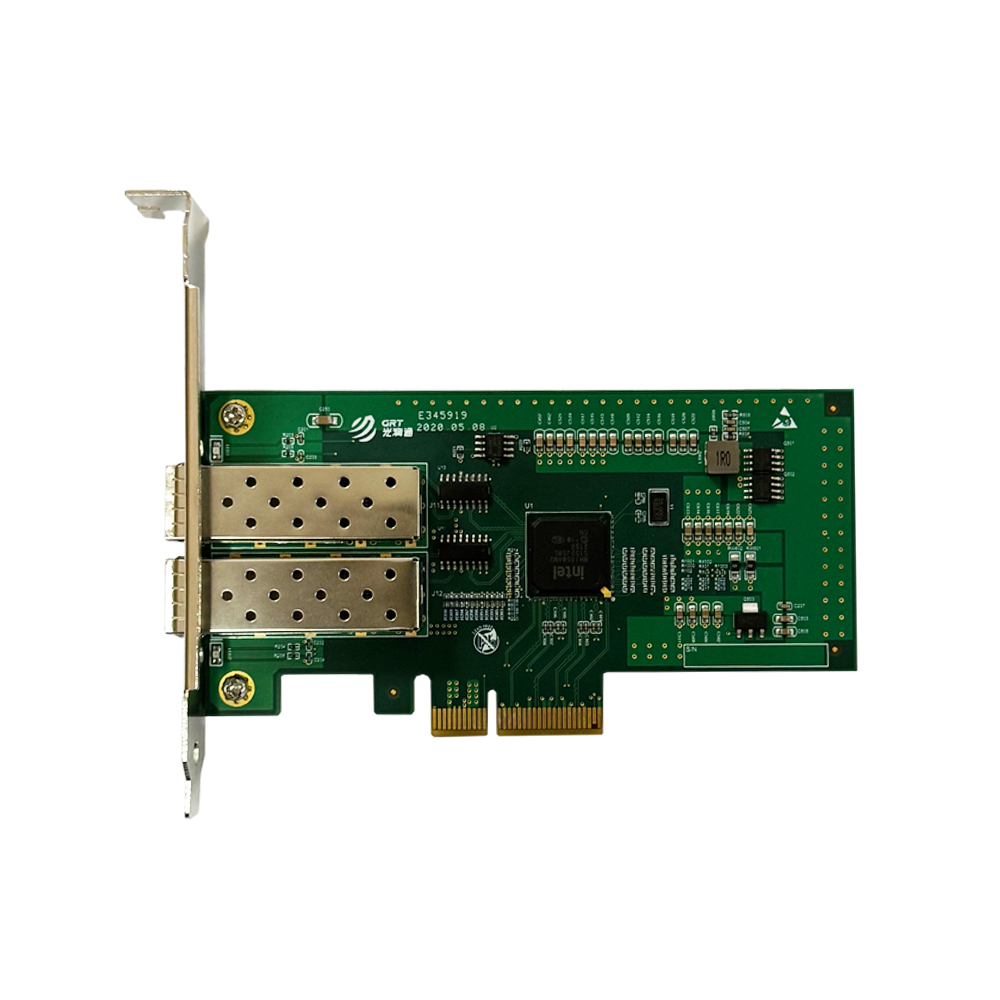
The technical team has confirmed thatGuangruntong(GRT) network cards equipped with Intel I210 chips and those equipped with Intel E810 chips support the PTP protocol. The I210 chip is positioned as a Gigabit Ethernet controller, supporting PTP hardware timestamps in both Windows and Linux environments; the E810 series is positioned for 25G/100G high-speed Ethernet, supporting PTP v2.1. Products using other chips do not currently support this protocol.
In practical selection, if your application scenarios involve high-frequency trading, 5G base station synchronization, industrial automation control, or other fields with stringent requirements for time synchronization accuracy, we recommend prioritizing Guangruntong(GRT) network interface cards equipped with the aforementioned two chips. For further confirmation of specific model PTP support or to obtain driver configuration guidance, please contact us through the GRT official website or sales channels.
Latest information
- NAS Storage Network Upgrade Guide
- Why Does Upgrading Your NAS to 2.5GbE Not Improve Network Speed?
- What Is an OCP 3.0 Network Card?
- The King of Cost-Effective 25G NIC: In-Depth Analysis of Guangruntong (GRT) GH2502EM-V4.1
- The Hidden Relationship Between NIC Heat Dissipation and Data Center Cabinet Layout
- Why are serpentine traces designed on the NIC PCB board
- NIC and Operating System Ecosystem Adaptation: From Hardware Compatibility to Win-Win Performance
- NIC Hardware Offload Technology: Let Server CPU Focus on Business Computing