Sign in



Invisible Details Determine Network Adapter Stability
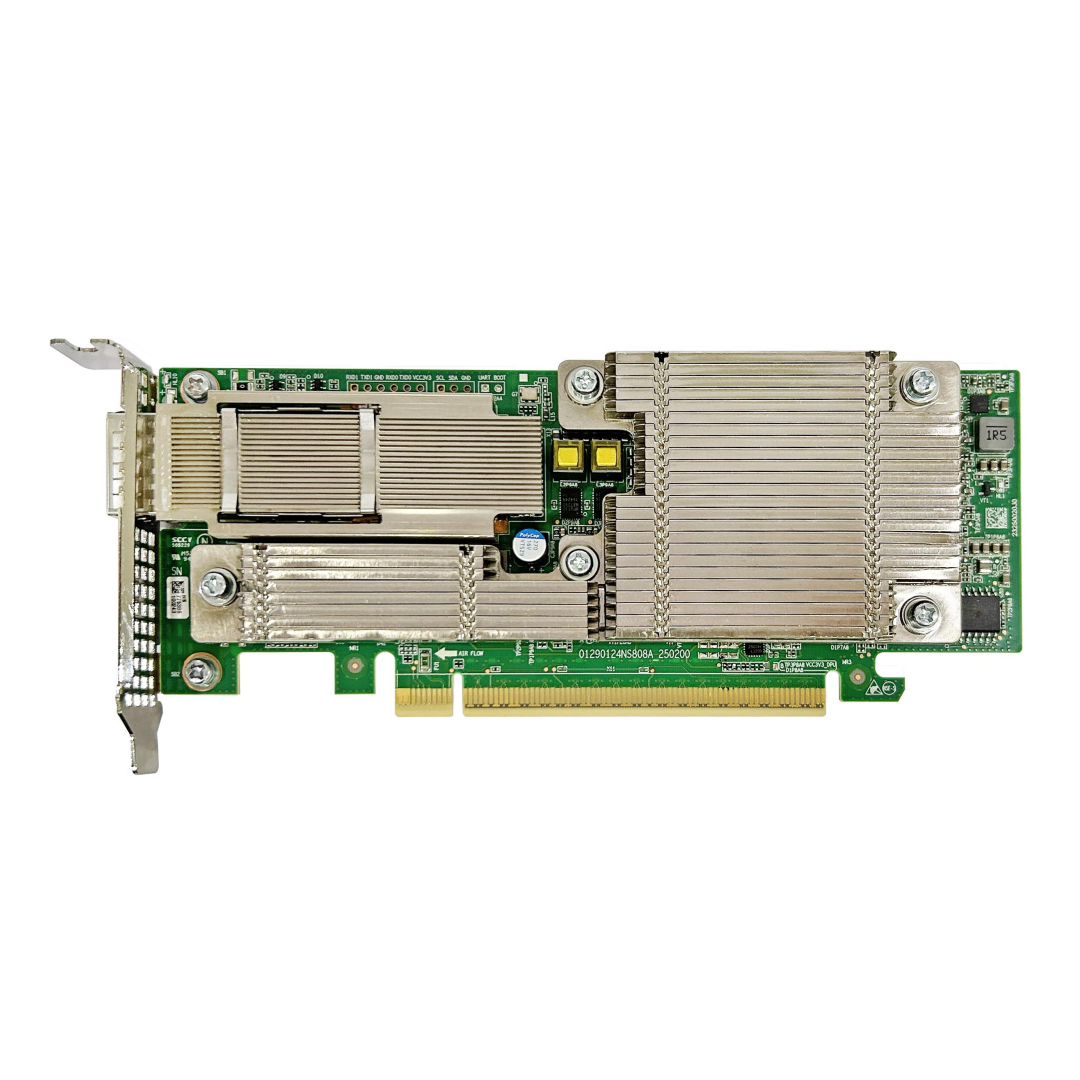
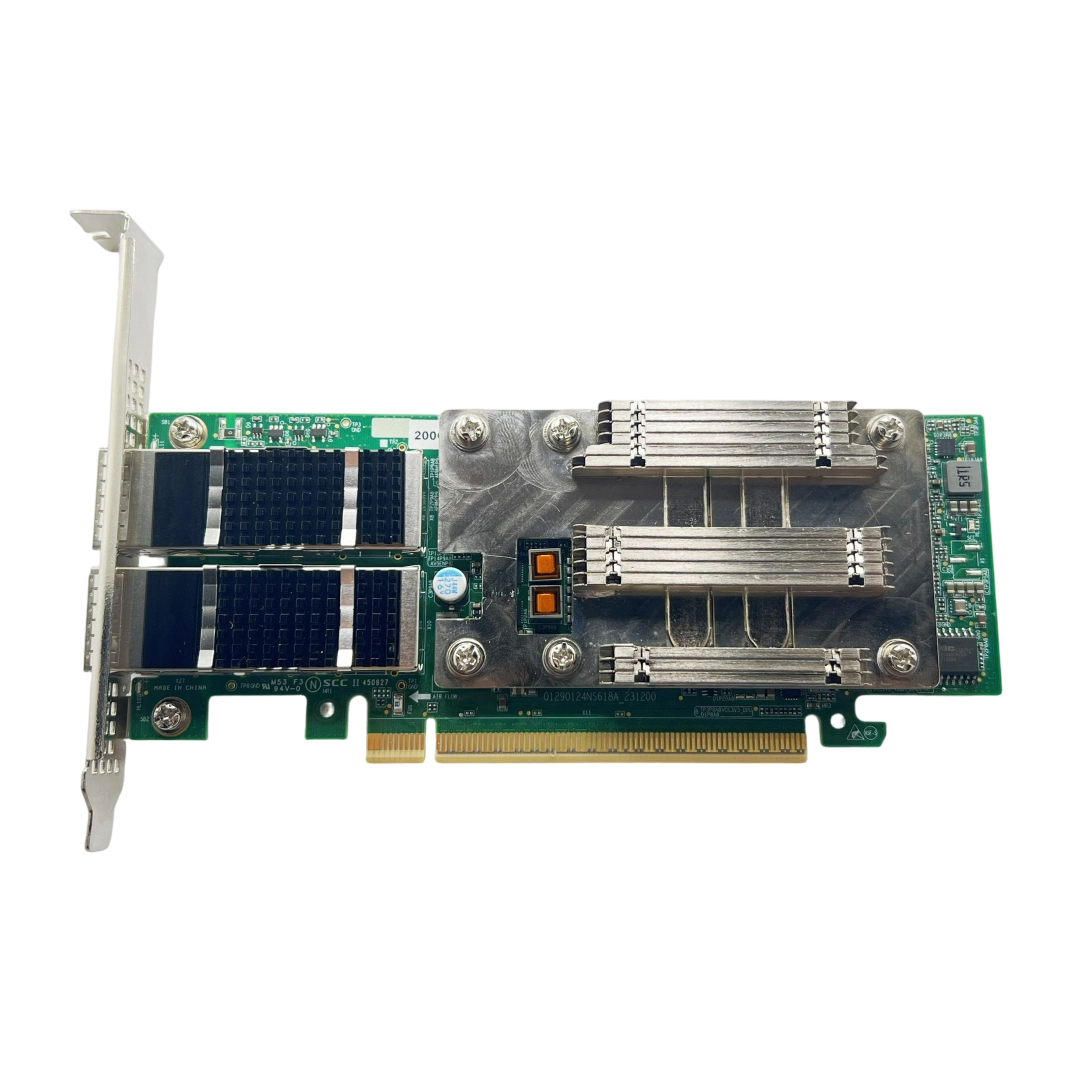
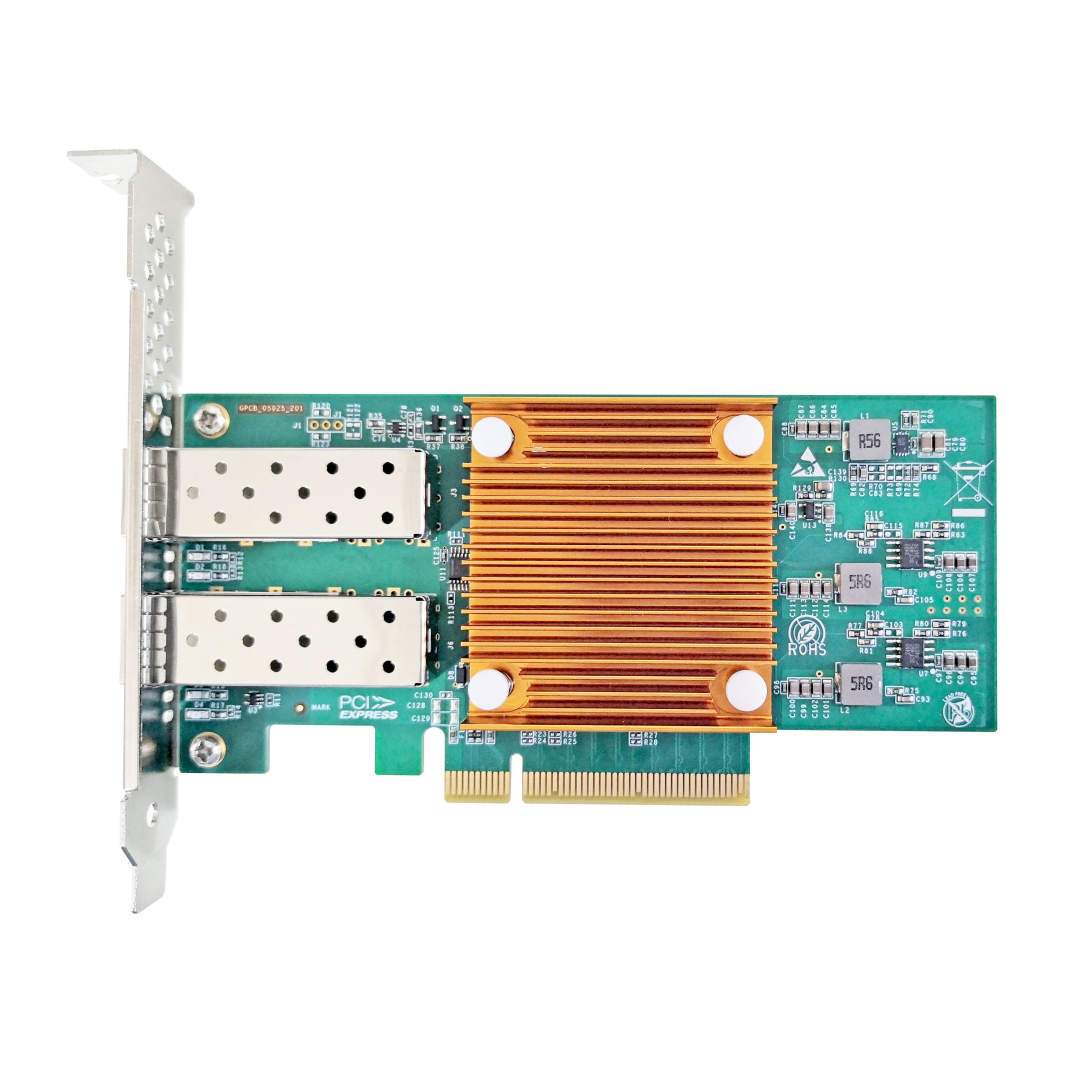
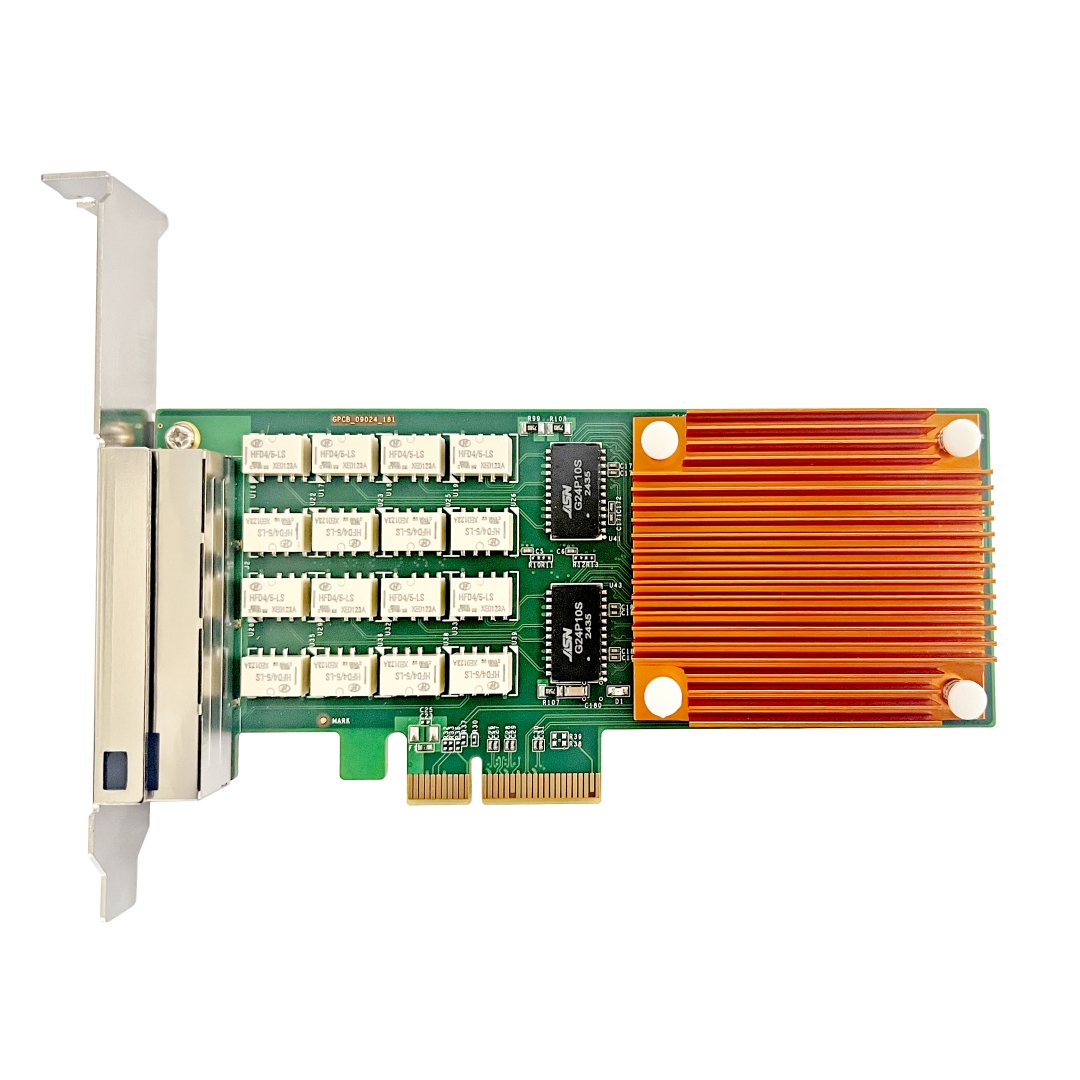
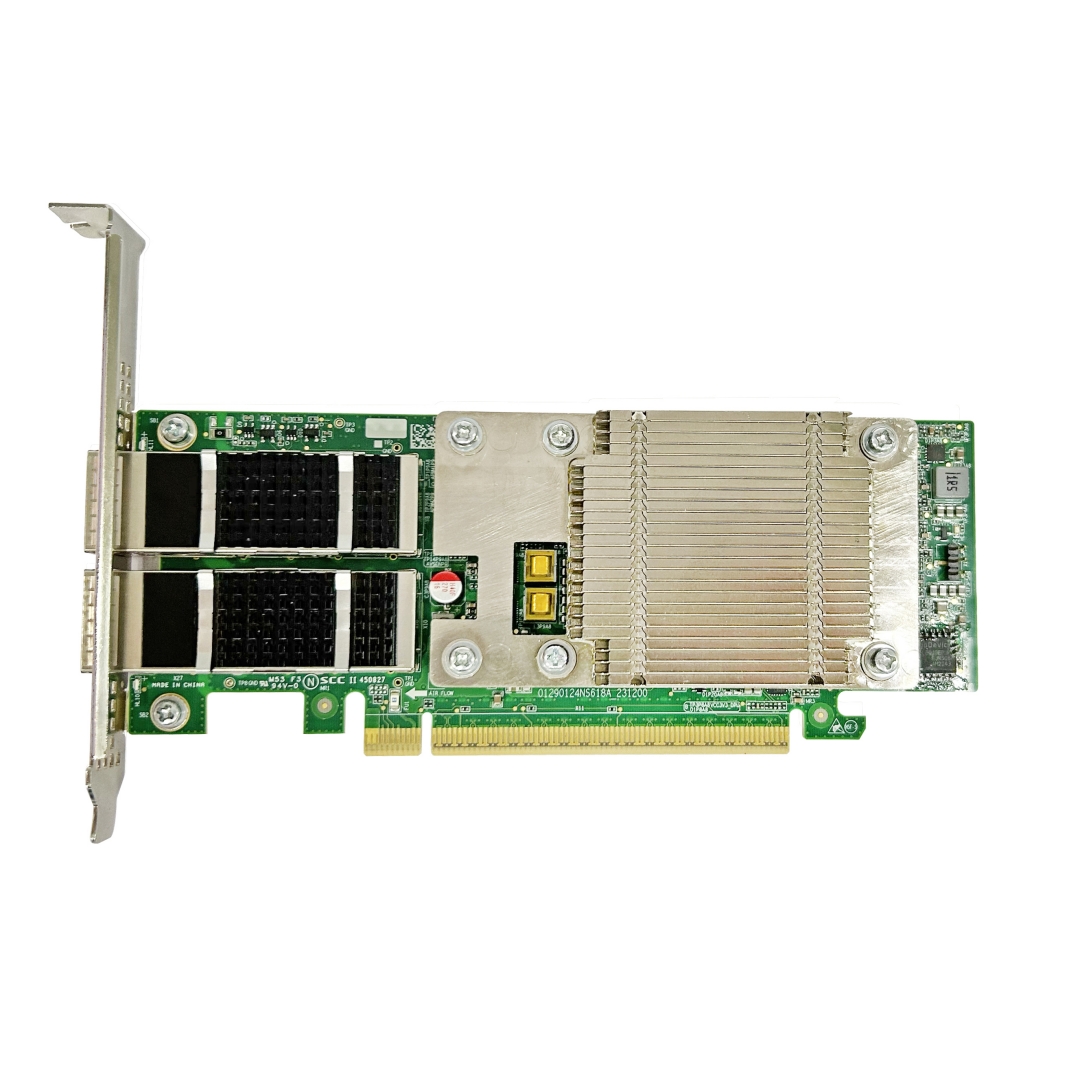
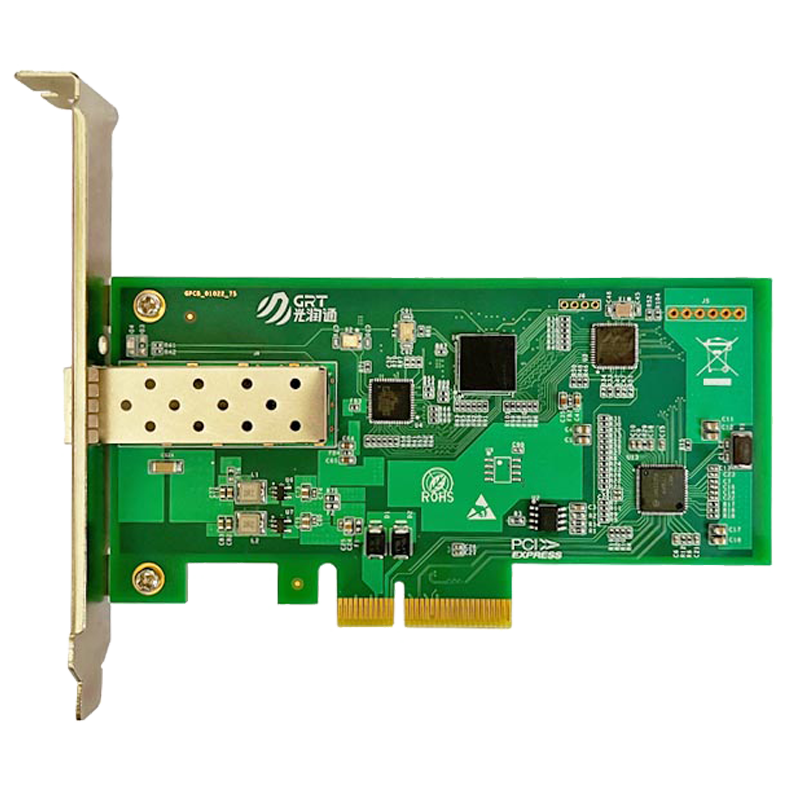
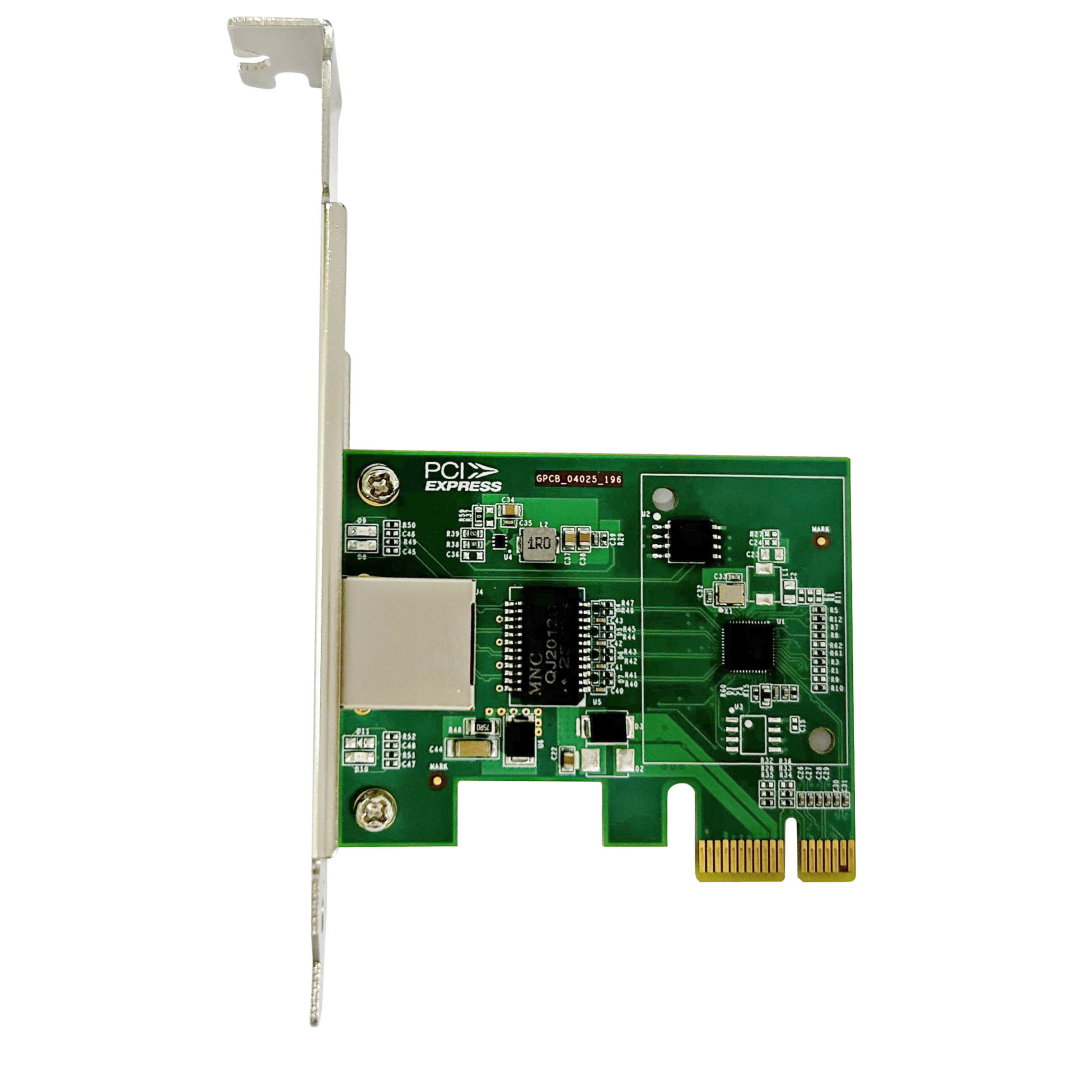
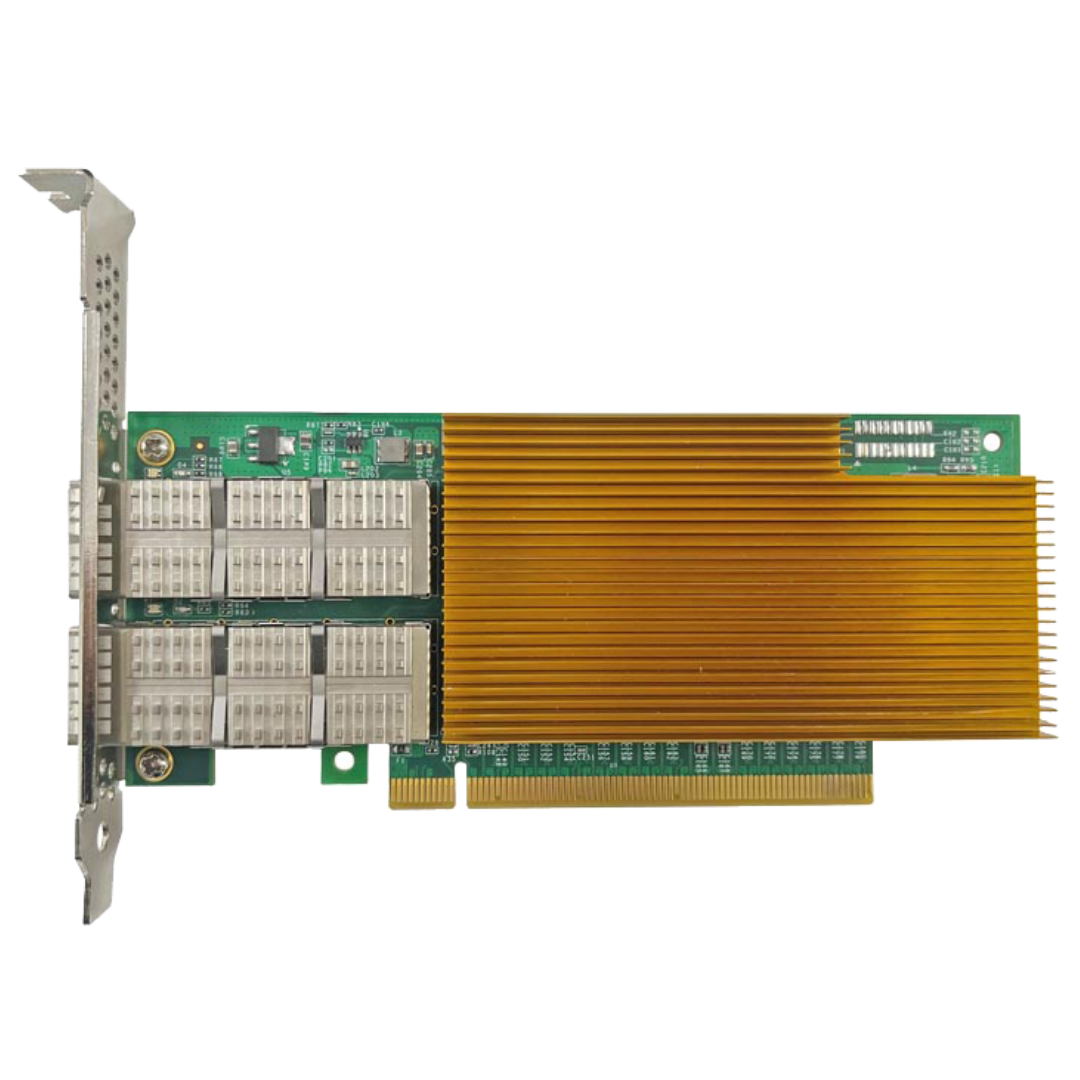
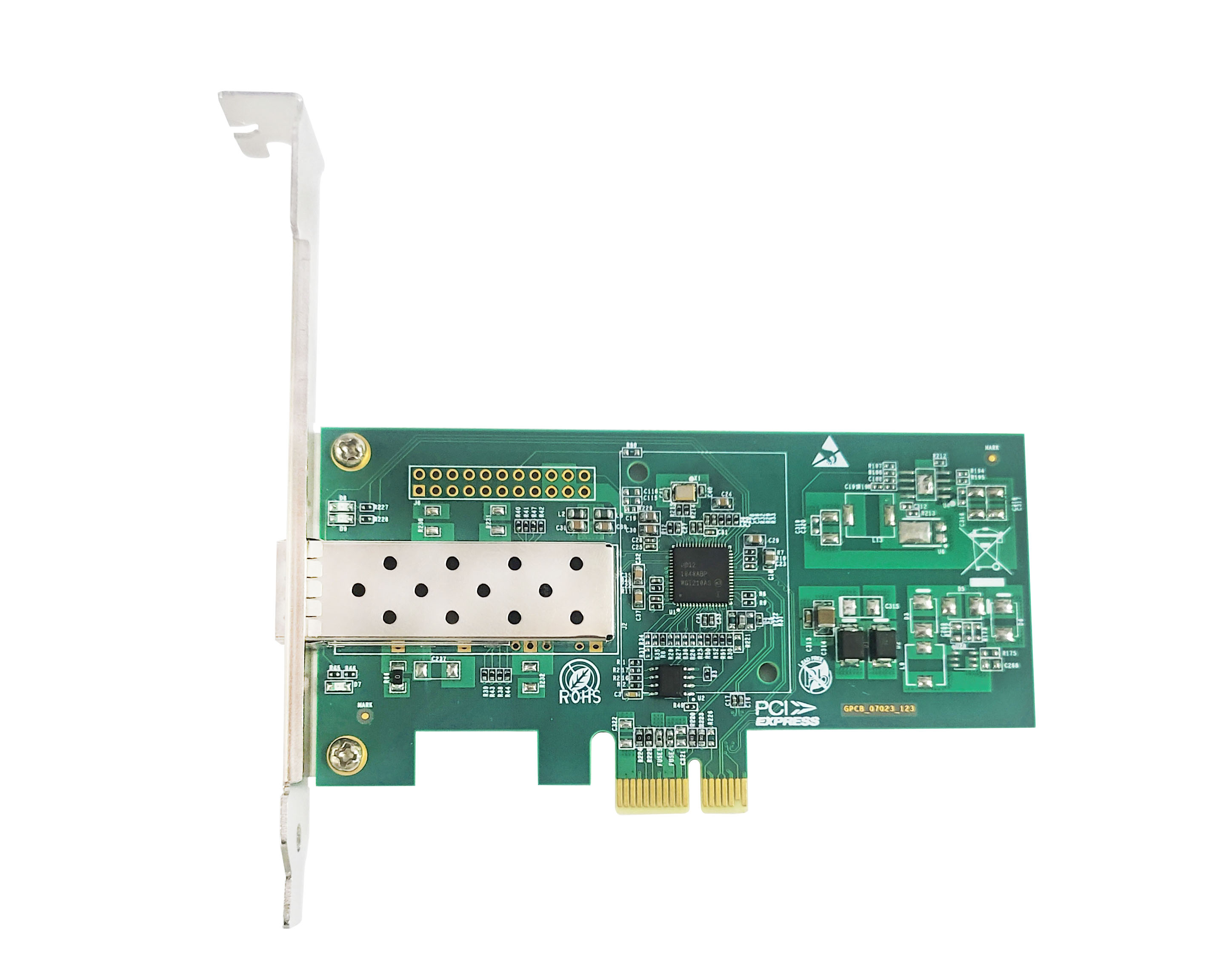
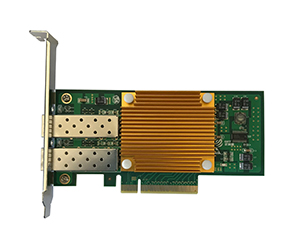
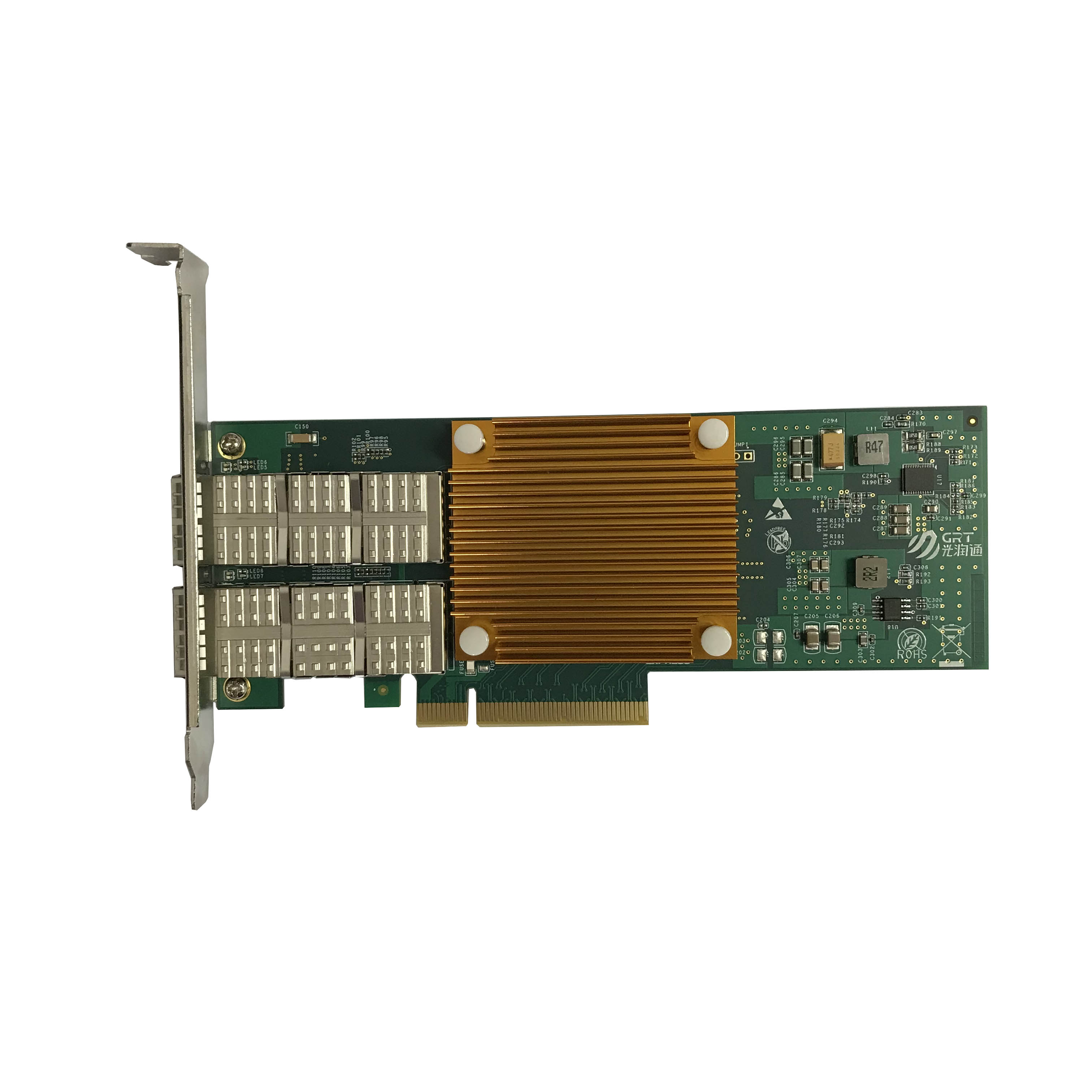
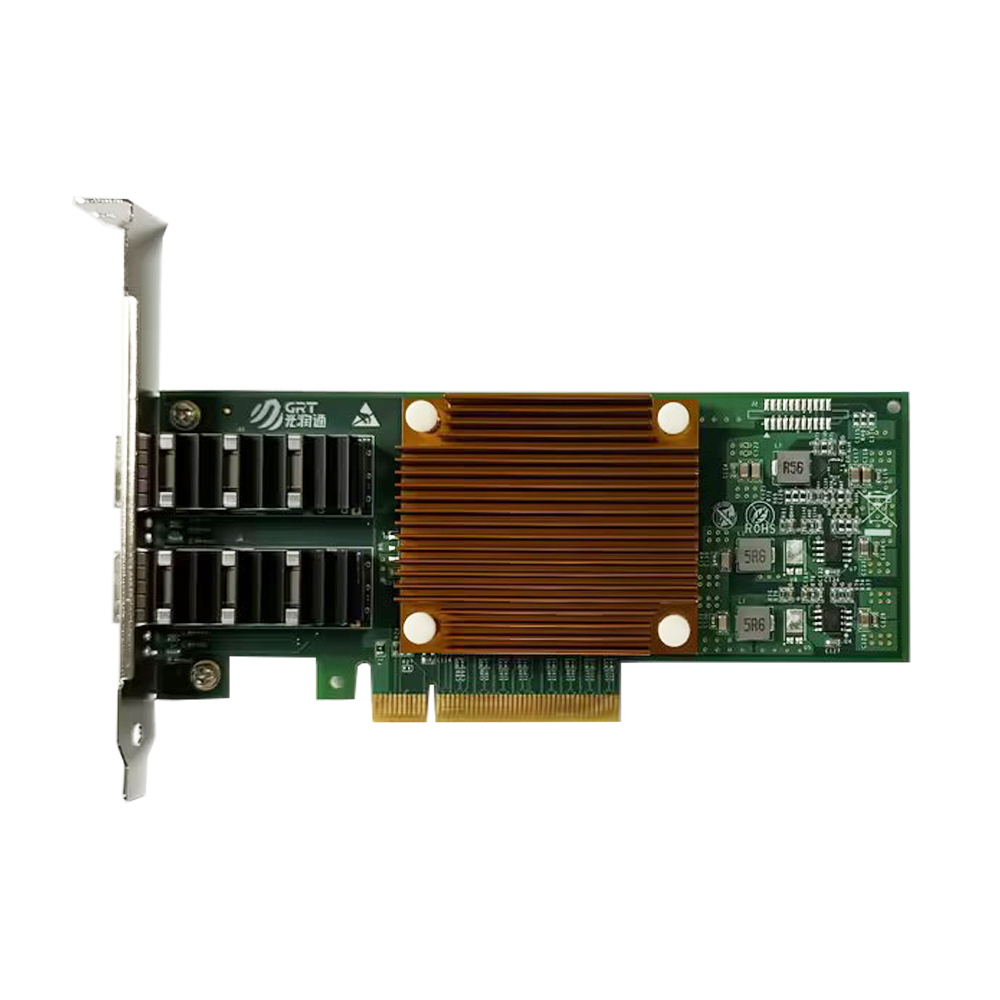
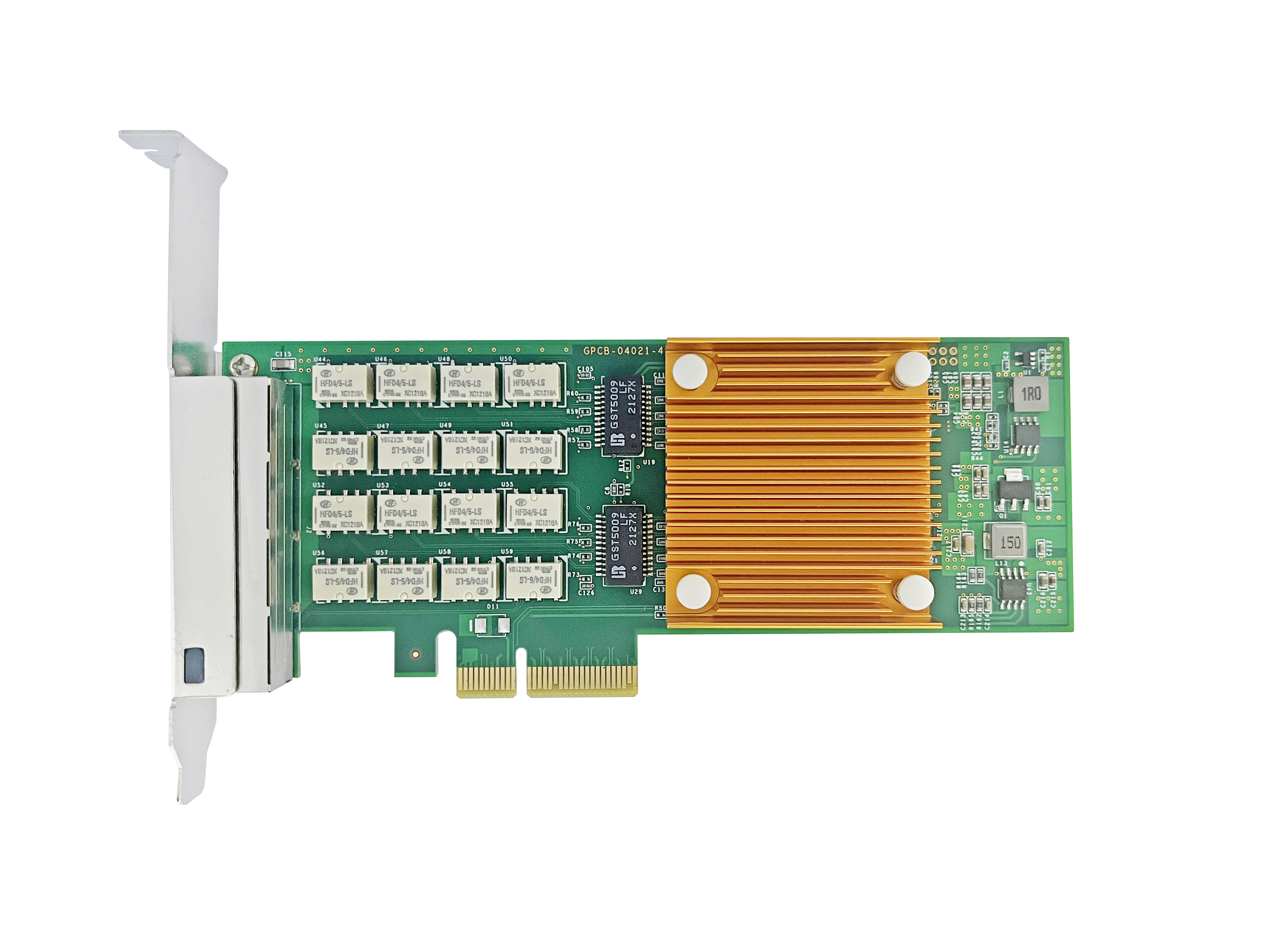
< BackFiber network adapters serve as the critical interface between servers and networks. Most users only focus on transmission speed and port count when selecting adapters. However, at the hardware level, many little-known details define the long-term stability and signal quality of network adapters. As a professional Chinese fiber network adapter manufacturer, Guangruntong (GRT) has accumulated long-term technology and implemented strict quality control standards on these “invisible” details.
1. A MAC Address Belongs to Each Port, Not the Entire Adapter
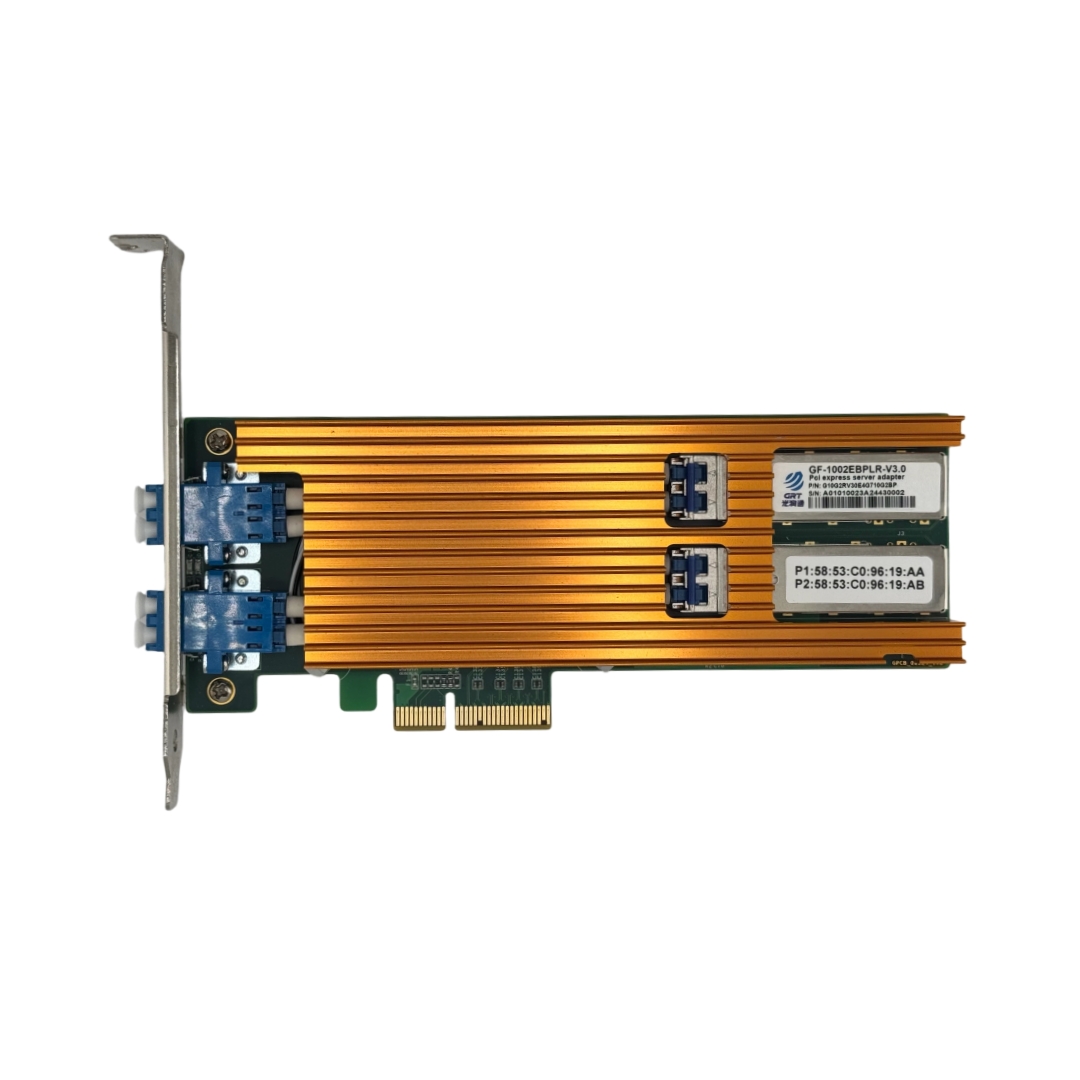
Most users know every network adapter has a unique MAC address, yet few realize that MAC addresses are assigned to individual ports rather than the whole adapter. A dual-port adapter has two MAC addresses, and a quad-port adapter has four. A lesser-known fact: these MAC addresses are usually consecutive. Chip vendors allocate an address pool for one adapter, and MAC addresses of adjacent ports on the same adapter typically differ by only 1 or 2. Mastering this helps manual address configuration during large-scale deployment to prevent conflicts.
Furthermore, MAC addresses are not permanently burned into chips and immutable. Some enterprise-grade adapters support MAC reprogramming via vendor tools, which facilitates equipment repair and bulk deployment. Nevertheless, this creates security risks: malicious modification may lead to device spoofing or network address conflicts. Reputable manufacturers enable write protection for MAC storage areas. Guangruntong (GRT) adapters ship with an independent MAC pre-programmed for each port and adopt rigorous firmware protection to guarantee address uniqueness and security.
2. PCB Color Has No Impact on Adapter Performance
Many users assume black or blue PCBs signify higher-end, better-performing hardware. This is a misconception. PCB color refers solely to the pigment of the solder mask. Its functions are to prevent short circuits during soldering and resist oxidation, and it has zero effect on signal transmission performance.
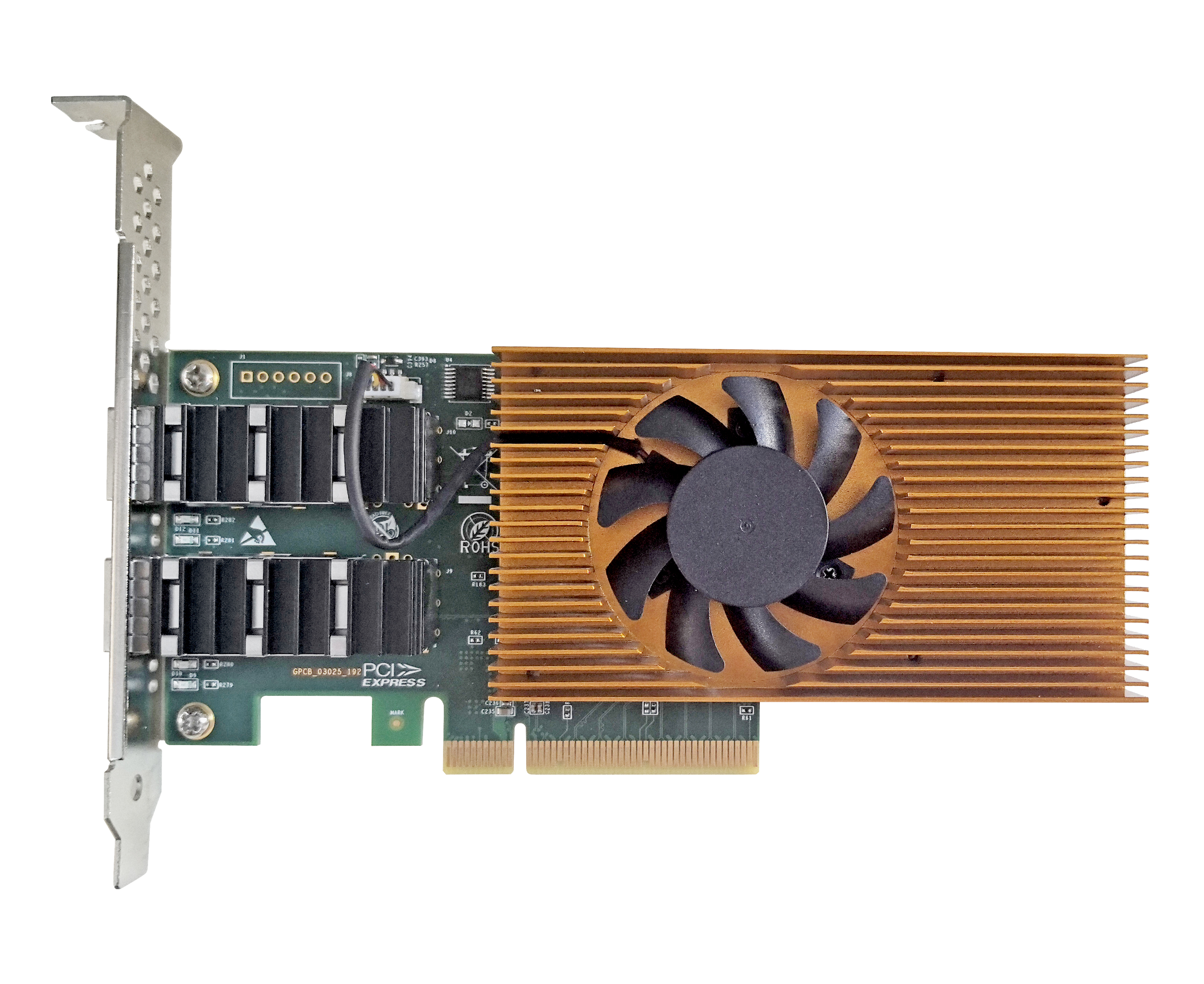
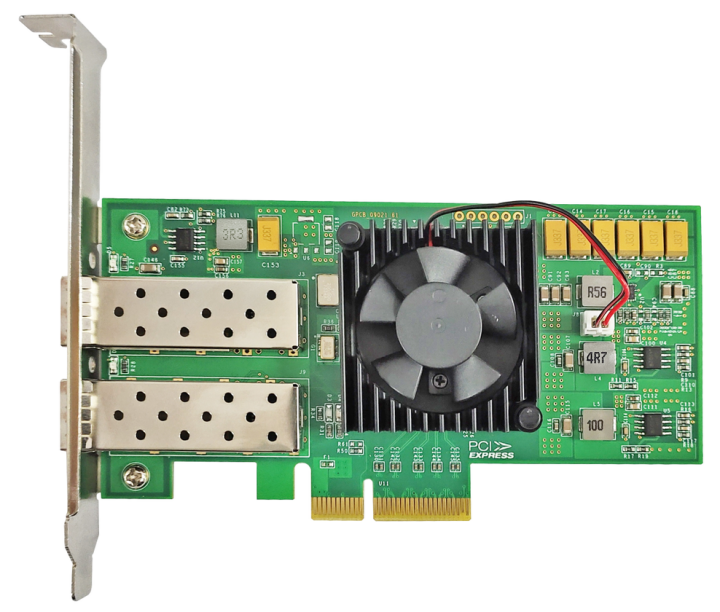
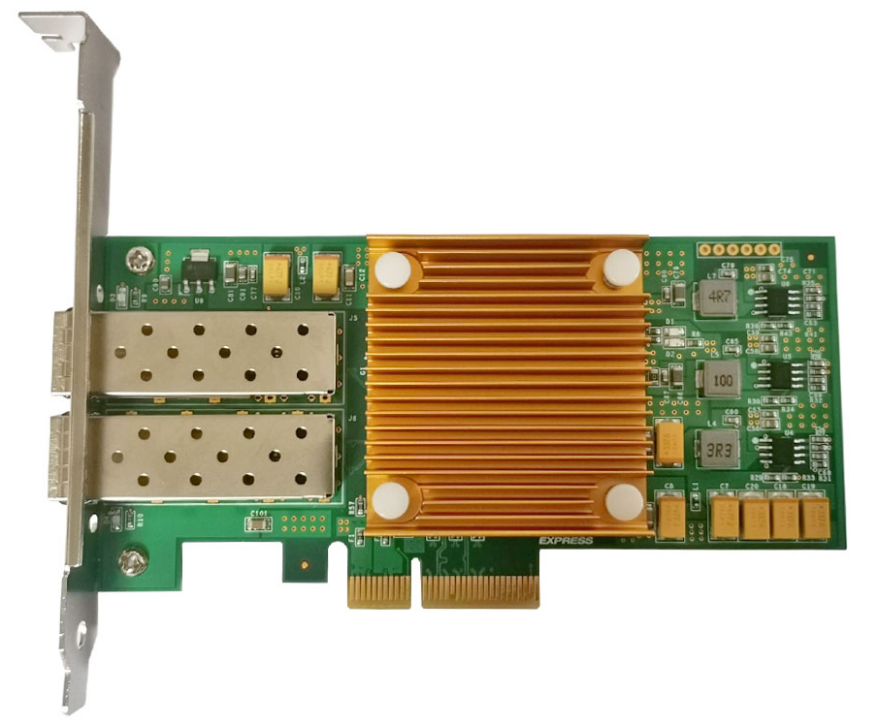
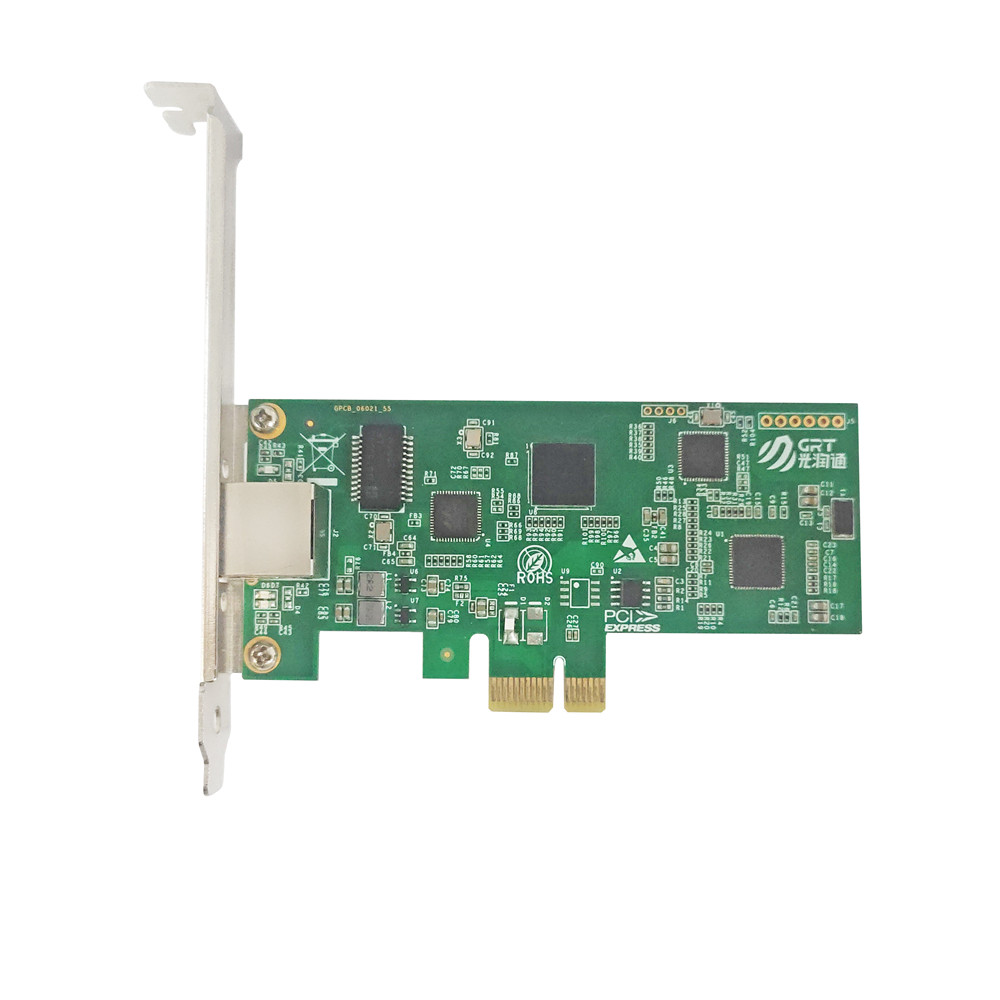
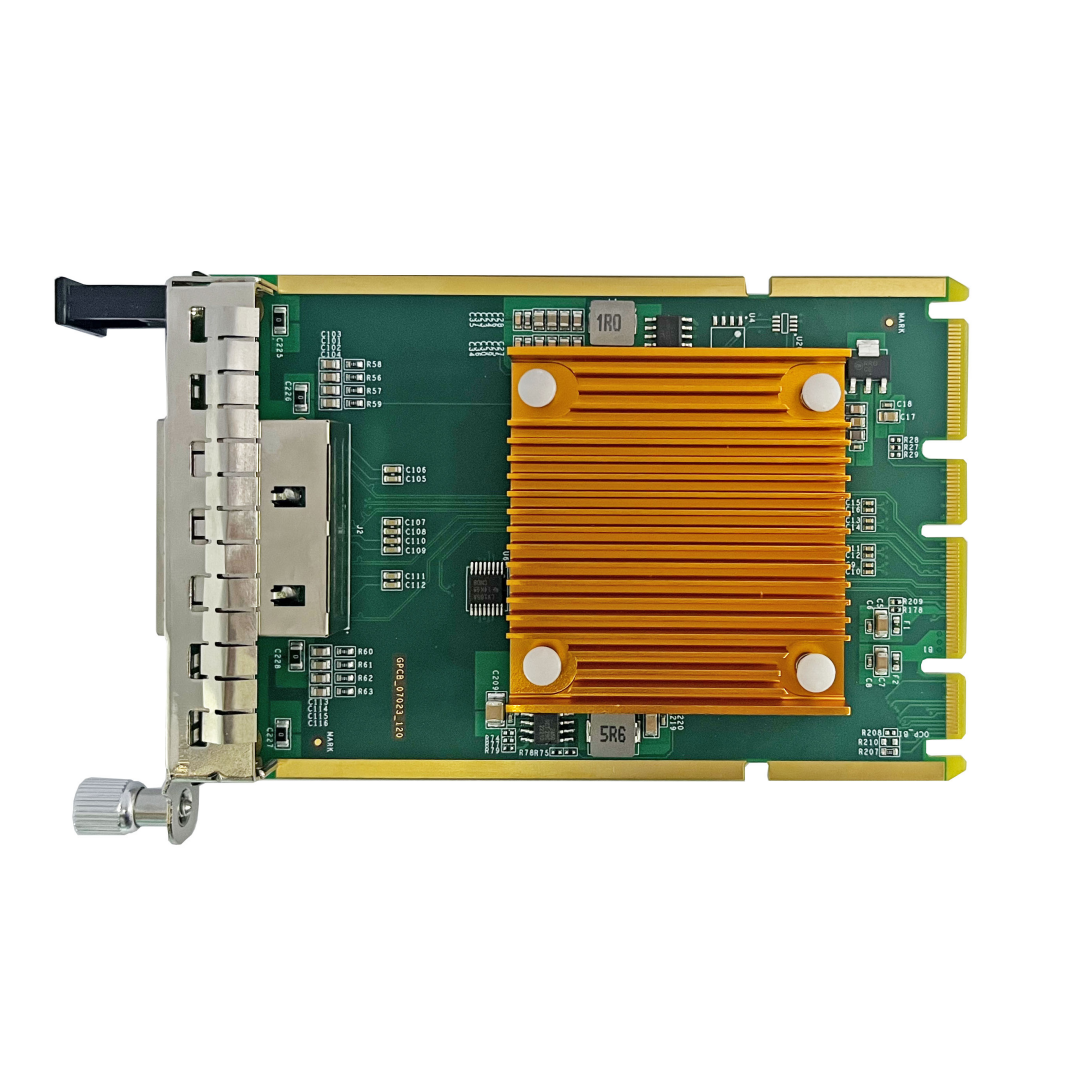
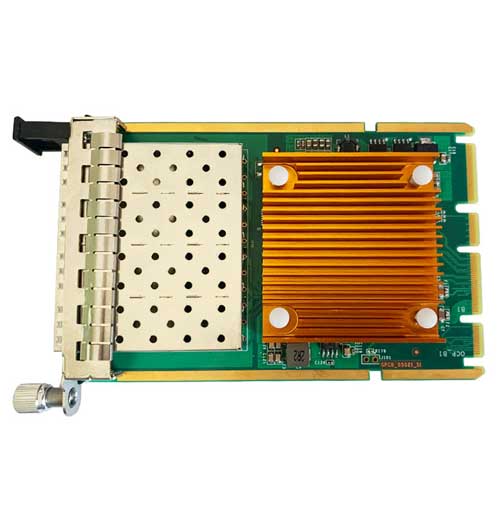
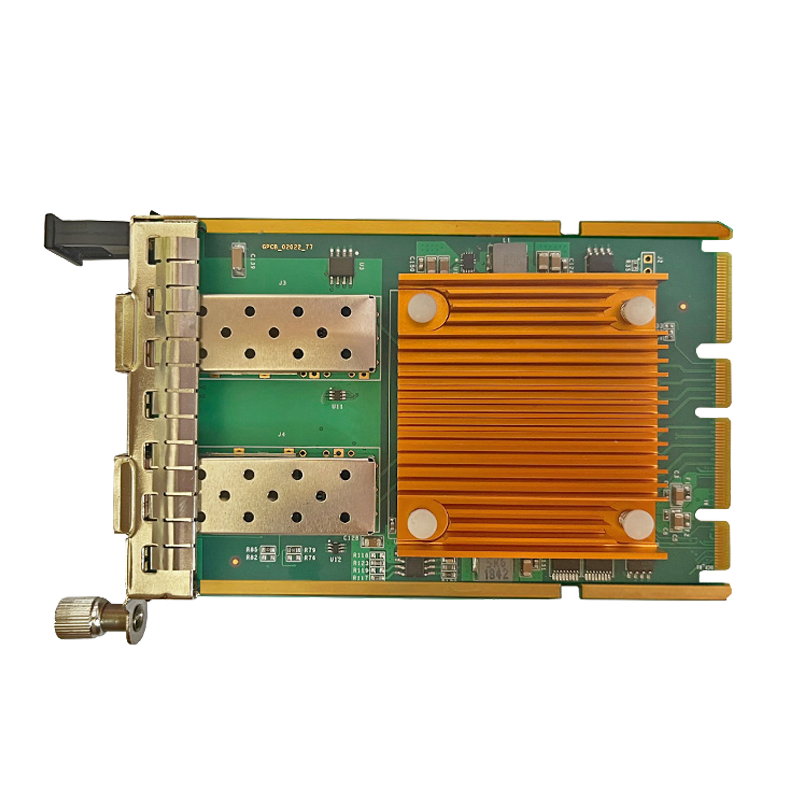
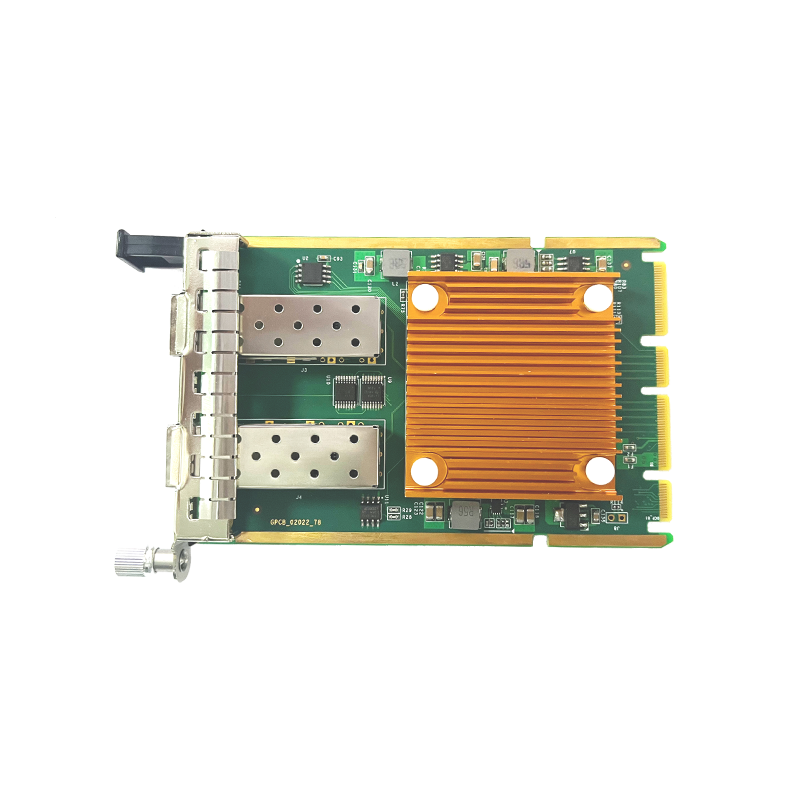
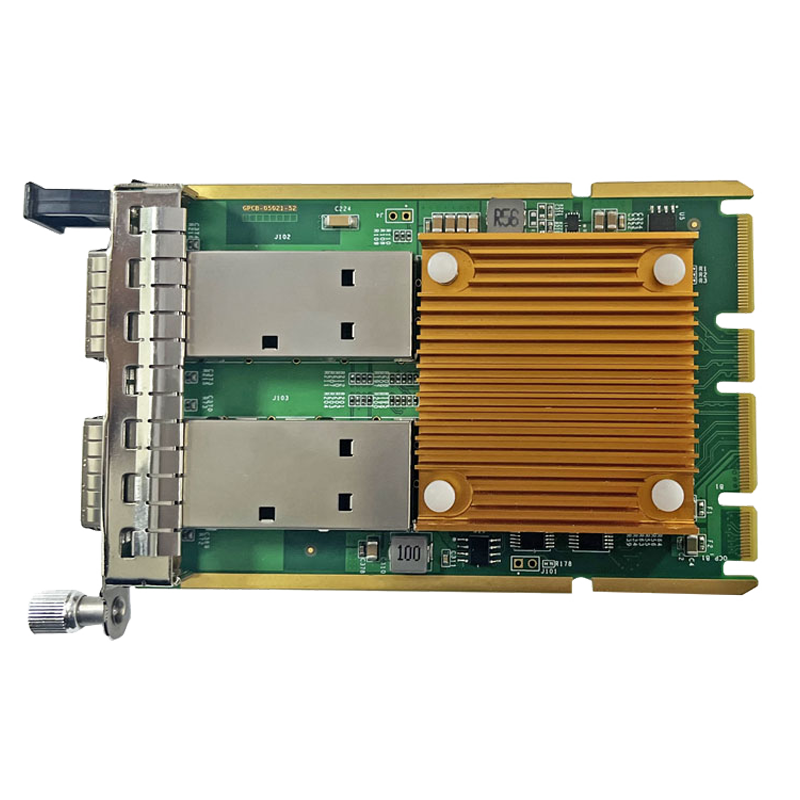
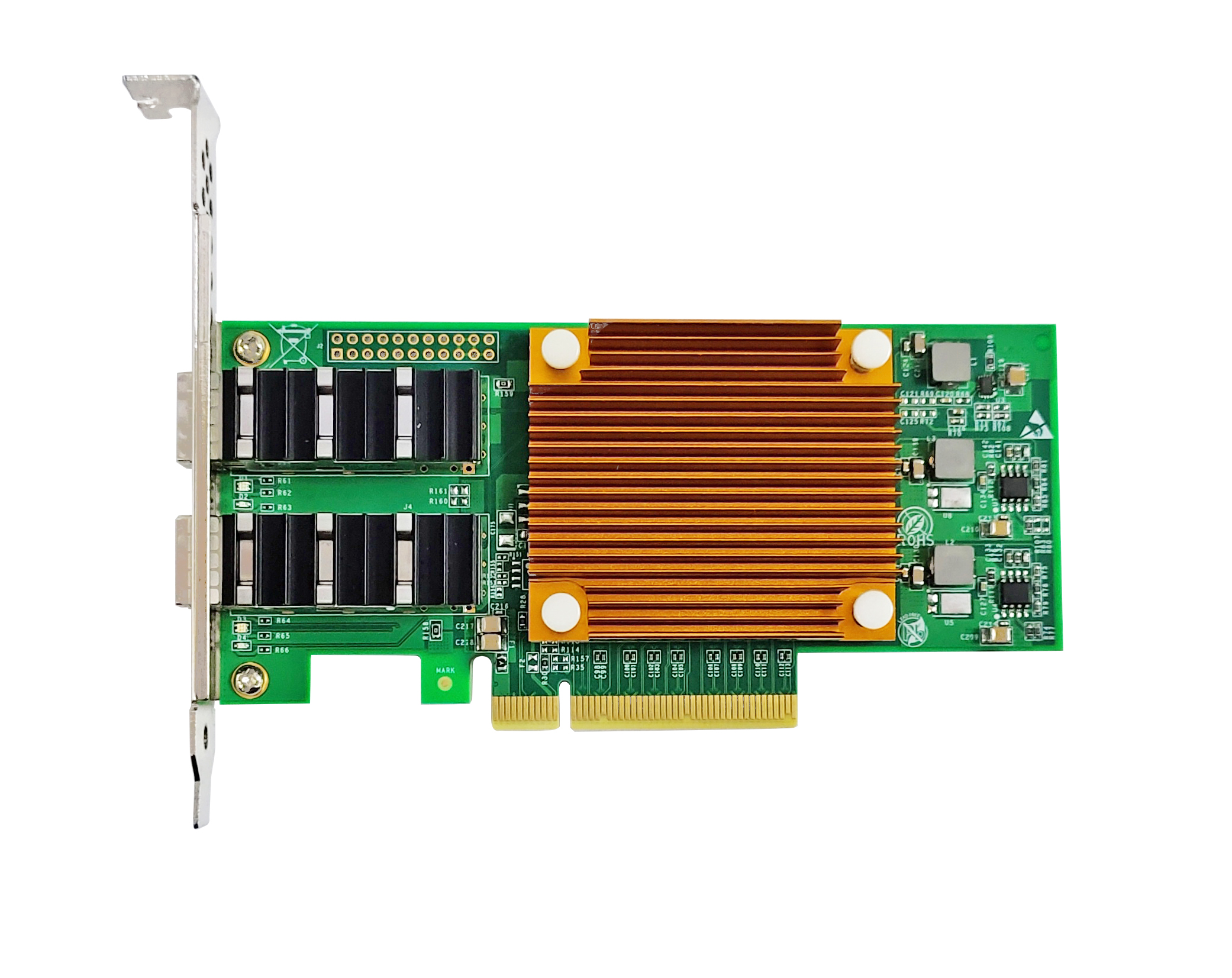
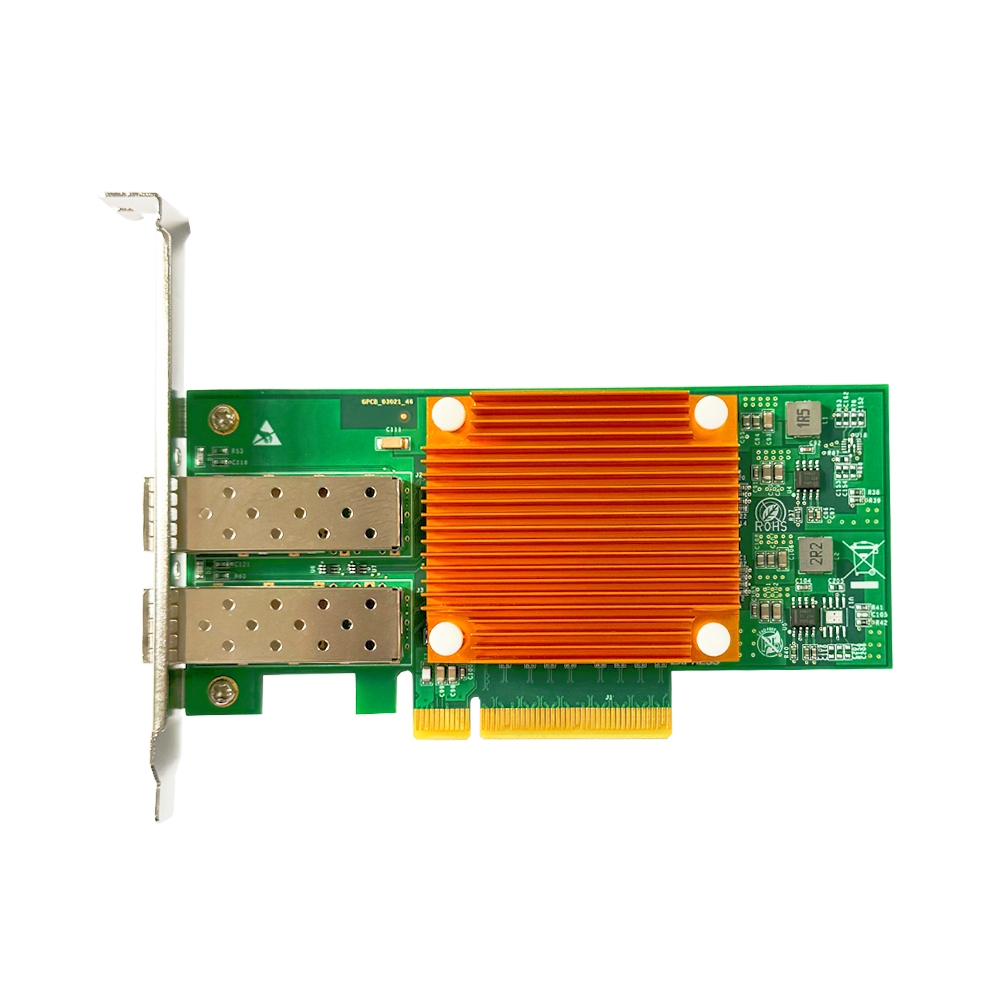
Green dominates the industry because green ink features fast curing speed, relaxed alignment tolerance, and high contrast for automated optical inspection (AOI). Black PCB ink contains high carbon content, which easily absorbs heat and changes the thermal expansion coefficient, increasing risks of bubbles and cracks during reflow soldering. Black surfaces also absorb more light; AOI requires adjusted lighting and algorithms, raising inspection difficulty and production costs. High-end servers and reliability-focused enterprise equipment widely adopt green PCBs to this day. Black or blue PCBs are mostly cosmetic differentiation for consumer markets and bear no relation to quality or performance. Guangruntong (GRT) uses matte green PCBs for enterprise adapters. This design mitigates surface condensation in special environments and reduces water vapor condensation at low temperatures. Combined with standardized process control, it ensures production yield and long-term reliability.
3. Crystal Oscillator: The Clock Heart Driving Every Data Frame
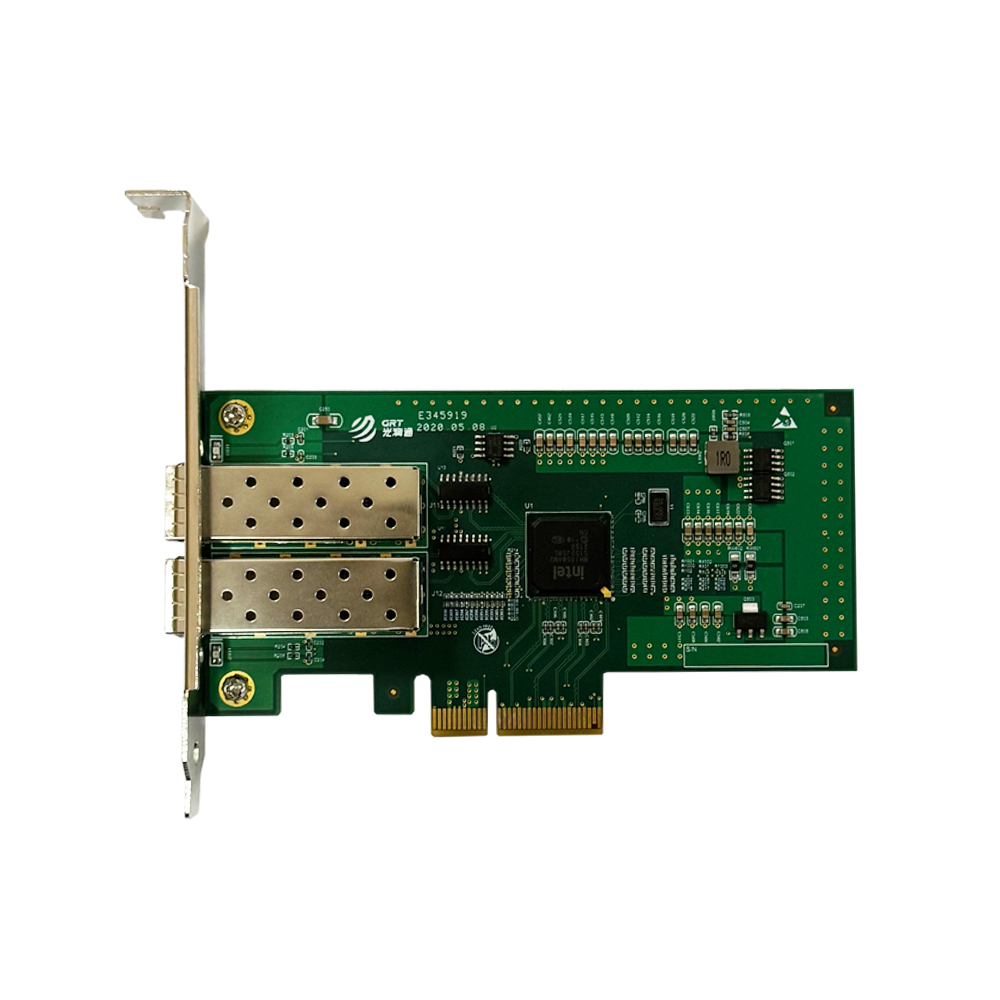
The small metal-cased crystal oscillator on a fiber adapter acts as the adapter’s heartbeat, generating reference clock signals for all onboard chips. For Gigabit Ethernet, a 25 MHz oscillator feeds a PLL (Phase-Locked Loop) to multiply the frequency to 125 MHz for the MAC layer. 10 GbE and higher-speed adapters require more precise oscillators to meet strict jitter specifications.
Oscillator precision directly affects data transmission accuracy. Ethernet protocols mandate clock error within ±100 ppm, while typical 25 MHz oscillators keep error below ±20 ppm. For PTP Precision Time Synchronization, oscillator precision dictates final synchronization accuracy: higher oscillator temperature drift causes larger timing deviation between calibrations. High-precision scenarios often deploy ±10 ppm or even ±5 ppm TCXO (Temperature Compensated Crystal Oscillators). Guangruntong (GRT) adapters built with Intel I210 and E810 chips support PTP hardware timestamping. The hardware timestamps packets the moment they reach the physical port, delivering nanosecond-level synchronization for demanding use cases including financial high-frequency trading and 5G base station synchronization.
4. More PCB Layers Do Not Equal Better Performance
PCB layer count heavily influences signal integrity. Guangruntong (GRT) applies differentiated PCB designs by speed: 4-layer PCBs for Gigabit adapters, and 6–8-layer PCBs for 10 GbE and faster adapters. Extra layers separate signal, power and ground planes to minimize crosstalk and preserve signal integrity at high speeds.
Additional layers are not just for routing space; they safeguard signal integrity. On 6/8-layer 10 GbE PCBs, high-speed traces sit between two reference planes as striplines for minimal interference. On 4-layer boards, signal layers sit farther from reference planes, resulting in weaker signal integrity. Still, extra layers carry downsides: higher material cost and longer lead times. Superior engineering selects the optimal layer count to meet performance requirements economically. Guangruntong (GRT) follows a speed-oriented design philosophy that balances high-speed signal integrity and controlled costs.
5. Power and Ground Planes: Overlooked Guarantees of Signal Quality
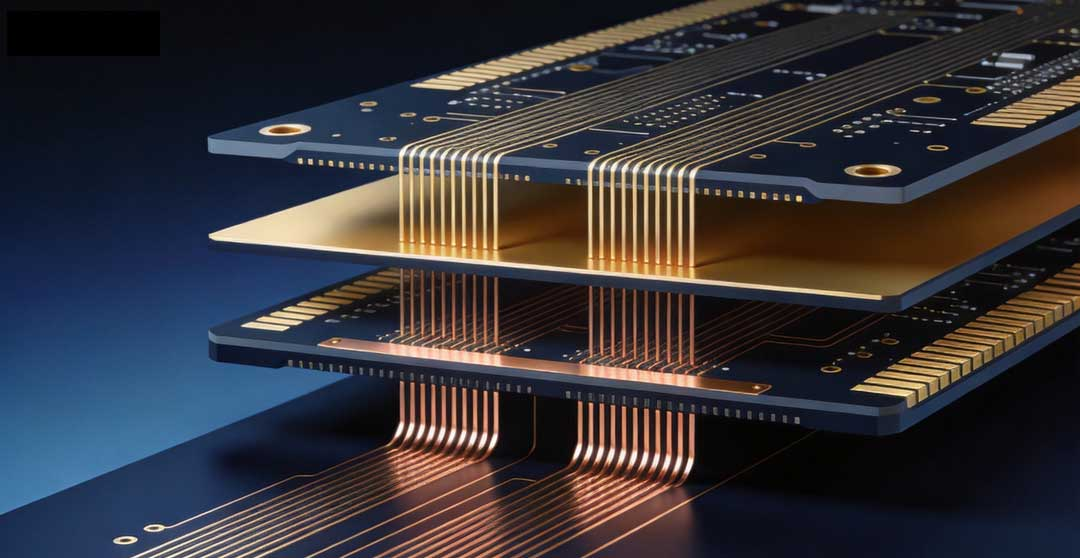
In multi-layer PCB design, continuous power and ground planes serve not only as power supply and return paths but also protect high-speed signal integrity. When signals travel across a PCB, return current flows through the ground plane. Split or discontinuous ground planes force return current to detour, expanding loop area and amplifying electromagnetic radiation and crosstalk.
For 10 GbE and above, 6/8-layer PCBs provide robust reference planes and shorter return paths to reduce electromagnetic emission and signal attenuation. Guangruntong (GRT) hardware engineers design continuous reference planes for high-speed traces and tightly control impedance (typically within ±10%). Power circuits adopt independent TI power management ICs from the United States for stable power delivery. During power design, every adapter undergoes multiple rounds of optimization to separate digital and analog power traces and avoid noise coupling, delivering clean, stable power under all load conditions.
The quality of fiber adapters extends far beyond chip models and bandwidth specifications. It lies in hidden engineering choices: PCB stackup, oscillator precision, and continuous power/ground planes. Understanding these lesser-known technical points supports accurate selection and maintenance decisions. Guangruntong (GRT) enforces strict controls over every design detail. All finished adapters pass rigorous powered burn-in testing and inspection to deliver outstanding stability and reliability for long-term continuous operation.
Latest information
- NAS Storage Network Upgrade Guide
- Why Does Upgrading Your NAS to 2.5GbE Not Improve Network Speed?
- What Is an OCP 3.0 Network Card?
- The King of Cost-Effective 25G NIC: In-Depth Analysis of Guangruntong (GRT) GH2502EM-V4.1
- The Hidden Relationship Between NIC Heat Dissipation and Data Center Cabinet Layout
- Why are serpentine traces designed on the NIC PCB board
- NIC and Operating System Ecosystem Adaptation: From Hardware Compatibility to Win-Win Performance
- NIC Hardware Offload Technology: Let Server CPU Focus on Business Computing