Sign in



What invisible tests does a fibre-optic network card undergo before leaving the factory?
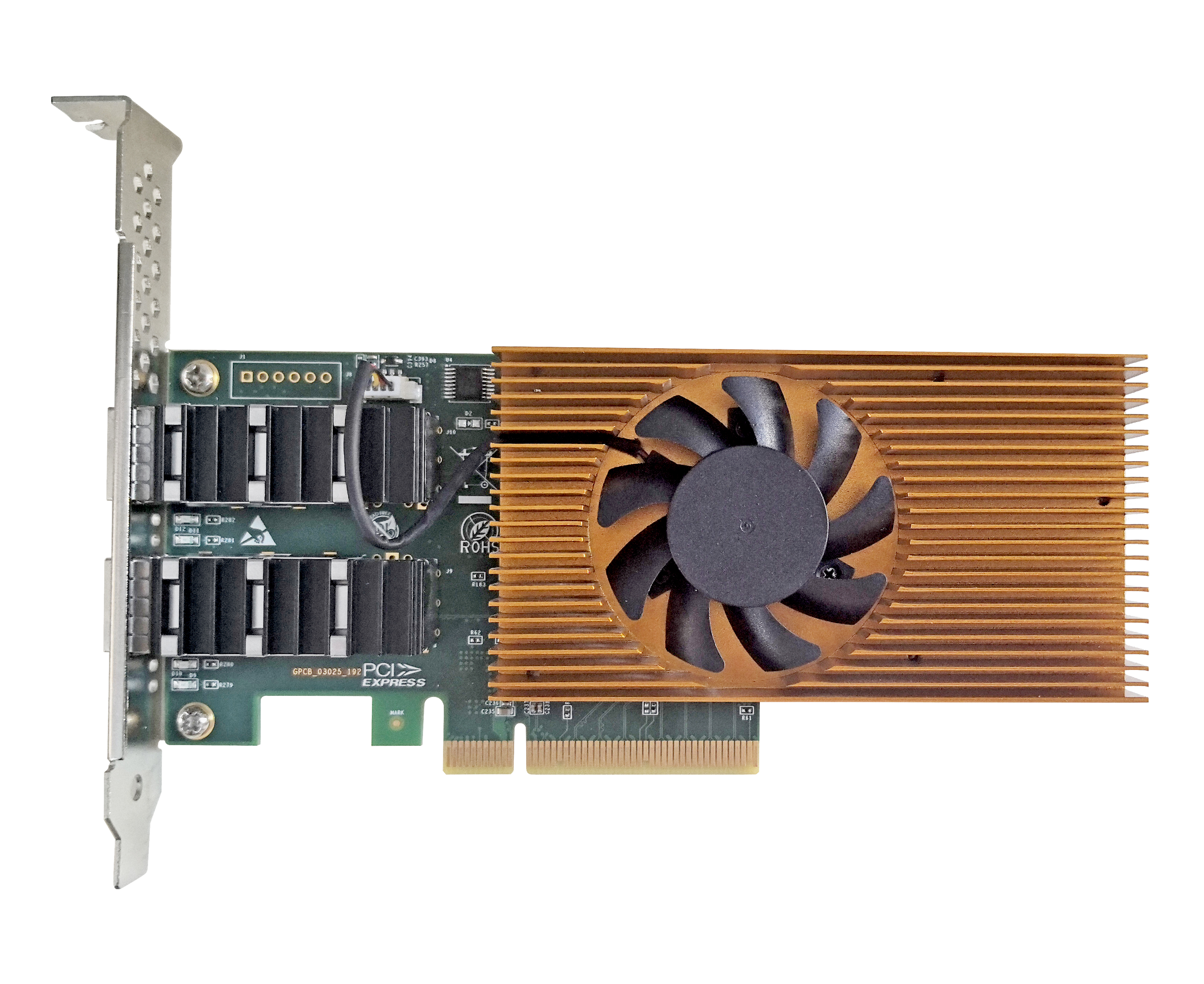
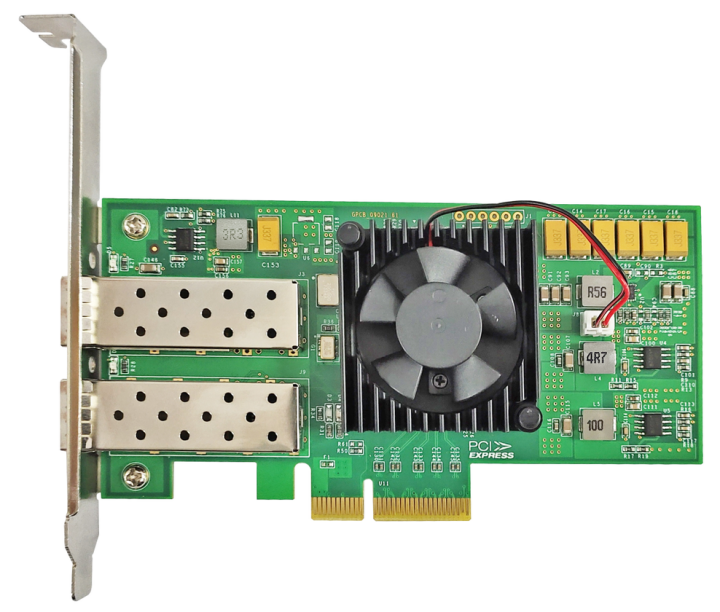
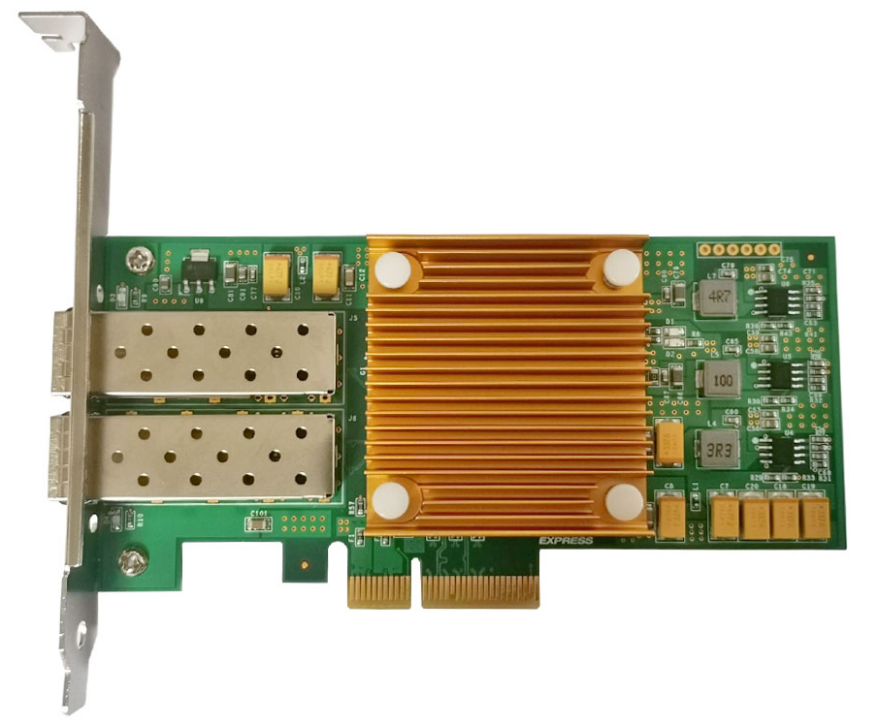
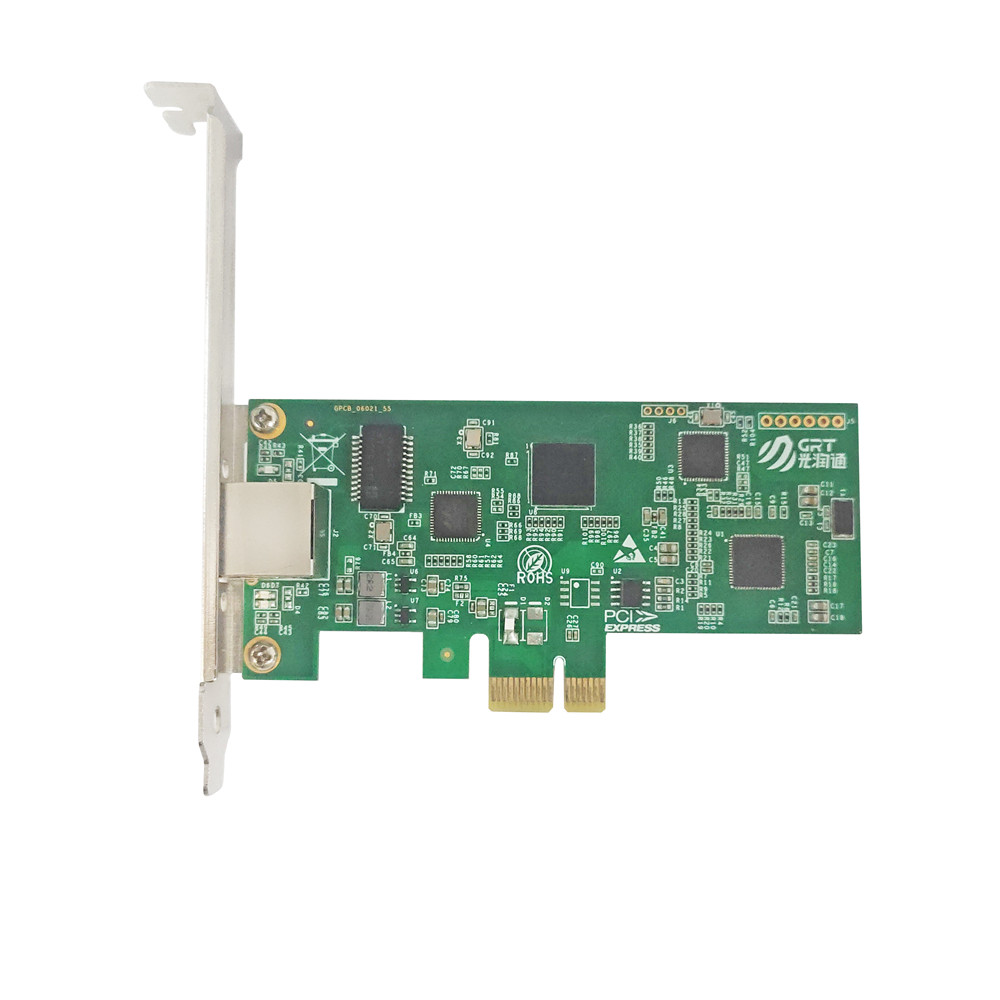
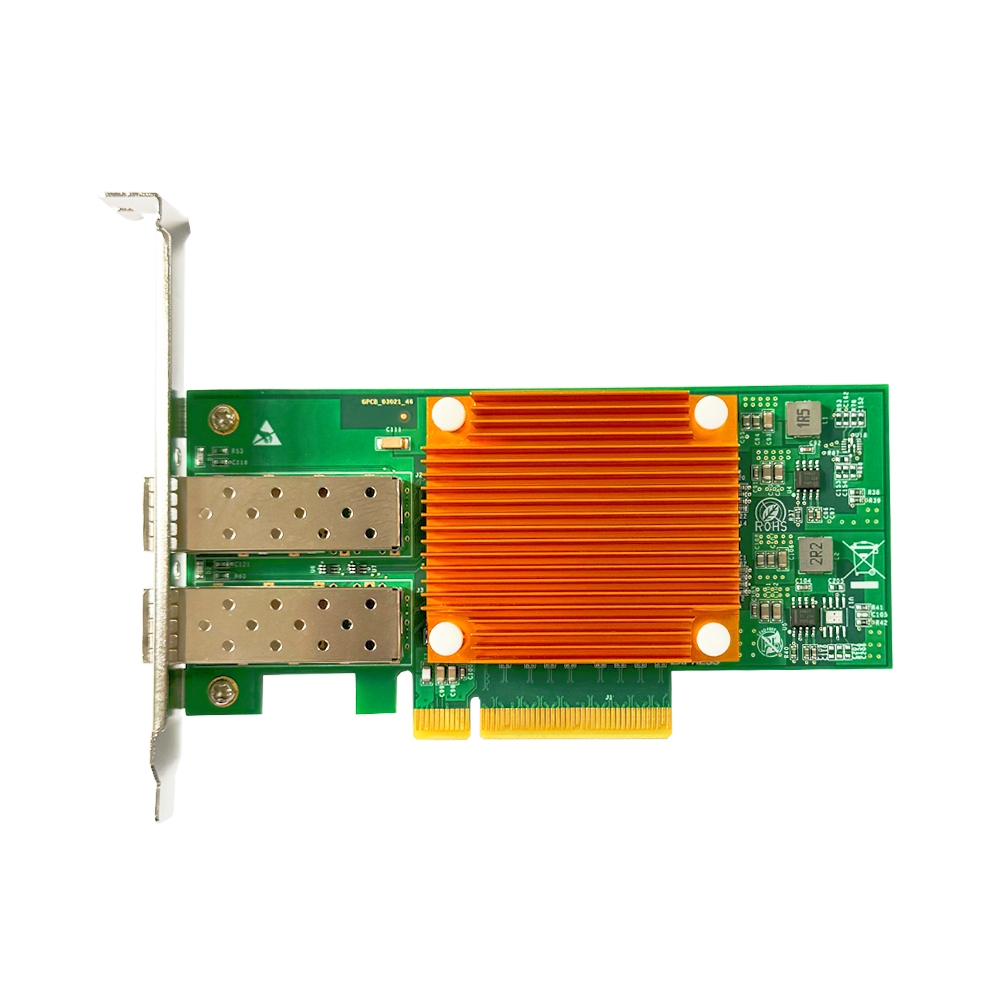
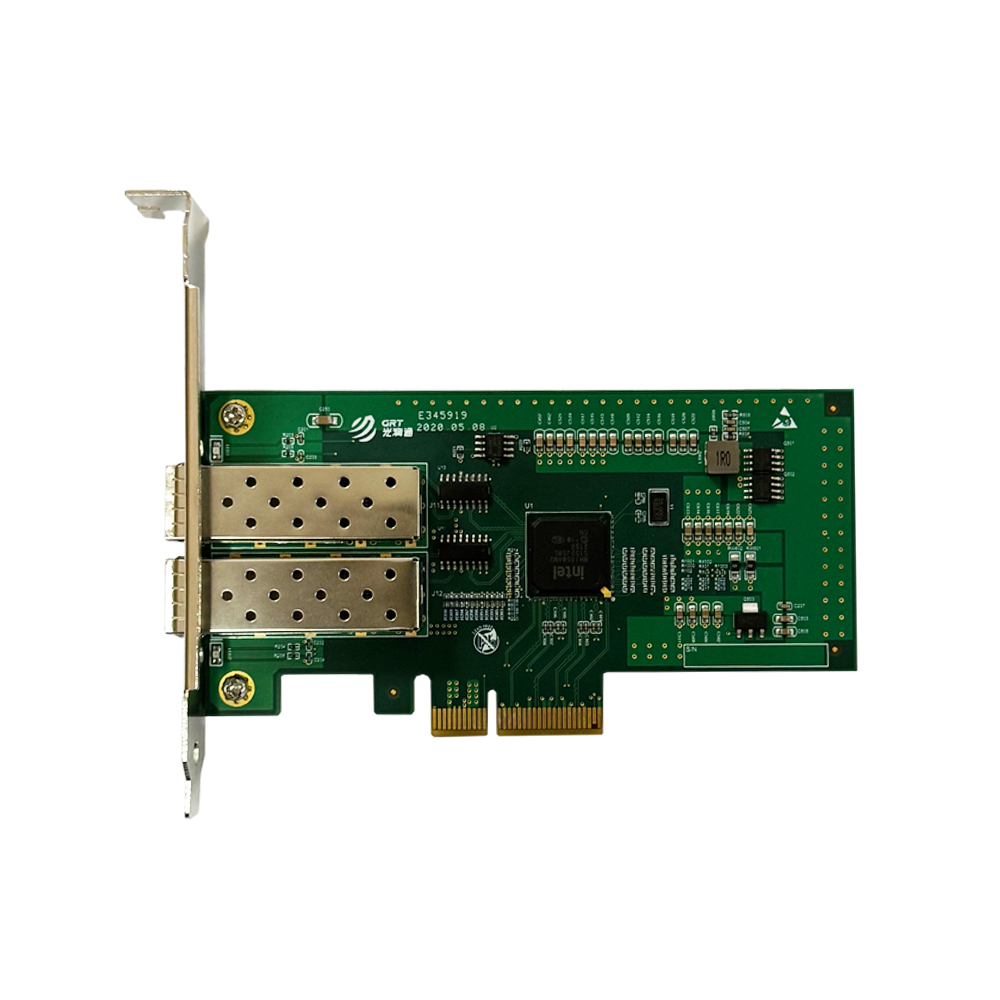
< BackWhen a user receives a fibre-optic network card, plugs it into a server and starts working, the entire experience seems to run smoothly as a matter of course. However, before this network card reaches the user, it has undergone a series of rigorous tests and verifications. As a company deeply committed to the research, development and manufacture of network cards, Guangruntong Technology aims to highlight these ‘invisible quality assurances’, enabling users to understand the rigorous testing that lies behind a reliable network card.
Compatibility Testing: Validation in Real-World Environments
A network card does not operate in isolation; it must work in tandem with a variety of devices, including server motherboards, operating systems, switches and optical modules. Compatibility issues at any stage could lead to faults at the user’s site.
Guangruntong’s compatibility testing covers three key dimensions. Regarding server compatibility, we have established a test matrix comprising dozens of server models from leading brands such as Inspur, Huawei, Sugon, H3C, Dell and HP. We conduct point-to-point compatibility verification for each new network card to ensure stable recognition and operation across various hardware environments.
In terms of operating system compatibility, in addition to Windows Server and mainstream Linux distributions, we have also carried out in-depth adaptation for domestically developed operating systems such as Kylin and UOS. At the driver level, we strive not only for ‘functionality’ but also for performance optimisation under specific kernel versions.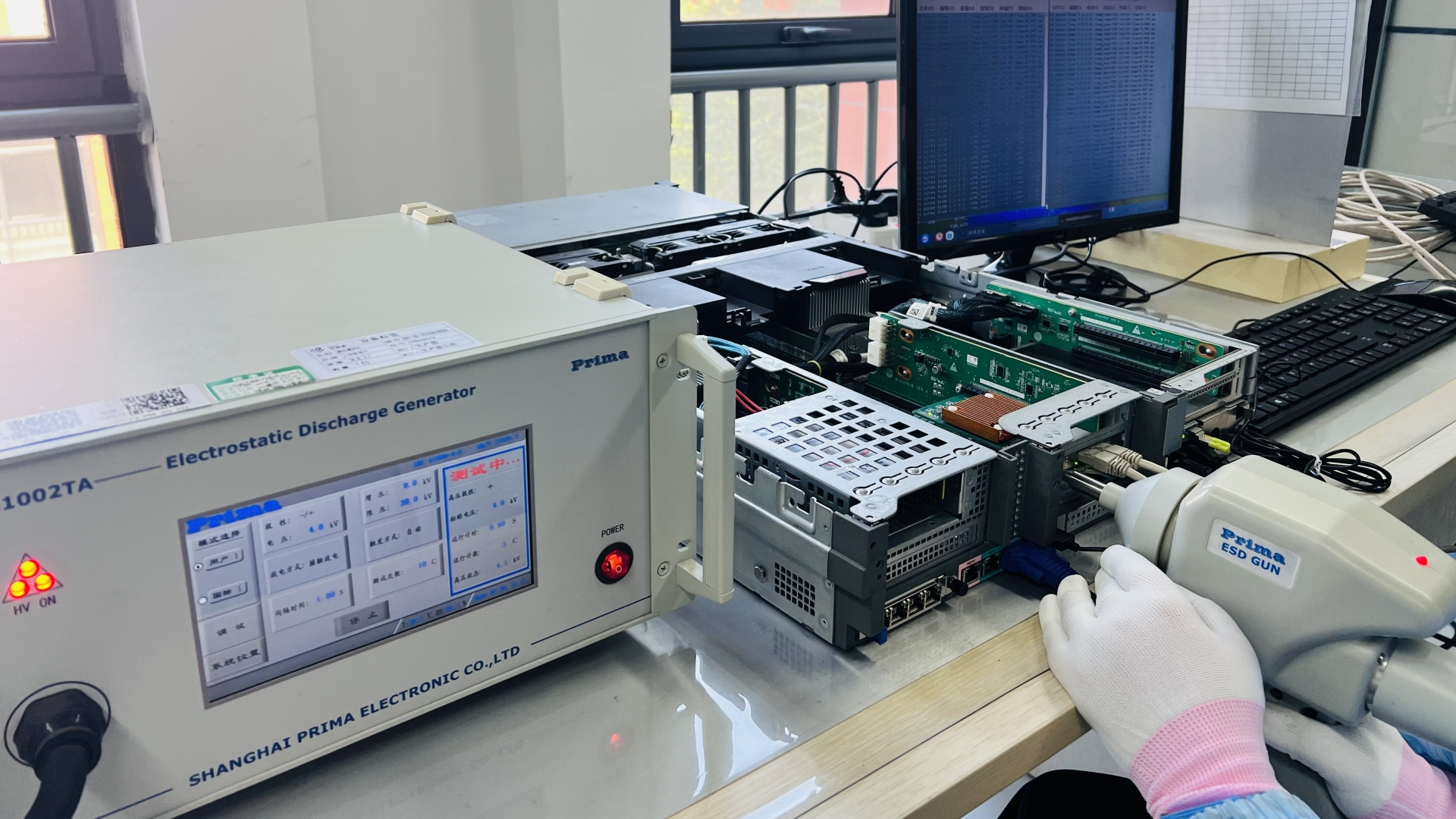
Stability Testing: Performance Under Extreme Stress
As devices operating 24/7, stability is a core metric for network interface cards. Guangruntong’s stability testing is divided into several tiers.
Long-duration throughput testing involves subjecting the network interface card to full load for over 72 hours, monitoring whether throughput remains at line speed, whether there is any packet loss, and whether temperatures remain within normal ranges. Any minor anomaly is recorded and analysed.
Hot-swap testing simulates the insertion and removal operations that may occur during actual operation and maintenance. The network card is hot-swapped thousands of times whilst powered on to verify that the hardware design and drivers handle hot-swap events correctly, ensuring the system can resume normal operation following maintenance operations.
Temperature cycling tests place the network card in a temperature-controlled chamber, cycling between 0–5 °C and 55 °C to simulate extreme scenarios such as data centre air-conditioning failures or server room temperature fluctuations, thereby verifying the network card’s reliability under various environmental temperatures.
Firmware Validation: Reliability Assurance at the Software Level
The network card firmware acts as a bridge between the hardware and the driver, and its stability directly impacts the user experience. Guangruntong’s firmware testing includes functional verification, boundary testing and fault injection.
Functional verification covers all hardware features, including offload functions, virtualisation functions, LED indicators and EEPROM read/write operations. Boundary testing involves attempting various extreme configurations, such as maximum queue depth and minimum interrupt interval, to ensure the firmware remains stable under parameters. Exception injection testing simulates various fault scenarios—such as sudden power cuts during hot-swapping or signal anomalies at the moment an optical module is inserted—to verify the firmware’s fault-tolerance capabilities.
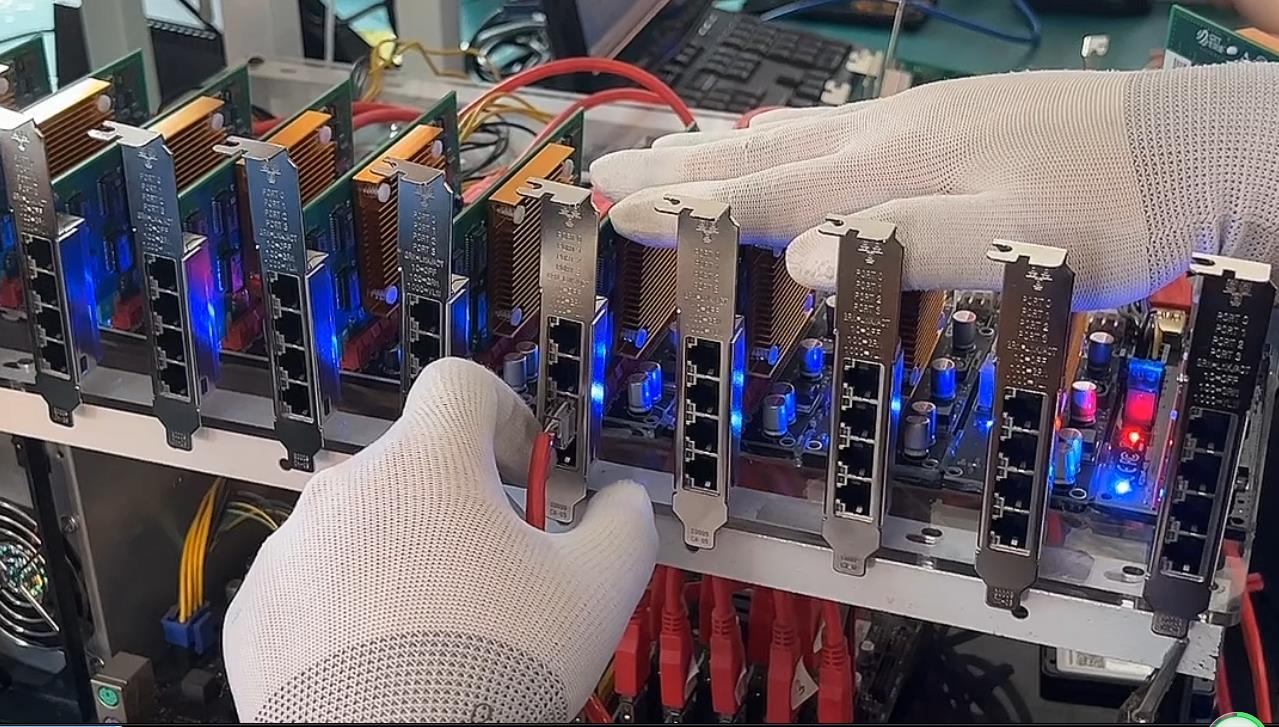
Final Inspection Before Shipment
Every Guangruntong network card undergoes a final inspection process before leaving the factory. This includes checks on physical appearance, the cleanliness of the gold fingers, port signal testing and EEPROM data verification. Only products that pass all inspection items proceed to the packaging stage.
Whilst this process may appear cumbersome, it is precisely these meticulous checks that ensure every network card reaching the user is of a stable and reliable quality.
Quality Philosophy: Testing is Part of the Design
In Guangruntong’s R&D philosophy, testing is not an ancillary task in the production process, but rather an integral part of product design. From the schematic design stage onwards, we incorporate testability considerations to ensure that every critical signal and functional point can be effectively tested. This approach to quality control, which begins at the very source, provides a more fundamental guarantee of product quality than post-production screening.
For customers, choosing a network card means selecting not only chip specifications and bandwidth parameters, but also the comprehensive quality assurance system that underpins them. Guangruntong Technology will continue to approach the research, development and testing of every network card with the utmost rigour, providing reliable hardware support for enterprise users’ network infrastructure.
Latest information
- NAS Storage Network Upgrade Guide
- Why Does Upgrading Your NAS to 2.5GbE Not Improve Network Speed?
- What Is an OCP 3.0 Network Card?
- The King of Cost-Effective 25G NIC: In-Depth Analysis of Guangruntong (GRT) GH2502EM-V4.1
- The Hidden Relationship Between NIC Heat Dissipation and Data Center Cabinet Layout
- Why are serpentine traces designed on the NIC PCB board
- NIC and Operating System Ecosystem Adaptation: From Hardware Compatibility to Win-Win Performance
- NIC Hardware Offload Technology: Let Server CPU Focus on Business Computing