Sign in



How Enterprise‑Grade Fiber NICs Unlock True Server Performance
< BackWithin enterprise IT infrastructure, network interface cards are often regarded as simple “pass‑through devices”. When troubleshooting performance bottlenecks, many system administrators tend to focus on CPU, RAM or disk I/O, rarely realizing that network data processing has become a critical factor affecting overall server performance. As technical specialists at Guangruntong (GRT), we would like to dive deep into the internal working mechanism of modern fiber NICs based on our R&D and testing experience.
The Core Mission of a NIC: More Than Data Transmission
First, a fundamental concept: the essential job of a network card is packet processing. Behind this simple term lies a large set of computing tasks, including data checksum, segmentation‑reassembly, address matching and interrupt notification. In early network architectures, all these workloads were handled entirely by the CPU. As network traffic rose, frequent network interrupts would occupy CPU resources and reduce available processing time for business applications, a well‑known issue called “interrupt storm”.
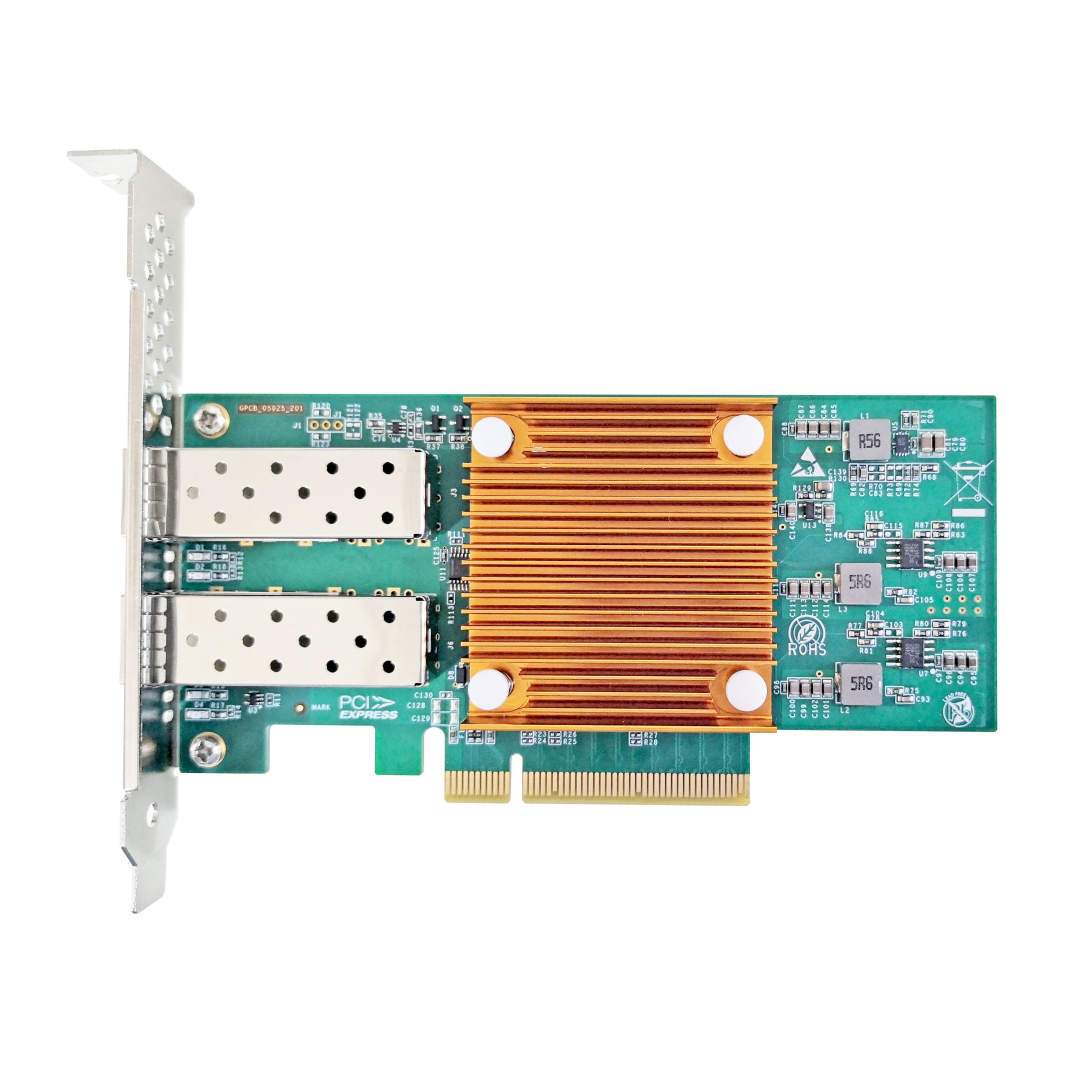
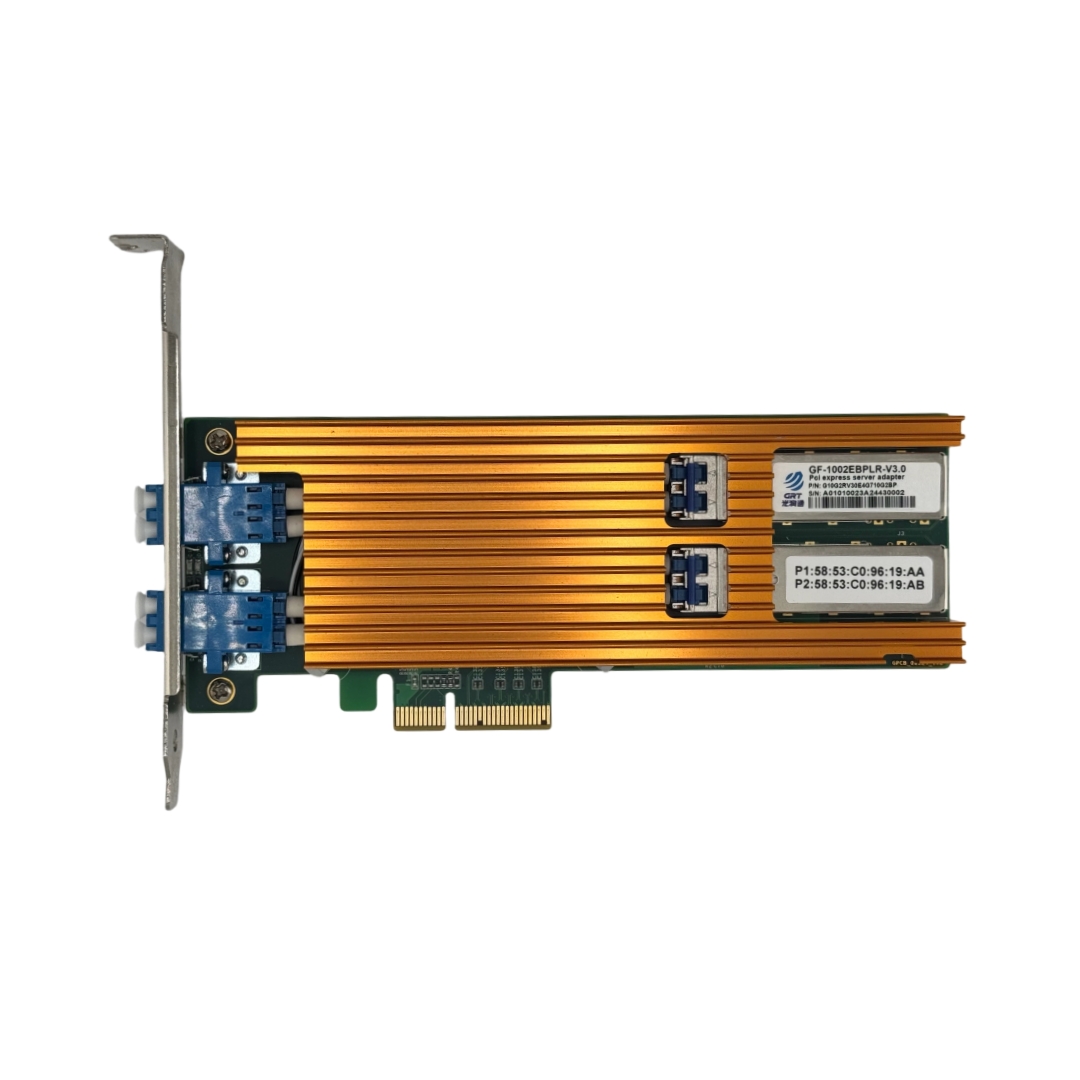
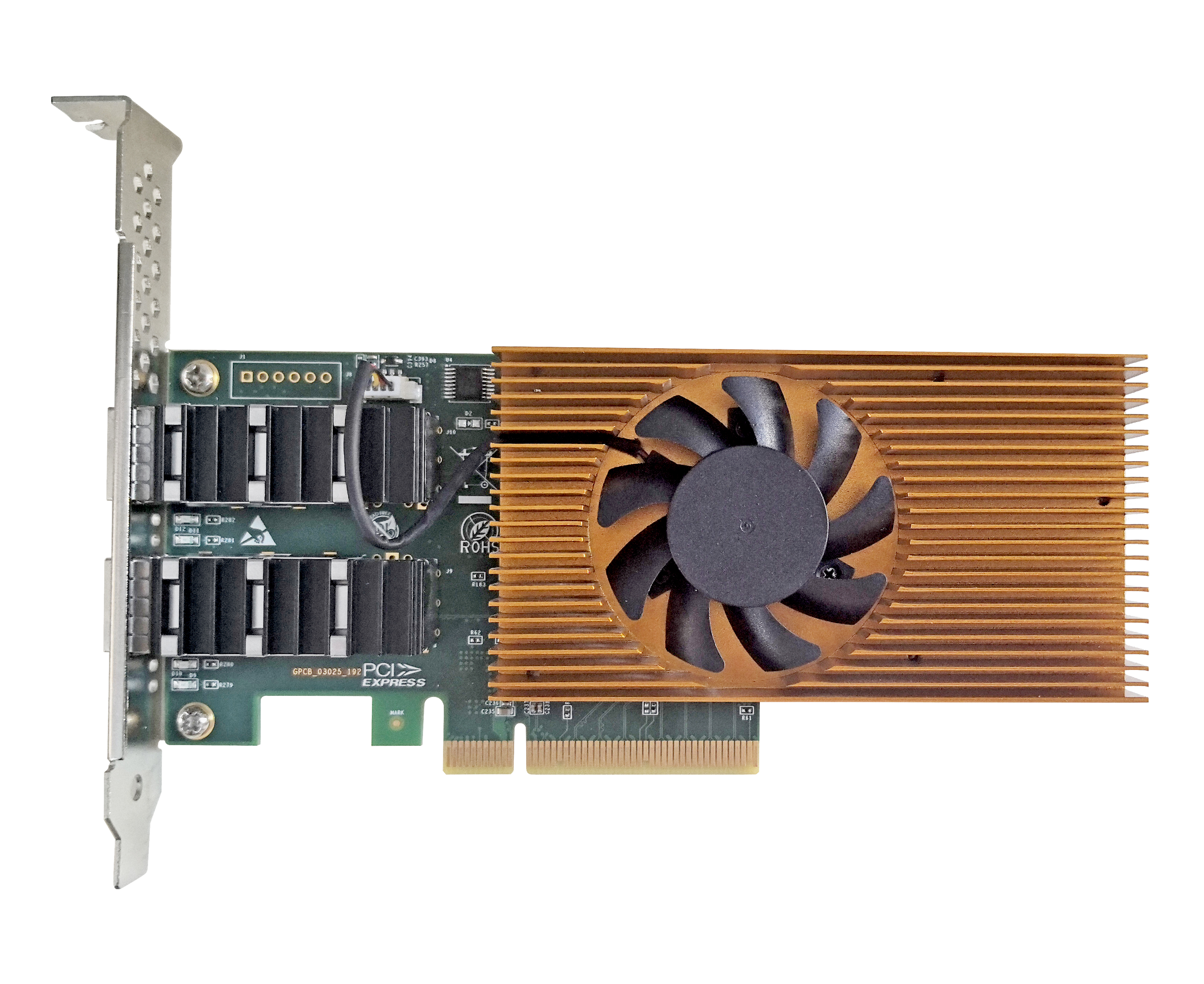
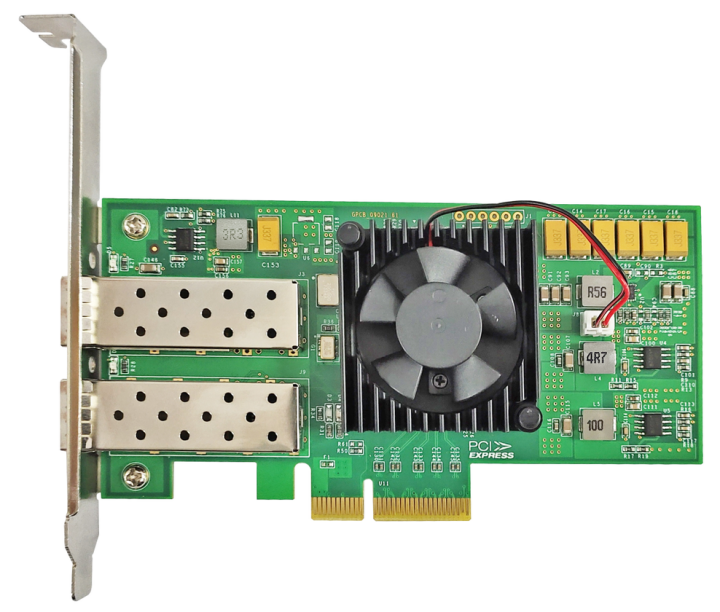
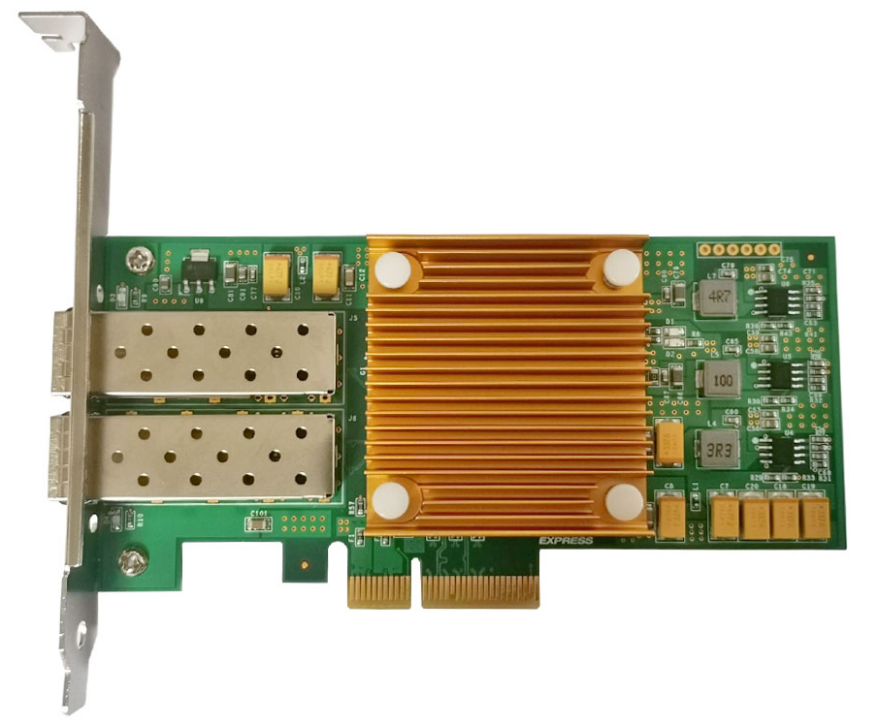
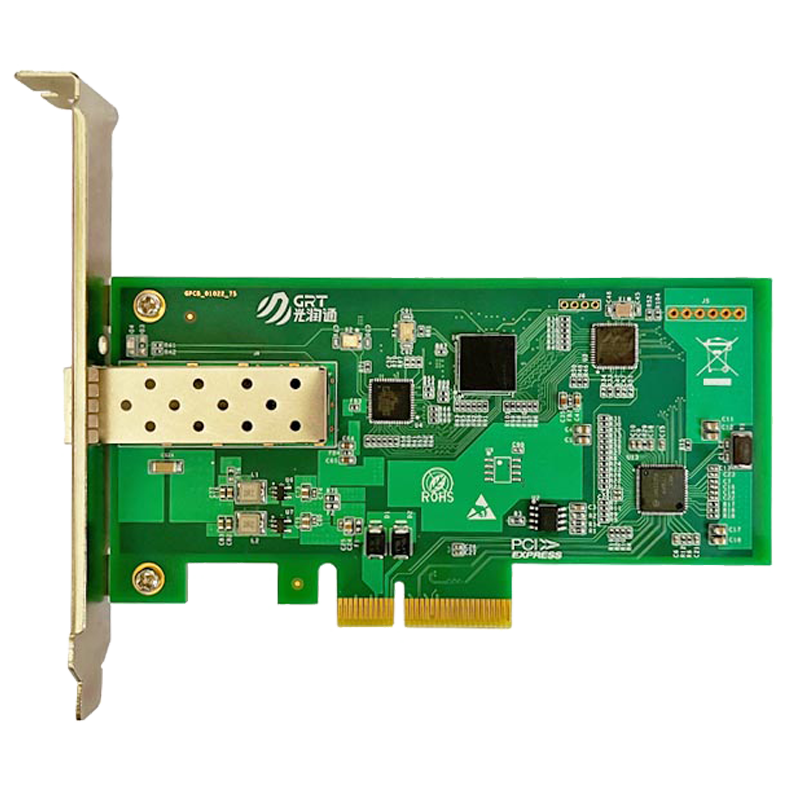
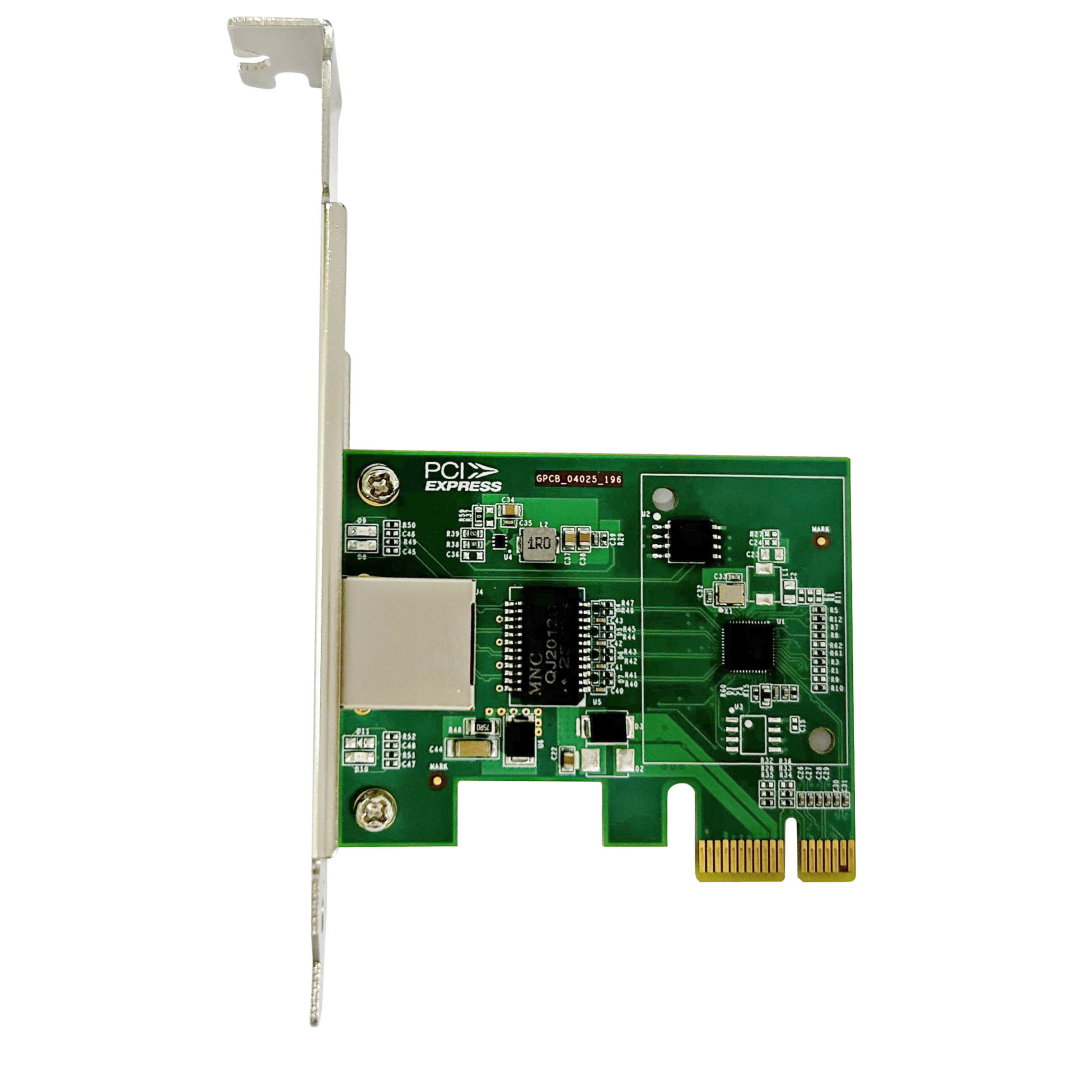
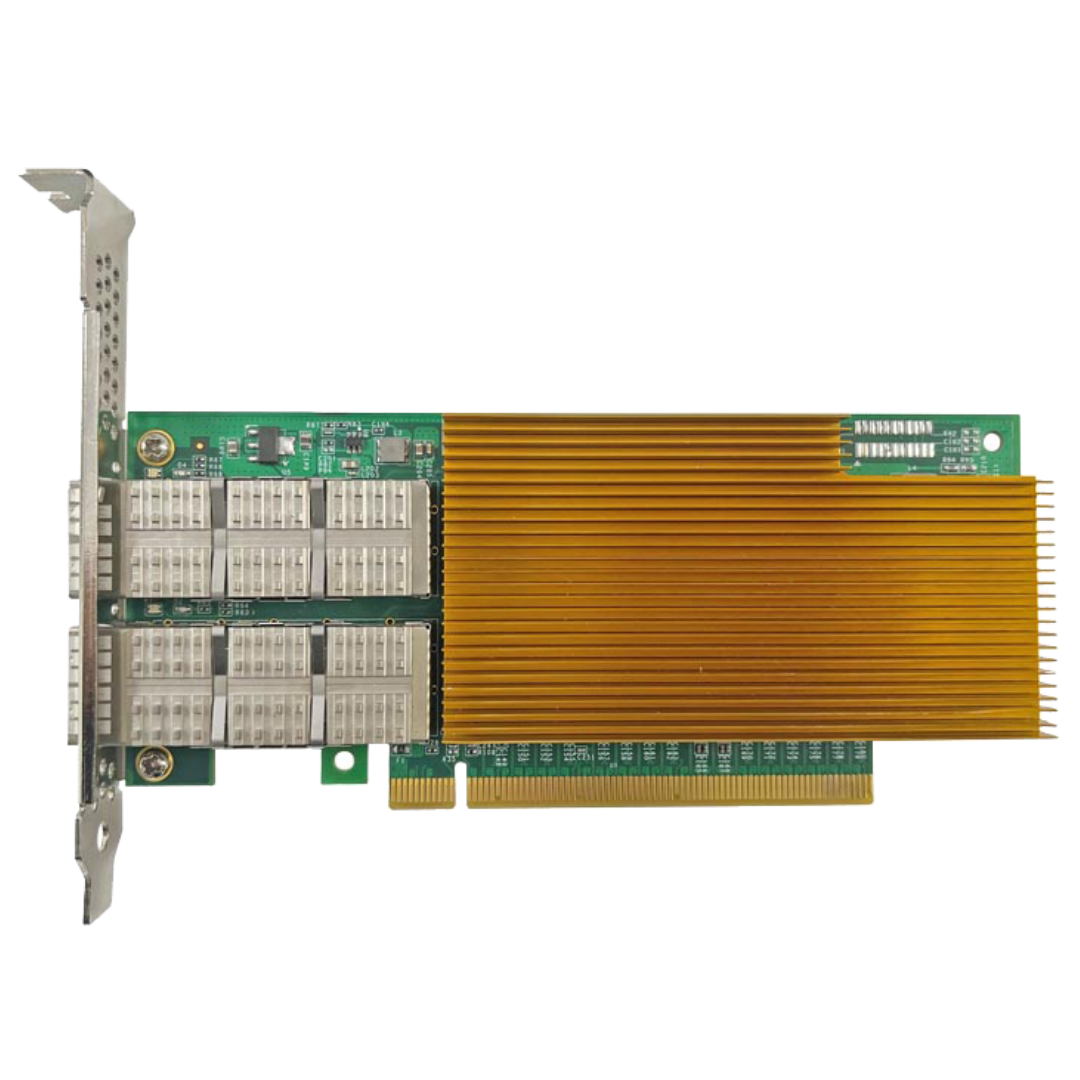
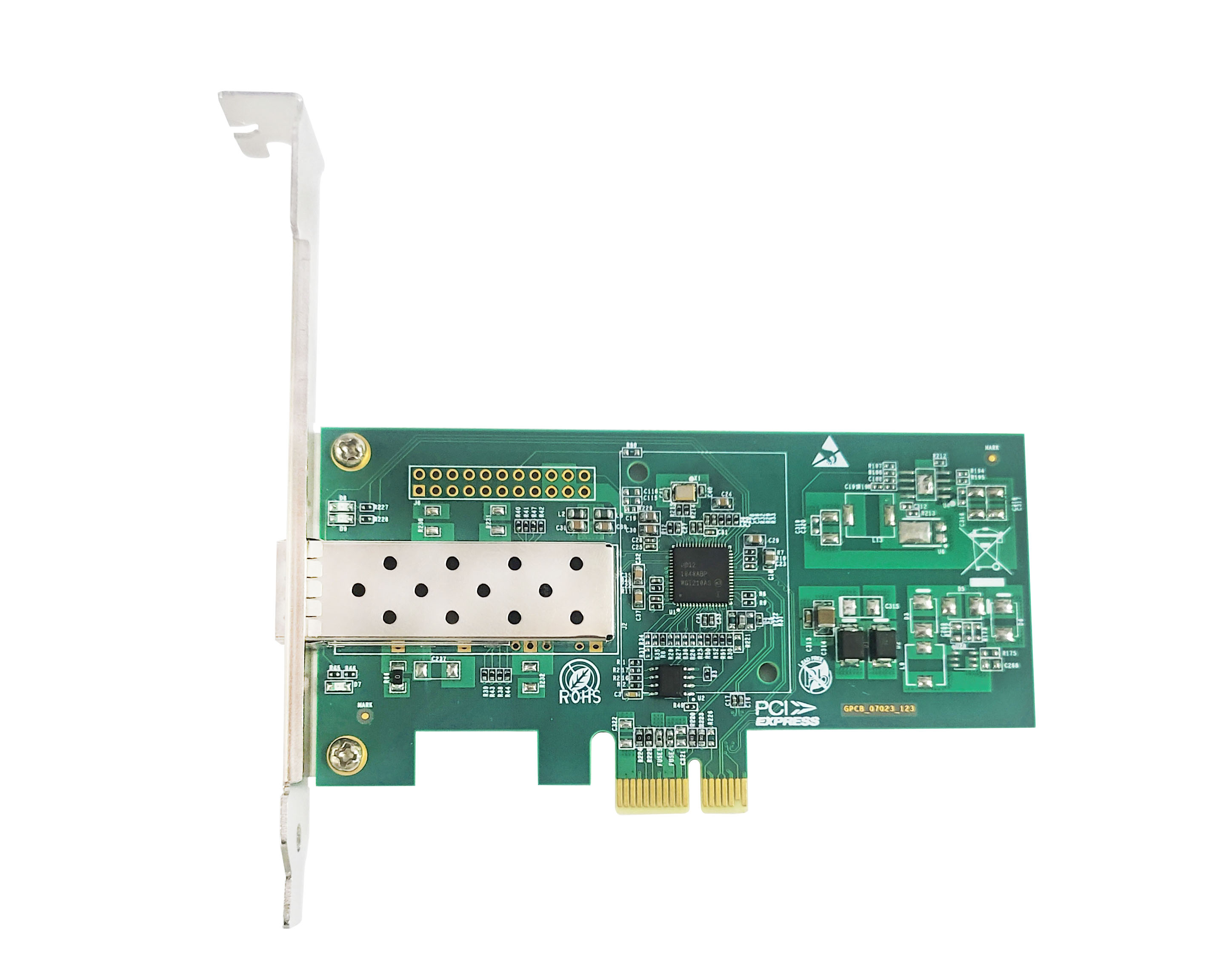
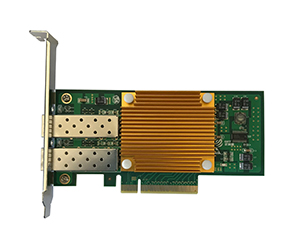
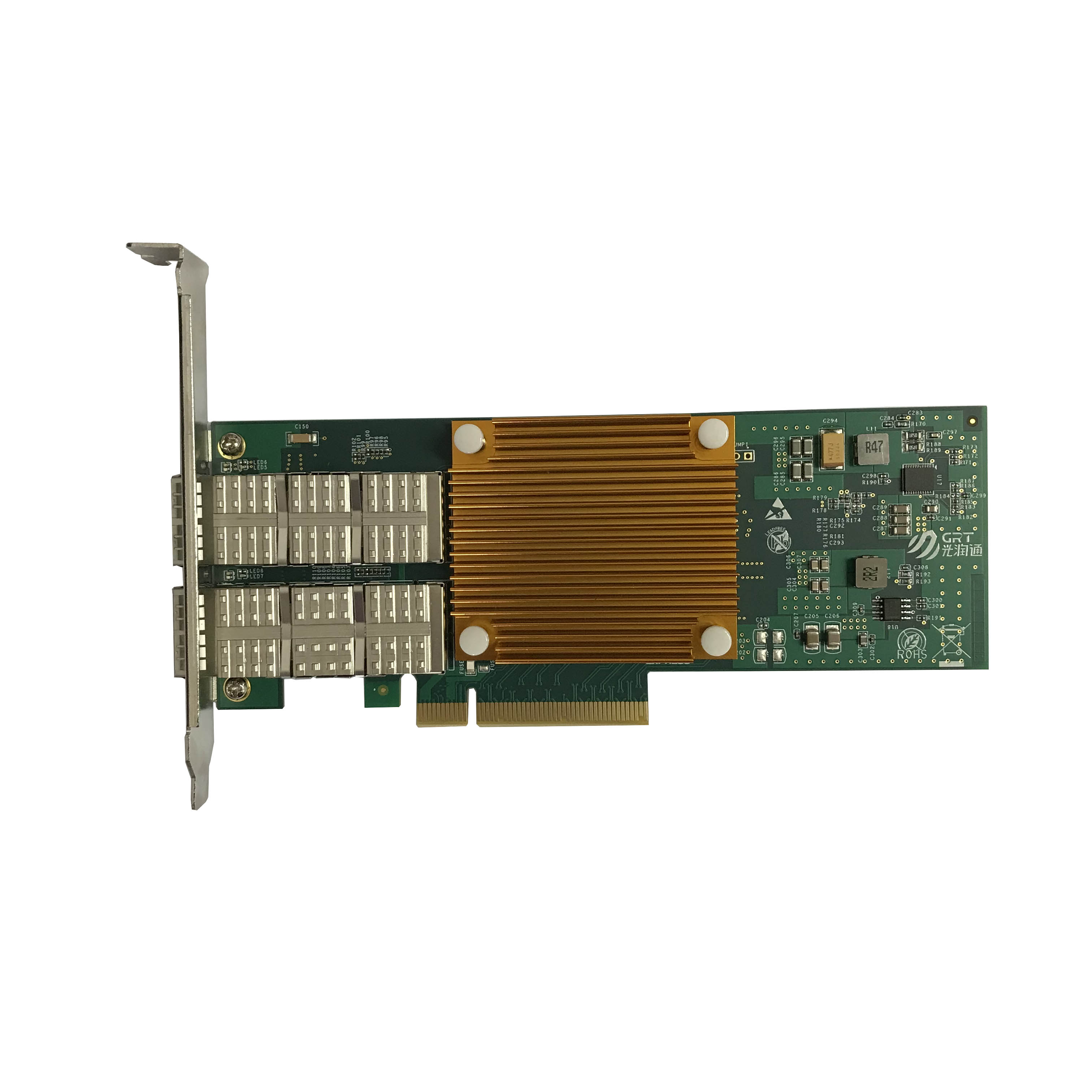
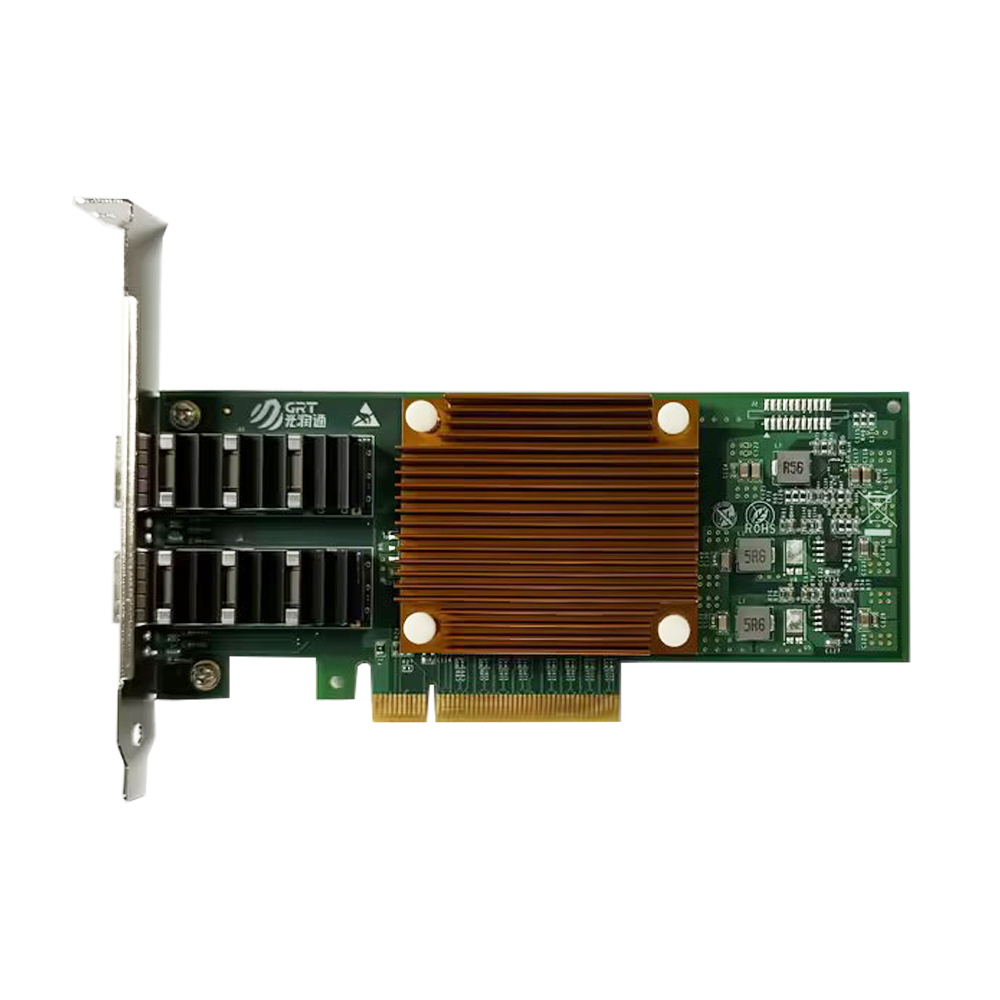
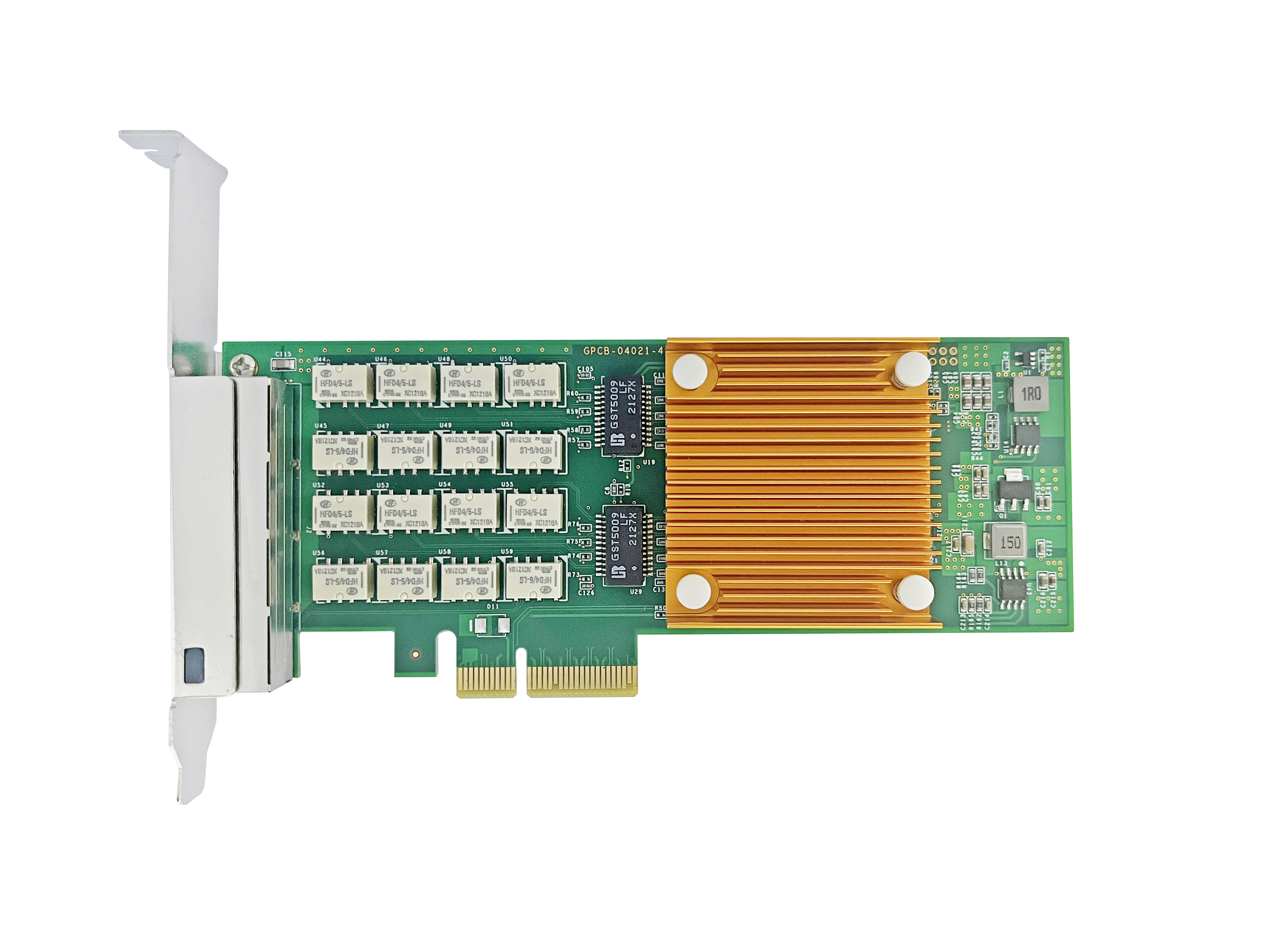
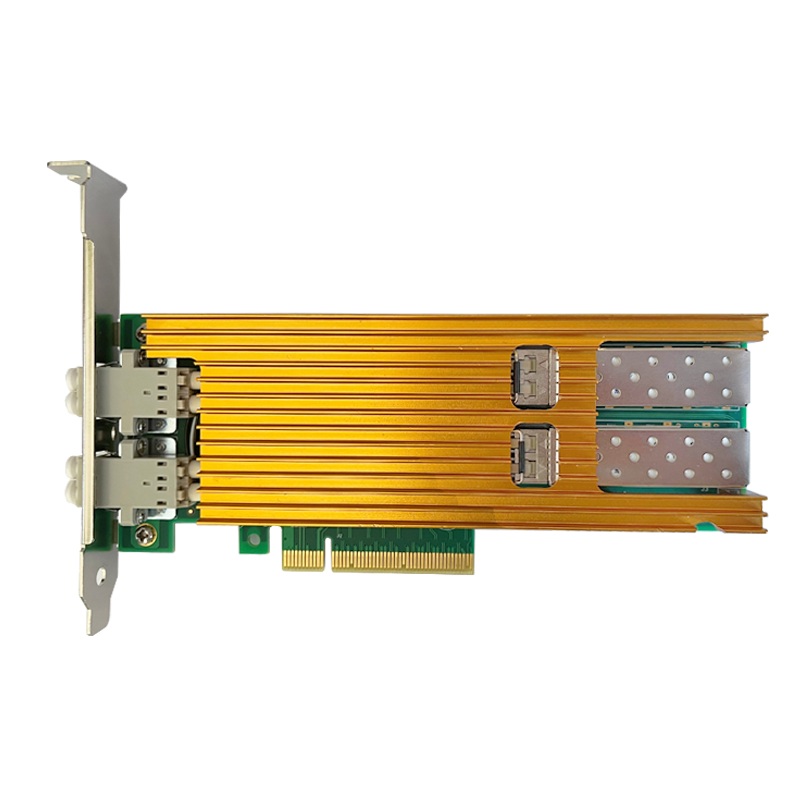
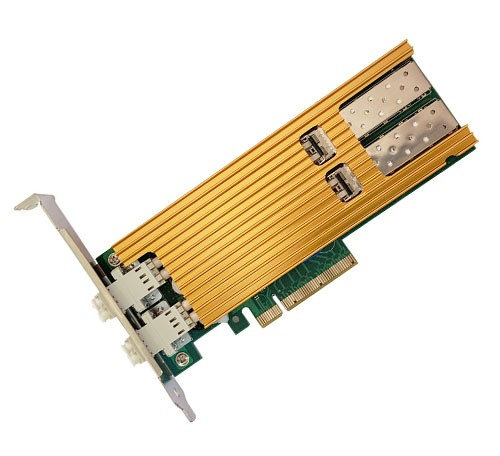
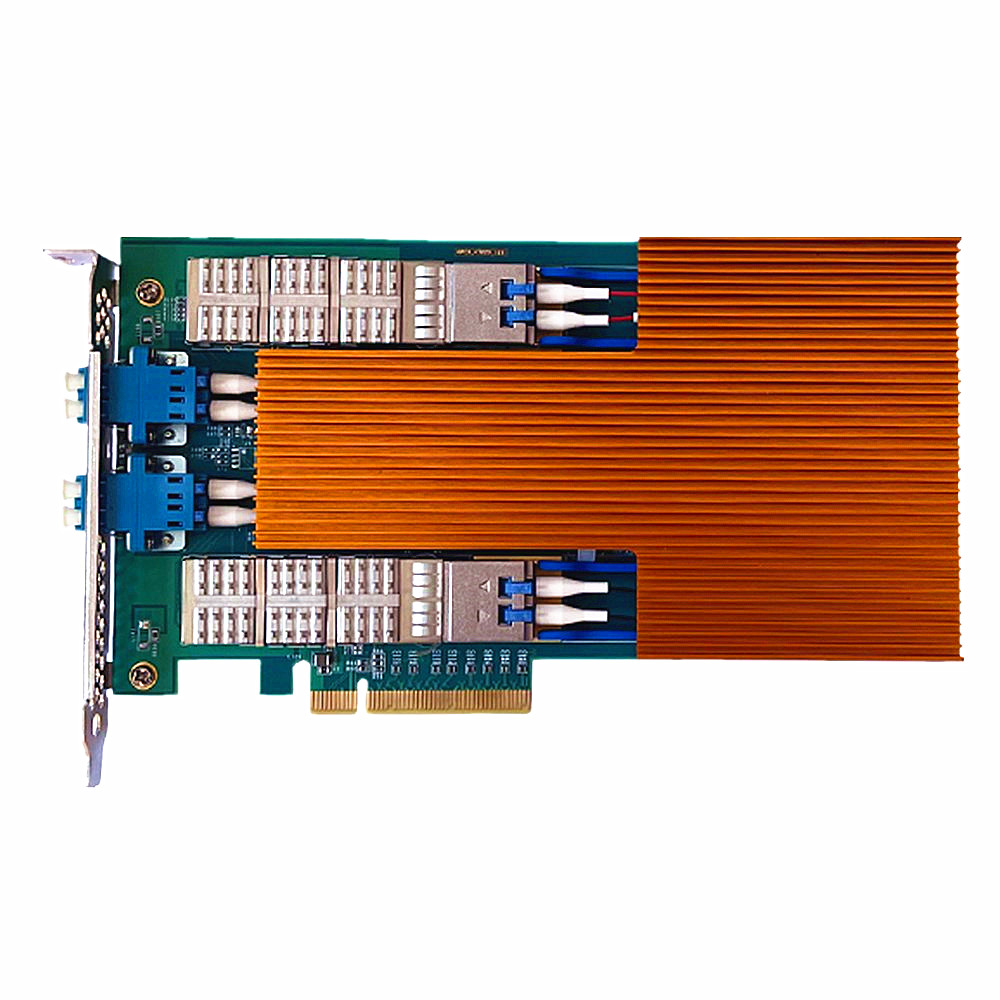
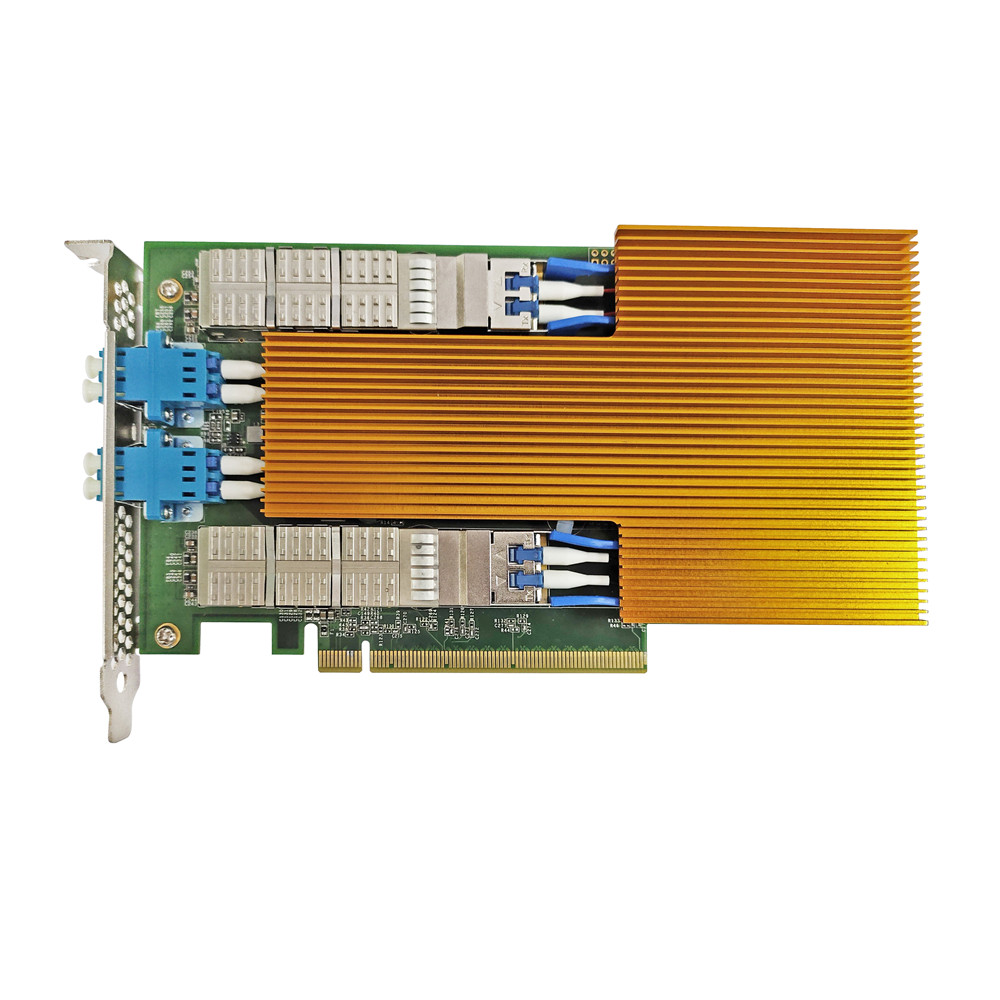
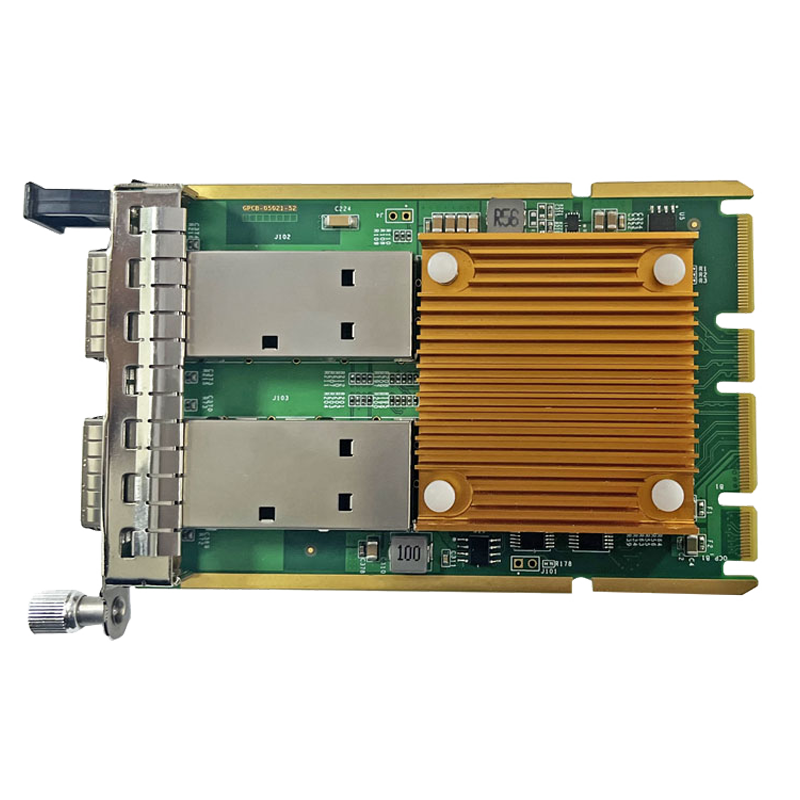
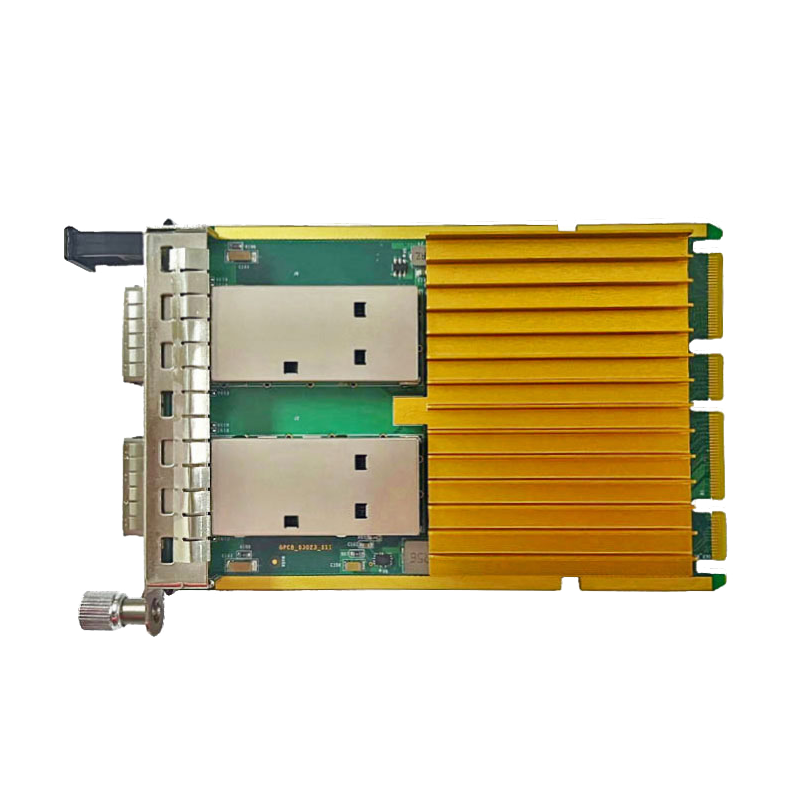
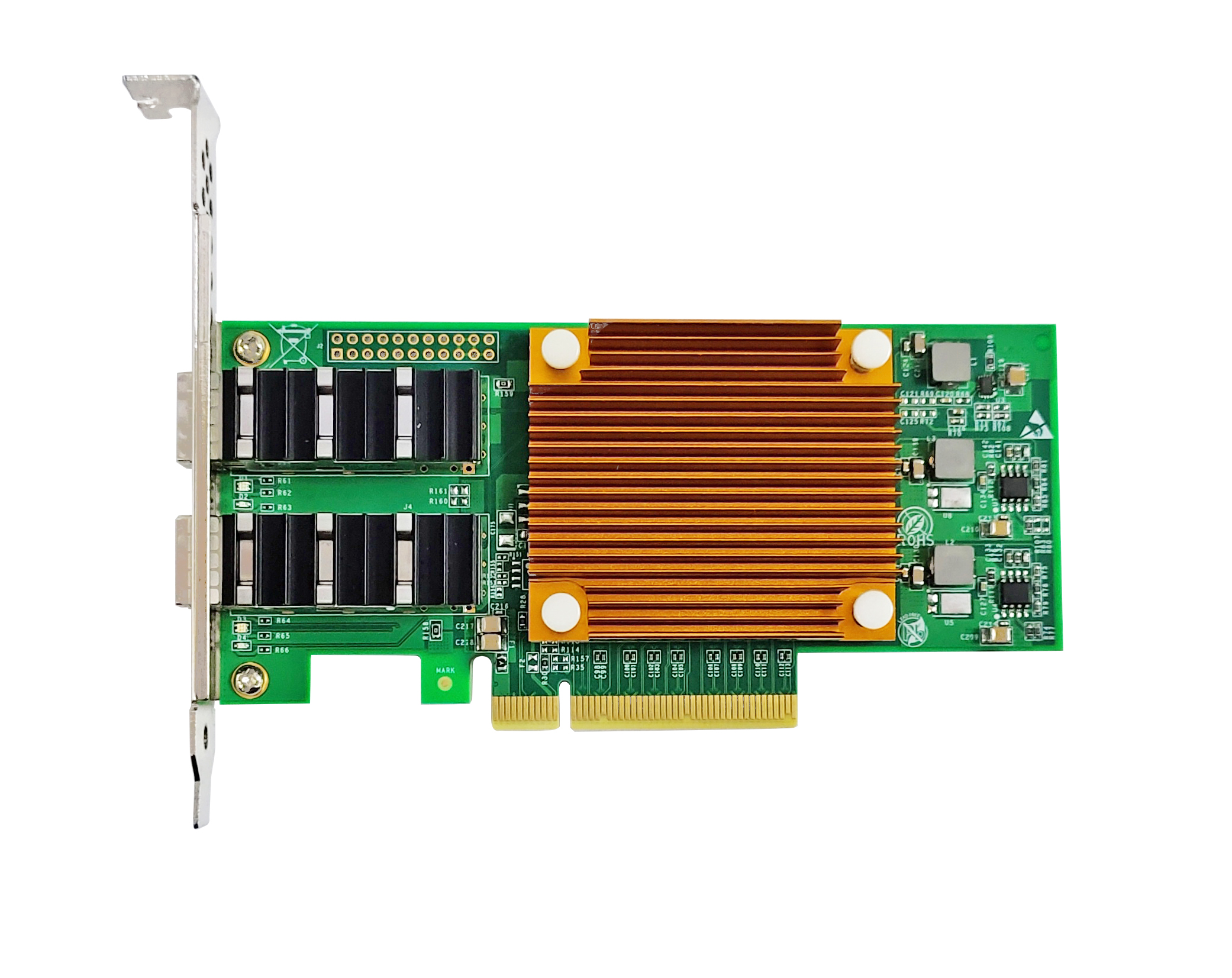
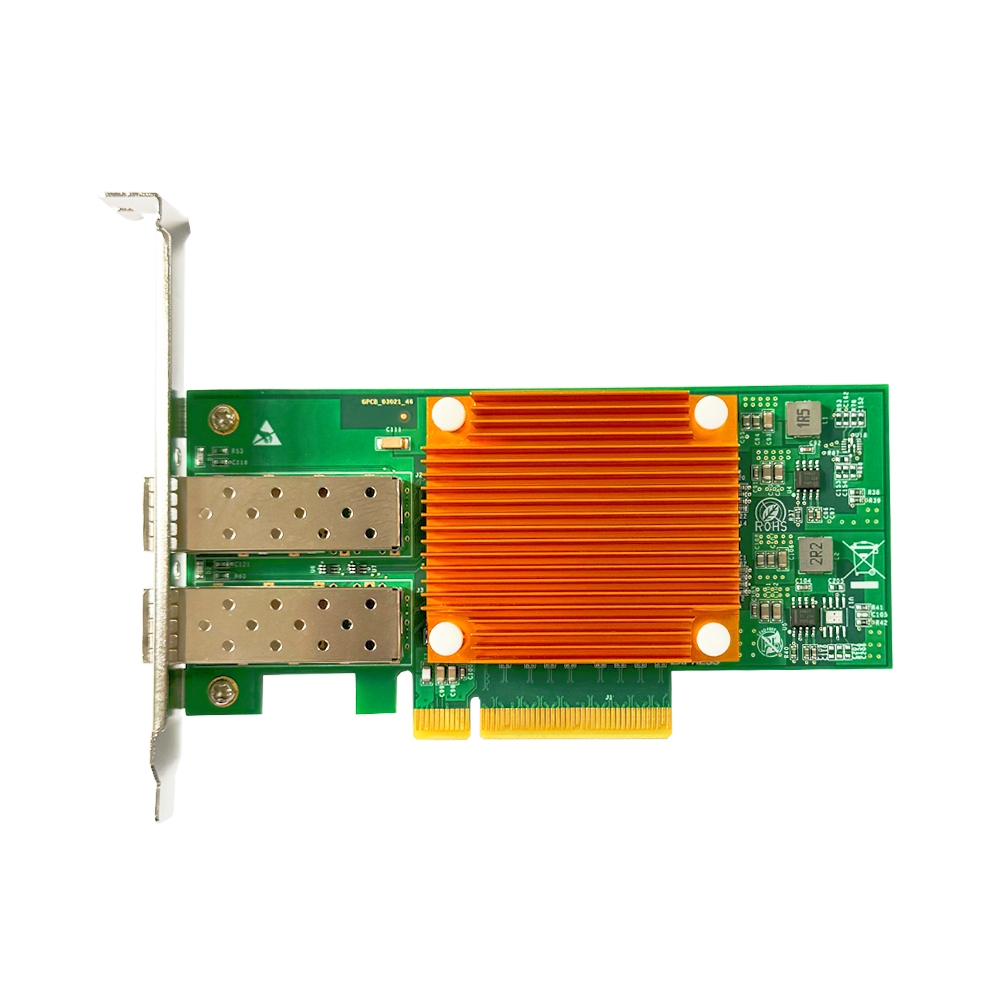
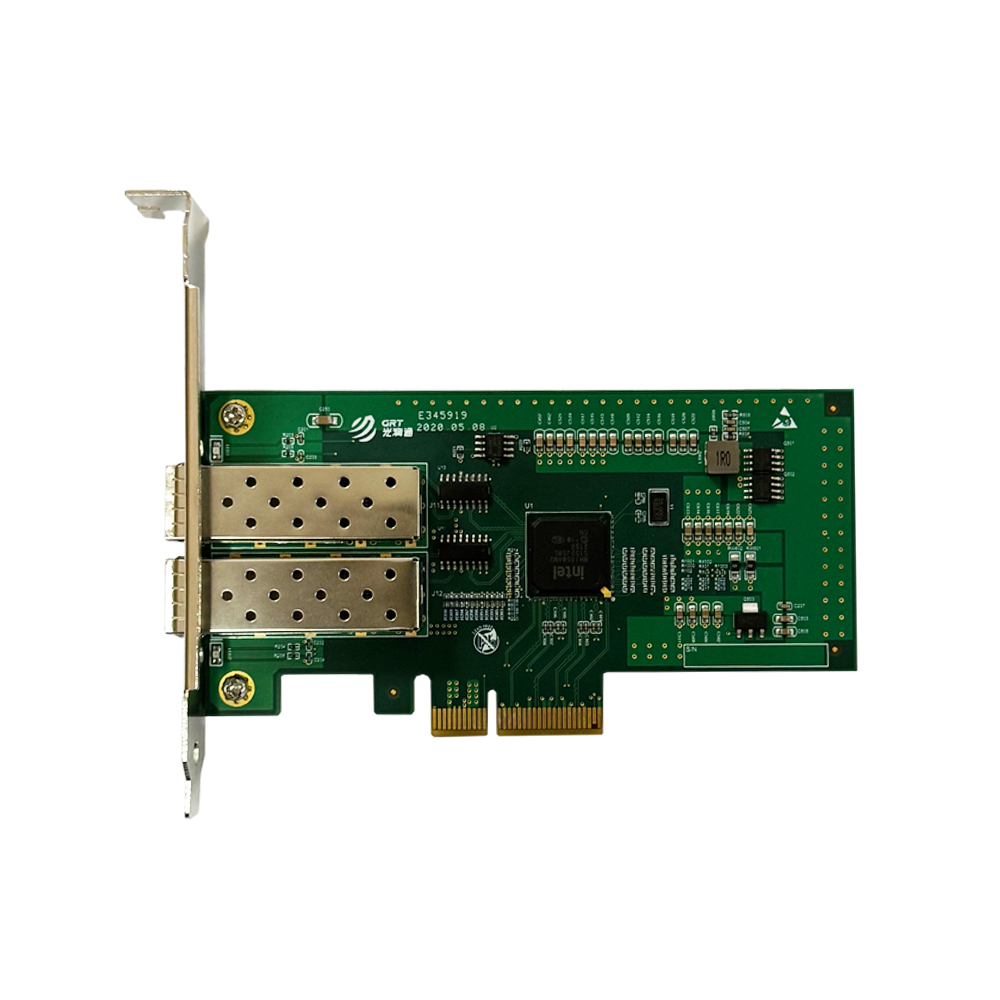
The advancement of modern enterprise‑grade fiber NICs lies in reducing CPU involvement. This is not marketing rhetoric, but a genuine architectural upgrade. Taking Guangruntong (GRT) 10G and 25G fiber network adapters as an example, their core advantage is hardware offloading, shifting heavy workloads away from the CPU onto the NIC itself.
Offloading Technology Explained: Data Checksum & Segmentation
Let’s look at a typical use case: large‑file transmission.
When a server sends a huge file, the TCP/IP stack requires data to be split into packets no larger than 1500 bytes (standard Ethernet MTU). If segmentation is completed by the CPU, massive computation and memory‑copy operations will be triggered for every file transfer.
NICs equipped with TSO (TCP Segmentation Offload) allow the CPU to deliver one large block of data directly to the network card. The NIC hardware performs segmentation, header addition and checksum calculation independently. In the receiving direction, LRO (Large Receive Offload) merges multiple small packets into one large packet before forwarding data to the CPU, drastically cutting CPU processing frequency.
The performance gains are tangible: while handling 10Gbps traffic, a NIC with offloading enabled can reduce CPU usage down to one‑third or less compared to a setup without offload. For resource‑sensitive workloads such as database and file servers, this improvement directly speeds‑up application response.
Hardware Acceleration for Virtualized Environments
The widespread adoption of virtualization has brought new challenges for network adapters. Under traditional configurations, virtual machine network traffic travels through multiple forwarding layers: virtual machine → virtual switch → physical NIC. Each forwarding step creates extra CPU emulation and data‑copy overhead.
This is where SR‑IOV (Single‑Root I/O Virtualization) delivers value. One physical NIC can generate multiple hardware‑level Virtual Functions (VFs), which can be assigned directly to individual virtual machines. Traffic flows from the VM straight to the physical network, bypassing the virtual switch and creating a near‑pass‑through data path.
With SR‑IOV, virtual‑machine network latency drops from milliseconds to microseconds, and throughput reaches near‑bare‑metal performance. Hardware acceleration of this kind is essential for low‑latency workloads including high‑frequency trading and real‑time communication inside virtual environments.
Receive‑Side Scaling: Assign Workloads to Multi‑Core CPUs
Another easily‑overlooked feature is RSS (Receive‑Side Scaling), also known as multi‑queue technology. Modern servers usually contain dozens of CPU cores. If all network interrupts land on a single core while others sit idle, a new performance bottleneck is created.
Multi‑queue‑capable fiber NICs distribute incoming traffic across separate queues, processed in parallel by different CPU cores. Higher network throughput activates more CPU cores, boosting overall processing capacity. This parallel‑processing mechanism forms the foundation of stable high‑bandwidth network operation.
Focus on Practical Details, Not Marketing Labels, When Selecting Hardware
When selecting network adapters for purchase, we recommend not over‑emphasizing labels such as “standard NIC” or “smart NIC”. Instead, evaluate hardware‑supported offload features, driver optimization across different operating systems, and wire‑speed performance under extreme 64‑byte small‑packet stress tests.
Guangruntong (GRT) optimizes these underlying capabilities as core specifications during every fiber‑NIC development cycle. Whether TSO/LRO offloading, SR‑IOV virtualization acceleration or multi‑queue load balancing, our goal remains unchanged: offload more network tasks to the NIC, free up the CPU for core computing workloads, and unlock your server’s full potential.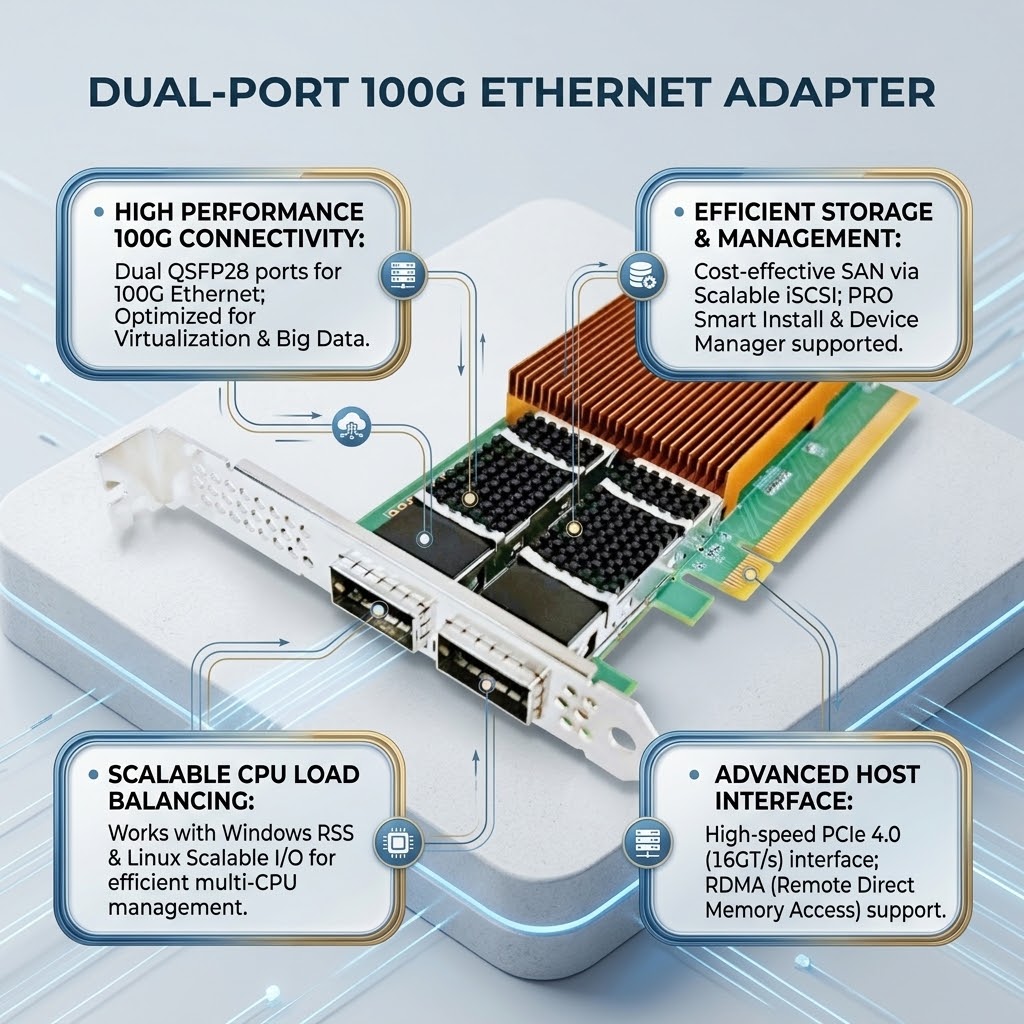
Latest information
- NAS Storage Network Upgrade Guide
- Why Does Upgrading Your NAS to 2.5GbE Not Improve Network Speed?
- What Is an OCP 3.0 Network Card?
- The King of Cost-Effective 25G NIC: In-Depth Analysis of Guangruntong (GRT) GH2502EM-V4.1
- The Hidden Relationship Between NIC Heat Dissipation and Data Center Cabinet Layout
- Why are serpentine traces designed on the NIC PCB board
- NIC and Operating System Ecosystem Adaptation: From Hardware Compatibility to Win-Win Performance
- NIC Hardware Offload Technology: Let Server CPU Focus on Business Computing