Sign in



Hidden Pitfalls in Fiber‑Optic Networks: Optical Transceiver Compatibility
< Back
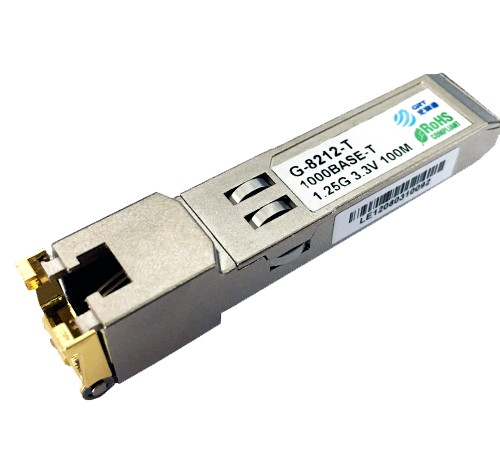
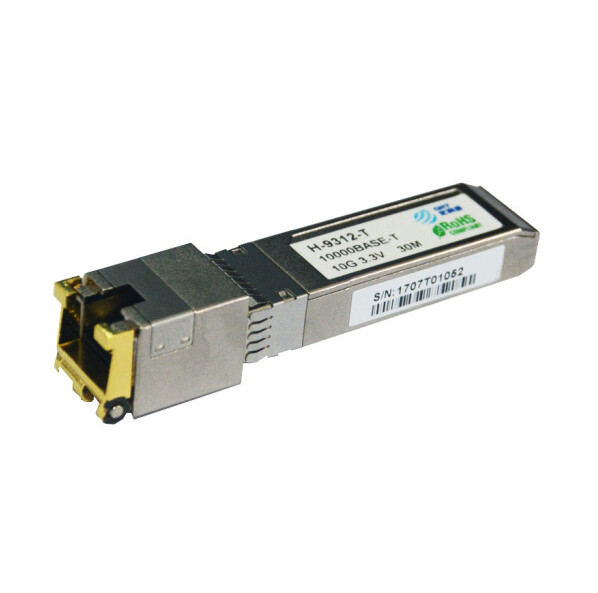
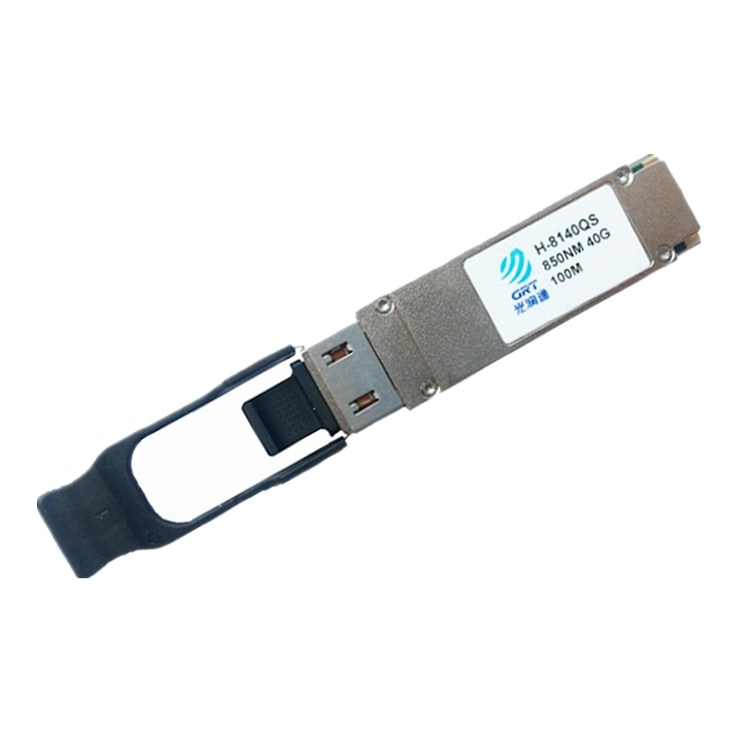
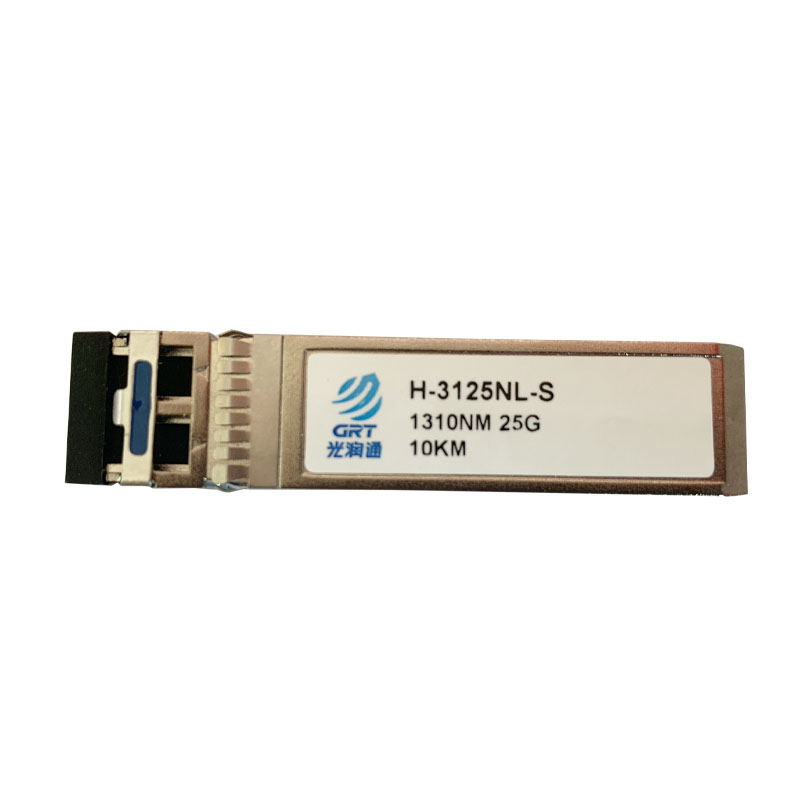
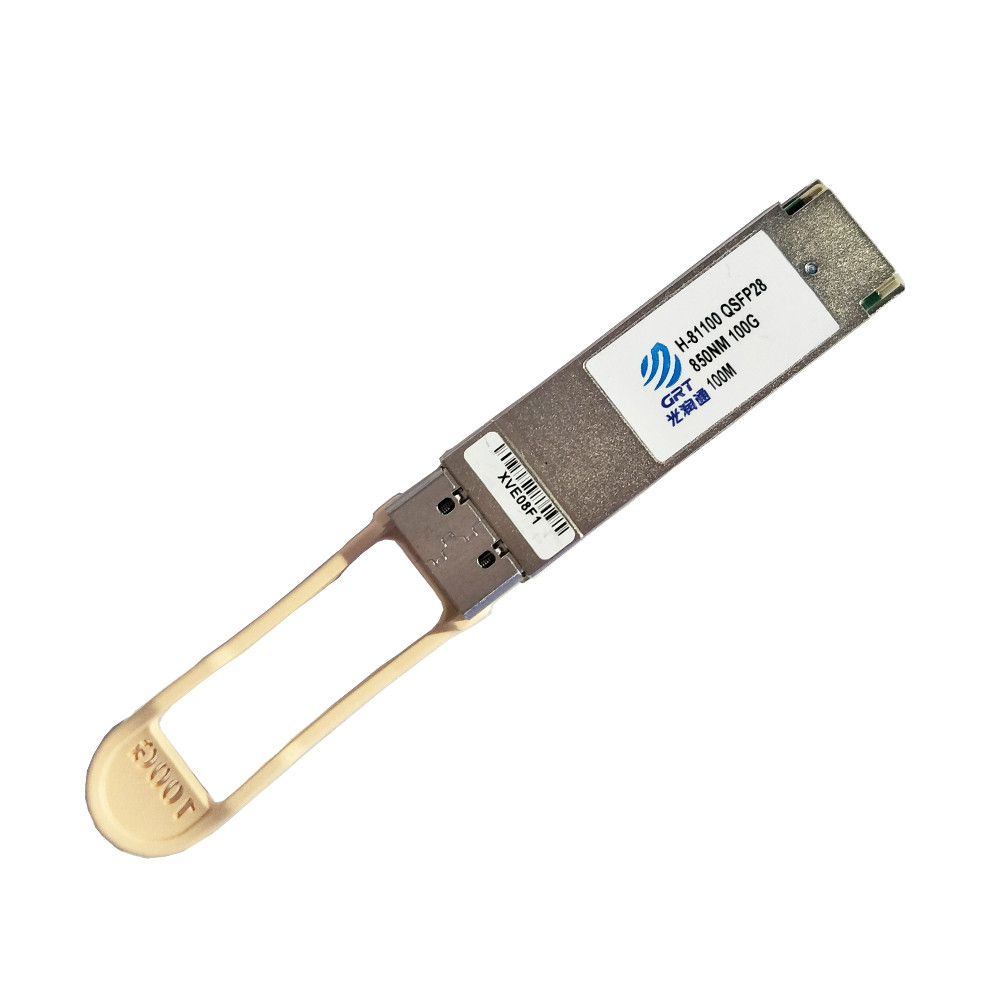
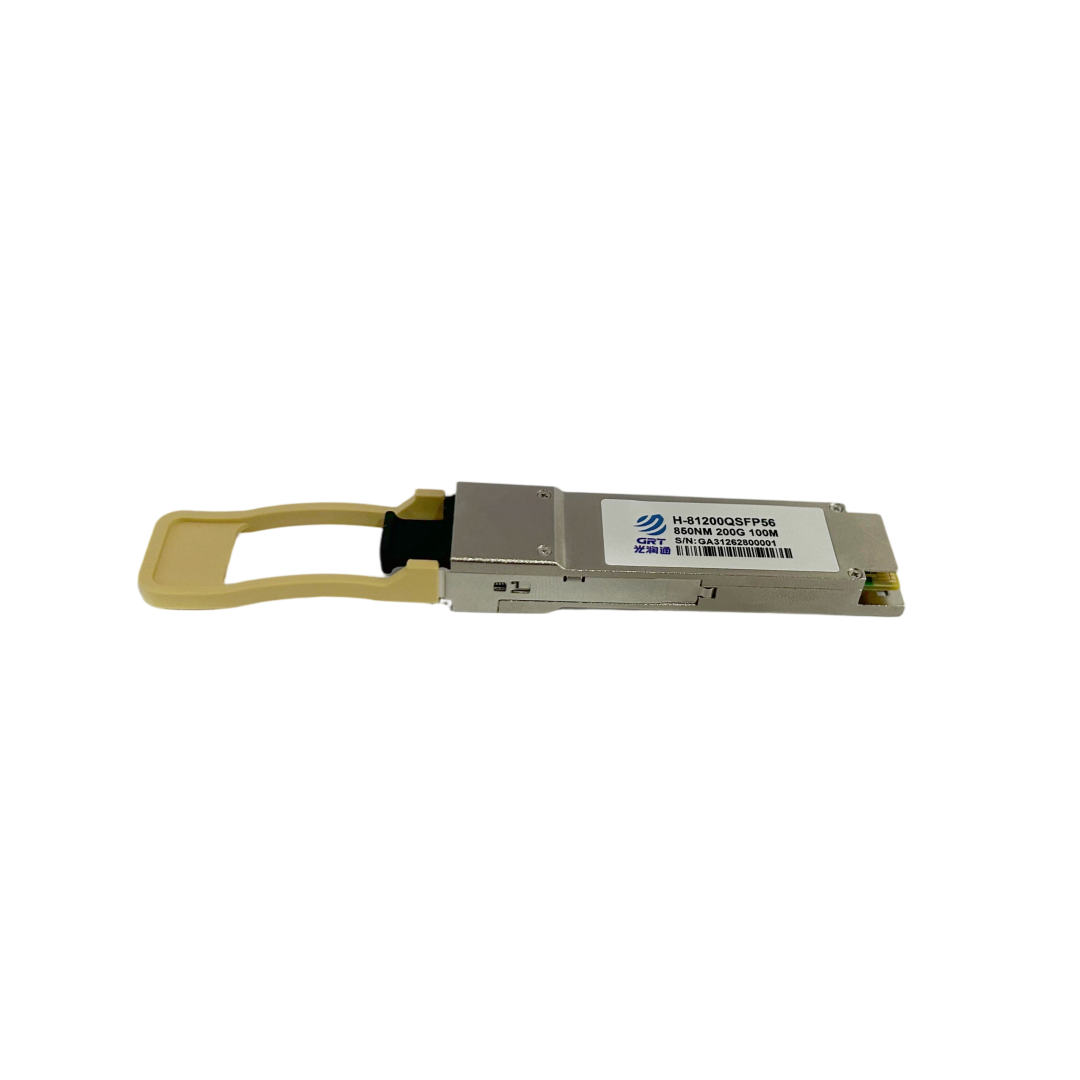
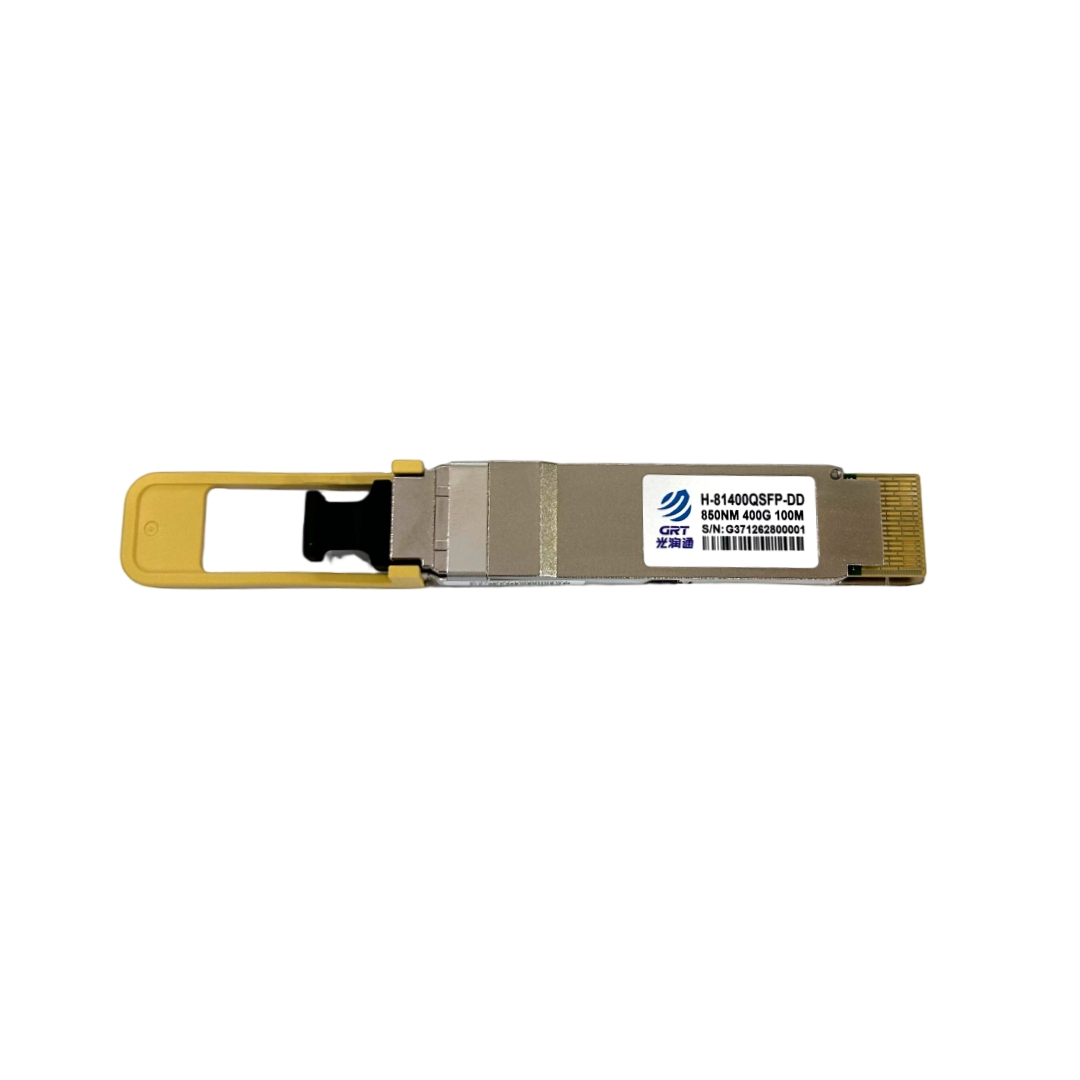
In the deployment and maintenance of fiber‑optic networks, network cards and switches usually attract most attention. Yet optical transceivers, the critical components connecting them, are often treated as simple plug‑and‑play accessories. In reality, transceiver compatibility issues are among the most frequent causes of network failures and sub‑par performance. After handling numerous customer cases, the technical‑support team at Guangruntong (GRT) Technology finds that many seemingly complicated network troubles trace back to these small transceivers.
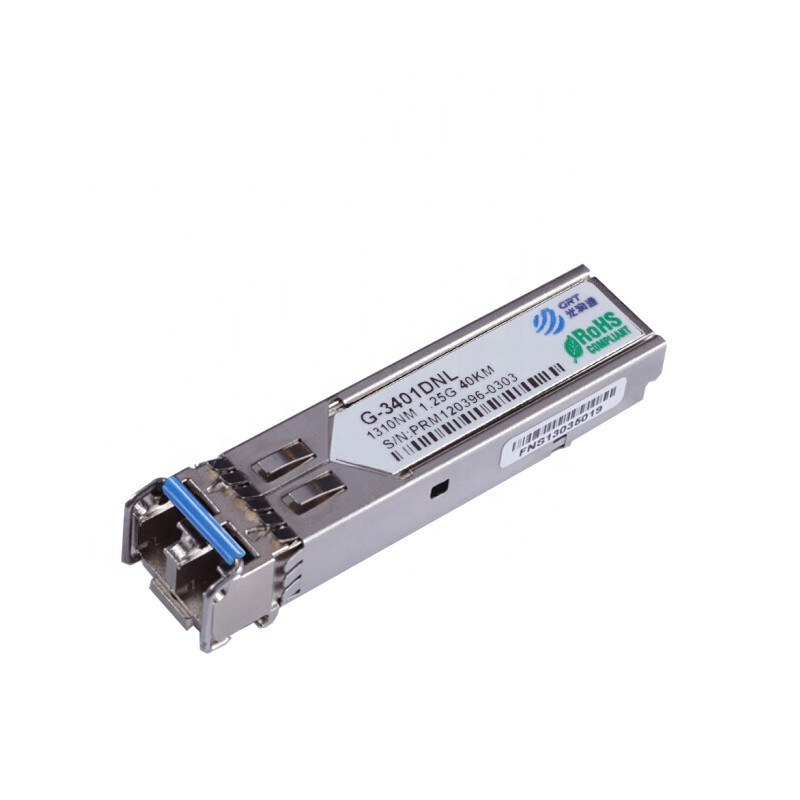
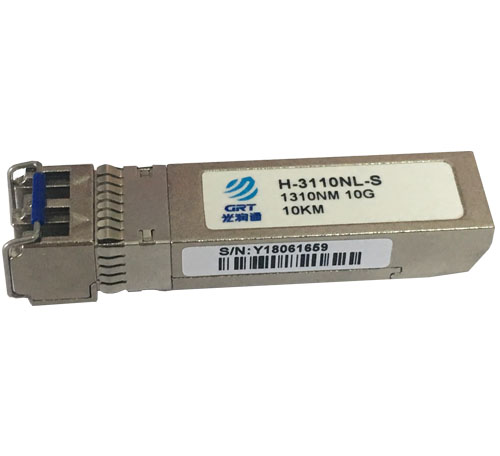
The basic function of an optical transceiver is to convert electrical signals into optical signals for transmission and vice versa. In practical scenarios, its responsibilities go far beyond that. Inside a transceiver reside laser‑driver chips, limiting amplifiers, microcontrollers and stored firmware. The firmware stores vendor information, operating parameters, alarm thresholds and other data.
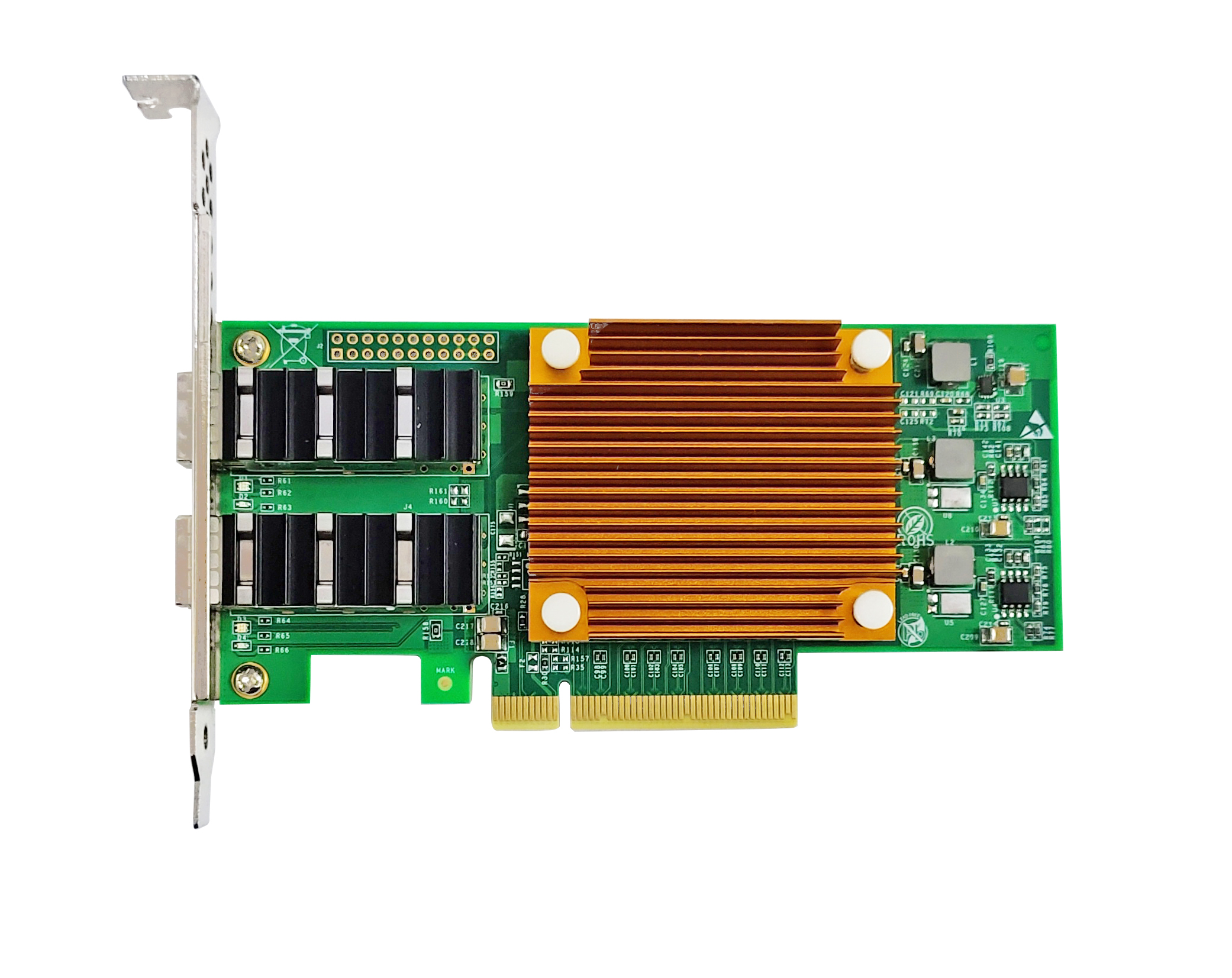
When a transceiver is inserted into a NIC or switch, the device reads this data for authentication and parameter matching. Mismatched firmware information may lead to unrecognized hardware or forced speed reduction. This is especially common on mainstream‑brand switches, which often adopt transceiver whitelists. Physically compatible transceivers will still fail to work normally if not included in the whitelist.
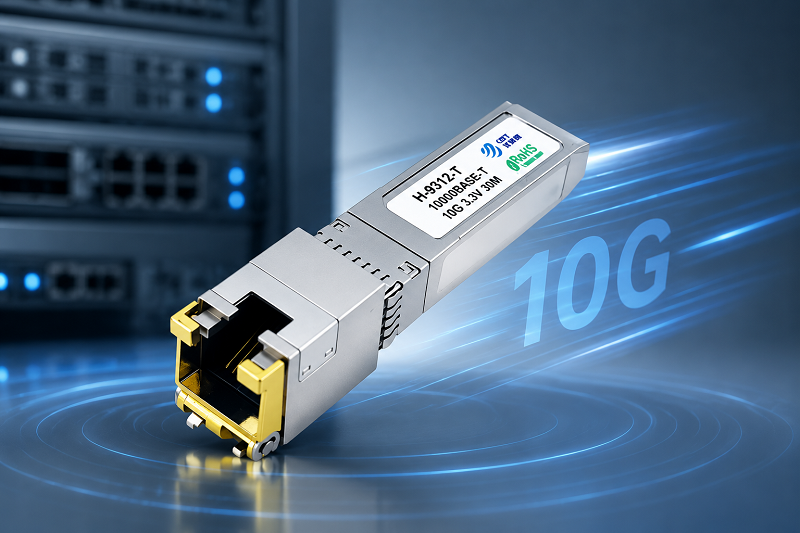
First, link‑up failure. NIC indicator lights stay off and no physical link is detected by the operating system. This usually occurs when the transceiver is fully incompatible with the host device.
Second, intermittent packet loss or disconnection. The link comes up, yet frequent CRC errors and packet retransmissions appear under heavy traffic. This stems from partial parameter mismatches or unstable performance caused by internal‑component aging.
Third, rate‑negotiation failure. When both ends are forced to fixed‑rate modes, the transceiver cannot complete proper negotiation, resulting in unexpected operating speed.
The most effective fix is to manage compatibility at the procurement stage. Guangruntong (GRT) builds a complete compatibility‑testing system. During R&D, we conduct point‑to‑point verification against mainstream‑brand switches and compile detailed compatibility lists.
For field deployment, select transceiver models validated in our compatibility list. For special‑environment requirements, our team can provide tested transceiver recommendations based on your exact switch model to guarantee stable links.
Furthermore, GRT network cards support firmware upgrade. When switch vendors update their transceiver‑authentication policies, we can optimize interaction between NICs and specific transceivers via firmware updates for better compatibility.
Besides transceiver‑device compatibility, physical matching between transceivers and fiber cables matters greatly. Multi‑mode transceivers must pair with multi‑mode fiber, and single‑mode transceivers with single‑mode fiber; mixing them will cause insufficient optical‑power budget. Meanwhile, fiber‑endface cleanliness directly impacts signal quality. Tiny dust particles can carbonize under high‑power laser and leave permanent damage on endfaces. Always clean endfaces with dedicated tools before plug‑in; this simple operation prevents most physical‑layer faults.
For enterprise‑network operation‑and‑maintenance teams, small as they are, optical transceivers constitute key nodes for link stability. Choose fully‑validated transceivers and maintain good operating habits to unlock the full performance of fiber‑optic networks.
Latest information
- NAS Storage Network Upgrade Guide
- Why Does Upgrading Your NAS to 2.5GbE Not Improve Network Speed?
- What Is an OCP 3.0 Network Card?
- The King of Cost-Effective 25G NIC: In-Depth Analysis of Guangruntong (GRT) GH2502EM-V4.1
- The Hidden Relationship Between NIC Heat Dissipation and Data Center Cabinet Layout
- Why are serpentine traces designed on the NIC PCB board
- NIC and Operating System Ecosystem Adaptation: From Hardware Compatibility to Win-Win Performance
- NIC Hardware Offload Technology: Let Server CPU Focus on Business Computing